![[slide:title]](/static/upload/other/20260512/1778551853592214.webp)
![[slide:title]](/static/upload/other/20260512/1778551954982306.webp)
Time:2026-03-30 Form:本站
Complete Guide to Dental Implant Systems: From Structure to Strategic Sourcing
Dental implant systems are no longer just a clinical topic—they are a strategic decision point for manufacturers, distributors, and dental groups worldwide. As global demand for implantology continues to grow, buyers are no longer asking “Which implant works?” but rather:
l Which system offers long-term reliability?
l Which partner ensures consistent quality at scale?
l Which design reduces clinical risk and improves outcomes?
For B2B buyers, understanding implant systems is not optional—it is essential for risk control, brand positioning, and long-term profitability.
This guide goes far beyond basic explanations. It breaks down implant systems from a technical, clinical, and commercial perspective, helping you make smarter sourcing and product decisions.
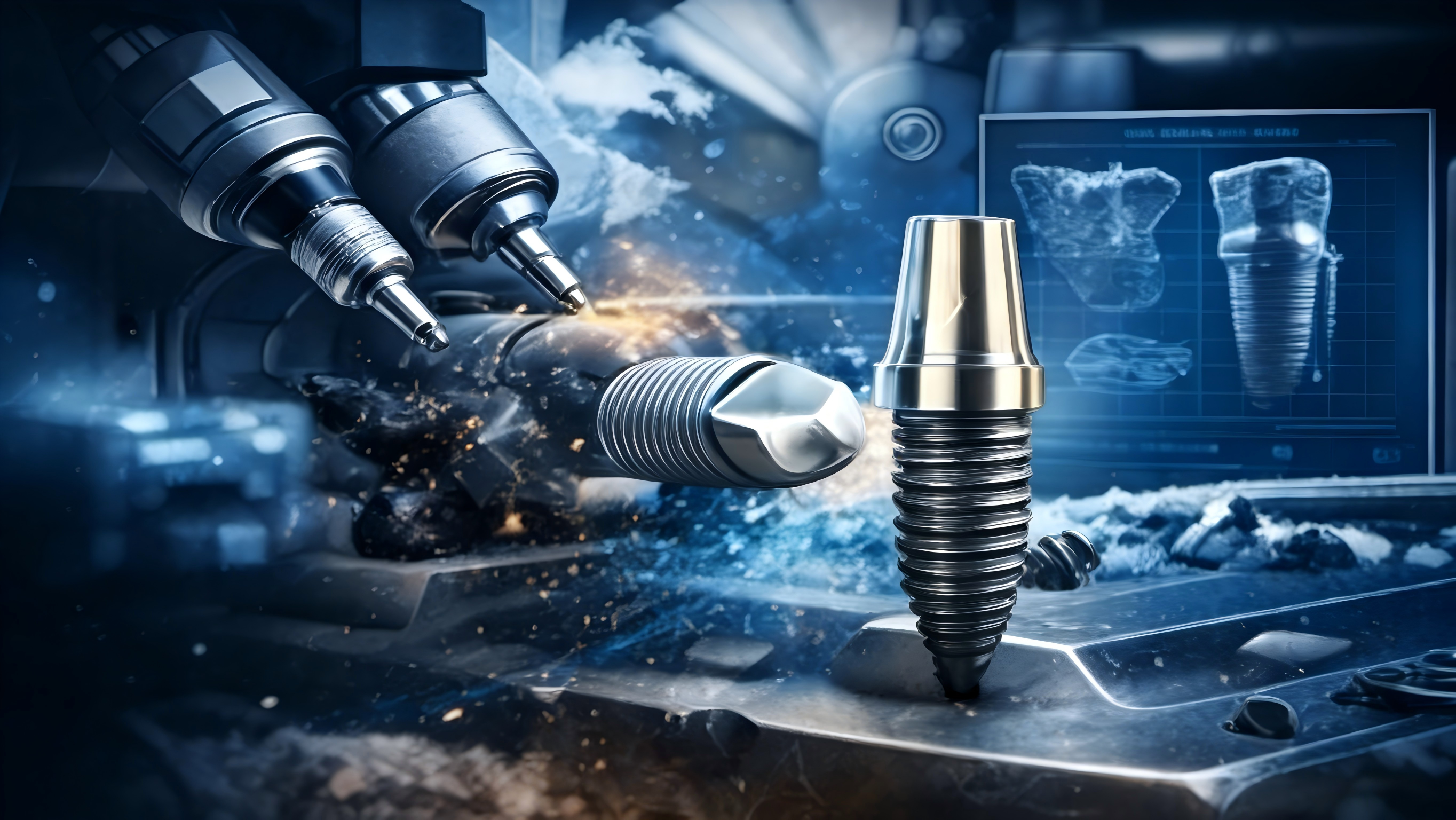
A dental implant system is not just a titanium screw. It is a multi-component biomechanical system designed to replace missing teeth while maintaining bone stability and soft tissue health.
A complete system typically includes:
l Implant fixture (inserted into bone)
l Abutment (connects implant to prosthesis)
l Prosthetic components (crowns, bridges, dentures)
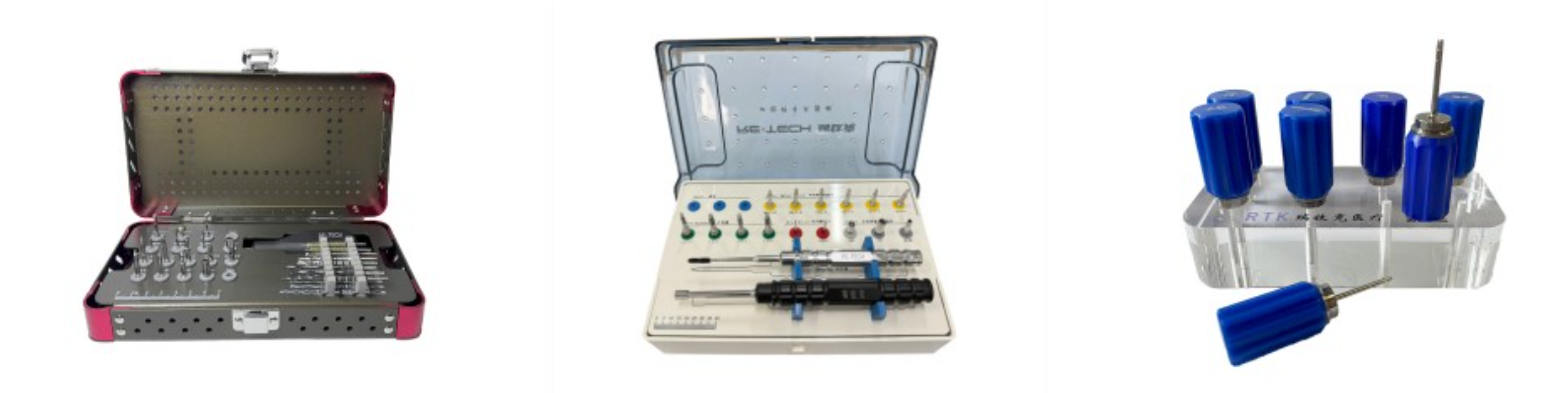
What differentiates systems is not just their shape—but how these components interact under load, healing conditions, and long-term use.
Most modern implants are made from:
l Commercially pure titanium (Grade 4)
l Titanium alloys (Ti-6Al-4V)
However, the real differentiator lies in:
l Macro design (thread pattern, taper, length)
l Micro surface treatment (roughness, coating)
Why It Matters for Buyers:
Surface treatment directly impacts osseointegration speed, which affects clinical success rates and patient satisfaction.
A high-quality manufacturer ensures:
l Consistent surface roughness
l Controlled blasting/acid etching processes
l Clean surface free of contaminants
The connection between implant and abutment is one of the most critical factors.
Common Types:
Connection Type | Characteristics | Risks |
External Hex | Easy to use | Micro-movement, screw loosening |
Internal Hex | Better stability | Still some micro-gap |
Conical (Morse Taper) | Tight seal, high stability | Requires precision manufacturing |
Industry Trend:
The shift toward conical connections is driven by:
l Reduced bacterial leakage
l Better load distribution
l Improved long-term outcomes
For Distributors:
Systems with precise internal connections reduce after-sales complaints and increase brand trust.
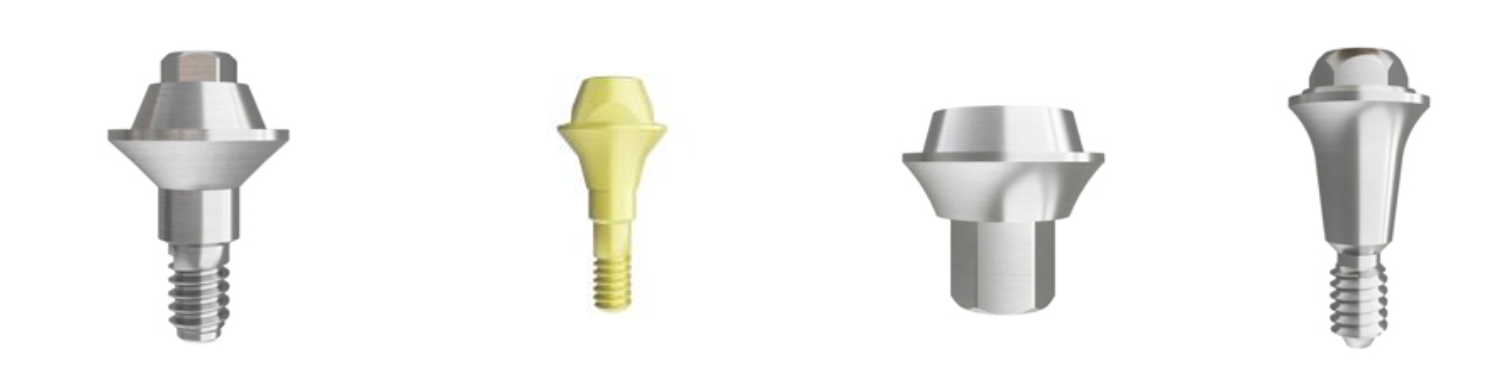
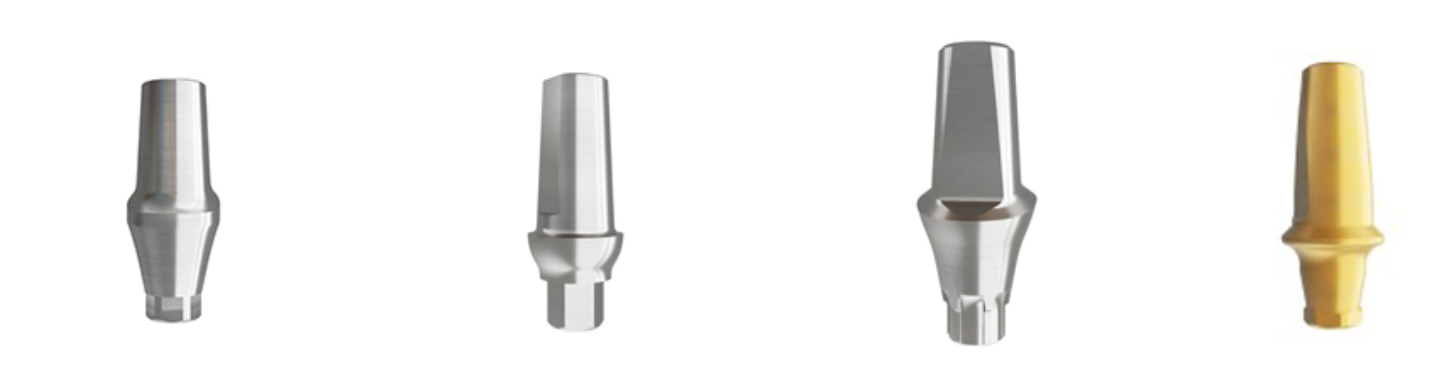
Abutments can be:
l Stock (standard sizes)
l Custom (CAD/CAM designed)
Key considerations:
l Material (titanium vs zirconia)
l Compatibility with digital workflows
l Precision of fit
B2B Insight:
Manufacturers that support digital dentistry integration (scan bodies, CAD libraries) provide a competitive advantage for clinics.
A strong implant system supports multiple restorations:
l Single crowns
l Bridges
l Full-arch restorations
Buyers should prioritize systems with:
l Wide prosthetic compatibility
l Clear restorative protocols
l Cross-platform consistency
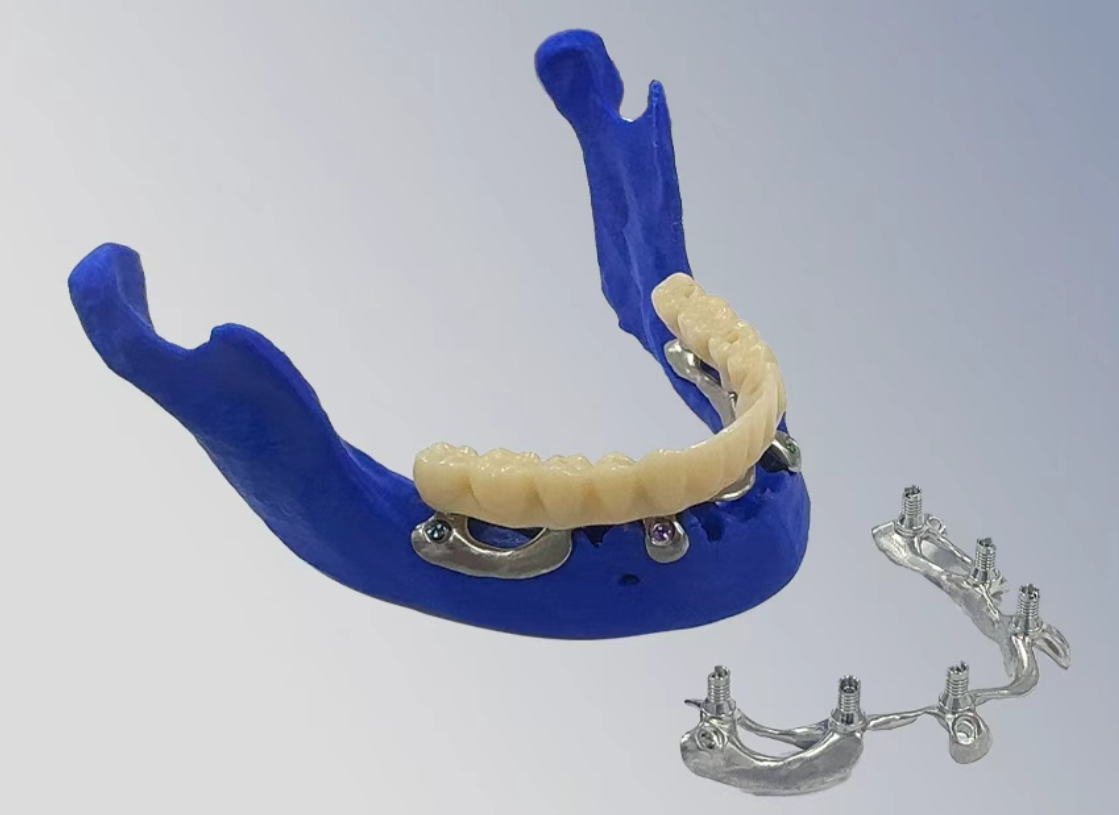
Parallel-Walled Implants
l Easier placement
l Lower primary stability
Tapered Implants
l Mimic natural root shape
l Better for immediate loading
Today, tapered implants dominate due to higher initial stability, especially in challenging bone conditions.
Surface Type | Advantage | Limitation |
Machined | Clean, smooth | Slower integration |
Sandblasted & Acid-Etched | Faster osseointegration | Requires strict quality control |
Coated (HA, etc.) | Enhanced bioactivity | Risk of delamination |
Key Insight:
Not all SLA surfaces are equal. The difference lies in process consistency, not just the label.
l Platform switching (reduces bone loss)
l Platform matching (traditional approach)
Modern systems favor platform switching for better soft tissue preservation.
Many articles focus on brand names. That’s not enough.
A truly high-quality system must demonstrate:
l Tight tolerances in connection interface
l CNC machining accuracy
l Consistent batch production
l No residual blasting media
l Controlled chemical processes
l Suitable for multiple indications
l Supports immediate and delayed loading
l Stable production capacity
l Consistent delivery timelines
The implant market is broadly divided into:
Premium Brands
l Strong clinical validation
l Higher cost
l Established reputation
Value-Oriented Systems
l Competitive pricing
l Rapidly improving quality
l Increasing global adoption
Key Trend:
Distributors and dental groups are shifting toward high-quality, cost-effective manufacturers that offer:
l Comparable performance
l Better margins
l Flexible OEM/ODM options
For distributors, importers, and clinics, selection should be strategic—not emotional.
l Connection precision
l Surface consistency
l Long-term stability
l Production scale
l Quality control systems
l Certifications (ISO, CE, FDA where applicable)
l Full surgical kit availability
l Prosthetic solutions
l Digital workflow compatibility
l Pricing structure
l MOQ flexibility
l Branding/OEM support
Many buyers make the mistake of focusing only on unit price.
But long-term profitability comes from:
l Lower failure rates
l Fewer complaints
l Easier clinical workflows
This is where partnering with a technically strong manufacturer becomes critical.
For example, manufacturers like RE-TECH are increasingly recognized for delivering:
l Precision-engineered implant connections
l Stable and repeatable surface treatments
l Flexible OEM and private-label capabilities
Rather than competing purely on price, such suppliers focus on consistency and scalability, which are key for B2B growth.

l Guided surgery
l CAD/CAM prosthetics
l AI-assisted planning
l Immediate loading protocols
l Faster osseointegration surfaces
l Patient-specific solutions
l Mass customization manufacturing
The connection design and manufacturing precision are critical, as they affect long-term stability and complication rates.
No. Even with the same material, differences in surface treatment and machining precision can significantly impact performance.
Not necessarily. Many modern manufacturers offer comparable quality at more competitive pricing, especially for large-scale distribution.
l Inconsistent product quality
l Poor packaging or sterilization
l Lack of technical documentation
Very important. OEM allows distributors to build their own brand while leveraging an established manufacturer’s expertise.
Dental implant systems are no longer just medical devices—they are business tools that directly impact:
l Clinical outcomes
l Brand reputation
l Profit margins
For B2B buyers, the goal is not to find the cheapest option, but to identify a reliable, scalable, and technically strong partner.
By understanding implant systems at a deeper level—from connection mechanics to surface science—you position yourself to make decisions that drive both clinical success and business growth.