![[slide:title]](/static/upload/other/20260512/1778551853592214.webp)
![[slide:title]](/static/upload/other/20260512/1778551954982306.webp)
Time:2026-03-27 Form:本站
Top 10 Dental Implant Manufacturers in Brazil | 2026 Global Sourcing Guide
Brazil is no longer just a regional dental market—it has evolved into one of the most strategically important implant manufacturing hubs globally.
For distributors, private label buyers, and dental brands, Brazil offers something unique:
A rare balance between cost efficiency, manufacturing maturity, and clinical reliability.
But here’s the problem:
Most “Top 10” lists only scratch the surface. They list names—but fail to explain how these companies actually compete, and what that means for your sourcing strategy.
This guide goes deeper.
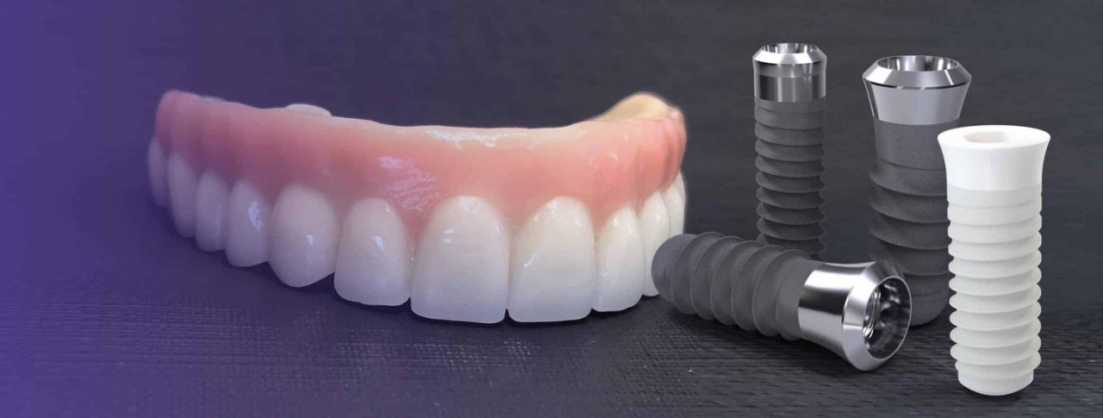
Brazil’s implant industry is built on three structural advantages:
Brazil has one of the largest dental implant patient bases in the world, driven by:
l High edentulism rates
l A large private dental sector
l Increasing demand for aesthetic dentistry
Unlike many emerging markets, Brazil has:
l Established implant machining capabilities (CNC + surface treatment)
l Local biomaterial production
l Integrated supply chains
This is critical for buyers:
Tier | Representative Brands | Strategy |
Premium | Straumann, Nobel (imported) | Clinical trust |
Upper-mid | Neodent, S.I.N., DSP | Value + reliability |
Cost-effective | Titaniumfix, Emfils | Price-driven |
OEM layer | Siiodent, others | Customization |
Key Insight:
Brazil is not dominated by one segment—it’s a layered competitive ecosystem, which creates sourcing opportunities.
Company Profile
Founded in Curitiba, Neodent is the most internationally recognized Brazilian implant brand, now fully integrated into the Straumann Group.
Technical Strength
Neodent’s core advantage lies in its surface technology and protocol simplification:
l Hydrophilic surface treatments designed for faster osseointegration
l Strong focus on immediate loading protocols
l Simplified surgical kits for high-efficiency clinics
Commercial Strategy
Neodent bridges the gap between:
l Premium Swiss systems (high cost)
l Local Brazilian systems (lower perceived trust)
This makes it extremely competitive in emerging markets.
What Buyers Should Know
l Strong global support and training
l Higher price than local brands
l Less flexible for OEM/private label

Company Profile
S.I.N. is one of Brazil’s largest domestic implant companies, later acquired by Henry Schein—giving it global distribution leverage.
Technical Strength
l Broad implant line covering multiple clinical indications
l Emphasis on surface roughness optimization
l Strong prosthetic compatibility
Commercial Strategy
S.I.N. competes on:
l Product range completeness
l Competitive pricing
l Scalable distribution
It is designed to be a “volume-driven brand”.
What Buyers Should Know
l Excellent for distributors
l Less differentiation in high-end innovation
l Strong Latin American presence

Company Profile
Bionnovation stands out by combining implants + biomaterials, especially after integration with Geistlich.
Technical Strength
l Advanced bone regeneration materials (GBR)
l Strong integration between implant systems and grafting solutions
l Research-driven development
This makes it particularly strong in complex surgical cases.
Commercial Strategy
Rather than competing purely on implants, Bionnovation builds:
A treatment ecosystem
What Buyers Should Know
l Ideal for advanced clinical markets
l Higher complexity in product portfolio
l Strong value in bundled solutions
Company Profile
A traditional Brazilian manufacturer with decades of experience.
Technical Strength
l Reliable implant geometries
l Good prosthetic compatibility
l Consistent machining quality
Commercial Strategy
Implacil invests heavily in:
l Clinical education programs
l Dentist training networks
This builds long-term brand loyalty.
What Buyers Should Know
l Stable and predictable quality
l Not innovation-driven
l Strong domestic trust

Company Profile
A specialist in prosthetic systems rather than just implants.
Technical Strength
l High-precision abutment manufacturing
l Strong CAD/CAM compatibility
l Excellent restorative flexibility
Particularly valuable in prosthetic-driven workflows.
Commercial Strategy
Conexão differentiates through:
Precision + prosthetic versatility
What Buyers Should Know
l Strong for labs and prosthetic-focused clinics
l Not a volume implant supplier
l High engineering credibility
Company Profile
A technology-oriented manufacturer focusing on surface engineering.
Technical Strength
l Advanced surface roughness control
l Focus on osseointegration speed and stability
l Increasing R&D investment
Commercial Strategy
DSP positions itself as:
A technology-driven alternative to mainstream brands
What Buyers Should Know
l Strong technical story
l Growing but not dominant
l Good export potential

Company Profile
A cost-effective manufacturer targeting price-sensitive markets.
Technical Strength
l Standard implant designs
l Functional but not highly differentiated
Commercial Strategy
Competes primarily on:
l Price
l Simplicity
l Accessibility
What Buyers Should Know
l Suitable for entry-level markets
l Limited brand premium
l High price competitiveness

Company Profile
An international brand with a presence in Brazil.
Technical Strength
l Unique implant connection designs
l Strong mechanical stability
l Good clinical documentation
Commercial Strategy
Focuses on:
l Engineering differentiation
l Niche clinical positioning
What Buyers Should Know
l Strong design philosophy
l Not price competitive
l Appeals to experienced clinicians

Company Profile
A growing Brazilian implant brand focused on accessibility.
Technical Strength
l Basic but reliable systems
l Broad compatibility
Commercial Strategy
l Local distribution strength
l Affordable pricing
What Buyers Should Know
l Good for regional markets
l Limited differentiation
l Stable supply

Company Profile
Focused on OEM and private label manufacturing.
Technical Strength
l Flexible production
l Custom implant design
l Scalable manufacturing
Commercial Strategy
Targets:
Distributors and private brands rather than clinics
What Buyers Should Know
l High customization potential
l Less brand recognition
l Competitive pricing
Most articles stop at listing brands. But here’s what actually matters:
The Real Gap in the Market
l European brands → High trust, high price
l Brazilian brands → Competitive price, variable consistency
The biggest opportunity lies in between.
For global distributors or private label brands, the ideal supplier today should offer:
l Stable Grade 4 / Grade 5 titanium processing
l Reliable surface treatment consistency
l Scalable production capacity
l Competitive but not “low-end” pricing
This is where many newer-generation manufacturers—particularly those with export-oriented production systems—are gaining attention.
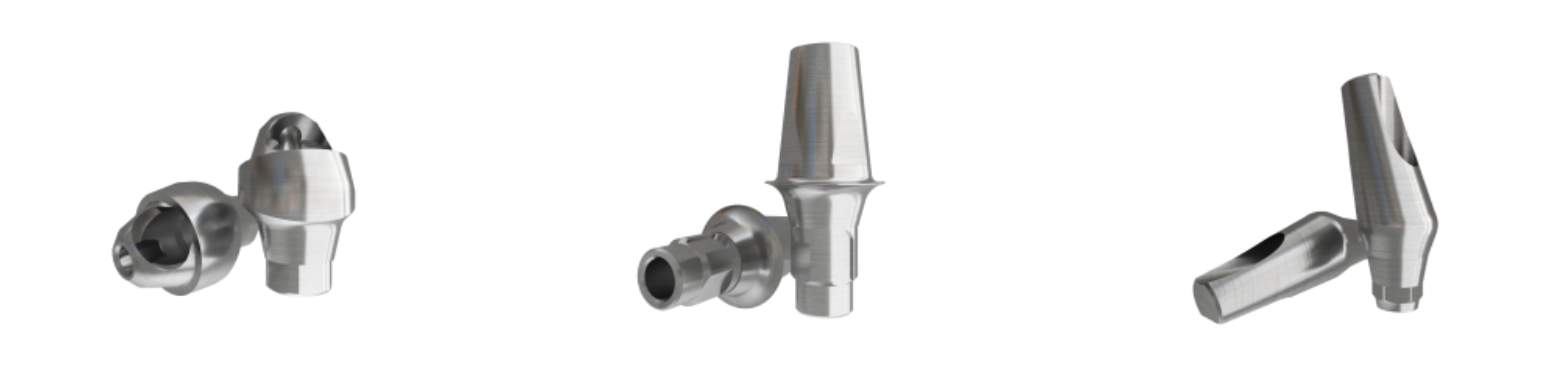
Without naming aggressively, companies like RE-TECH represent this category well:
l Precision-focused manufacturing
l Strong quality control systems
l Flexibility for OEM / private label
l Positioned between European quality and Brazilian pricing
For B2B buyers, this positioning is often more valuable than brand fame.
Yes—especially in emerging markets where price-performance balance is critical.
l Inconsistent quality between manufacturers
l Limited long-term clinical data (for smaller brands)
l Brazil: stronger clinical acceptance locally
l China: stronger manufacturing scalability and consistency (top factories)
Smart buyers often compare both.
For distributors:
Manufacturing consistency matters more than brand name.
l Precision machining tolerance
l Surface repeatability
l Packaging & sterilization standards
l Documentation (CE, ISO)
Brazil is not just a market—it’s a signal of where the implant industry is going:
l More cost pressure
l More OEM opportunities
l More hybrid positioning (quality + price)
The winners in the next 5–10 years will not be:
l The cheapest
l Or the most famous
But those who can deliver:
Consistent quality at scalable cost, with global adaptability.