![[slide:title]](/static/upload/other/20260512/1778551853592214.webp)
![[slide:title]](/static/upload/other/20260512/1778551954982306.webp)
Time:2026-04-22 Form:本站
How to Verify Implant Quality Before Purchase
In the global dental implant market, product selection is no longer just about price or delivery time. For distributors, clinics, and OEM partners, the real differentiator is consistency—because one inconsistent batch can damage not only clinical outcomes but also long-term business credibility.
Yet, verifying implant quality before purchase remains one of the most misunderstood steps in procurement. Many buyers rely on surface-level indicators such as certifications or catalog specifications, without fully understanding what truly defines a reliable implant system.
This article takes a deeper, engineering-focused approach. Instead of repeating generic advice, we will break down how experienced buyers actually verify implant quality—step by step—before committing to a supplier.
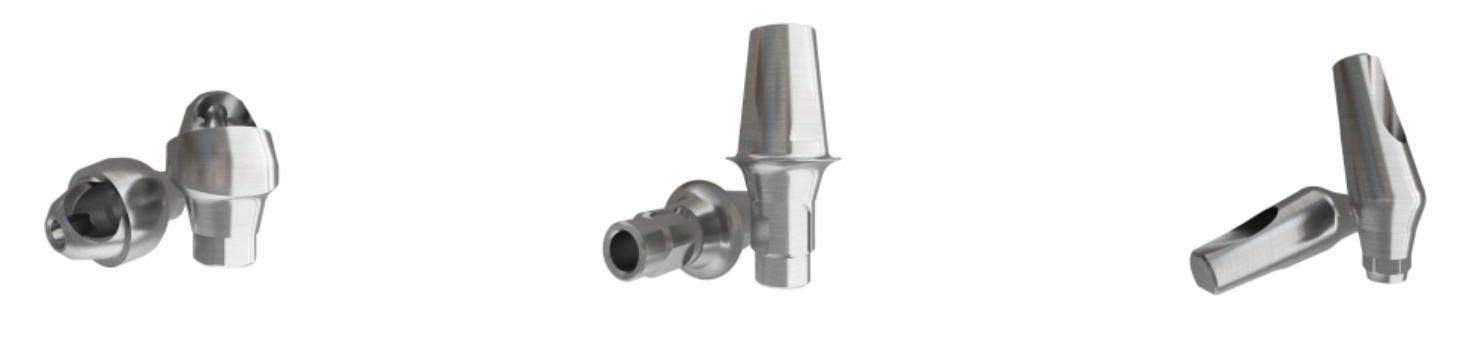
In today’s supply chain, two implants can look identical on paper but behave very differently in clinical use.
This gap often comes from:
l Variations in raw material purity
l Inconsistent machining tolerances
l Uncontrolled surface treatment processes
l Poor traceability systems
For B2B buyers, the risk is not just clinical failure—it’s reputation risk, regulatory exposure, and long-term cost escalation.
That’s why verification before purchase is no longer optional. It is a core part of procurement strategy.
Most implant manufacturers will specify materials such as:
l Titanium Grade 4
l Ti-6Al-4V
l Ti-6Al-7Nb
However, material grade alone does not guarantee quality.
What You Should Actually Verify:
a. Mill Test Certificate (MTC)
l Confirms chemical composition
l Shows compliance with standards (ASTM / ISO)
l Should be batch-specific, not generic
b. Oxygen and Impurity Levels
Even within Grade 4 titanium, oxygen content can vary significantly, affecting:
l Fatigue strength
l Brittleness
c. Microstructure Consistency
Ask whether the supplier controls:
l Grain size
l Heat treatment process
A reliable manufacturer will not hesitate to explain how they control material consistency—not just what material they use.
Implant success depends heavily on mechanical precision, especially at the connection interface.
Key Areas to Evaluate:
a. Tolerance Control
l Internal hex / conical connection accuracy
l Thread geometry consistency
Even micron-level deviations can lead to:
l Micro-movement
l Screw loosening
l Long-term failure
b. Surface Finish in Critical Areas
l Connection interface must be smooth and precise
l Threads require controlled roughness, not randomness
c. Measurement Evidence
Ask for:
l CMM (Coordinate Measuring Machine) reports
l In-process inspection records
Factories that truly control quality will have data—not just claims.
Surface treatment is often marketed aggressively, but poorly controlled processes can create more risk than benefit.
What to Check:
a. Process Type
Common methods include:
l Sandblasted, Large-grit, Acid-etched (SLA)
l Anodized surfaces
l Plasma spraying
Instead of asking “which is best,” ask:
l How stable is the process batch-to-batch?
b. Surface Cleanliness
Residual contamination is a major issue in lower-quality implants.
Verify:
l Cleaning protocols
l Packaging environment (cleanroom level)
c. Surface Characterization Data
Look for:
l Roughness values (Ra, Rz)
l SEM images
l Surface chemistry analysis
A serious supplier will provide technical evidence, not just marketing descriptions.
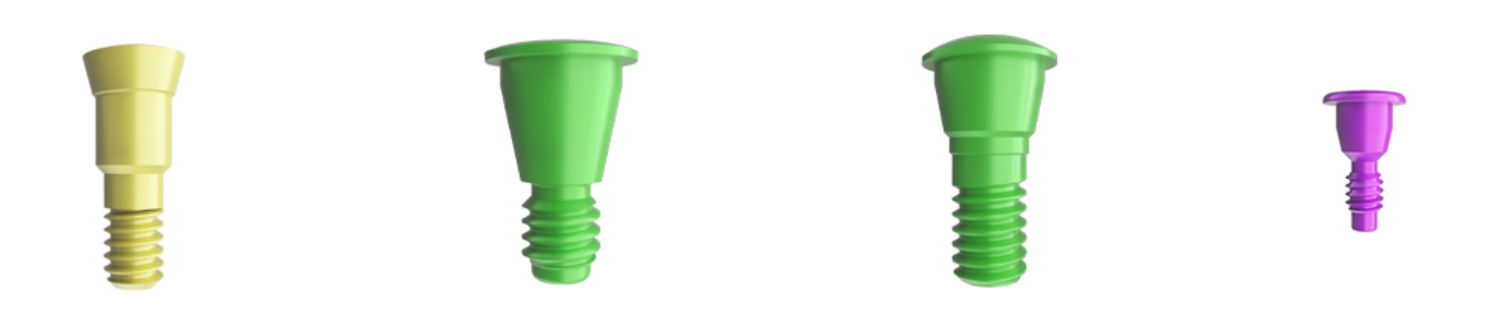
Even a perfectly manufactured implant can fail if sterilization is not properly controlled.
Verification Checklist:
a. Sterilization Method
l Gamma radiation
l Ethylene oxide (EO)
Each has different implications for:
l Shelf life
l Material stability
b. Sterility Assurance Level (SAL)
Standard expectation:
l SAL 10⁻⁶
c. Packaging Integrity
l Double sterile barrier
l Seal strength testing
l Transport simulation testing
Ask if the supplier conducts:
l Aging tests
l Distribution simulation
This is where many low-cost suppliers cut corners.
Certifications are important—but they are only the starting point.
l ISO 13485
l CE marking
l FDA registration
Two factories with identical certifications can have completely different:
l Process discipline
l Inspection standards
l Batch consistency
Ask about:
l Incoming inspection procedures
l In-process quality control
l Final batch release criteria
A reliable manufacturer will walk you through their process step by step.
Traceability is not just for compliance—it is your protection when issues arise.
What Good Traceability Looks Like:
l Batch number linked to raw material
l Production records for each lot
l Inspection data tied to serial numbers
If a supplier cannot trace a product backward within minutes, that is a serious risk.
Many implant systems claim high success rates—but not all data is equal.
How to Evaluate Clinical Credibility:
a. Source of Data
l Independent studies vs. internal reports
b. Duration
l Short-term success (1 year) is not enough
l Look for long-term follow-up
c. Sample Size
l Larger datasets are more reliable
If clinical data is vague or unavailable, proceed with caution.
Most buyers focus on whether a sample is good.
Experienced buyers focus on:
“Will every batch be like this?”
How to Verify Consistency:
l Request multiple batch samples
l Compare dimensions and surface characteristics
l Review historical QC data
Consistency is where strong manufacturers stand out.
One of the most underestimated signals of quality is how transparent a supplier is.
Signs of a Reliable Partner:
l Willingness to share process details
l Clear answers to technical questions
l Openness to audits or video inspections
In practice, manufacturers that invest in real quality control tend to be more open—because they have nothing to hide.
For example, some established manufacturers such as RE-TECH focus heavily on process stability and traceability systems, which are often more important than visible features of the implant itself.
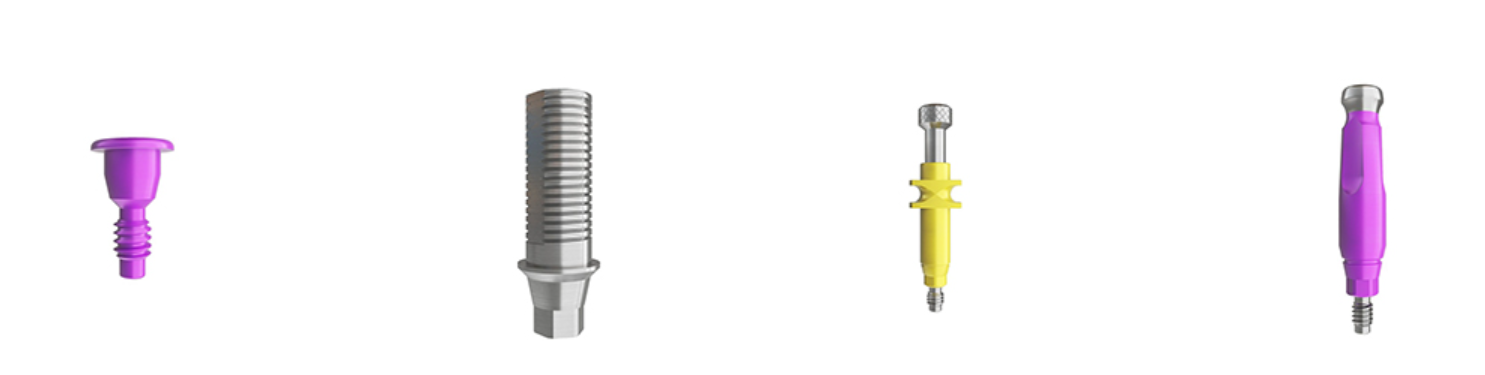
Low price often comes at the expense of:
l Consistency
l Inspection rigor
l Process control
Hidden Costs of Low-Quality Implants:
l Returns and replacements
l Customer complaints
l Brand damage
l Regulatory risks
From a B2B perspective, the goal is not the lowest price—it is the lowest total risk-adjusted cost.
Aspect | High-Quality Supplier | Low-Quality Supplier |
Material | Verified, batch-specific | Generic, unclear source |
Machining | Tight tolerances, documented | Variable, inconsistent |
Surface | Controlled, repeatable | Unstable, poorly documented |
Sterilization | Validated processes | Minimal validation |
Traceability | Full tracking | Limited or none |
Transparency | Open and detailed | Vague answers |
❓️Frequently Asked Questions (FAQ)
No. Certification ensures compliance with basic standards, but it does not guarantee process consistency or long-term reliability.
At least 2–3 batches if possible. One good sample does not represent production stability.
Surface contamination and inconsistent machining tolerances are among the most frequent issues.
For B2B buyers, quality consistency directly impacts long-term cost. Price should always be evaluated alongside risk.
Start with:
l Technical documentation review
l Sample comparison across batches
l Direct technical discussion
The depth of their answers often reveals more than the samples themselves.
Experience matters—but only if it translates into controlled processes. Always verify systems, not just years in business.
Verifying implant quality before purchase is not about checking a single factor—it is about understanding the entire manufacturing system behind the product.
The most reliable buyers approach this process like engineers, not just purchasers. They look beyond catalogs and certifications, focusing on:
l Process control
l Data transparency
l Long-term consistency
In a competitive market, these factors define not only product performance but also business success.
Ultimately, choosing the right implant supplier is less about finding the “best” product—and more about identifying a partner who can deliver predictable quality, every time.