![[slide:title]](/static/upload/other/20260512/1778551853592214.webp)
![[slide:title]](/static/upload/other/20260512/1778551954982306.webp)
Time:2026-04-23 Form:本站
Inventory Management for Dental Implants: A Practical, Scalable Framework for Modern Manufacturers
In the dental implant industry, inventory management is not a back-office function—it is a strategic capability that directly affects delivery speed, regulatory compliance, customer satisfaction, and ultimately, profitability. For manufacturers and OEM/ODM suppliers, especially those serving global distributors and clinics, inventory complexity grows quickly due to SKU diversity, traceability requirements, and fluctuating demand patterns.
This guide takes a deep, operations-focused approach to managing dental implant inventory. Rather than repeating generic warehouse advice, it breaks down real challenges unique to implant manufacturing and offers a structured system that can scale with your business.
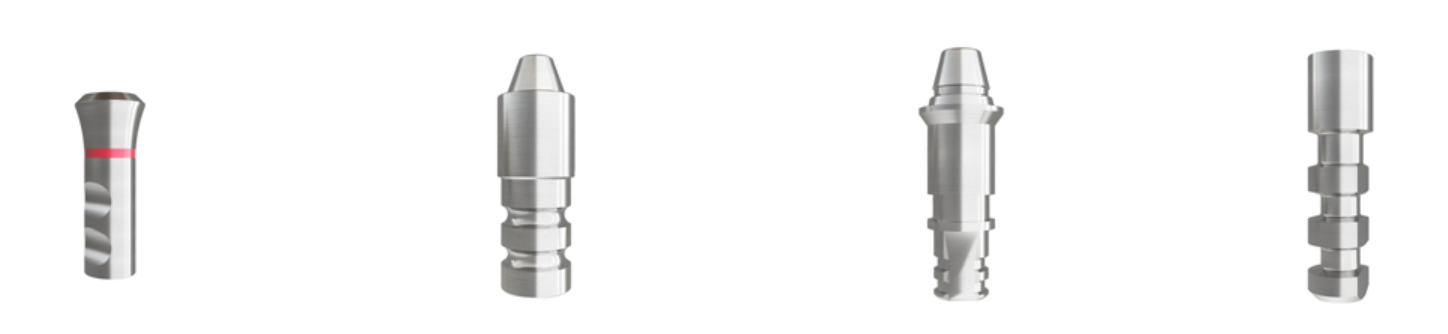
Dental implants are not standard industrial parts. Their inventory complexity comes from four overlapping factors:
A typical implant system includes:
l Multiple diameters (e.g., 3.0mm–6.0mm)
l Multiple lengths (6mm–16mm)
l Different surface treatments
l Platform types (internal hex, conical, etc.)
This creates hundreds or thousands of SKUs, many of which move slowly but must remain available.
Medical regulations require:
l Lot-level traceability
l Sterilization batch tracking
l Expiry date control
This means inventory is not just “quantity”—it is time-sensitive and compliance-bound stock.
Unlike consumer goods, demand is influenced by:
l Distributor purchasing cycles
l Clinical trends
l Regional preferences
Forecasting is inherently uncertain, especially for newer implant systems.
If a distributor cannot fulfill a surgeon’s request:
l The surgeon may switch brands permanently
l The distributor may lose confidence in the manufacturer
In this industry, a stockout is not just a missed sale—it’s a lost relationship.
Different inventory strategies apply depending on your scale and customer structure.
Best for: Standard implant systems with stable demand
l You produce and store finished implants
l Immediate delivery capability
l Requires strong forecasting
Pros:
l Fast order fulfillment
l Better distributor satisfaction
Cons:
l High holding cost
l Risk of slow-moving inventory
Best for: Custom or low-volume implant designs
l Production starts after order confirmation
l Minimal finished goods inventory
Pros:
l Lower inventory risk
l Customization flexibility
Cons:
l Longer lead times
l Less competitive for distributors
Most successful implant manufacturers use a hybrid approach:
l Fast-moving SKUs → Make-to-Stock
l Slow-moving or niche SKUs → Make-to-Order
This balances responsiveness and cost control.
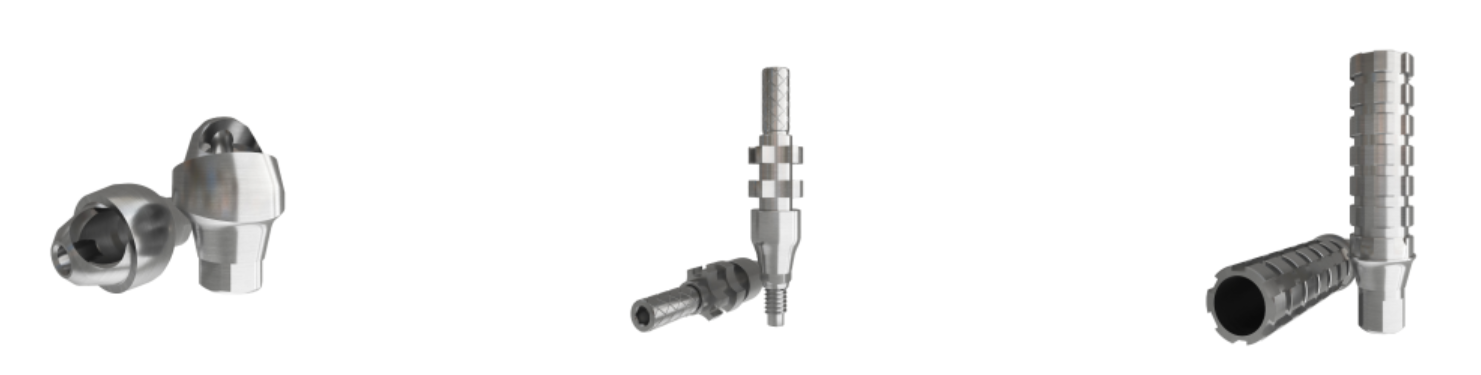
Not all inventory deserves equal attention. Advanced manufacturers segment inventory using multi-dimensional classification:
l A items: High value, tight control (e.g., premium implants)
l B items: Moderate importance
l C items: Low value, bulk management
l Fast-moving
l Slow-moving
l Non-moving
Some SKUs may be low volume but critical for surgical completeness.
Insight:
A 4.0 × 10mm implant might sell moderately, but without it, a full surgical kit becomes unusable.
Traditional forecasting fails in this industry because:
l Product lifecycles are long
l Market adoption varies by region
Combine:
l Historical sales data
l Distributor forecasts
l Sales team input
l Market expansion plans
Update forecasts monthly or quarterly instead of relying on annual planning.
Instead of fixed safety stock, use:
l Lead time variability
l Demand variability
l Service level targets
Every implant should be tracked by:
l Production batch
l Sterilization cycle
l Expiry date
This is essential for:
l Regulatory audits
l Recall management
Unlike FIFO, implant inventory must prioritize expiry:
l Always ship products closest to expiry first
l Requires real-time expiry tracking
Reorder point =
Demand during lead time + safety stock
But in practice:
l Lead times may vary due to sterilization or packaging
l Demand spikes are common
So dynamic recalculation is essential.
Implants must be stored in:
l Clean, dry conditions
l Controlled temperature (depending on packaging)
Organize inventory by:
l SKU family
l Movement frequency
Fast-moving items should be placed near picking zones.
A modern system should include:
l Barcode or QR tracking
l Real-time inventory visibility
l Integration with ERP systems
Leads to:
l Capital lock-up
l Expiry losses
Distributors often:
l Bulk order irregularly
l Shift preferences quickly
Ignoring this leads to poor forecasting.
Results in:
l Inefficient resource allocation
l Missed service-level targets

A practical system includes:
Use ABC + FSN + criticality
l A + Fast → Stock aggressively
l C + Slow → Produce on demand
Ensure full traceability
Inventory planning must reflect real market demand
Use data feedback loops
For distributors and private-label brands, the manufacturer’s inventory capability is often overlooked—but critical.
A reliable supplier should:
l Maintain stable stock of core SKUs
l Offer flexible MOQ for slow-moving items
l Ensure consistent lead times
For example, some manufacturers like RE-TECH are often referenced in industry discussions for balancing:
l Standardized stock availability
l Flexible production for customized implant lines
This hybrid capability can reduce pressure on distributors to hold excessive inventory while maintaining responsiveness.

Machine learning models are beginning to:
l Predict demand patterns
l Identify slow-moving risks early
Manufacturers manage inventory for distributors:
l Reduces distributor burden
l Strengthens partnerships
Simulation models allow:
l Testing inventory strategies before implementation
There is no universal benchmark, but:
l Fast-moving SKUs: 4–8 turns/year
l Slow-moving SKUs: 1–2 turns/year
Balance is more important than maximizing turnover.
l Implement FEFO strictly
l Reduce batch sizes for slow-moving SKUs
l Improve demand forecasting accuracy
Yes, but start lean:
l Even a lightweight system with barcode tracking can significantly improve accuracy
l Use regional warehouses
l Adjust safety stock per region
l Account for regulatory differences
In dental implants, availability wins.
A lost customer is more expensive than holding extra stock.
Inventory management for dental implants is not about minimizing stock—it is about strategic availability with controlled risk. Manufacturers that succeed in this space understand that inventory is tightly connected to clinical outcomes, distributor trust, and brand reputation.
By combining intelligent SKU segmentation, adaptive forecasting, strict traceability, and flexible production models, implant manufacturers can build a system that not only supports growth but becomes a competitive advantage.
In a market where reliability often outweighs price, the companies that deliver consistently—on time, with the right product, and full traceability—are the ones that scale globally.