![[slide:title]](/static/upload/other/20260512/1778551853592214.webp)
![[slide:title]](/static/upload/other/20260512/1778551954982306.webp)
Time:2026-04-28 Form:本站
Universal vs Proprietary Implant Systems: A Practical, Technical, and Business Perspective for Dental Professionals
In the global dental implant market, one of the most persistent technical and commercial discussions is the comparison between universal implant systems and proprietary implant systems. While the topic might appear straightforward on the surface, it actually sits at the intersection of clinical flexibility, supply chain stability, prosthetic compatibility, and long-term business strategy for clinics, distributors, and manufacturers.
For dental laboratories, implant distributors, and OEM partners, the decision is not simply about “which implant is better,” but rather about which system aligns with operational efficiency, inventory management, and cross-brand compatibility requirements.
This article provides a structured, technical breakdown of both systems, supported by real-world implications for B2B stakeholders in the dental implant supply chain. We will also explore hybrid sourcing strategies increasingly used by companies such as Ruitaike, which focuses on precision-manufactured implant components compatible with multiple system ecosystems.
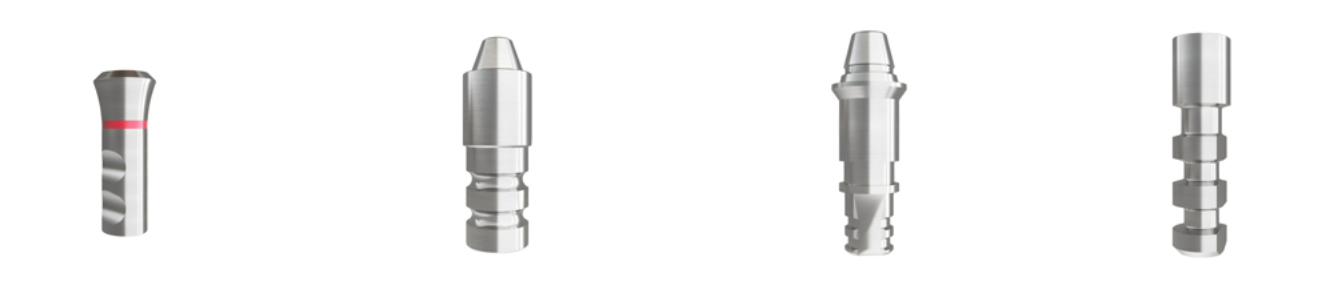
Before comparing universal and proprietary systems, it is important to understand what defines an implant system.
A dental implant system typically consists of:
l Implant fixture (root form placed in bone)
l Abutment (connector between implant and crown)
l Prosthetic components (screws, scan bodies, analogs)
l Surgical tools (drills, drivers, torque devices)
The key differentiator between systems is not the implant itself, but the connection interface—the internal or external geometry that determines prosthetic compatibility.
This interface is where the divergence between universal and proprietary systems becomes critical.
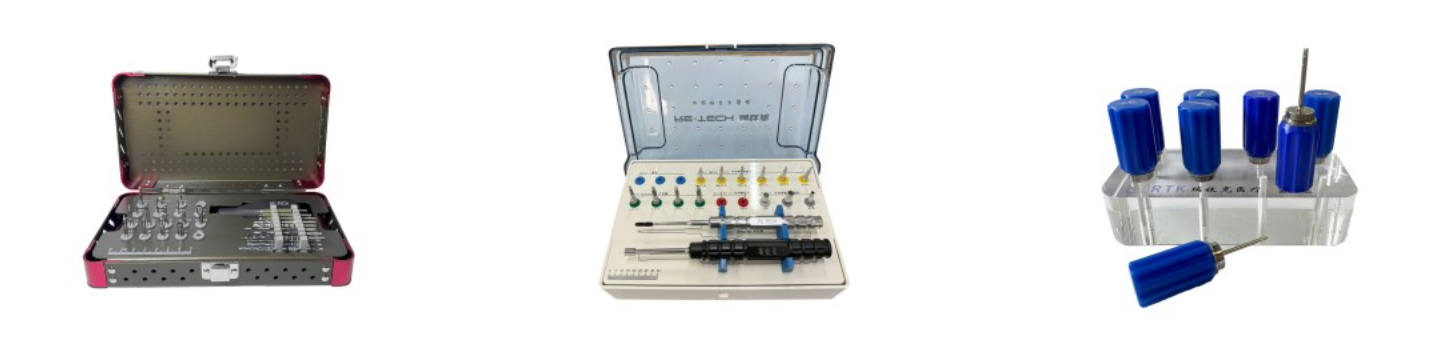
A proprietary implant system is a closed or semi-closed ecosystem developed by a specific brand. All components—implant, abutment, screws, and tools—are designed to work exclusively within that system.
l Brand-controlled connection geometry
l Limited compatibility with third-party components
l Strong clinical documentation and protocol control
l Higher dependency on original manufacturer supply chain
1. Predictable clinical performance
Proprietary systems are extensively tested as a complete system. This reduces variability.
2. Strong warranty and support structure
Manufacturers typically offer long-term warranties, clinical training, and protocol consistency.
3. Streamlined surgical workflow
Standardized kits reduce procedural uncertainty for clinicians.
1. High dependency on a single supplier
If the brand discontinues a component, clinicians may face long-term restoration challenges.
2. Higher cost structure
Proprietary systems tend to carry premium pricing due to brand positioning and R&D investment.
3. Inventory rigidity for distributors
Distributors must stock multiple SKUs for different platforms, increasing working capital requirements.
A universal implant system refers to a more open or cross-compatible system design where components can interface across multiple implant platforms, often through standardized connection geometries or adaptable prosthetic interfaces.
These systems are increasingly popular among independent labs, OEM manufacturers, and cost-sensitive distribution networks.
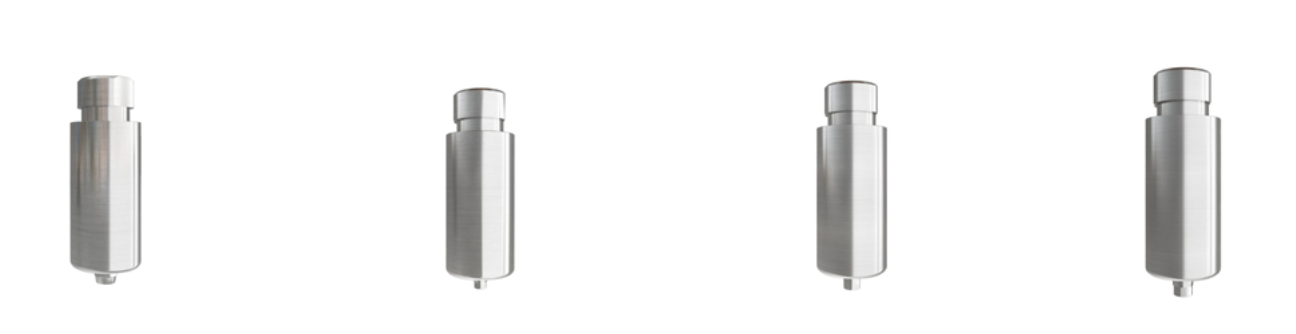
l Cross-compatible connection design (in some cases)
l Interchangeable prosthetic components
l Focus on adaptability and scalability
l Often manufactured by third-party precision factories
1. Inventory simplification
One abutment or component line may serve multiple implant platforms.
2. Cost efficiency
Reduced need for brand-specific components lowers overall system cost.
3. Flexibility for dental labs and distributors
Labs can serve multiple implant brands without duplicating inventory.
4. Faster scalability in emerging markets
Especially important in regions where multiple implant brands coexist.
1. Clinical validation variability
Not all universal systems have long-term clinical studies equivalent to major proprietary brands.
2. Compatibility precision risks
Small deviations in machining tolerance can affect fit and long-term stability.
3. Regulatory complexity
Different countries may have varying acceptance of third-party components.
Proprietary systems generally maintain tighter tolerances due to controlled manufacturing ecosystems.
Universal systems rely heavily on high-precision CNC machining and metrology control, where companies like Ruitaike specialize in producing implant-compatible titanium components with micron-level accuracy to ensure stable prosthetic fit across platforms.
l Proprietary: Limited to brand ecosystem
l Universal: Broader compatibility across multiple implant systems
For dental labs handling multi-brand cases, universal systems significantly reduce workflow complexity.
Proprietary systems depend on centralized production and distribution.
Universal systems, particularly those produced by independent manufacturers, allow:
l Multi-source procurement
l Reduced risk of supply disruption
l Faster adaptation to local demand changes
One of the most overlooked issues is implant restoration 5–10 years after placement.
Proprietary systems ensure long-term compatibility if the brand remains active.
Universal systems rely on standardization consistency across manufacturers, making supplier selection critical.
Factor | Proprietary Systems | Universal Systems |
Initial cost | High | Medium to low |
Maintenance cost | Medium | Low |
Inventory cost | High | Lower |
Training cost | Medium | Medium |
The industry is not moving purely toward universal or proprietary systems—it is moving toward hybrid ecosystems.
This means:
l Clinics use proprietary implants for primary cases
l Labs and distributors use universal components for restorations
l OEM manufacturers supply cross-compatible precision parts
Manufacturers such as RE-TECH operate within this hybrid space by producing titanium implant components that support multiple system geometries, helping distributors reduce SKU complexity while maintaining clinical compatibility.
This trend is especially strong in:
l Middle East dental markets
l Southeast Asia distribution networks
l Eastern European private dental clinics
l Latin American implant resale markets
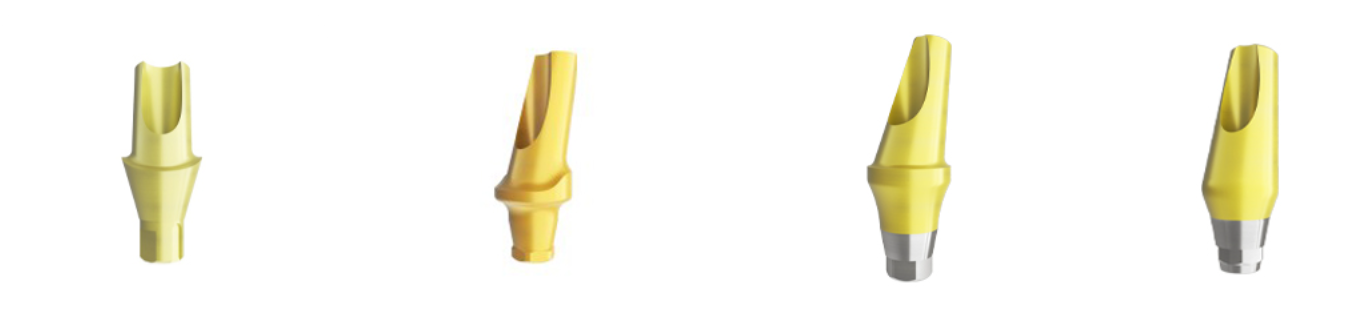
For B2B stakeholders, the decision depends less on clinical ideology and more on operational strategy.
Universal systems offer:
l Lower inventory risk
l Higher SKU consolidation
l Easier entry into multi-brand markets
Universal systems offer:
l Faster turnaround times
l Reduced dependency on brand-specific analogs
l Better workflow efficiency
Proprietary systems offer:
l Predictable surgical outcomes
l Strong brand trust
l Standardized training pathways
Not necessarily. Quality depends on manufacturing precision, not system openness.
They are clinically validated, but long-term safety also depends on maintenance availability and prosthetic access.
Many universal components are manufactured under ISO-certified environments and meet strict regulatory standards.
The next decade of implant dentistry will likely be shaped by:
l Digital workflow integration (CAD/CAM standardization)
l Open prosthetic libraries
l Cross-brand scan body compatibility
l Increased outsourcing of precision components
This shift benefits manufacturers that can maintain high-precision, multi-platform compatibility, a space where companies like RE-TECH continue to expand their production capability.
We are moving toward a model where compatibility is more valuable than exclusivity.
Yes, if manufactured under strict tolerance control and used with verified compatibility protocols. The key factor is not “universal vs proprietary,” but manufacturing precision and clinical validation.
Because proprietary systems offer standardized surgical protocols, predictable outcomes, and established brand trust built over decades.
Not always. Some cases still require brand-specific components, especially in complex restorative cases or when using closed-system implants.
The primary risk is inconsistent compatibility standards across manufacturers, which can lead to fit or torque discrepancies if sourcing is not controlled.
Most successful distributors adopt a dual strategy: proprietary systems for premium markets and universal-compatible components for cost-sensitive or multi-brand regions.
The debate between universal and proprietary implant systems is not about superiority—it is about application context, supply chain strategy, and clinical workflow design.
Proprietary systems provide structure and predictability, while universal systems offer flexibility and scalability. In modern dental implant markets, the most successful stakeholders are not those who choose one over the other, but those who understand how to strategically combine both.
As manufacturing precision continues to improve, companies like Ruitaike are helping bridge the gap between these two worlds by enabling reliable, cross-compatible implant component production that supports the evolving needs of global dental distributors and laboratories.