![[slide:title]](/static/upload/other/20260512/1778551853592214.webp)
![[slide:title]](/static/upload/other/20260512/1778551954982306.webp)
Time:2026-04-27 Form:本站
Implant Compatibility Between Different Brands: What B2B Buyers Must Know Before Making Costly Mistakes
In today’s increasingly globalized dental implant market, distributors and clinics are no longer tied to a single supplier. The rise of alternative implant systems, OEM manufacturing, and cost-sensitive procurement strategies has made cross-brand compatibility a critical — yet often misunderstood — topic.
At first glance, many implant systems appear interchangeable. Similar diameters, familiar connection types, and even shared terminology can create the illusion that components from different brands will work seamlessly together.
But in reality, implant compatibility is far more nuanced.
For B2B buyers — especially distributors and private-label brands — misunderstanding compatibility can lead to:
l Mechanical failure
l Prosthetic misfit
l Legal liability
l Loss of customer trust
This article goes beyond surface-level explanations and dives into what truly defines compatibility, how major systems differ, and how manufacturers and distributors can make smarter, lower-risk decisions.
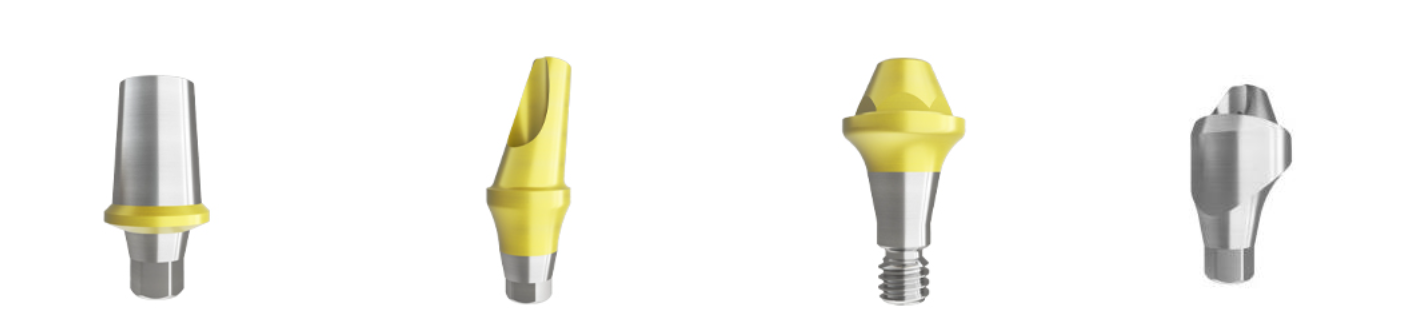
Compatibility is often reduced to a simple question:
“Can this abutment fit that implant?”
But from an engineering and clinical perspective, compatibility includes several layers:
This refers to whether components physically connect — such as an abutment fitting into an implant connection.
Even if two parts “fit,” micrometer-level differences can cause:
l Microgaps
l Screw loosening
l Bacterial leakage
True compatibility ensures long-term performance under cyclic loading (chewing forces).
Compatibility must extend to restorations — crowns, bridges, and digital workflows.
In other words:
Compatibility is not just about connection — it’s about performance over time.
Many systems use widely recognized connections such as:
l Internal hex
l External hex
l Conical (Morse taper)
However, even within the same category, design variations are significant:
l Different taper angles (e.g., 8°, 11°, 16°)
l Platform switching differences
l Screw thread geometry
l Depth tolerances
Two implants labeled “internal hex” can still be completely incompatible in practice.
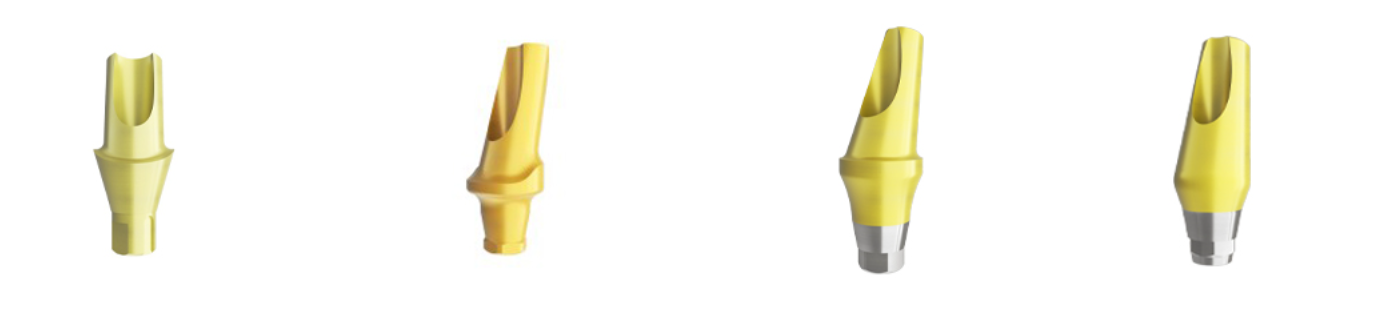
Major implant brands intentionally design closed ecosystems:
l Unique connection geometries
l Patented interfaces
l Exclusive prosthetic components
This is not just technical — it’s a business strategy to maintain customer lock-in.
Even when a system is marketed as “compatible with X brand,” performance depends on:
l CNC precision
l Surface finishing
l Quality control consistency
A deviation of just a few microns can affect:
l Torque stability
l Fatigue resistance
l Long-term success rates
This is where many low-cost alternatives fail — not in design, but in execution.
l Fully matched components
l Highest reliability
l Highest cost
l Designed to fit major systems
l Cost-effective
l Quality varies widely
l Based on popular implant geometries
l May lack precision
l Higher risk in long-term use
Some newer manufacturers are moving toward controlled compatibility, offering:
l Standardized interfaces
l Verified cross-brand performance
l Transparent specifications
This is where more agile manufacturers — including companies like RE-TECH — are beginning to differentiate themselves by balancing precision manufacturing with flexible compatibility strategies.
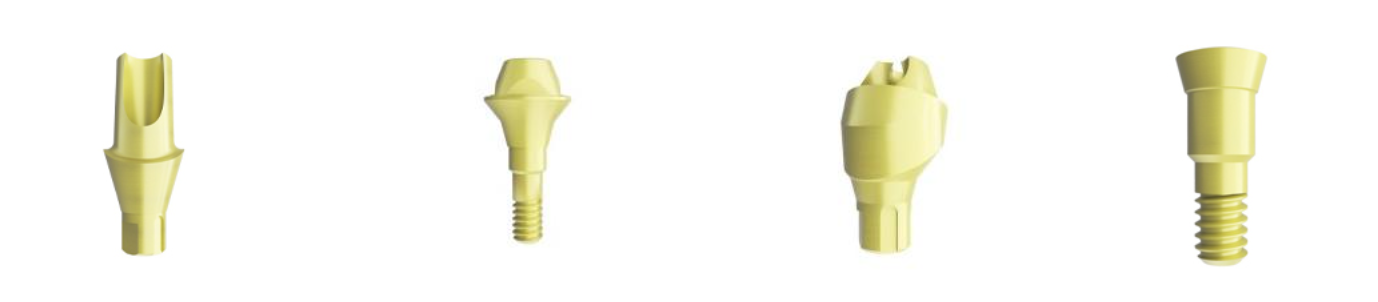
Poor compatibility can create microscopic gaps between components, leading to:
l Bacterial colonization
l Peri-implantitis risk
Differences in:
l Screw design
l Torque requirements
l Thread pitch
can cause instability under repeated loading.
Even slight deviations affect:
l Occlusion
l Aesthetic outcomes
l Patient comfort
Mixing brands often:
l Voids manufacturer warranties
l Transfers liability to the clinician or distributor
For distributors, this becomes a serious commercial risk.
Despite the risks, compatibility is not inherently bad. In fact, it can be strategically beneficial when managed correctly.
Distributors can reduce SKU complexity by offering compatible components across systems.
Clinics may prefer lower-cost alternatives for certain cases without sacrificing core performance.
Private-label brands can enter markets faster by leveraging compatible systems.
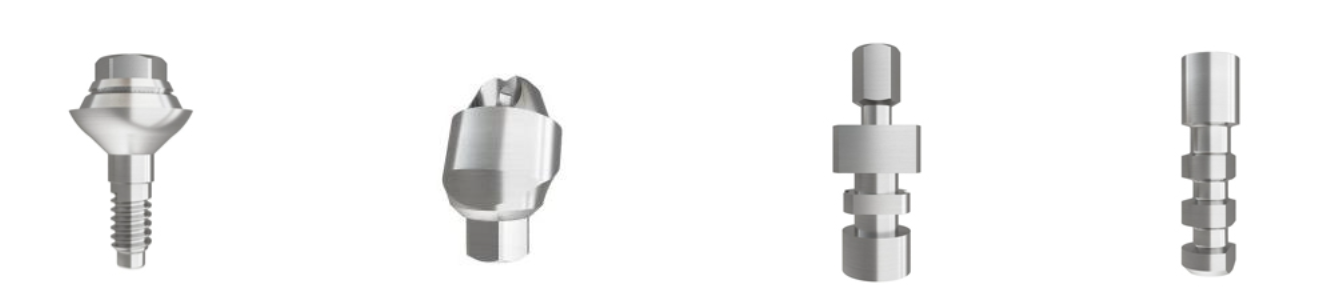
For B2B buyers, here is a structured approach:
Do not rely on general labels like “internal hex.” Request:
l Technical drawings
l Connection dimensions
l Tolerance ranges
Ask suppliers about:
l CNC equipment used
l Inspection processes
l Tolerance control (±μm)
Look for:
l Fatigue testing
l Torque stability
l Cyclic loading performance
Before scaling:
l Test in limited clinical cases
l Evaluate long-term stability
Reliable manufacturers provide:
l Full technical documentation
l Clear compatibility claims
l No exaggerated marketing
This is often where experienced OEM-focused manufacturers — including some emerging suppliers like RE-TECH — stand out, as they tend to prioritize engineering clarity over branding narratives.
The dental implant industry is slowly shifting toward:
l Digital workflows
l CAD/CAM integration
l Guided surgery systems
This creates pressure for greater standardization.
However, full standardization is unlikely due to:
l Brand competition
l Intellectual property protection
l Clinical preferences
Instead, we are seeing a hybrid model:
l Core proprietary systems
l Selectively compatible prosthetic components
For B2B players, this means:
Strategic compatibility will become a competitive advantage — not just a cost decision.
Manufacturers with strong machining capabilities are gaining trust globally.
Buyers increasingly demand measurable data, not just claims.
More distributors are launching their own implant lines using compatible systems.
Buyers are reducing dependence on a single country or brand.
Not necessarily. Even if the connection type is the same, dimensional differences and tolerances can make them incompatible in practice.
It can be — if the manufacturer maintains high precision and validated testing. The risk depends more on manufacturing quality than on the concept itself.
Major brands invest heavily in:
l R&D
l Clinical trials
l Marketing and distribution
This cost is reflected in pricing — not always in proportional performance gains.
Focus on:
l Technical verification
l Supplier audits
l Pilot testing before large-scale purchasing
Yes — when managed correctly. It allows:
l Lower procurement costs
l Broader product offerings
l Better market positioning
But poor compatibility decisions can quickly erase these gains.
Implant compatibility between different brands is not a simple yes-or-no question. It exists on a spectrum — from perfectly engineered systems to risky approximations.
For B2B buyers, the key is to move beyond marketing language and focus on:
l Engineering precision
l Verified performance
l Long-term reliability
In a market where cost pressure is increasing but clinical expectations remain high, the winners will be those who can balance compatibility, quality, and trust.
Manufacturers that quietly invest in precision — rather than just branding — are becoming increasingly relevant partners in this space. And for distributors looking to build sustainable growth, choosing such partners may be one of the most important decisions they make.