![[slide:title]](/static/upload/other/20260512/1778551853592214.webp)
![[slide:title]](/static/upload/other/20260512/1778551954982306.webp)
Time:2026-05-26 Form:本站
Shipping Dental Implants Internationally: A Practical Guide for Distributors, Clinics, and OEM Buyers
International shipping is one of the most important but often underestimated parts of the dental implant supply chain. For distributors, clinics, laboratories, and OEM buyers, receiving implants on time is not only a logistics issue. It also affects inventory planning, clinical schedules, regulatory compliance, and customer trust.
Unlike ordinary industrial products, dental implants are medical devices. This means international shipment usually involves more than packing goods into a box and booking air freight. Importers may need to prepare product registration documents, invoices, certificates, labeling information, lot traceability records, and customs declarations before the goods can enter the destination country. In the United States, for example, FDA-regulated medical devices are checked against applicable import requirements when they are imported or offered for import. In the European Union, medical device economic operators also have defined responsibilities to ensure devices remain safe, effective, and traceable through the supply chain.
For buyers working with overseas manufacturers, the key question is not only
“How fast can you ship?”
but also
“Can the supplier support compliant, stable, and traceable international delivery?”
Dental implants are small, high-value, precision medical devices. Their shipment looks simple from the outside, but the requirements are more sensitive than general dental consumables.
A dental implant shipment may involve:
l Sterile or non-sterile product packaging
l Implant model, diameter, length, and platform identification
l Lot number and traceability information
l Instructions for use or labeling requirements
l Commercial invoice and packing list
l Country-specific import documents
l Distributor or importer registration requirements
l Customs HS code classification
l Storage and handling protection during transport
For example, the FDA states that dental implant systems marketed in the United States must first demonstrate that they are as safe and effective as legally marketed dental implant systems. This does not mean every shipment is automatically complicated, but it does mean importers and manufacturers should not treat dental implants as ordinary metal parts.
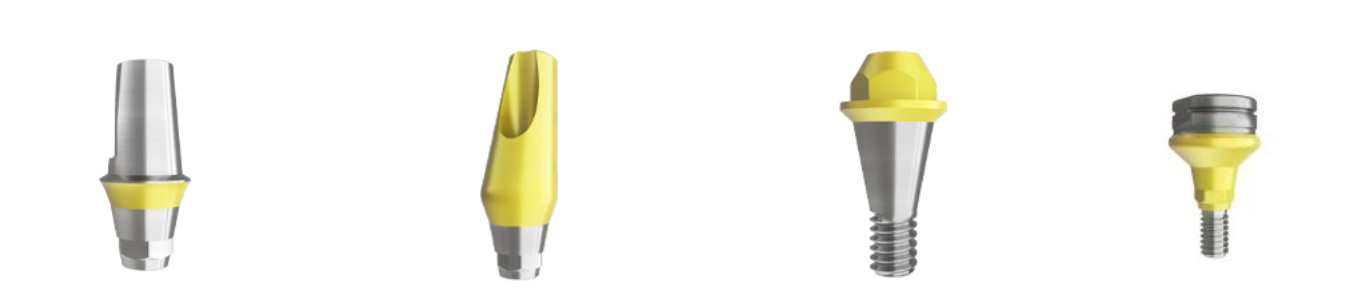
For small orders, samples, urgent replenishment, or trial cooperation, express courier is often the most practical choice. Common advantages include fast delivery, door-to-door service, tracking updates, and easier handling for small parcels.
This method is suitable for:
l Sample orders
l Initial distributor testing
l Small quantity implant systems
l Urgent replacement components
l Abutments, scan bodies, healing caps, or prosthetic parts
However, express shipping does not remove regulatory responsibility. Customs may still request invoices, product descriptions, certificates, or importer information.
Air freight is commonly used when the order quantity is larger than a parcel shipment but still requires fast delivery. It may be more cost-effective than courier for larger distributor orders.
Air freight is suitable for:
l Distributor stock replenishment
l Multi-model implant orders
l Regular B2B supply
l Mixed implant and prosthetic component shipments
The buyer usually needs a customs broker or freight forwarder to handle import clearance.
Sea freight is less common for dental implants because implants are small, lightweight, and high-value. However, it may be used when shipping large mixed orders, display kits, instruments, packaging materials, or bulk OEM products.
Sea freight is usually slower and requires stronger planning, especially when buyers need stable stock for clinics or regional distributors.
The exact documents depend on the destination country, importer status, and product type. However, most international shipments require a basic document set.
The commercial invoice should clearly describe the product. Avoid vague descriptions such as “metal parts” or “dental accessories” when the product is actually a dental implant. A better description may include:
Dental implant fixture, titanium, sterile/non-sterile, model/specification, quantity, unit value
The invoice should match the packing list and shipping label.
The packing list should include carton quantity, net weight, gross weight, dimensions, product models, and quantity per carton. For dental implants, model accuracy is important because distributors may need to match received stock with their internal inventory system.
Some importers may request a certificate of origin for customs clearance, tariff treatment, or internal purchasing records.
Depending on the market, buyers may request:
l ISO 13485 certificate
l CE-related documents
l FDA-related information
l Declaration of conformity
l Sterilization information
l Material information
l Lot traceability records
l Product catalog and instructions for use
For EU markets, importers and distributors have traceability and verification responsibilities under MDR-related guidance.
This is the basic transport document for courier or air freight shipment. It should match the consignee and invoice details.
Dental implant products are commonly classified under Chapter 90 medical or dental appliance categories, but the exact HS code can vary by country and product type. The World Customs Organization’s Harmonized System provides the international six-digit foundation, while many countries extend the code to more digits for local tariff and customs purposes.
For example, a U.S. Customs ruling classified certain dental screws under HTSUS 9021.21.8000. However, importers should not copy one code blindly for every country or every product. Fixtures, abutments, instruments, surgical kits, scan bodies, and prosthetic components may be treated differently depending on the destination customs authority.
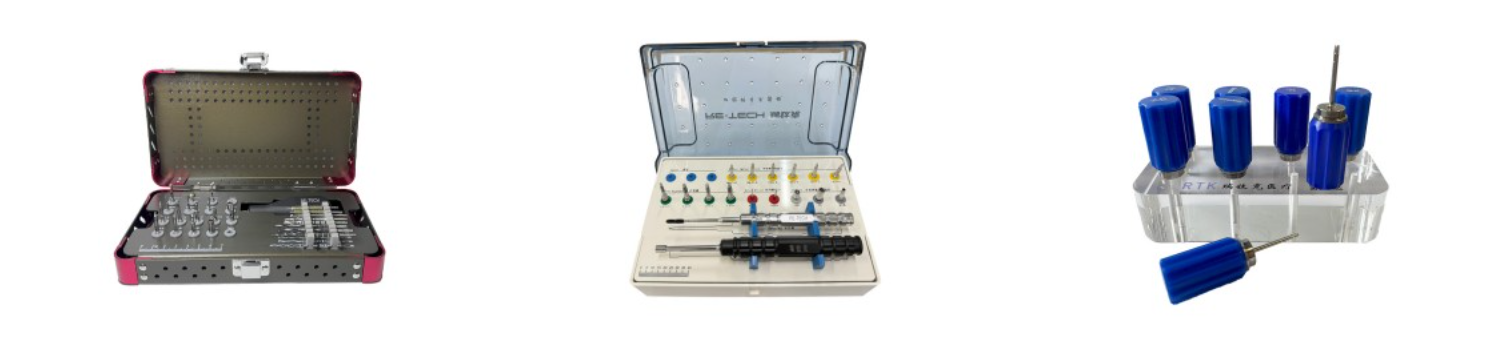
A practical approach is:
1. Confirm the exact product type.
2. Confirm whether it is an implant, prosthetic component, surgical instrument, or accessory.
3. Ask the buyer’s customs broker to verify the local HS code.
4. Ensure the commercial invoice product description matches the declared code.
Incorrect HS classification can delay customs clearance or create tariff disputes.
Packaging is not only about preventing physical damage. For dental implants, packaging also supports product identification, sterility protection, inventory control, and buyer confidence.
Good export packaging should protect against:
l Compression during transport
l Moisture exposure
l Label abrasion
l Carton deformation
l Product mixing
l Lot number confusion
For sterile implant products, the primary packaging must remain intact. Any outer carton or export packing method should avoid damaging the sterile barrier system. Even if the product is small, careless packing can create serious problems if labels become unreadable or boxes are crushed during delivery.
A reliable supplier should check product model, lot number, quantity, and packaging condition before shipment.
Most titanium dental implants are not temperature-sensitive in the same way as biological products or pharmaceuticals. However, this does not mean storage and shipping conditions can be ignored.
The shipment should still avoid:
l Excessive moisture
l Direct exposure to contamination
l Crushed cartons
l Uncontrolled warehouse damage
l Mixed storage with chemicals or corrosive materials
For sterile products, packaging integrity is more important than the implant material itself. A titanium implant may remain physically stable, but damaged sterile packaging can affect whether the product is acceptable for clinical use.
International dental implant shipments may be delayed for several reasons.
If the invoice only says “dental parts” or “metal screw,” customs may request clarification. A precise description reduces misunderstandings.
In some countries, medical devices must be registered before import. The overseas manufacturer cannot always solve this alone because the local importer may need to hold the registration or import qualification.
If the invoice quantity, packing list, and airway bill do not match, customs clearance may be delayed.
Medical device shipments often require a registered importer, not just an individual contact person. Buyers should confirm the correct consignee before shipment.
Dental implants are small but high-value. If the declared value looks too low or inconsistent, customs may ask for proof of transaction value.
Distributors may need lot numbers and model information for their own records. Missing traceability data can create problems after arrival.
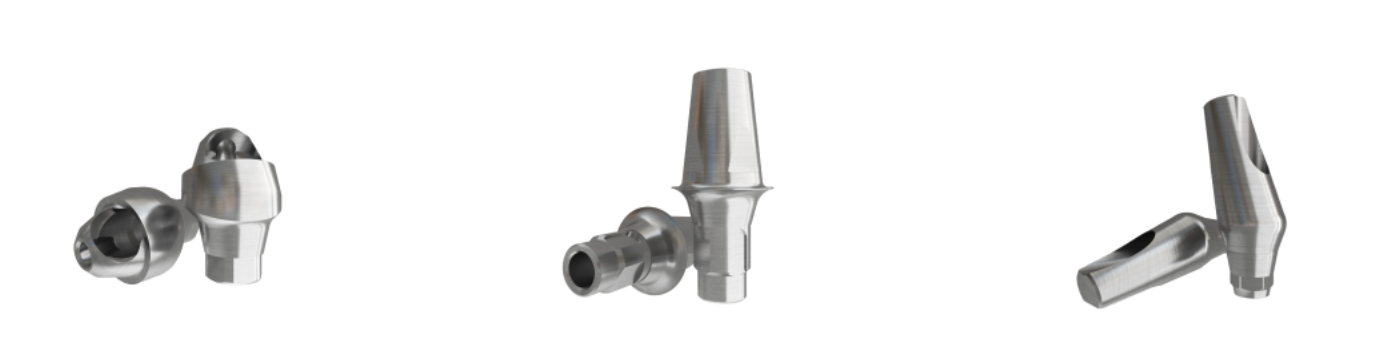
Before placing an international dental implant order, buyers should confirm the following points with the supplier:
l Product model and compatibility system
l Diameter, length, platform, and connection type
l Sterile or non-sterile supply
l Quantity per model
l Labeling language requirements
l Required certificates
l Invoice value and currency
l HS code recommendation
l Consignee and importer details
l Preferred shipping method
l Whether customs broker information is needed
l Expected lead time before dispatch
For distributors, it is also useful to share local import requirements with the manufacturer in advance. This helps avoid repeated document revisions after the shipment has already been arranged.
A reliable dental implant manufacturer should support international buyers in three ways.
First, the manufacturer should prepare accurate export documents. This includes invoice, packing list, product description, and available certificates.
Second, the manufacturer should maintain traceability. Dental implant buyers need to know which lot was shipped, which models were included, and whether the packaging matches the order.
Third, the manufacturer should communicate clearly before shipment. Many delays happen not because the goods are difficult to ship, but because the buyer and supplier did not confirm documents early enough.
At RE-TECH, international shipping support is connected with production, inspection, packaging, and documentation. This helps distributors reduce uncertainty when purchasing implant systems from overseas.
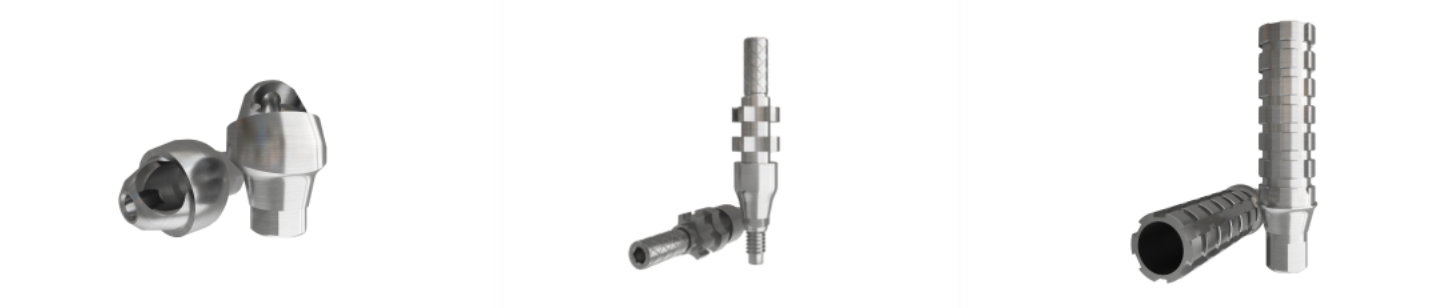
There is no single best shipping method. The right option depends on order size, urgency, destination, and customs process.
For samples or small urgent orders, courier is often easier. For larger distributor orders, air freight may provide better cost control. For very large mixed shipments, sea freight may be considered, although it is less common for implant-only orders.
A simple comparison:
Shipping Method | Best For | Advantages | Limitations |
Express Courier | Samples, small orders, urgent replenishment | Fast, easy tracking, door-to-door | Higher cost per kg, customs still required |
Air Freight | Medium to large distributor orders | Faster than sea freight, better for stock replenishment | Requires broker support |
Sea Freight | Large mixed shipments | Lower cost for bulk cargo | Slow, less suitable for urgent implants |
Shipping OEM or private label dental implants can be more complex than shipping standard catalog products. Buyers may require customized labels, packaging design, brand information, IFU documents, or country-specific product names.
Before shipment, OEM buyers should confirm:
l Whether the product label matches local registration
l Whether the brand name and manufacturer information are correct
l Whether the packaging artwork has been approved
l Whether the model numbers match the purchase order
l Whether the IFU language is acceptable in the destination market
l Whether the outer carton information matches the customs documents
For OEM cooperation, small errors in labeling can create bigger problems than delays in transportation. Therefore, packaging confirmation should happen before mass production, not only before shipment.
For distributors, international shipping should be managed as part of supply chain planning.
A distributor should not wait until stock is almost finished before placing an order. Dental implants often include many SKUs, and some sizes may move faster than others. If the distributor only reacts after stock runs out, shipping delays can affect clinic supply.
Recommended practices include:
l Maintain safety stock for popular implant sizes
l Forecast demand by diameter, length, and platform
l Confirm documentation requirements before the first shipment
l Work with a customs broker familiar with medical devices
l Keep lot records after receiving goods
l Check packaging condition immediately after arrival
l Report any shipment damage to the supplier quickly
Stable international delivery depends on both sides: the manufacturer must prepare properly, and the importer must understand local clearance requirements.
Yes, dental implants can often be shipped by international courier, especially for samples or small orders. However, customs and medical device import requirements may still apply depending on the destination country.
Yes. Dental implants are generally treated as medical devices, not ordinary metal products. This affects documentation, labeling, import clearance, and regulatory expectations.
Common documents include commercial invoice, packing list, airway bill, certificate of origin, product certificates, and quality or regulatory documents requested by the importer.
Most titanium dental implants do not require cold-chain shipping, but packaging integrity, moisture protection, cleanliness, and label protection are important.
Usually, the importer or buyer is responsible for customs clearance in the destination country. The manufacturer can provide export documents and product information, but local import qualification often depends on the buyer.
Not always. Fixtures, abutments, surgical tools, scan bodies, and prosthetic parts may have different classifications depending on the country. Buyers should verify the HS code with their customs broker.
Distributors should confirm product models, quantities, certificates, consignee details, invoice information, shipping method, HS code, and any local import requirements.
Shipping dental implants internationally requires more than fast delivery. It requires accurate documentation, careful packaging, product traceability, customs awareness, and clear communication between the manufacturer and importer.
For distributors and clinics, choosing a supplier with export experience can reduce delays and improve supply stability. For OEM buyers, packaging, labeling, and documentation control are especially important because small mistakes can affect market access and customer trust.
RE-TECH — Trusted Implant Solutions supports international buyers with dental implant systems, prosthetic components, OEM cooperation, and export documentation coordination, helping partners build a more stable and reliable implant supply chain.