![[slide:title]](/static/upload/other/20260512/1778551853592214.webp)
![[slide:title]](/static/upload/other/20260512/1778551954982306.webp)
Time:2026-05-27 Form:本站
CNC Machining in Implant Manufacturing: How Precision Engineering Shapes Dental Implant Quality
CNC machining is one of the most important manufacturing processes behind modern dental implants. Although patients usually see only the final implant system — fixture, abutment, screw, healing component, scan body, or prosthetic connection — the real quality of these components is shaped much earlier, during material selection, machining strategy, dimensional control, surface preparation, cleaning, inspection, and traceability.
For dental implant manufacturers, distributors, laboratories, and OEM buyers, CNC machining is not simply about “cutting titanium.” It determines whether an implant thread fits the bone preparation protocol, whether the internal connection remains stable under repeated loading, whether prosthetic components seat accurately, and whether batch-to-batch consistency can be maintained at commercial scale.
Most dental implant systems are made from titanium, titanium alloys, or zirconia-based materials, and international standards such as ISO and ASTM are commonly used to define material safety and performance expectations. The FDA also notes that dental implant systems are typically made from materials following international consensus standards. For metal implant systems, CNC machining is especially critical because titanium is strong, biocompatible, and corrosion-resistant, but it is also demanding to machine correctly.
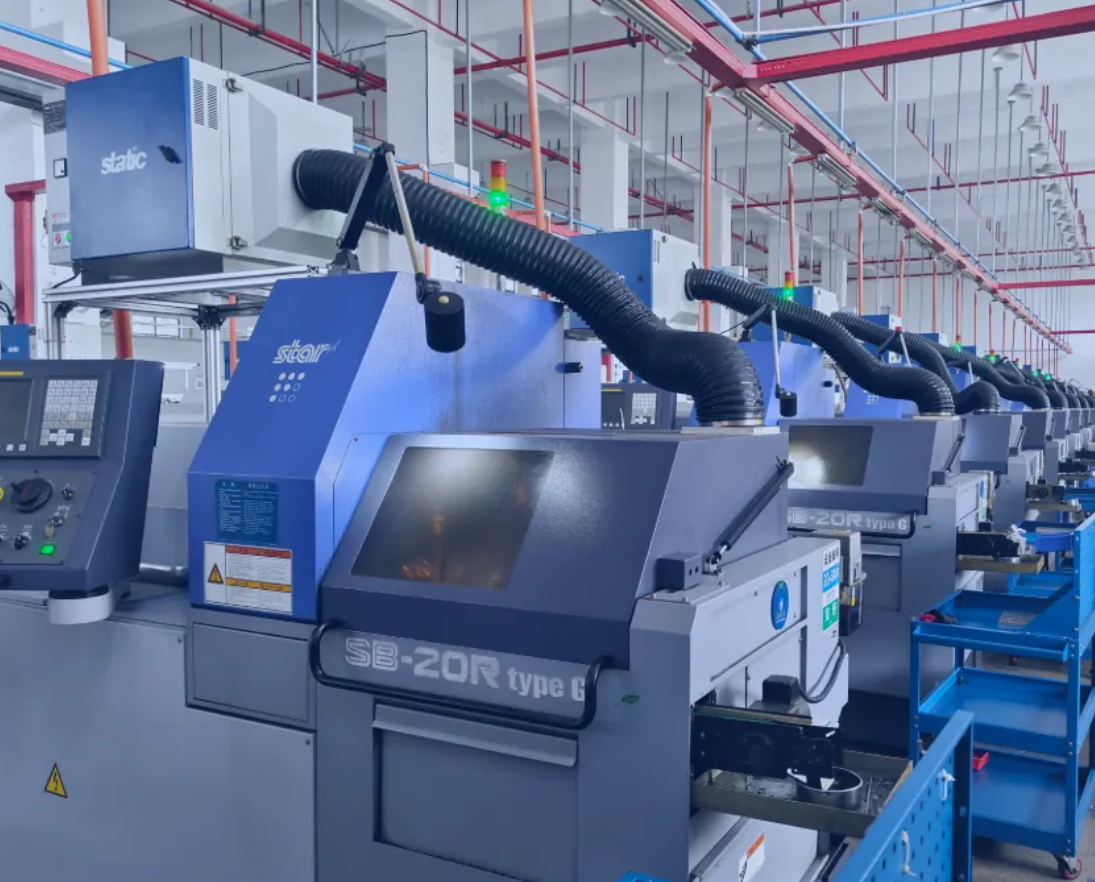
CNC stands for Computer Numerical Control. In implant manufacturing, it refers to using computer-controlled machines to remove material from titanium bars, discs, or blanks and shape them into highly precise implant components.
Unlike manual machining, CNC machining follows programmed tool paths. These programs control spindle speed, feed rate, cutting depth, tool movement, coolant strategy, and machining sequence. This allows manufacturers to repeatedly produce complex implant geometries with high consistency.
In dental implant production, CNC machining is used for:
l Laboratory analogs
l Prosthetic screws
l Custom implant-related components
The goal is not only to create the correct shape. The goal is to achieve a controlled relationship between geometry, surface, tolerance, strength, cleanliness, and traceability.
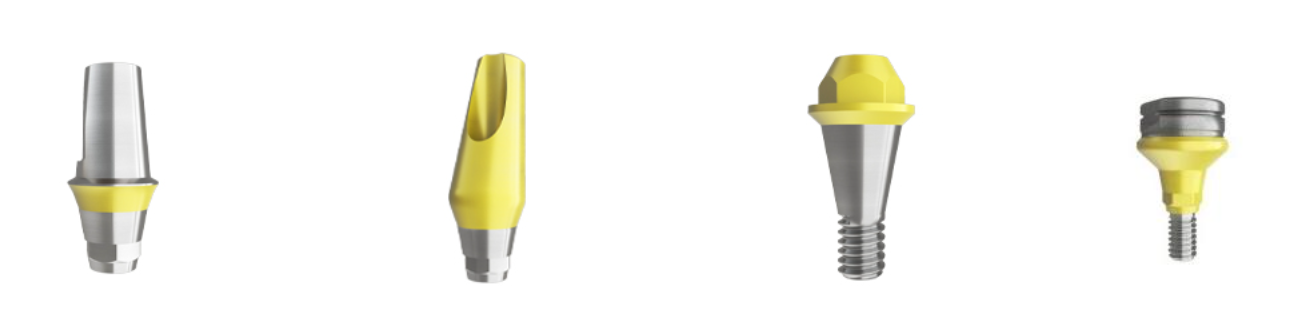
Dental implants are small components, but they carry complex mechanical and biological responsibilities. A small dimensional error can affect insertion torque, implant-abutment fit, screw stability, prosthetic seating, or long-term mechanical performance.
For example, the external thread of an implant is not just a spiral shape. It affects primary stability, bone engagement, insertion behavior, and compatibility with the surgical drilling protocol. The internal connection is equally important because it influences anti-rotation performance, prosthetic accuracy, and micro-movement between implant and abutment.
CNC machining helps control these areas because it can produce repeatable micro-geometry. For B2B buyers, this is especially important. A distributor or private-label implant brand does not only need a good first sample. It needs the same geometry, tolerance, and quality across future batches.
Dental implant components can involve several manufacturing technologies, but CNC machining remains one of the core methods for precision metal implant parts.
Casting is useful in many industries, but it is generally not suitable for precision implant fixtures requiring tight tolerances, clean internal geometry, and controlled thread profiles. Casting may introduce porosity, shrinkage, and dimensional variation. For implant systems, where connection accuracy and mechanical consistency are critical, CNC machining offers better control.
Additive manufacturing has become more important in medical devices, especially for porous structures and custom orthopedic implants. However, many dental implant fixtures and prosthetic components still require CNC finishing or full CNC production because implant connections, screws, mating surfaces, and threads demand very precise dimensional control.
3D printing can create complex shapes, while CNC machining creates precise functional interfaces. In many advanced manufacturing workflows, the two technologies are not competitors; they are complementary.
Manual machining depends heavily on operator skill and is difficult to scale consistently. CNC machining allows the manufacturer to standardize programs, repeat tool paths, monitor production, and reduce human variation. For implant production, this consistency is essential.
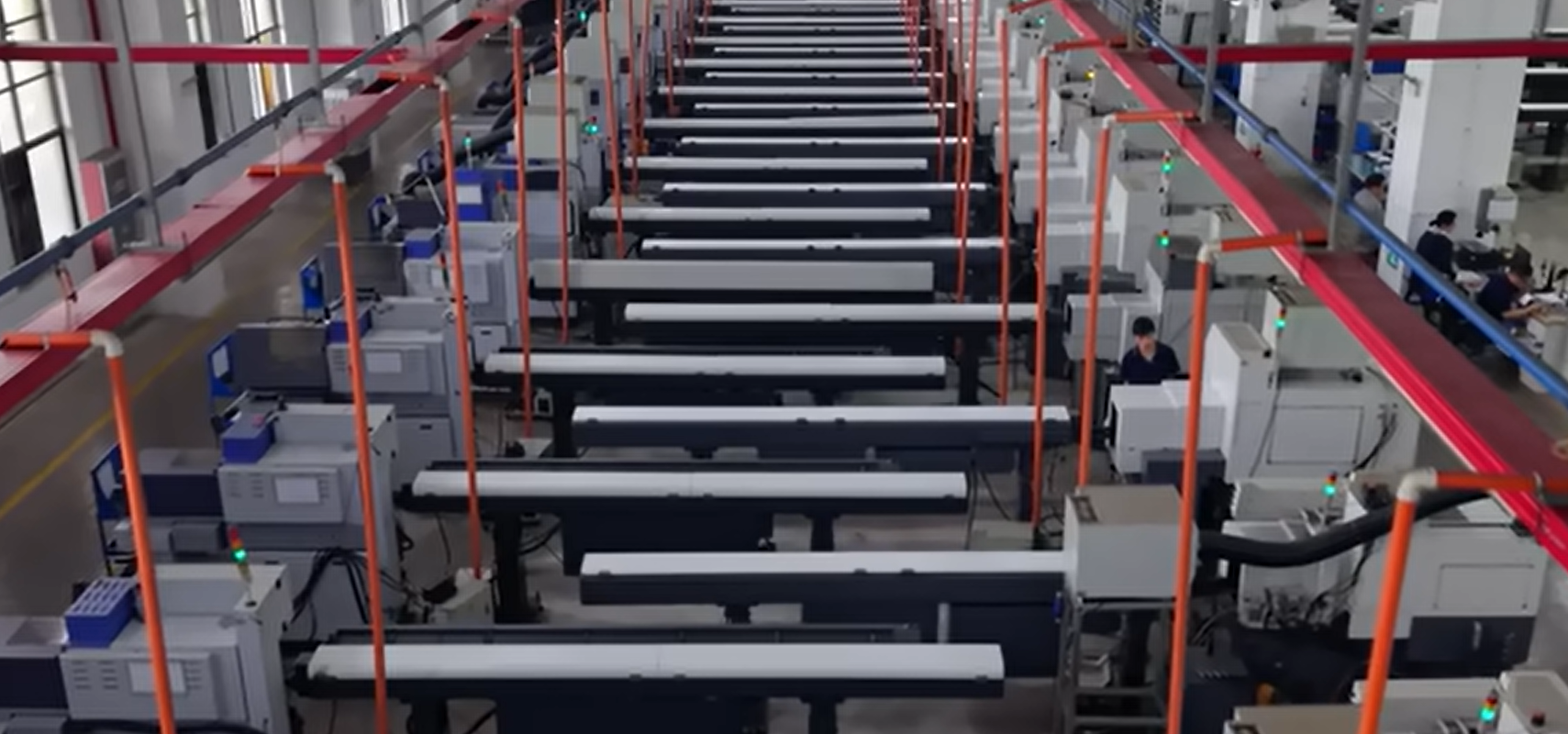
A professional implant machining workflow usually includes several stages. Each stage affects the final result.
The process begins with certified raw material. Common implant materials include commercially pure titanium and titanium alloys such as Ti-6Al-4V or Ti-6Al-4V ELI, depending on the product type and regulatory requirements. ISO 5832-3, for example, specifies characteristics and test methods for wrought Ti-6Al-4V alloy used in surgical implant manufacturing.
Before machining, manufacturers should verify material grade, heat number, chemical composition, mechanical properties, and supplier documentation. In implant manufacturing, traceability is not optional. If a quality issue appears later, the manufacturer must be able to trace the component back to the original raw material batch.
Titanium bars or rods are cut into suitable lengths before machining. The blank size must allow enough material for clamping, turning, milling, threading, and finishing. Poor blank preparation can create vibration, unstable cutting, or material waste.
For small implant components, even the way the material is held during machining matters. Improper clamping may deform thin sections or cause concentricity problems.
CNC turning is widely used for cylindrical implant components. It shapes the outer diameter, implant body, collar, taper, thread base, and other rotational features.
Implant fixtures are often produced on Swiss-type CNC lathes or high-precision turning centers because these machines are suitable for small, slender, high-precision parts. The turning process must manage titanium’s tendency to generate heat and tool wear. Cutting speed, coolant, tool coating, and chip control all influence the result.
The implant thread is one of the most recognizable features of a dental implant. It may be produced by thread turning, thread milling, or specialized cutting strategies.
Good thread machining must control:
l Thread depth
l Pitch
l Flank angle
l Crest and root geometry
l Surface finish
l Burr formation
l Consistency along the implant body
Thread quality affects insertion feel, primary stability, and the way the implant interacts with bone preparation. For manufacturers serving OEM or private-label customers, thread design also needs to match the intended surgical kit and clinical protocol.
The internal connection may be hex, conical, Morse taper, internal octagon, trilobe, or another proprietary design. This area requires extremely careful machining because the connection controls the fit between implant and abutment.
If the connection is too loose, micro-movement may occur. If it is too tight, assembly may become difficult or inconsistent. If the angle, depth, or anti-rotation geometry is not stable across batches, prosthetic compatibility becomes unreliable.
This is where CNC machining capability directly affects the commercial success of an implant system. Distributors may focus on price at first, but dentists and laboratories quickly notice whether abutments seat smoothly and screws tighten predictably.
Some components require milling operations, cross-holes, slots, indexing features, or non-round surfaces. Abutments, scan bodies, and multi-unit components often require both turning and milling.
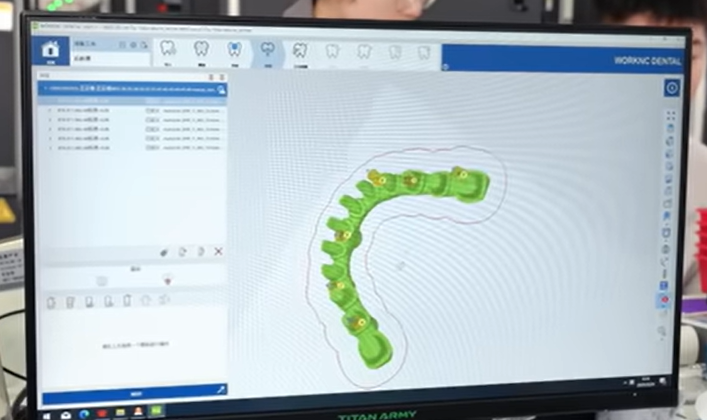
For scan bodies, CNC machining must achieve accurate geometry for digital recognition. A scan body is not simply a small metal or PEEK part; its surfaces must be readable by intraoral scanners and must correctly transfer implant position to CAD software.
After machining, burrs must be removed carefully. Burrs around threads, screw channels, internal connections, or prosthetic interfaces can cause serious fit problems.
However, deburring cannot be aggressive. If too much material is removed, the part may fall outside tolerance. Implant manufacturing requires controlled deburring, not casual polishing.
For implant fixtures, surface treatment may include blasting, acid etching, SLA-type treatments, anodizing, or other controlled processes depending on the product design. CNC machining creates the base geometry, while surface treatment modifies the implant surface to support biological performance.
For abutments and prosthetic components, the surface goal may be different. These parts often require smoother surfaces, controlled polishing, or specific aesthetic and cleaning requirements.
Titanium implants must be cleaned to remove machining oil, particles, residues, and contaminants. Cleaning may involve ultrasonic cleaning, purified water, validated detergents, drying, and controlled packaging environments.
The FDA’s quality system requirements apply to methods, facilities, and controls used in the design, manufacture, packaging, labeling, storage, installation, and servicing of finished medical devices. For implant manufacturers, this means machining cannot be separated from the broader quality system.
Inspection confirms whether machined parts meet specifications. Common inspection tools include:
l CMM
l Optical measurement systems
l Thread gauges
l Pin gauges
l Micrometers
l Surface roughness testers
l Profile projectors
l Torque and fit testing fixtures
For implant systems, inspection should not only check simple dimensions. It should also confirm functional fit between matching components, such as implant-abutment connection, screw seating, and compatibility with prosthetic parts.
Titanium has excellent strength and corrosion resistance, but it is not an easy material to cut. It has low thermal conductivity, meaning heat tends to remain near the cutting zone. This can increase tool wear and affect surface quality.
Manufacturers must use suitable tools, stable cutting parameters, sharp inserts, proper coolant delivery, and controlled machining strategies. Poor machining can lead to burrs, rough surfaces, dimensional drift, or inconsistent thread quality.
Dental implant components are small, but their geometry is complex. A small vibration, tool offset error, or worn insert can affect the final part. That is why implant machining requires process monitoring, tool life control, and frequent inspection.
External diameters and threads are visible and easier to inspect. Internal connections, screw channels, and deep features are more challenging. Yet these hidden areas often determine whether the final system works properly.
Many B2B buyers care about compatibility with existing implant systems. Compatibility is not only a drawing issue. It depends on repeatable machining, accurate tolerances, and strict inspection. If the first batch fits but the second batch varies, the supplier cannot support a serious distribution business.
For distributors, private-label brands, and dental companies, selecting a CNC implant manufacturing partner should involve more than asking for the lowest unit price.
A reliable supplier should be able to explain:
1. What materials are used and how they are traced
2. What machines are used for different components
3. How implant threads and connections are controlled
4. How tolerances are measured
5. How burrs and surface defects are prevented
6. How batch consistency is maintained
7. Whether OEM or private-label specifications can be supported
8. Whether inspection records and material certificates are available
9. How packaging and labeling are controlled
10. How design changes are documented
ISO 13485 is the internationally recognized quality management system standard for medical devices, including organizations involved in the design and manufacture of medical devices. While certification alone does not guarantee a perfect product, it provides an important framework for process control, documentation, corrective actions, and traceability.
For OEM dental implant projects, CNC machining capability is often the foundation of product development. A buyer may request a custom implant design, compatible prosthetic line, modified abutment geometry, or private-label system. In each case, the manufacturer must translate design requirements into stable production.
This requires cooperation between engineering, production, quality control, and the customer. A good OEM process usually includes drawing review, material confirmation, prototype machining, sample inspection, fit testing, surface evaluation, packaging discussion, and batch production planning.
This is also where manufacturers such as RE-TECH can be naturally evaluated by B2B buyers: not only by whether they can machine implant components, but by whether they understand compatibility, batch repeatability, OEM documentation, and the practical needs of distributors building a long-term implant product line.
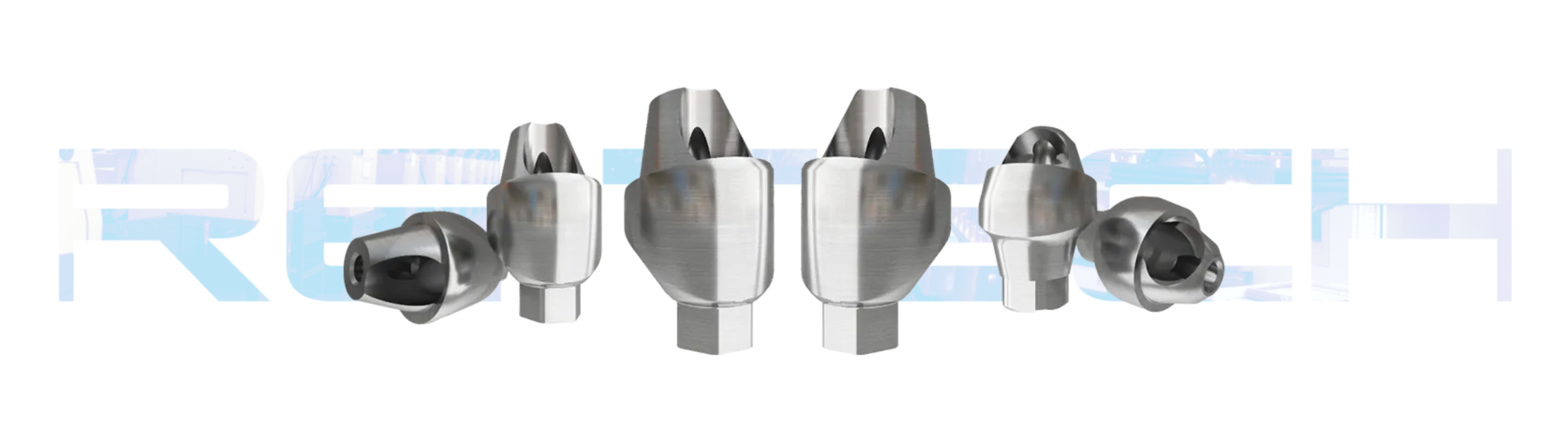
CNC machining does not act alone, but it influences several key performance areas.
Implant-abutment fit depends on internal connection geometry, screw channel alignment, mating surface flatness, and dimensional consistency. CNC errors can lead to rocking, incomplete seating, or uneven load transfer.
Sharp internal corners, tool marks, or poor thread roots can create stress concentration. Proper machining design helps reduce weak points and supports better mechanical reliability.
The implant thread, apex design, cutting flute, and driver connection influence how the implant feels during placement. A well-machined implant should insert smoothly according to its intended protocol.
For restorative components, CNC machining affects laboratory handling, digital workflow accuracy, screw access, crown seating, and final restoration stability.
For distributors, machining consistency becomes brand reputation. Dentists may not know the CNC process behind the product, but they will notice fit, torque behavior, packaging consistency, and component reliability.
The fixture is the main implant body placed into bone. It requires precise external threads, internal connection geometry, surface preparation, and clean packaging.
Abutments connect the implant to the prosthetic restoration. They may be straight, angled, temporary, cement-retained, screw-retained, or customized.
Healing abutments shape soft tissue during healing. They require accurate connection geometry and smooth external surfaces.
Cover screws protect the implant connection during healing. Although small, they must fit reliably and avoid thread damage.
Multi-unit abutments support full-arch and screw-retained restorations. Their angle, connection, and screw interface must be consistent.
Scan bodies transfer implant position into digital workflows. CNC accuracy directly affects digital impression accuracy and prosthetic design.
CNC machining is the process of using computer-controlled machines to cut titanium or other implant materials into precise dental implant components. It is used to manufacture implant fixtures, abutments, cover screws, healing abutments, scan bodies, and prosthetic screws.
CNC machining controls the geometry, tolerance, thread quality, and connection accuracy of dental implant components. These factors affect fit, mechanical stability, surgical handling, and prosthetic compatibility.
Common materials include commercially pure titanium, Ti-6Al-4V, Ti-6Al-4V ELI, zirconia-related blanks, and selected medical-grade metals for specific components. Material choice depends on the implant design, regulatory requirements, and intended application.
CNC machining and 3D printing serve different purposes. CNC machining is excellent for precision threads, internal connections, abutments, screws, and mating surfaces. 3D printing is useful for complex porous structures and customized geometries. Many medical manufacturing workflows use both technologies.
Tolerance requirements depend on the component and design. Implant connections, screw interfaces, threads, and scan body geometries usually require much tighter control than simple external surfaces. The exact tolerance should be defined in the technical drawing and verified by inspection.
Compatibility depends on accurate internal connection geometry, screw channel alignment, seating surface control, and repeatable tolerances. Poor machining can cause loose fit, incomplete seating, screw instability, or prosthetic workflow problems.
Distributors should check material certificates, ISO 13485 quality system status, machining capability, inspection equipment, OEM experience, batch traceability, component compatibility, packaging control, and the supplier’s ability to support long-term repeat orders.
Yes. CNC machining is widely used for OEM implant fixtures, abutments, screws, scan bodies, and related components. For OEM projects, the manufacturer must control drawings, tolerances, samples, testing, documentation, and batch consistency.
Surface treatment usually happens after CNC machining because the implant must first reach its final geometry. After machining and deburring, the implant may go through blasting, acid etching, cleaning, or other surface processes depending on the product design.
B2B buyers are responsible for brand reputation, clinical feedback, repeat orders, and market trust. CNC machining quality affects whether components fit correctly, whether dentists feel confident using the system, and whether future batches remain consistent.
CNC machining is one of the core technologies behind dental implant manufacturing. It shapes the implant body, thread, internal connection, abutment interface, prosthetic components, and digital workflow parts. But machining quality is not only about machine accuracy. It depends on material control, tooling strategy, process validation, inspection, cleaning, documentation, and repeatability.
For B2B buyers, the best CNC implant manufacturer is not necessarily the one with the lowest quotation. It is the one that can maintain stable geometry, reliable compatibility, consistent batch quality, and transparent technical communication.
For companies developing OEM or private-label implant systems, CNC machining capability should be evaluated as part of a complete manufacturing system. A supplier such as Retek can be considered in this context when buyers are looking for implant components that combine precision machining, compatibility awareness, and scalable production support.