![[slide:title]](/static/upload/other/20260512/1778551853592214.webp)
![[slide:title]](/static/upload/other/20260512/1778551954982306.webp)
Time:2026-04-03 Form:本站
Osstem vs Dentium: A Deep Technical Comparison for Dental Professionals and Distributors
In the global dental implant market, South Korean systems have become a dominant force, offering a compelling balance between cost, quality, and clinical reliability. Among these, Osstem Implant and Dentium stand out as two of the most widely used systems—not only in Asia but increasingly across Europe, the Middle East, and Latin America.
For distributors, private-label brands, and dental clinics sourcing implants at scale, choosing between these two systems goes far beyond brand recognition. It requires understanding engineering philosophy, surface treatment technologies, surgical flexibility, and long-term supply chain considerations.
This article offers a deep, non-superficial comparison of Osstem vs Dentium—focusing on what truly matters for B2B buyers and OEM partners.
Founded in 1997, Osstem has grown into one of the largest implant manufacturers globally. It has a strong presence in Asia-Pacific markets, particularly South Korea, China, and Japan.
l Known for: aggressive education programs and clinical training
l Market strategy: volume-driven expansion
l Strength: wide clinical adoption and training ecosystem

Dentium, established in 2000, positions itself slightly more toward premium engineering and international markets, especially the United States and Europe.
l Known for: R&D-driven implant design
l Market strategy: balanced growth with emphasis on innovation
l Strength: strong penetration in regulated markets
Insight for B2B buyers:
Osstem dominates through scale and training, while Dentium builds credibility through engineering and regulatory positioning.
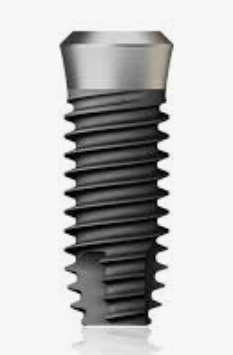
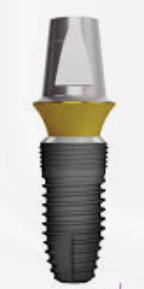
l Osstem implants tend to focus on aggressive thread design, aimed at achieving strong primary stability even in softer bone.
l Dentium implants prioritize balanced stress distribution, with thread designs that reduce cortical bone overload.
Clinical implication:
l Osstem may be advantageous in immediate loading cases
l Dentium may offer better outcomes in long-term bone preservation scenarios
l Osstem: More variation, including straight and tapered designs for different indications
l Dentium: Strong emphasis on tapered implants, improving insertion torque control
Engineering takeaway:
Dentium’s consistency in taper design simplifies surgical protocols, which is valuable for standardized multi-clinic operations.
Surface treatment is one of the most critical factors in osseointegration.
l Proven and widely used
l Good osseointegration performance
l Cost-effective manufacturing
l Similar base technology but with tighter control on microstructure
l Improved wettability in newer versions
l Focus on faster healing response
Key difference:
Dentium invests more in surface consistency and micro-level optimization, while Osstem focuses on scalable production efficiency.
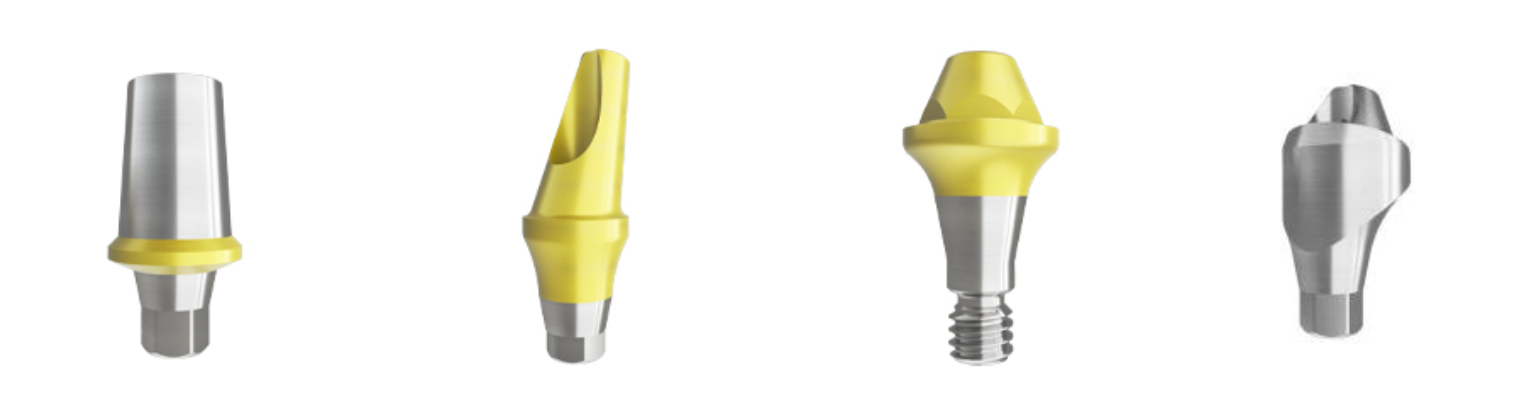
l Broad prosthetic range
l Compatible with many third-party components (in some markets)
l Slight complexity due to multiple system variations
l Highly standardized prosthetic system
l Better consistency across product lines
l Easier inventory management for distributors
B2B insight:
If you are managing inventory across multiple clinics or regions, Dentium’s standardization reduces SKU complexity, which directly impacts operational efficiency.
Both systems report high survival rates (typically above 95%), but differences emerge in:
l Bone remodeling patterns
l Soft tissue response
l Ease of placement in challenging cases
Dentium tends to perform slightly better in aesthetic zones and long-term tissue stability, while Osstem performs strongly in general-purpose applications and high-volume procedures.
Pricing is where the distinction becomes more strategic for buyers.
l Osstem: More competitive pricing due to large-scale manufacturing
l Dentium: Slightly higher price point, reflecting R&D and international certifications
However, pricing alone should not drive decisions. Consider:
l Surgical success rates
l Return rates / complications
l Brand perception in your market
This is where many comparisons fail to go deep enough.
Both Osstem and Dentium are branded manufacturers, meaning:
l Limited flexibility in customization
l Fixed pricing structures
l Brand dependency for distributors
For many B2B buyers, especially distributors and emerging brands, working directly with a specialized implant manufacturer offers advantages:
l Custom implant design (thread, surface, connection)
l Branding flexibility
l Better margin control
l Scalable production without brand restrictions
In recent years, a growing number of distributors sourcing Korean-style implant systems have shifted toward OEM partners that replicate or improve upon these design principles while offering greater flexibility.
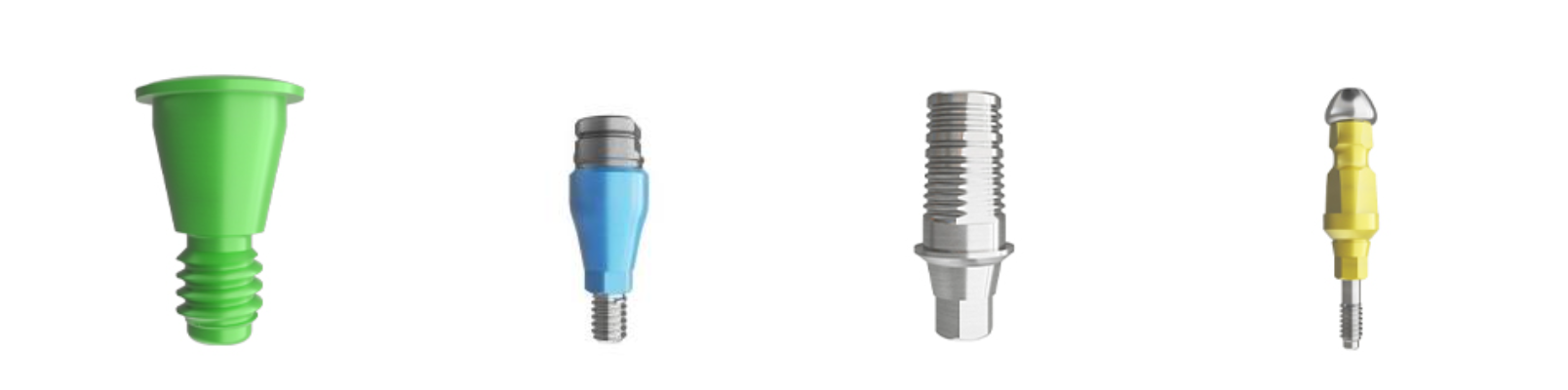
While Osstem and Dentium dominate discussions, the industry is quietly evolving.
Advanced manufacturers—particularly those focused on precision machining, medical-grade titanium processing, and surface engineering—are now producing implant systems that:
l Match or exceed established surface treatments
l Offer compatibility with mainstream prosthetic systems
l Provide consistent quality at scale
For example, manufacturers like RE-TECH have focused on:
l High-purity titanium (Grade 4 / Grade 5)
l Controlled surface roughness for predictable osseointegration
l OEM-ready production lines for global partners
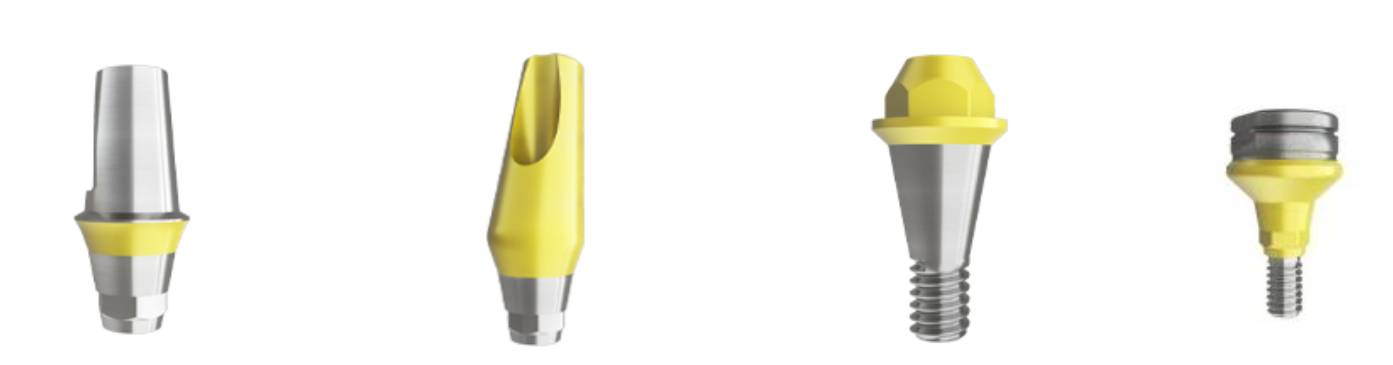
Rather than competing directly as consumer brands, these manufacturers enable distributors and dental companies to build their own implant brands, which is increasingly attractive in competitive markets.
When choosing between Osstem, Dentium, or an OEM partner, consider:
l Are you selling a branded system or building your own brand?
l Immediate loading vs long-term aesthetics
l Purchase price vs resale flexibility
l Lead times, customization options, scalability
l Certifications required in your target market
Factor | Osstem | Dentium |
Pricing | More competitive | Slightly higher |
Design Philosophy | Stability-focused | Balance & precision |
Surface Tech | Proven SA | Enhanced SLA |
System Complexity | Broader, more variations | More standardized |
Ideal Use Case | High-volume clinics | Premium or aesthetic cases |
There is no universal “better” option. Osstem is often preferred for cost efficiency and accessibility, while Dentium is favored for engineering precision and consistency.
Yes. Korean implants have gained global trust due to their balance of quality and affordability, with both Osstem and Dentium achieving high clinical success rates.
Yes. Many manufacturers now offer OEM implant systems with comparable designs and performance, allowing businesses to create their own branded solutions.
From a clinical standpoint, design, surface technology, and surgical protocol matter more than brand name alone—especially for experienced practitioners.
For many distributors, OEM manufacturing provides:
l Better margins
l Brand ownership
l Greater flexibility
However, it requires careful partner selection and quality control.
The comparison between Osstem and Dentium reflects a broader shift in the dental implant industry:
l From brand-driven decisions
l To engineering, economics, and supply chain strategy
While both systems remain excellent choices, forward-looking distributors and dental businesses are increasingly exploring hybrid strategies—leveraging the strengths of established designs while building independent supply capabilities through trusted manufacturing partners.
In a market where differentiation is becoming harder, the real advantage may no longer lie in choosing between brands—but in how you position, source, and scale your implant offering.