![[slide:title]](/static/upload/other/20260512/1778551853592214.webp)
![[slide:title]](/static/upload/other/20260512/1778551954982306.webp)
Time:2026-04-03 Form:本站
Megagen vs Osstem Dental Implants: A Deep Technical Comparison for Clinics, Distributors, and OEM Buyers
Over the past two decades, South Korea has emerged as one of the most influential hubs in the global dental implant industry. Among the leading brands, Megagen and Osstem Implant stand out—not only for their domestic dominance but also for their aggressive global expansion.
For dental clinics, distributors, and private-label buyers, choosing between these two systems is not simply a matter of brand recognition. It involves evaluating implant design philosophy, surface technology, surgical versatility, long-term clinical data, and supply chain compatibility.
This guide takes a non-promotional, engineering-first approach to comparing Megagen and Osstem—while also offering insights into how emerging OEM manufacturers are reshaping the decision-making landscape.

Megagen is widely recognized for its design-led innovation, particularly with systems like AnyRidge. The company focuses heavily on:
l Immediate loading protocols
l Advanced thread geometries
l Bone preservation strategies
Megagen gained international visibility through collaborations with clinicians such as Dr. Hany Marei and Dr. Istvan Urban, emphasizing clinical-driven R&D.
Osstem, on the other hand, is often described as the “volume leader” in Asia. It has built its reputation on:
l Large-scale manufacturing
l Competitive pricing
l Extensive education programs
Osstem systems are widely used in high-volume clinics, especially in Asia-Pacific markets.
Megagen implants, particularly AnyRidge, are characterized by:
l Deep, knife-edge threads
l High primary stability even in soft bone
l Minimal cortical compression
This makes them particularly suitable for:
l Immediate placement
l Poor bone density cases (D3–D4)
l Sinus proximity scenarios
However, this aggressive design requires precise surgical control.
Osstem implants follow a more standardized and predictable design, such as TS and SS series:
l Moderate thread depth
l Balanced insertion torque
l Compatibility with conventional drilling protocols
This makes Osstem a safer choice for:
l General practitioners
l High-throughput clinics
l Standard delayed loading cases
Surface treatment is critical for osseointegration speed and long-term success.
Megagen’s Xpeed surface integrates calcium ions into an SLA-treated surface, aiming to:
l Accelerate bone healing
l Improve early-stage stability
l Enhance hydrophilicity
Clinical studies suggest improved early osseointegration, particularly in compromised bone.
Osstem offers:
l SA (Sandblasted + Acid-etched) – standard roughened surface
l CA (Calcium-treated) – improved wettability
While effective, Osstem surfaces are generally considered less aggressive than Xpeed, prioritizing long-term consistency over early acceleration.
Megagen systems are optimized for:
l Shorter drilling sequences
l Undersized osteotomy
l High insertion torque (≥50 Ncm)
This supports immediate provisionalization but requires:
l Surgical expertise
l Accurate torque control
Osstem emphasizes:
l Step-by-step drilling
l Predictable insertion torque
l Broad compatibility with guided surgery
This reduces variability and makes it easier to train new clinicians.
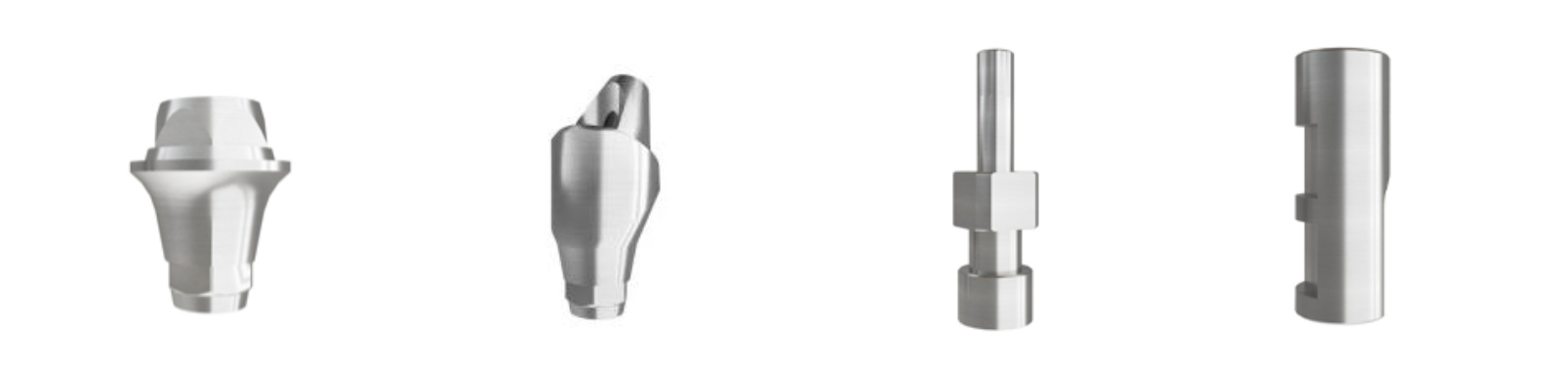
l Strong focus on digital workflows
l CAD/CAM integration
l Limited cross-system compatibility
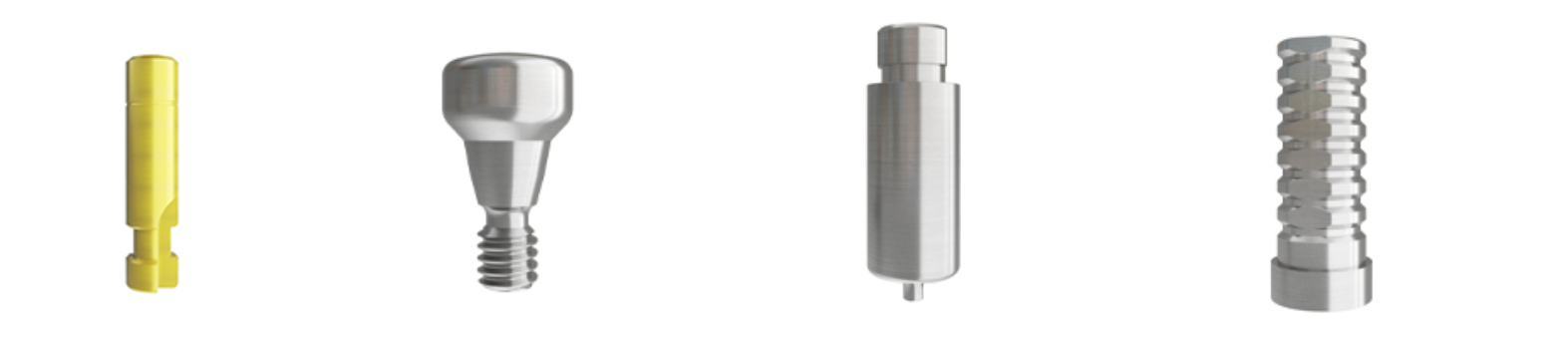
l Extensive prosthetic library
l High compatibility within its ecosystem
l Widely available components globally
For distributors, Osstem often offers logistical advantages due to its scale.
l Strong case-based and clinician-driven studies
l Growing body of international research
l Emphasis on immediate loading success
l Large dataset due to volume usage
l Long-term survival rates well documented
l Trusted in institutional settings
In short:
l Megagen = innovation + performance edge
l Osstem = reliability + statistical confidence
From a B2B perspective, pricing is rarely just about cost per implant.
l Higher price positioning
l Premium branding strategy
l Strong margins for distributors
l Competitive pricing
l Volume-based discounts
l Strong presence in emerging markets
However, both brands face similar challenges:
l Limited customization for private labels
l Branding restrictions
l Less flexibility in OEM partnerships
For many distributors and dental brands, the decision is shifting from:
“Which brand should we sell?”
to
“Should we build our own brand?”
This is where OEM manufacturers enter the picture.
A growing number of implant buyers are working with specialized manufacturing partners to:
l Develop private-label implant systems
l Customize thread design and surface treatment
l Control pricing and branding
For example, some manufacturers (such as RE-TECH) provide:
l Titanium Grade 4 / Grade 5 production
l SLA and advanced surface options
l Full OEM/ODM support

In many cases, these factories produce implants with comparable structural performance to mainstream brands—while offering greater flexibility in:
l Packaging
l Pricing
l Distribution rights
This approach is increasingly popular among:
l Regional distributors
l Dental chains
l E-commerce-driven implant brands
l You prioritize cutting-edge implant design
l Your clinicians are experienced with advanced protocols
l You focus on immediate loading cases
l You need a stable, scalable system
l Your team includes general practitioners
l You operate in high-volume environments
l You want to build your own implant brand
l You need better pricing control
l You aim to differentiate in a competitive market
The Megagen vs Osstem comparison reflects a broader industry shift:
1. From brand dominance → to design differentiation
2. From standardized systems → to customized solutions
3. From distributor dependency → to brand ownership
In this context, the real competition is no longer just between established brands—but between:
l Traditional manufacturers
l Agile OEM partners
l Digitally native implant companies
Not necessarily. Megagen offers more advanced design features, while Osstem provides consistency and scalability. The best choice depends on clinical goals and operational needs.
Megagen is generally more suitable due to its aggressive thread design and higher primary stability.
Yes. Osstem implants have extensive clinical data and are widely used globally, especially in Asia.
Megagen uses calcium-incorporated surfaces (Xpeed), while Osstem focuses on SA/CA surfaces with proven long-term stability.
For many B2B buyers, yes. OEM solutions offer:
l Cost advantages
l Branding flexibility
l Comparable manufacturing quality (depending on supplier)
The choice between Megagen and Osstem ultimately reflects your priorities as a buyer or clinician:
l Innovation vs predictability
l Performance vs scalability
l Brand vs control
As the implant industry evolves, more businesses are looking beyond traditional brand comparisons and exploring manufacturing partnerships that offer both quality and flexibility.
Understanding these dynamics is essential—not just for making the right purchasing decision, but for staying competitive in a rapidly changing global market.