![[slide:title]](/static/upload/other/20260512/1778551853592214.webp)
![[slide:title]](/static/upload/other/20260512/1778551954982306.webp)
Time:2026-04-10 Form:本站
How to Reduce Dental Implant Sourcing Costs (Without Compromising Quality)
In today’s highly competitive dental market, controlling procurement costs has become just as critical as clinical outcomes. For distributors, dental chains, and implant brands, sourcing decisions directly impact margins, scalability, and long-term competitiveness.
However, reducing implant sourcing costs is not simply about choosing the lowest-priced supplier. In fact, aggressive cost-cutting often leads to hidden risks—product inconsistency, regulatory issues, or reputational damage—that ultimately cost far more.
This guide takes a different approach.
Instead of surface-level tips, we will break down the real cost structure of dental implants, uncover hidden inefficiencies in sourcing, and provide advanced strategies that allow you to reduce costs sustainably—without sacrificing performance, compliance, or brand value.
Most buyers evaluate implants based on unit price. This is a mistake.
The true sourcing cost includes:
l Manufacturing cost (materials + machining + finishing)
l Certification & compliance (CE, FDA, ISO)
l Logistics (shipping, tariffs, warehousing)
l Failure risk (clinical complications, returns)
l Inventory cost (overstock or shortages)
l Supplier management cost (communication, QA, delays)
A low-cost implant with inconsistent quality may increase:
l Chair-time costs for clinicians
l Replacement and warranty claims
l Brand reputation damage
Conclusion: The cheapest implant is rarely the most cost-efficient.
Premium brands often charge 3–6× manufacturing cost, driven by:
l Marketing overhead
l Distributor layers
l Brand positioning
While these brands offer reliability, many buyers fail to recognize that equivalent manufacturing quality exists at significantly lower cost—especially from advanced OEM manufacturers.
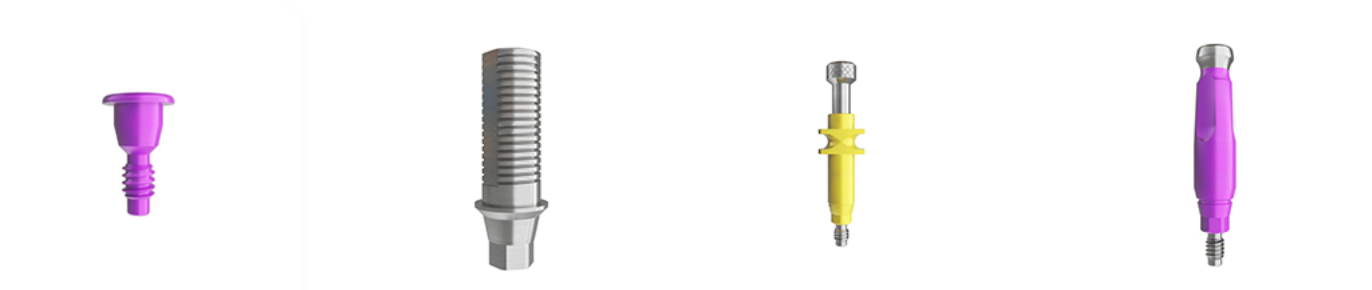
Working with multiple suppliers for:
l Fixtures
l Abutments
l Instruments
It creates hidden inefficiencies:
l Increased logistics costs
l Compatibility risks
l Quality inconsistency
Buying small batches frequently:
l Increases unit price
l Raises shipping cost per unit
l Creates unstable supply cycles
But over-ordering creates:
l Cash flow pressure
l Obsolescence risk
Substandard implants can lead to:
l Osseointegration failure
l Surface inconsistency
l Poor thread precision
Even a 2–3% failure rate increase can erase all cost savings.
Instead of asking:
“Which brand is cheapest?”
Ask:
“What specifications truly matter for clinical success?”
Focus on:
l Titanium grade (Grade 4 or Grade 5)
l Surface treatment (SLA, RBM, etc.)
l Precision machining tolerance
l Long-term clinical data
Many OEM manufacturers now produce implants with identical core specifications as premium brands—without the markup.
One of the most effective cost-reduction strategies is eliminating unnecessary intermediaries.
Benefits:
l 20–50% cost reduction
l Direct quality control
l Customization options
l Faster communication
Modern implant OEMs are no longer “low-end factories.” Leading manufacturers now offer:
l Cleanroom production
l Automated CNC machining
l Full traceability systems
Some manufacturers (for example, RE-TECH) operate as hybrid OEM/ODM partners, meaning they can support both standardized products and customized implant systems tailored to your market.

Instead of sourcing from 5–10 vendors, consolidate into 1–2 strategic partners.
This reduces:
l Logistics complexity
l Compatibility issues
l Administrative costs
It also strengthens your negotiation power.
Smart procurement is not about buying more—it’s about buying smarter.
Best practices:
l Use rolling forecasts (3–6 months)
l Negotiate tiered pricing
l Align production cycles with demand patterns
This helps you:
l Reduce storage costs
l Maintain stable pricing
l Avoid emergency purchases (which are always expensive)
Always calculate:
TCO = Unit Price + Risk + Logistics + Operational Cost
For example:
Factor | Low-Cost Supplier | High-Quality OEM |
Unit Price | Low | Moderate |
Failure Rate | High | Low |
Logistics Efficiency | Poor | Optimized |
Overall Cost | Higher | Lower |
Using too many implant systems increases:
l Inventory complexity
l Training costs
l Surgical errors
Standardization allows:
l Bulk purchasing
l Simplified operations
l Better clinical consistency
Private labeling is one of the most overlooked cost strategies.
Instead of reselling existing brands, you can:
l Build your own brand
l Control pricing strategy
l Increase margins
Advanced OEM partners can support:
l Branding
l Packaging
l Regulatory documentation
This approach transforms you from a buyer into a market player.
Many buyers focus only on unit price—but real savings come from total deal structure.
Negotiate:
l Free samples for testing
l Flexible payment terms
l Faster lead times
l Technical support
l Regulatory assistance
Some manufacturers already integrate these services into their offering, which significantly reduces operational burden.
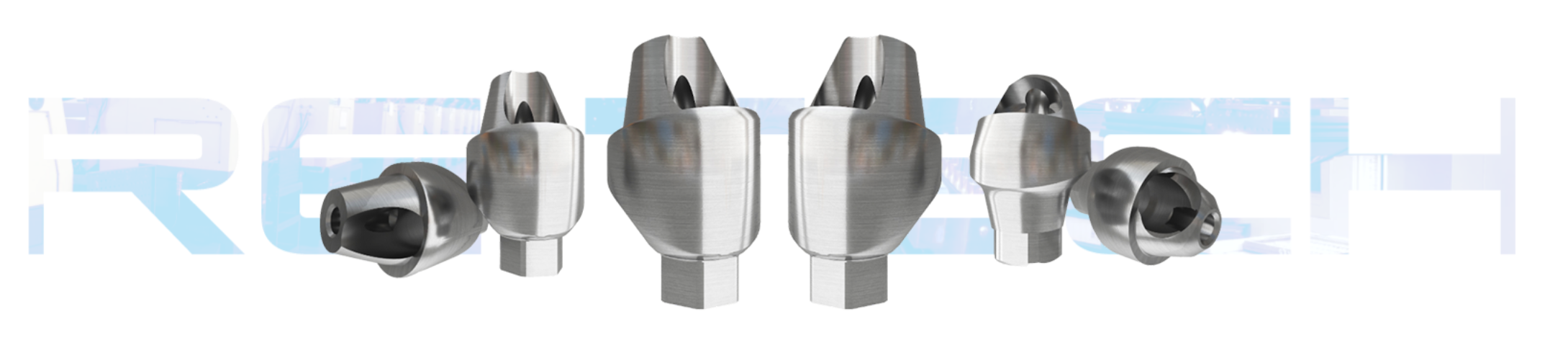
Reducing cost should never mean compromising clinical safety.
Key quality indicators to evaluate:
l Surface roughness consistency
l Mechanical strength
l Fatigue resistance
l Sterilization validation
l Clinical success rate
Reliable manufacturers invest heavily in:
l Material traceability
l Precision machining
l Surface treatment control
For example, some advanced suppliers emphasize process consistency over aggressive cost-cutting, ensuring that lower pricing does not translate into higher clinical risk.
Traditional sourcing is transactional:
Buyer → Supplier → Product
Modern sourcing is collaborative:
Partner → Co-development → Long-term value
By working closely with a capable manufacturer, you can:
l Optimize implant design
l Reduce unnecessary specifications
l Improve cost efficiency at the engineering level
This is where experienced OEM partners—such as Ruitaike—can provide value beyond manufacturing, including:
l Design optimization
l Material selection guidance
l Production efficiency improvements
These factors directly reduce cost at the source—not just at the negotiation table.
CNC automation and AI-driven quality control are reducing:
l Labor costs
l Error rates
l Production variability
More buyers are sourcing from:
l Asia (cost efficiency + scale)
l Eastern Europe (proximity to EU markets)
Data-driven procurement allows:
l Real-time inventory tracking
l Demand forecasting
l Supplier performance monitoring
More distributors are becoming brand owners through:
l Private labeling
l Direct manufacturing partnerships
Yes—if the OEM meets:
l International certifications
l Proven manufacturing standards
l Consistent quality control
The key is verification, not brand name.
Failure rate and inconsistency.
Even small defects can lead to:
l Clinical complications
l Reputational damage
l Financial losses
Typically:
l 20–40% through OEM sourcing
l Up to 50% with private labeling
Neither—prioritize value.
The goal is:
Lowest total cost with acceptable clinical performance
Check:
l Certifications (CE, ISO)
l Production capability
l Surface technology
l Client references
l Sample testing
Yes, especially if you aim to:
l Build long-term brand equity
l Increase margins
l Differentiate in the market
Reducing dental implant sourcing costs is not about cutting corners—it’s about making smarter, more strategic decisions.
By shifting from price-driven buying to value-driven sourcing, you can:
l Lower overall costs
l Improve supply chain efficiency
l Maintain or even enhance product quality
The most successful companies today are not those who buy the cheapest implants—but those who understand the entire cost ecosystem and optimize it intelligently.
Working with capable manufacturing partners—particularly those who combine engineering expertise with scalable production—allows you to unlock cost efficiencies that are simply not possible through traditional distribution channels.
In a market where margins are tightening and competition is increasing, this shift is no longer optional.
It’s a competitive necessity.