![[slide:title]](/static/upload/other/20260512/1778551853592214.webp)
![[slide:title]](/static/upload/other/20260512/1778551954982306.webp)
Time:2026-05-14 Form:本站
Guide to Buying Dental Implants: A Practical B2B Checklist for Clinics, Distributors, and Implant Buyers
Buying dental implants is very different from buying ordinary dental consumables. A dental implant is not simply a titanium screw. It is part of a complete restorative system involving implant body design, surface treatment, prosthetic connection, abutment compatibility, surgical workflow, documentation, packaging, traceability, and long-term after-sales support.
For clinics, distributors, importers, and private-label buyers, the real question is not “Which implant is the cheapest?” but “Which implant system can create predictable clinical results, stable supply, reasonable profit, and long-term trust?”
A dental implant system normally includes the implant body, abutment, fixation screw, and related prosthetic components. The FDA describes dental implants as medical devices surgically placed into the jaw to support artificial teeth such as crowns, bridges, or dentures, and notes that systems may include the implant body, abutment, and abutment fixation screw. This means that when a buyer evaluates an implant brand or manufacturer, the evaluation should cover the whole system, not only the implant fixture.
This guide explains how to buy dental implants from a B2B perspective, especially for dental clinics, distributors, and companies looking for OEM or private-label implant supply.
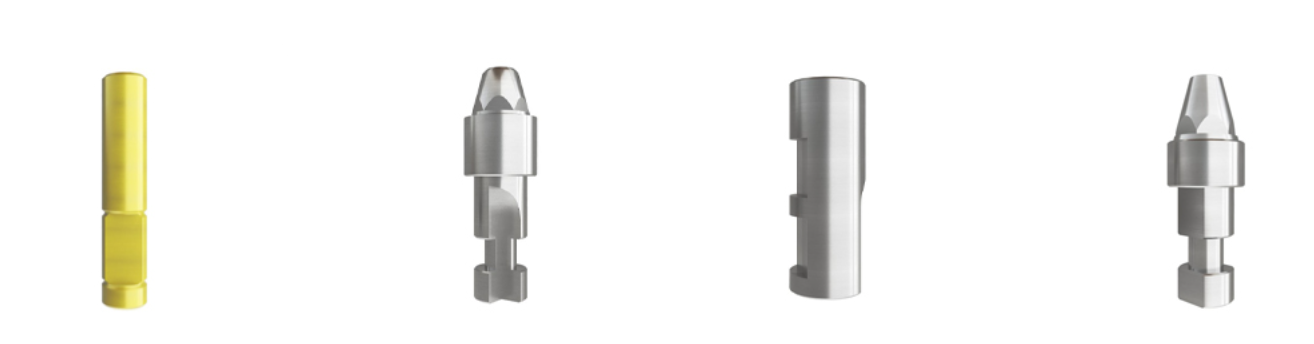
Many new buyers compare implants by diameter, length, surface, and price. These are important, but they are only the visible layer. A successful implant purchase depends on whether the system works smoothly from surgery to restoration.
A low-priced implant may look attractive at first, but it can become expensive if the prosthetic components are difficult to source, the surgical kit is not intuitive, the connection is unstable, documentation is incomplete, or clinicians do not trust the brand. In implant dentistry, the hidden cost often appears later: chairside delays, inventory confusion, mismatched abutments, repeated communication with suppliers, or loss of confidence from dentists.
For clinics, the best implant system is usually one that is clinically reliable, easy for the surgical team to use, and compatible with the clinic’s restorative workflow. For distributors, the best implant system must also be commercially practical: stable stock, clear packaging, multiple sizes, reasonable MOQ, marketing support, training materials, and consistent product quality.
That is why experienced buyers do not ask only,
“How much is one implant?”
They ask:
“What system am I buying into?”
Before comparing implant systems, first define your buying role. Different buyers need different things.
A clinic usually cares about clinical predictability, surgical simplicity, prosthetic flexibility, and patient acceptance. The implant system should be easy to learn, easy to restore, and supported by reliable components. A clinic may not need a very wide product line at the beginning, but it needs confidence that the same system will remain available in the future.
A distributor has a different challenge. Distributors need products that can be sold repeatedly across many clinics. They need consistent quality, competitive pricing, local market positioning, product training, certificates, packaging, and technical documents. A distributor also needs to manage inventory carefully. Too many SKUs can create pressure; too few SKUs can limit market coverage.
An OEM or private-label buyer needs deeper control. They may care about implant design, packaging customization, laser marking, surface treatment, prosthetic compatibility, regulatory documents, and whether the manufacturer can support long-term supply under their own brand. For this type of buyer, the manufacturer’s production capability and documentation discipline matter as much as the product itself.
Manufacturers such as RE-TECH, for example, are more relevant to B2B buyers who are not only looking for a single implant order, but also evaluating OEM supply, system compatibility, and repeatable manufacturing support. This kind of mention should not replace technical evaluation; it should appear naturally where supplier capability is part of the buying decision.
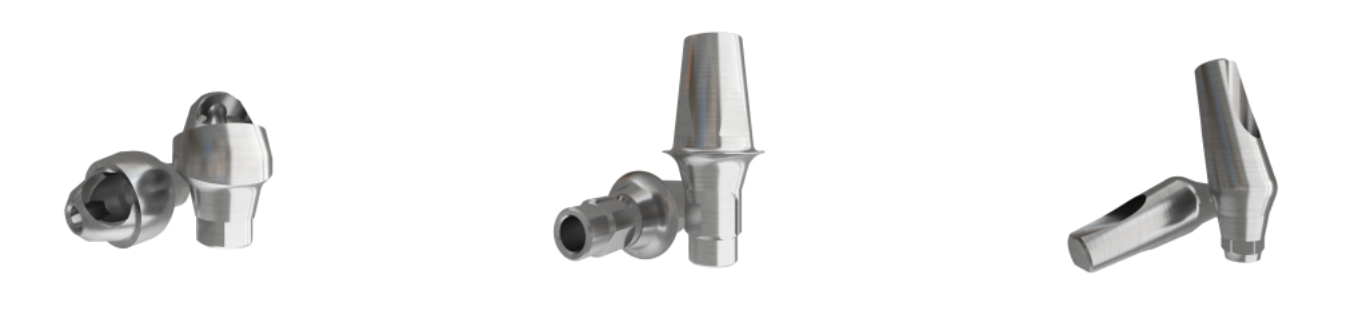
A complete dental implant system normally includes several key parts: the implant fixture, cover screw, healing abutment, impression coping or scan body, prosthetic abutment, fixation screw, analog or digital library, and surgical instruments.
The implant fixture is the part inserted into bone. Its macro-design affects insertion behavior, primary stability, and suitability for different bone conditions. Thread design, body shape, apex geometry, and cutting ability all influence the surgical experience.
The prosthetic connection is equally important. Internal hex, conical connection, morse taper, and other connection designs may affect sealing, stability, prosthetic flexibility, and compatibility. Buyers should not ignore the connection type because it determines which abutments, scan bodies, and restorative components can be used.
The surface treatment is another major factor. Common surfaces include SLA-type roughened surfaces, RBM surfaces, sandblasted and acid-etched surfaces, hydrophilic surfaces, and other treated titanium surfaces. The goal is usually to improve bone response and support osseointegration. Mayo Clinic explains that osseointegration is the process in which the jawbone grows into and joins with the implant surface, creating a solid foundation for the artificial tooth.
For B2B buyers, the key is not to chase every “advanced” surface claim. Instead, buyers should ask for clear surface information, production consistency, cleaning control, packaging protection, and clinical or technical support documents where available.
Most dental implants are made from commercially pure titanium, titanium alloy, or zirconia. The FDA notes that most dental implant systems are made of titanium or zirconium oxide, while other materials may also be used, and that implant systems are typically evaluated according to international consensus standards such as ISO or ASTM.
Titanium remains widely used because of its biocompatibility, mechanical strength, corrosion resistance, and long clinical history. Commercially pure titanium is common in many implant systems, while titanium alloy may be used when higher mechanical strength is required.
Zirconia implants are often marketed for patients who prefer metal-free solutions or have aesthetic concerns in thin gingival biotypes. However, zirconia systems may offer fewer prosthetic options and less flexibility than mature titanium systems in many markets.
For clinics and distributors, the best material choice depends on the target patient group, price positioning, clinician preference, and restorative workflow. For OEM buyers, material traceability becomes especially important. They should confirm raw material grade, inspection records, certificates, and whether the supplier can provide stable batches over time.
A common mistake is to compare implant brands as if one brand is universally “better” than another. In reality, implant choice depends on clinical case type, bone condition, restoration plan, and market positioning.
For example, a premium implant system may be ideal for complex cases, brand-sensitive patients, or clinics that use a high-end treatment model. A mid-range implant system may be better for clinics that need predictable performance at a more accessible price. An OEM-compatible system may be attractive for distributors who want more control over pricing, packaging, and market differentiation.
Here is a practical comparison:
Buying Option | Main Advantage | Main Limitation | Best For |
Premium international brands | Strong brand trust, broad clinical history, established education system | Higher cost, lower distributor margin | High-end clinics, complex cases, brand-sensitive patients |
Mid-range implant brands | Balanced price and performance | Brand recognition may vary by country | General clinics, growing distributors |
OEM/private-label implants | More pricing flexibility, brand control, customizable packaging | Requires stronger supplier evaluation | Distributors, importers, private-label companies |
Low-cost unknown suppliers | Low upfront price | Higher risk in documentation, consistency, support | Not recommended for long-term B2B strategy |
A serious buyer should not simply ask whether an implant is “premium” or “cheap.” The better question is: “Does this system match my clinical workflow, customer base, price strategy, and long-term business model?”
Implant design is one of the most important parts of buying dental implants. However, many buyers only look at photos and size charts. That is not enough.
Macro-design includes implant shape, thread depth, thread pitch, taper, apex design, and platform structure. A tapered implant may be useful in extraction sockets or softer bone situations, while a parallel-walled design may offer different handling characteristics. Aggressive threads may improve insertion stability in certain cases but may not be ideal for every bone type.
Micro-design refers to the surface topography and treatment. The surface should be consistent, clean, and well protected by packaging. Buyers should ask how the surface is produced, whether the process is controlled, and whether the supplier can maintain batch-to-batch stability.
Prosthetic logic refers to how the implant connects to the restoration. This includes connection type, platform switching design, abutment availability, scan body accuracy, digital library support, torque recommendations, and screw compatibility.
A system with good fixture design but weak prosthetic support can create problems later. Dentists do not only place implants; they also restore them. If restoration is difficult, the system becomes less attractive.
Compatibility is a major buying factor, especially for distributors and OEM buyers. Many markets already have dentists using familiar implant systems, surgical kits, scan bodies, and prosthetic components. A new implant system becomes easier to introduce if it can fit into existing clinical habits.
However, compatibility should be handled carefully. Buyers should not rely on vague claims like “compatible with all major systems.” They should ask exactly which connection type, platform size, abutment series, digital library, and surgical instruments are compatible.
Compatibility should be checked in four areas:
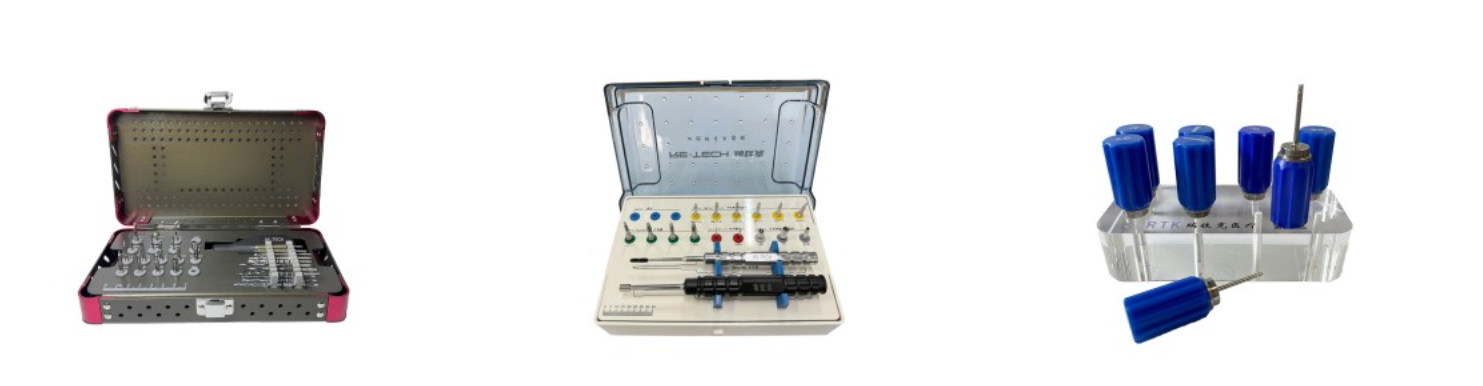
First, surgical compatibility. Does the implant require a dedicated surgical kit, or can it follow a familiar drilling sequence?
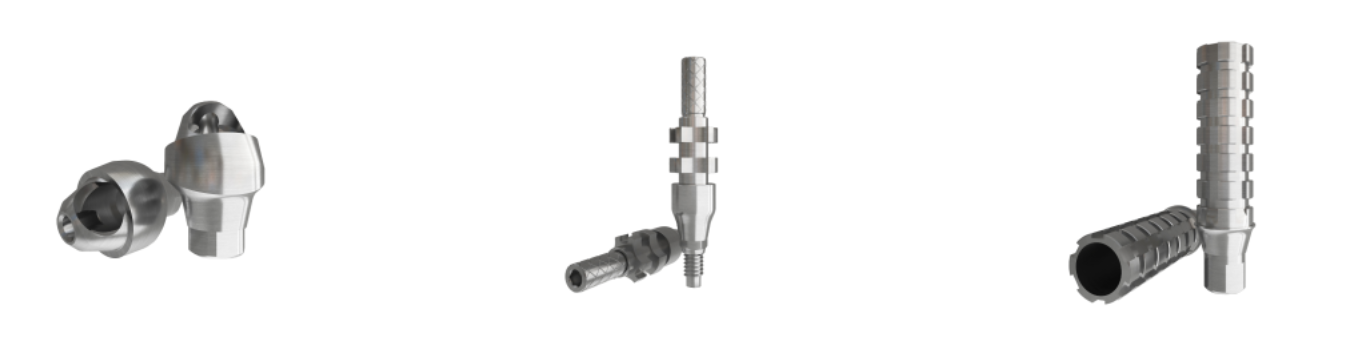
Second, prosthetic compatibility. Are healing abutments, impression copings, scan bodies, Ti-bases, straight abutments, angled abutments, and multi-unit abutments available?
Third, digital compatibility. Does the supplier provide scan body data or digital library support for CAD/CAM workflows?
Fourth, replacement compatibility. If a patient returns years later, can the clinic still obtain screws, abutments, and restorative parts?
For B2B buyers, long-term component availability can be more important than a small price difference.
Dental implants are medical devices. Buyers should never treat them like ordinary machined titanium parts. Documentation is part of the product value.
Depending on the target market, buyers may need CE-related documents, ISO 13485 quality management information, FDA-related information, free sale certificates, test reports, biocompatibility documentation, sterilization validation, packaging validation, labeling files, and traceability records.
The FDA notes that dental implant systems are evaluated according to international consensus standards and that biocompatibility testing is part of the evaluation used to help ensure material safety. This is why professional buyers should ask suppliers not only for price lists, but also for documentation structure.
For distributors, incomplete documentation can delay registration, customs clearance, or local market approval. For clinics, unclear product identity can reduce confidence. For OEM buyers, poor documentation discipline can become a long-term business risk.
A simple rule: if the supplier cannot clearly explain its quality documents, batch records, packaging, and traceability, the low price is not worth the risk.
Packaging is often underestimated in implant purchasing. But for dental implants, packaging is not only about appearance. It protects sterility, surface cleanliness, product identity, and user confidence.
Buyers should check whether the packaging clearly shows implant diameter, length, lot number, expiration date, reference code, sterilization information, and instructions for use. The label should be easy for clinics to read and easy for distributors to manage.
Traceability is essential. If a clinic needs to identify which implant was placed in a patient, the brand, model, lot number, and size must be clear. The FDA also recommends that patients ask what brand and model of dental implant system is being used and keep that information for their records. For B2B buyers, this shows why product identity and documentation should be built into the purchasing process from the beginning.
Good packaging also supports sales. A clean, professional implant package gives dentists more confidence and helps distributors position the product better in the local market.
Dental implant buyers often focus on unit price. This is understandable, especially in competitive markets. But unit price is only one part of total cost.
The total cost includes implant fixture price, prosthetic component price, surgical kit cost, training cost, inventory cost, registration cost, shipping cost, replacement part cost, and after-sales support cost. A cheap implant may become expensive if the buyer must hold too many SKUs or cannot quickly obtain matching components.
For clinics, the total cost also includes chairside efficiency. If a system is difficult to use or restore, the clinic loses time. For distributors, the total cost includes dead inventory. If the system has too many unpopular sizes or poor component planning, stock pressure increases.
A better buying method is to calculate cost per completed case, not only cost per implant. This includes implant, cover screw, healing abutment, impression or scan component, abutment, screw, and any related tools.
A strong implant supplier should be able to answer technical, commercial, and documentation questions clearly.
Before buying dental implants, ask these questions:
What implant materials are used?
What surface treatment is applied?
What connection type does the system use?
Which diameters and lengths are available?
Which prosthetic components are included in the system?
Is there a surgical kit and drilling protocol?
What certificates and regulatory documents can be provided?
Can you provide product labels, IFU, and traceability records?
What is the MOQ?
How stable is the lead time?
Can the packaging be customized for OEM or private-label orders?
What after-sales support is available if a clinic has a component question?
Can you support long-term supply of the same system?
The best supplier is not always the one with the lowest price. It is the one that reduces uncertainty. For buyers evaluating OEM dental implant manufacturers, RE-TECH can be considered as one example of a factory-side supplier where implant system structure, compatibility, packaging, and B2B supply support should be reviewed together rather than separately.
One common mistake is buying based only on price. Low price may help win attention, but it cannot compensate for poor documentation, unstable quality, or weak prosthetic support.
Another mistake is buying an implant fixture without checking the complete component system. If matching abutments, screws, scan bodies, or analogs are difficult to obtain, the system becomes inconvenient for clinics.
A third mistake is ignoring local dentist habits. A system that looks good on paper may fail commercially if dentists in the market are already trained on a different workflow.
A fourth mistake is overloading the first order with too many sizes. New distributors should usually begin with a practical starter range based on common clinical demand, then expand after receiving market feedback.
A fifth mistake is assuming that all “compatible” parts are equal. Even small differences in connection geometry, screw design, or digital workflow can create clinical and restorative problems. Compatibility should always be verified carefully.
For a new distributor, the best strategy is usually not to buy every possible implant size. Start with the most commonly used diameters and lengths in your target market, then add wider, narrower, shorter, or longer implants according to actual demand.
A practical starter portfolio may include standard diameter implants, several common lengths, cover screws, healing abutments, impression parts, scan bodies, straight abutments, angled abutments, Ti-bases, and a surgical kit. The exact range should be adjusted based on local clinical preference.
Distributors should also request marketing and technical support materials, including product catalogs, size charts, drilling protocols, component compatibility tables, packaging photos, and training documents. These materials help sales teams explain the system to clinics.
Instead of presenting the product as “cheap implants,” distributors should position it around stable quality, clear system design, reliable component supply, and reasonable cost-performance balance. That message is more convincing to professional dentists.
Clinics should choose implant systems based on clinical workflow, case type, patient positioning, and restoration convenience.
A clinic that mainly handles simple posterior cases may not need the most expensive implant brand for every patient. However, it still needs a reliable system with good surgical handling and prosthetic options.
A clinic that handles complex full-arch cases may need a system with strong multi-unit abutment support, digital workflow compatibility, and broad restorative flexibility.
A clinic that serves price-sensitive patients may need a cost-effective system, but it should not compromise on documentation, sterility, traceability, or component fit.
Clinics should also consider long-term maintenance. Patients may return years later for screw replacement, abutment change, or restoration repair. If the implant system is obscure or unsupported, the clinic may face difficulties.
A reliable supplier usually has three qualities: technical clarity, production consistency, and communication discipline.
Technical clarity means the supplier can explain the implant system, connection, surface, material, component range, and recommended workflow.
Production consistency means the supplier can maintain stable dimensions, surface quality, packaging, and batch control. This is especially important for B2B buyers who plan to reorder regularly.
Communication discipline means the supplier responds accurately, confirms specifications carefully, and does not make exaggerated claims. A supplier that only says “best quality, lowest price” but cannot answer technical questions is not a strong long-term partner.
For OEM/private-label buyers, the supplier should also understand brand protection. Packaging, labels, product codes, and documentation should be consistent and professional.
Before placing an order, buyers should confirm the following:
The implant system has clear fixture sizes and prosthetic components.
The connection type is clearly defined.
The surface treatment is explained.
The material grade and documentation are available.
The packaging includes traceability information.
The supplier can provide consistent batches.
The surgical workflow is practical.
The prosthetic workflow is complete.
The pricing supports your market strategy.
The supplier can support long-term cooperation.
The system fits the needs of your clinics, distributors, or brand.
A dental implant purchase is not just a transaction. It is a long-term clinical and commercial decision.
The most important factor is system reliability. Buyers should evaluate the implant fixture, prosthetic components, surface treatment, documentation, packaging, traceability, and supplier support together. A good implant system should be clinically practical and commercially sustainable.
Not always. Premium brands can offer strong recognition and broad clinical history, but they are not the only option. Many clinics use different implant systems for different patient groups. The key is to choose a system with reliable quality, proper documentation, and good restorative support.
Yes, OEM dental implants can be suitable for distributors who want better pricing flexibility, brand control, and market differentiation. However, distributors must carefully evaluate the manufacturer’s quality system, documentation, component range, packaging capability, and long-term supply stability.
Do not compare only the fixture price. Compare the total case cost, including implant, healing abutment, impression or scan component, prosthetic abutment, screw, surgical kit, shipping, registration, inventory, and after-sales support.
Compatibility affects surgical workflow, prosthetic restoration, digital scanning, component replacement, and long-term maintenance. If compatible parts are difficult to obtain or unclear, dentists may hesitate to use the system.
Depending on the target market, buyers may need product certificates, ISO 13485 information, material documentation, sterilization records, packaging information, IFU, labels, test reports, and traceability records. Requirements vary by country, so buyers should confirm local regulatory needs before importing.
Yes. Surface treatment can influence how the implant interacts with bone during healing. However, buyers should not only look at marketing terms. They should ask how the surface is produced, controlled, cleaned, packaged, and documented.
A new distributor should usually start with common diameters and lengths used in the local market, plus essential prosthetic components. It is better to build a focused starter inventory than to buy too many slow-moving SKUs at the beginning.
A trustworthy manufacturer should provide consistent quality, clear technical information, reliable documentation, stable lead time, complete component support, and professional communication. For OEM buyers, packaging customization and long-term supply control are also important.
Yes, but only if the lower cost comes from efficient manufacturing and supply chain control, not from weak documentation, poor surface control, incomplete components, or unstable quality. Cost-effective does not mean low-standard.
Buying dental implants requires more than comparing brand names and unit prices. For clinics, the right implant system should support predictable treatment, efficient workflow, and long-term patient maintenance. For distributors, it should offer stable supply, clear positioning, complete components, and reasonable profit. For OEM and private-label buyers, it should provide deeper control over packaging, documentation, compatibility, and brand development.
A strong dental implant buying decision should balance clinical value, business value, regulatory readiness, and supplier reliability. Whether you are evaluating premium brands, mid-range systems, or OEM manufacturers such as RE-TECH, the goal is the same: choose an implant system that dentists can trust, patients can benefit from, and your business can grow with over the long term.