![[slide:title]](/static/upload/other/20260512/1778551853592214.webp)
![[slide:title]](/static/upload/other/20260512/1778551954982306.webp)
Time:2026-05-15 Form:本站
Future Demand for Dental Implants: Market Growth, Patient Needs, and B2B Opportunities
The future demand for dental implants is not simply a story about more patients losing teeth. It is a story about aging populations, rising expectations for oral function, digital treatment workflows, changing price structures, and a more competitive global supply chain. For clinics, distributors, implant brands, and OEM partners, understanding this demand is becoming just as important as understanding implant design, surface treatment, or prosthetic compatibility.
Dental implants have moved from being a premium treatment reserved for limited patient groups to becoming a mainstream restorative option in many markets. At the same time, the implant industry is becoming more segmented. Premium brands continue to lead in innovation and clinical education, while mid-tier and value-based implant systems are gaining attention from clinics and distributors that need reliable performance at more accessible pricing.
Market forecasts vary depending on methodology, but most research points in the same direction: the dental implant market is expected to keep expanding over the next decade.
The strongest foundation for future implant demand is demographic change. People are living longer, and older adults are keeping higher expectations for chewing function, facial aesthetics, and quality of life. According to the United Nations, the global population aged 65 and older is projected to reach more than 1.6 billion by 2050. That matters because tooth loss, periodontal disease, bone loss, and prosthetic replacement needs all become more common with age.
Oral disease burden also remains large. The World Health Organization reports that oral diseases affect nearly 3.7 billion people globally, and severe gum disease, a major cause of tooth loss, affects around 1 billion people. WHO also notes that complete tooth loss affects nearly 7% of people aged 20 or older worldwide.
This does not mean every patient with tooth loss will receive implants. Cost, awareness, local dental infrastructure, bone condition, surgical training, and reimbursement all influence treatment decisions. But the underlying patient pool is large, and even a modest increase in implant acceptance can create significant demand for implants, abutments, prosthetic components, surgical kits, scan bodies, and related digital workflow products.
In the early stage of implant adoption, many patients viewed implants mainly as a way to replace missing teeth. Today, the demand is more complex. Patients and clinicians are increasingly focused on function, aesthetics, treatment predictability, and long-term maintenance.
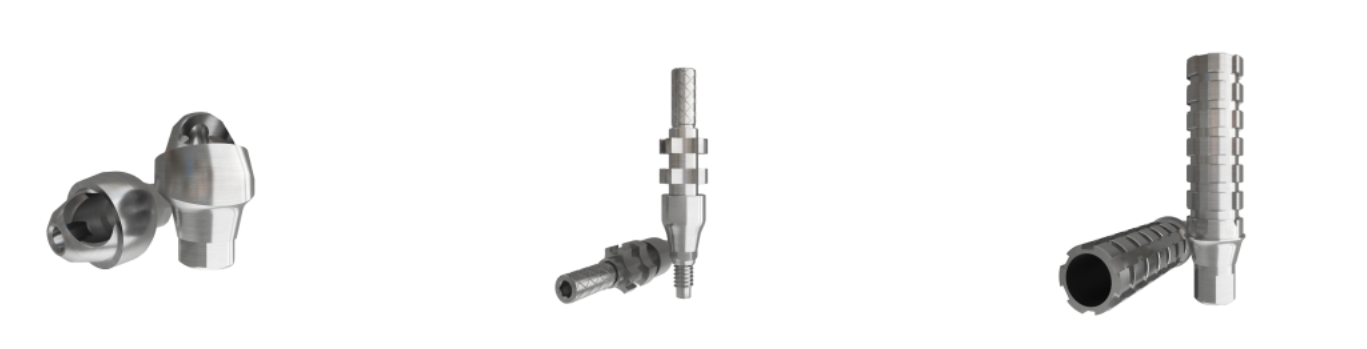
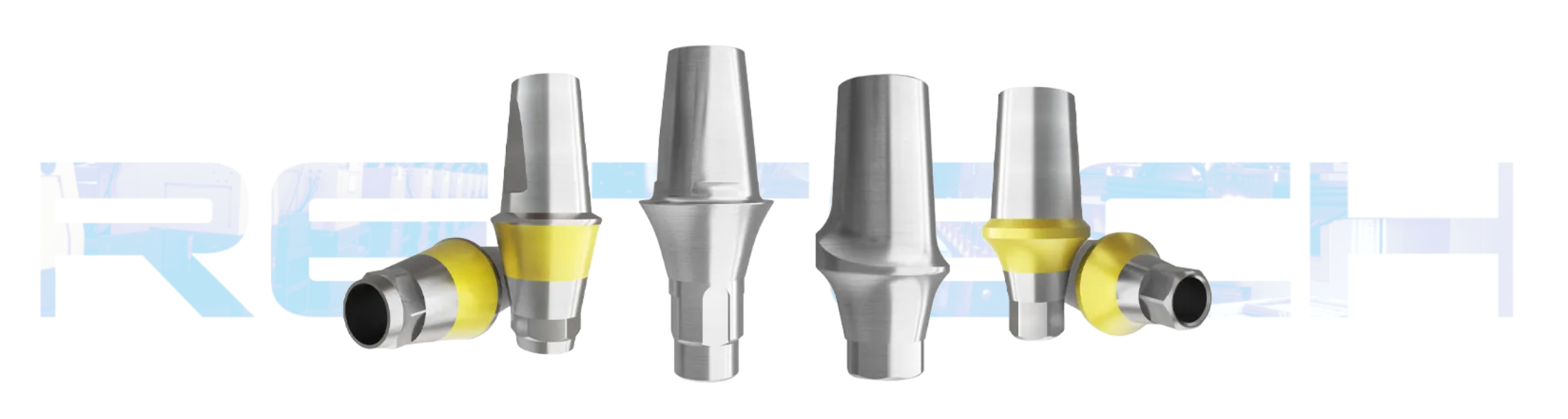
This creates a different kind of market. A clinic does not only need an implant fixture. It needs a full system: implants, cover screws, healing abutments, impression components, scan bodies, temporary abutments, final abutments, torque tools, surgical protocols, and prosthetic compatibility. For B2B buyers, this means demand is moving from single-product purchasing toward system-based purchasing.
A distributor that wants to expand its implant business cannot rely only on offering a low implant price. It also needs stable inventory, clear product coding, prosthetic options, training support, and compatibility information. A clinic choosing a new implant system needs to know whether the system can support common clinical situations such as single crowns, bridges, overdentures, immediate placement, guided surgery, and digital impressions.
This is where OEM and private-label implant manufacturers can become important. For example, a manufacturer such as RE-TECH may not need to compete with premium global brands on brand recognition. Instead, its value can come from stable production, system completeness, compatibility support, and flexible OEM/ODM cooperation for distributors or regional implant brands.
Future implant demand will come from two different patient groups.
The first group is older patients who need functional rehabilitation. These patients may have missing molars, full-arch edentulism, failing dentures, or teeth lost because of periodontal disease. For them, implants are often connected with chewing ability, nutrition, speech, and daily comfort. In the United States, CDC data shows that edentulism increases sharply with age, rising from 1.2% among adults aged 35–49 to 19.7% among adults aged 75 or older.
The second group is younger and middle-aged patients who want better aesthetics, fixed restorations, and long-term solutions after trauma, failed root canal treatment, congenital missing teeth, or severe caries. This group is often more influenced by digital dentistry, social media, treatment speed, and cosmetic expectations.
These two demand sources are different. Older patients often require affordability, bone management, simplified prosthetic options, and predictable maintenance. Younger patients may care more about aesthetics, zirconia abutments, immediate temporization, digital planning, and minimally invasive treatment. For implant suppliers, the future market will reward companies that can serve both needs without forcing every buyer into one product tier.
One mistake in analyzing future dental implant demand is assuming that all growth will benefit the same type of brand. In reality, the implant market is becoming more layered.
Premium implant brands will continue to attract clinics that prioritize research history, strong clinical education, advanced surface technology, and global brand trust. These brands are especially strong in complex cases, high-income markets, specialist clinics, and universities.
Mid-tier implant systems are likely to grow because they offer a balance between clinical reliability and cost control. Many general dentists and regional distributors want systems that feel familiar, are easy to restore, and do not create excessive financial pressure for patients.
Value-based implant systems will also expand, especially in emerging markets and price-sensitive regions. This does not mean buyers only want the cheapest implants. In fact, B2B buyers are often cautious about very low prices because implant failure can damage a clinic’s reputation. The real opportunity is not “cheap implants”; it is “reliable implants at a practical cost.”
Market Segment | Main Buyer Motivation | Future Demand Pattern |
Premium implants | Brand trust, research, education, complex cases | Stable growth in advanced clinics and high-income markets |
Mid-tier implants | Reliability, restorative convenience, reasonable price | Strong growth among general clinics and distributors |
Value-based implants | Cost control, accessibility, private-label opportunity | Fast growth in emerging and competitive markets |
OEM/private-label systems | Brand building, margin control, local market adaptation | Increasing demand from distributors and regional brands |
For B2B customers, this segmentation matters more than ever. A distributor that only carries premium brands may lose price-sensitive clinics. A distributor that only carries low-cost systems may struggle to win trust. The future is likely to favor product portfolios that include multiple tiers and clear clinical positioning.
Digital dentistry is one of the most important forces shaping the future demand for dental implants. Guided surgery, intraoral scanning, CAD/CAM restorations, 3D printing, and digital treatment planning are making implant workflows more standardized.
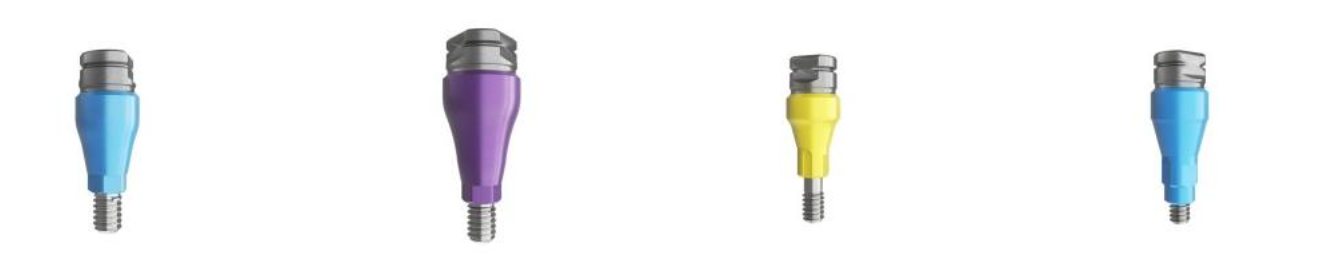
This does not reduce demand for physical implant products. Instead, it changes the type of components buyers need. Scan bodies, digital analogs, titanium bases, compatible abutments, surgical guide kits, and accurate library files become increasingly important. In the past, a distributor could sell implants and prosthetic parts separately. In the future, buyers will ask whether the implant system works smoothly with digital restorative workflows.
This is especially important for clinics that want to increase efficiency. Digital workflows can reduce chair time, improve communication with labs, and support more predictable prosthetic outcomes. However, digital success depends heavily on component accuracy. A poorly designed scan body or unclear compatibility system can create restoration errors, remakes, and clinical frustration.
For implant manufacturers, this means future demand will not only be measured by fixture sales. It will also be measured by how complete and digitally ready the implant system is.
Future implant demand will not grow evenly across all regions.
Europe and North America already have mature implant markets, high awareness, experienced clinicians, and strong premium-brand penetration. Growth in these regions may be driven more by aging populations, digital upgrades, replacement demand, DSOs, and demand for more cost-effective alternatives.
Asia-Pacific may see strong growth because of population size, expanding middle-class demand, dental tourism, increasing private dental clinics, and rising acceptance of implant treatment. China, India, South Korea, Southeast Asia, and parts of the Middle East may remain important markets for both premium and value-based implant systems.
Latin America also has potential, especially where dental tourism, private clinics, and aesthetic dentistry are growing. Brazil, Mexico, Colombia, Chile, and other markets may show increasing interest in implant systems that combine clinical reliability with competitive pricing.
The Middle East and North Africa can be attractive because of private healthcare investment and demand for advanced dental treatment, but purchasing behavior may vary strongly by country. Some buyers prefer premium European systems, while others actively seek OEM or mid-tier alternatives to improve margins.
For manufacturers and distributors, the key is not simply choosing “high-growth countries.” It is matching the product tier to local purchasing behavior. A market with strong demand but weak purchasing power may require a different strategy from a market with high treatment prices and strict brand expectations.
Another important trend is the growing influence of larger clinic groups and dental service organizations. Reuters reported that Straumann has highlighted partnerships with dental service organizations, noting that DSOs represent a significant part of the dentistry market and help drive patient flow and investment in high-end treatments.
This matters because larger dental groups buy differently from small individual clinics. They often care about standardized protocols, stable supply, predictable pricing, staff training, and simplified inventory management. They may not want too many implant platforms because too many systems increase training costs and stock complexity.
For distributors, this creates both opportunity and pressure. Selling to individual clinics may depend on personal relationships and dentist preference. Selling to clinic groups requires a stronger system argument: Why this implant system? How stable is the supply? Are prosthetic parts easy to source? Can the system support digital workflows? Are product codes clear? Is the price structure sustainable?
This is where manufacturers that understand B2B purchasing can stand out. Buyers do not only evaluate the implant body. They evaluate whether the supplier can help them build a repeatable business model.
Although implant demand is rising, affordability remains one of the biggest barriers. In many countries, implant treatment is still paid out-of-pocket. Patients may delay treatment, choose bridges or removable dentures, or select lower-cost implant options.
This is why mid-tier and value-based implant systems will likely gain more attention. A lower product cost can help clinics offer implant treatment to a broader patient group. However, affordability must not come at the expense of quality control. B2B buyers are becoming more careful about documentation, material traceability, surface treatment consistency, sterilization, packaging, and regulatory compliance.
In other words, the future is not a race to the lowest price. It is a race to the best value. The winning suppliers will be those that help clinics and distributors protect both patient outcomes and business margins.
As demand grows, B2B buyers need to evaluate implant suppliers more carefully. A future-ready implant supplier should provide more than a fixture catalog.
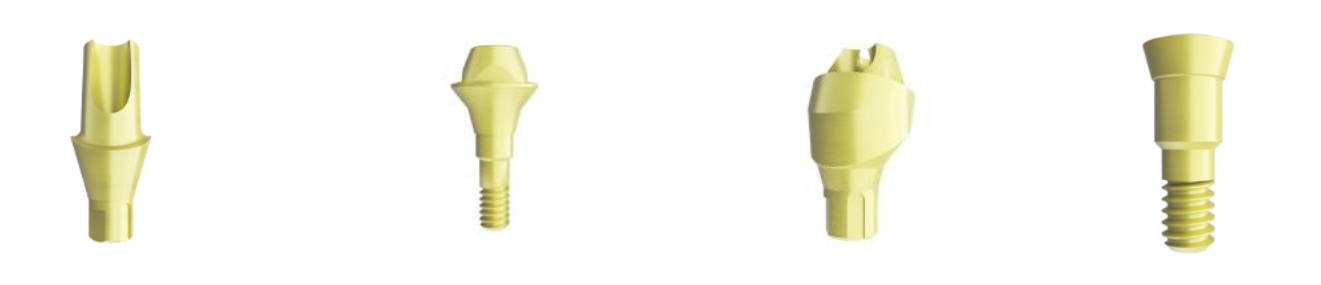
First, the supplier should have a complete implant system. This includes different implant diameters and lengths, prosthetic components, surgical tools, and clear compatibility information. A system with missing components creates problems for distributors and clinicians.
Second, the supplier should offer stable quality control. Implant products require consistent machining, surface treatment, cleaning, packaging, and inspection. Small variations can create major clinical and prosthetic problems.
Third, digital compatibility is becoming more important. Scan bodies, libraries, titanium bases, and CAD/CAM support are no longer optional in many markets.
Fourth, the supplier should understand private-label and regional brand needs. Many distributors do not simply want to resell another company’s brand. They want to build their own market identity while relying on a capable manufacturing partner. This is one reason OEM/ODM cooperation is becoming more relevant in the implant industry.
Retek’s positioning fits this kind of demand when presented correctly: not as a replacement for every premium brand, but as a manufacturing partner for B2B buyers who need stable implant products, OEM flexibility, and system-level support for local market development.
Future demand is strong, but it is not risk-free.
Economic uncertainty can reduce elective dental spending. If patients feel financial pressure, they may delay implant treatment or choose cheaper alternatives. Regulatory requirements can also increase costs for manufacturers and distributors. Markets with strict medical device approval systems may require significant documentation and time before products can be sold.
Another risk is clinical skill variation. Implant treatment is technique-sensitive. If more general dentists enter implantology without sufficient training, complications may rise, which can affect patient confidence. Therefore, education and protocol support will become more important.
Competition is also intensifying. New manufacturers from Asia and other regions are challenging established brands in Europe and North America. This creates more options for buyers but also makes product differentiation harder. Suppliers that cannot explain their quality, compatibility, and value proposition may be treated as interchangeable.
Yes. Most market forecasts expect continued growth over the next decade. The main drivers include aging populations, tooth loss, periodontal disease, rising awareness of implant treatment, digital dentistry, and broader access to private dental care.
Asia-Pacific, Latin America, and parts of the Middle East may show strong growth because of expanding private dental care, growing middle-class demand, and increasing acceptance of implant treatment. Europe and North America will remain important mature markets, especially for premium, digital, and replacement-driven demand.
Premium brands will remain important, especially in advanced clinics and complex cases. However, mid-tier and value-based implant systems are likely to grow because many clinics and distributors need reliable products at more accessible pricing.
Digital dentistry will increase demand for scan bodies, CAD/CAM components, guided surgery kits, titanium bases, digital analogs, and accurate implant libraries. Implant systems that are not digitally compatible may become less attractive to modern clinics.
Distributors should evaluate system completeness, product quality, prosthetic compatibility, documentation, packaging, digital workflow support, delivery stability, and OEM/private-label flexibility. Price matters, but long-term reliability matters more.
Not exactly. The future is not simply about cheaper implants. It is about better value. Clinics and distributors want products that are affordable, but they also need stable quality, predictable restoration, and reliable supply.
OEM manufacturing helps distributors and regional brands build their own implant lines without investing in full production infrastructure. As competition increases, private-label implant systems can help B2B buyers improve margins and adapt products to local market needs.
The future demand for dental implants will be driven by aging populations, oral disease burden, digital dentistry, rising patient expectations, and the global search for better value. However, demand will not grow in a simple straight line. It will become more segmented, more digital, more price-sensitive, and more system-driven.
For clinics, the future is about offering implant treatment that is predictable, efficient, and accessible to more patients. For distributors, the future is about building implant portfolios that balance quality, price, compatibility, and margin. For manufacturers, the future is about providing not just products, but complete systems that help B2B buyers compete in their local markets.
Dental implants will continue to be one of the most important categories in restorative dentistry. But the companies that benefit most from future demand will not necessarily be those with the biggest names. They will be the ones that understand how clinical needs, patient affordability, digital workflows, and B2B supply chains connect.