![[slide:title]](/static/upload/other/20260512/1778551853592214.webp)
![[slide:title]](/static/upload/other/20260512/1778551954982306.webp)
Time:2026-05-13 Form:本站
When Should Clinics Change Implant Systems? A Practical Guide for Dental Clinics and Distributors
Changing an implant system is not a simple purchasing decision. For a dental clinic, it affects surgical workflow, prosthetic planning, inventory management, staff training, patient communication, and long-term maintenance. For a distributor, it can influence product positioning, after-sales support, stock turnover, pricing strategy, and customer retention.
Many clinics continue using the same implant system for years because it feels familiar. Familiarity has value. Surgeons know the drilling protocol, assistants understand the kit layout, and prosthetic teams are used to the abutment connection. However, a familiar system is not always the best system forever. As case volume grows, patient expectations change, digital workflows expand, and costs rise, clinics may begin to question whether their current implant system is still the right fit.
The important question is not simply, “Which implant system is better?” A better question is:
when does changing implant systems create more value than staying with the current one?
This article explains the key situations where clinics should consider changing implant systems, when they should avoid switching, and how to make the transition with lower clinical and operational risk.
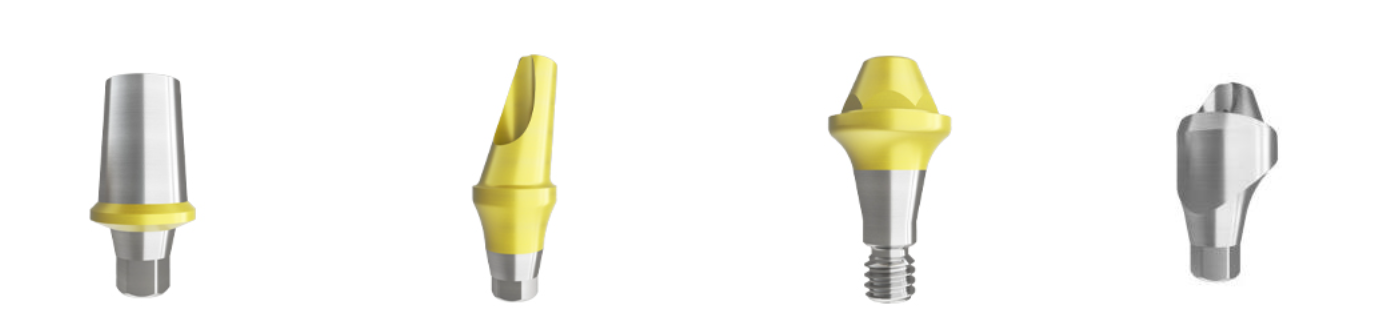
Changing an implant system means more than replacing one implant brand with another. A dental implant system usually includes the implant body, surgical drills, drivers, impression components, scan bodies, healing abutments, temporary abutments, final abutments, prosthetic screws, analogs, digital libraries, and sometimes guided surgery tools.
Because these components work together, switching systems may affect the entire treatment workflow. A clinic may change from one premium system to another, move from a high-cost brand to a more cost-effective system, add a second system for specific cases, or introduce an OEM/private-label implant line through a trusted manufacturer.
For example, a clinic may continue using a premium implant system for complex esthetic cases but add a more cost-efficient system for routine posterior cases. A distributor may keep premium brands in its portfolio while introducing a stable OEM-compatible line from manufacturers such as RE-TECH to serve clinics that need reliable quality, flexible supply, and more competitive pricing.
The key is not to switch blindly. Clinics should change implant systems only when there is a clear clinical, operational, or business reason.
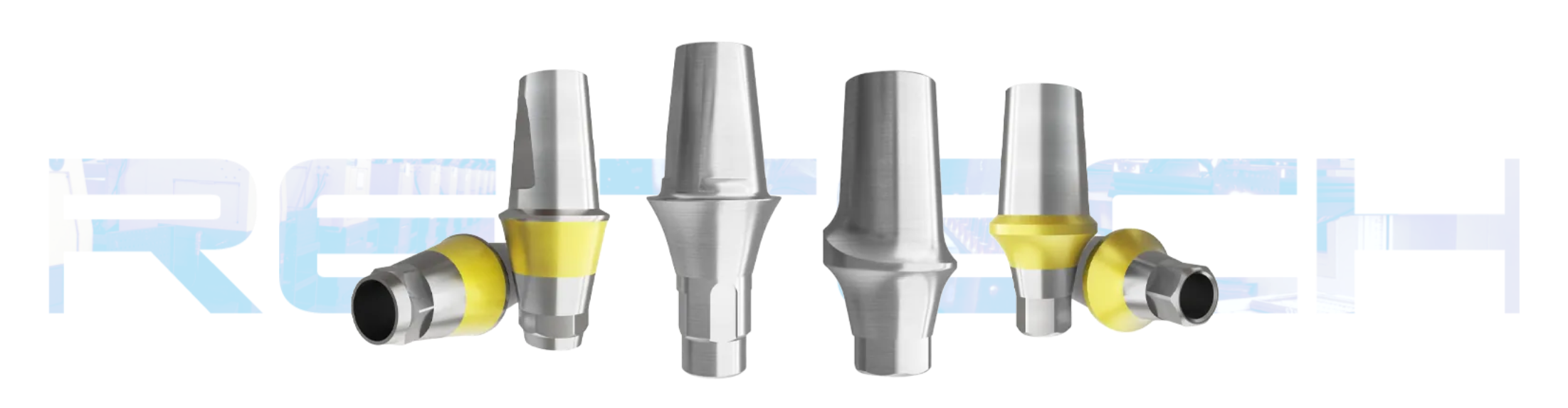
One of the most common reasons clinics consider changing implant systems is cost pressure. Implant treatment is price-sensitive in many markets. Patients often compare treatment costs across clinics, and clinics must balance treatment quality with affordability.
A premium implant system may offer excellent brand recognition, long clinical history, and strong marketing support. However, if the implant cost is too high, it can reduce the clinic’s flexibility. The clinic may struggle to offer competitive treatment packages, especially in markets where patients are sensitive to price or where insurance coverage is limited.
This does not mean clinics should simply choose the cheapest implant. A low-cost implant system with poor manufacturing control, weak documentation, unstable supply, or limited prosthetic options can create bigger problems later. The real goal is cost-performance balance.
Clinics should consider changing or adding a new implant system when:
l Implant cost is limiting case acceptance.
l Patients reject treatment because the total price is too high.
l The clinic cannot maintain healthy profit margins.
l Competitor clinics offer similar treatment at lower prices.
l The current system does not provide enough value to justify its cost.
A well-positioned alternative implant system can help clinics protect margins while keeping treatment accessible. For distributors, this is also a strong business opportunity. Clinics often do not want a “cheap implant”; they want a system that gives them confidence, predictable component availability, and reasonable pricing.
Even a technically strong implant system can become a problem if the supply chain is unreliable. Implant treatment requires planning. Clinics need the right implant sizes, healing abutments, impression parts, scan bodies, and final prosthetic components at the right time.
If a clinic often faces delayed deliveries, missing components, backorders, or unclear stock updates, the system becomes risky. Surgery may be postponed. Prosthetic delivery may be delayed. Patient satisfaction may decrease. Staff may spend too much time solving supply problems instead of focusing on treatment.
Clinics should consider changing implant systems when supply problems become repeated rather than occasional.
Typical warning signs include:
Supply Problem | Impact on Clinic |
Frequent out-of-stock implant sizes | Delayed surgeries and limited treatment planning |
Missing prosthetic components | Delayed restoration delivery |
Long import lead time | Higher inventory pressure |
Poor distributor communication | Increased staff workload |
Unstable batch availability | Difficult long-term case maintenance |
For distributors, supply stability is one of the strongest selling points. Many clinics care less about fancy marketing and more about whether the product they need is available when they need it. A system with stable production capacity, clear product codes, and consistent component support can become very attractive to growing clinics.
Implant success does not end after osseointegration. Long-term satisfaction often depends on prosthetic flexibility. Clinics need different abutment options, angulated solutions, multi-unit components, scan bodies, digital libraries, and compatibility with common CAD/CAM workflows.
A clinic may begin with simple single-unit implant cases. At that stage, a basic system may be enough. But as the clinic handles more complex cases, the limitations of the implant system become obvious.
A system may no longer be suitable if:
l It has limited abutment height or angulation options.
l It lacks reliable scan bodies or digital libraries.
l It does not support full-arch or multi-unit workflows well.
l Prosthetic screws and drivers are difficult to source.
l The connection design creates confusion for the lab.
l The system is not widely understood by local technicians.
Modern clinics increasingly rely on digital workflows. If the implant system does not integrate smoothly with intraoral scanning, CAD/CAM design, and digital lab communication, the clinic may lose efficiency. In such cases, changing implant systems—or adding a system with better digital compatibility—can improve the entire treatment process.
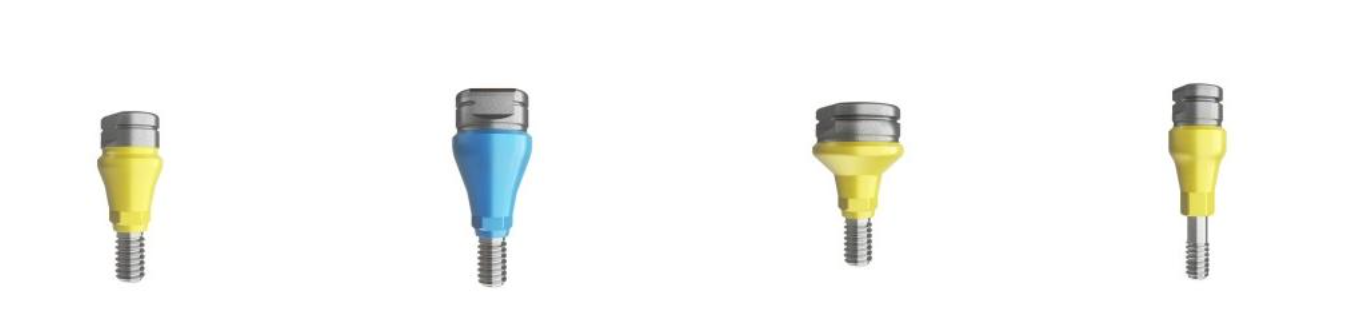
Some clinics use too many implant systems at the same time. This often happens gradually. One surgeon prefers one brand, another dentist uses a different brand, and older cases come from previous purchasing decisions. Over time, the clinic may accumulate many implant kits, drivers, prosthetic screws, analogs, scan bodies, and abutments.
This creates hidden costs. Staff must manage more product codes. Assistants must prepare different kits. The clinic must hold more inventory. Mistakes become easier. The prosthetic team may need to identify unfamiliar components for maintenance cases.
Changing implant systems may be necessary when the clinic wants to simplify and standardize.
A simplified implant portfolio can help clinics:
l Reduce inventory cost.
l Lower component confusion.
l Improve staff training.
l Make ordering easier.
l Reduce chairside delays.
l Improve communication with dental labs.
However, standardization does not always mean using only one implant system. Many clinics benefit from a two-tier strategy: one premium or highly recognized system for selected cases, and one stable cost-effective system for routine cases. This gives the clinic flexibility without creating excessive complexity.
An implant system is not only a product. It is also a support structure. Clinics need training, product information, surgical protocols, prosthetic guidance, and fast problem-solving. If local support is weak, even a good implant system can become difficult to use.
Weak support may include slow responses, unclear product documentation, lack of training materials, poor communication from distributors, or difficulty obtaining replacement components.
Clinics should think about switching when they often feel unsupported after purchase. This is especially important for clinics that are expanding their implant services. New implant dentists and staff members need practical guidance, not only product catalogs.
For distributors, this is a key differentiator. Many implant brands compete on price, but clinics remember who helped them solve real problems. A distributor working with a responsive manufacturer can build stronger trust by offering clear component charts, compatibility information, product codes, and technical communication.
Clinics change over time. A clinic that once handled only basic implant cases may later begin offering immediate implantation, esthetic-zone cases, full-arch rehabilitation, guided surgery, or digital implant workflows. As the case mix changes, the implant system must still fit the clinic’s needs.
A system that works well for simple posterior single implants may not be ideal for full-arch restoration. A system that has basic stock abutments may not provide enough flexibility for esthetic cases. A system with limited implant diameters and lengths may restrict treatment planning.
Clinics should review their implant system when:
l More patients request faster treatment.
l The clinic starts offering digital implant planning.
l Full-arch or multi-unit cases increase.
l Esthetic-zone cases become more common.
l The clinic wants to serve a wider patient group.
l Surgical and prosthetic teams need more advanced options.
Changing systems should be connected to the clinic’s development stage. The best implant system for a small clinic may not be the best system for a growing multi-chair practice.
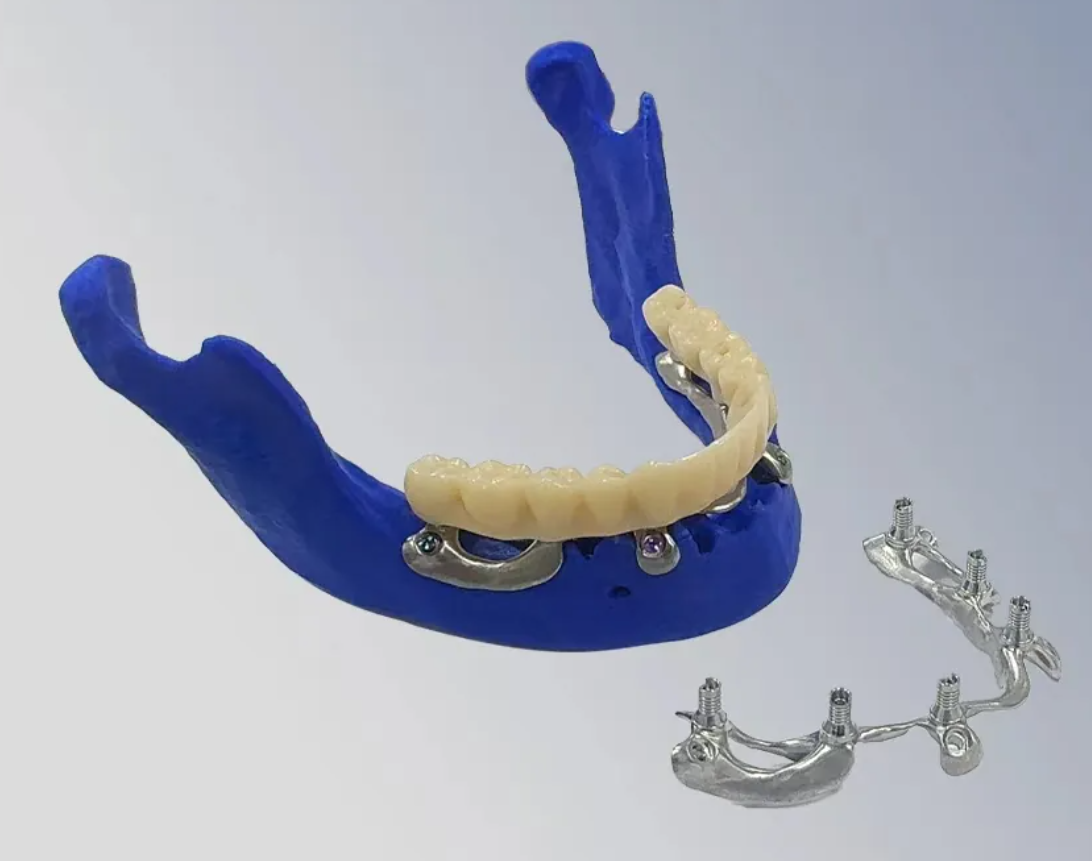
Long-term maintenance is an important but often underestimated reason to change implant systems. If a clinic repeatedly experiences loose screws, difficulty identifying components, limited replacement parts, prosthetic complications, or inconsistent component fit, it may need to evaluate the system more seriously.
Not every complication is caused by the implant system. Surgical technique, occlusion, prosthetic design, patient habits, and lab quality all matter. However, if problems are repeated across multiple cases and operators, the product system should be reviewed.
A clinic should ask:
l Are prosthetic screws easy to source?
l Are drivers and torque recommendations clear?
l Are components consistently manufactured?
l Are scan bodies and analogs accurate enough for digital work?
l Are replacement parts available for older cases?
l Does the distributor provide fast technical support?
Implant systems are long-term platforms. A clinic is not only buying implants for today’s surgeries; it is also committing to future maintenance. If long-term component support is weak, changing systems may reduce future risk.
For growing clinics, implant system selection becomes a business strategy. A clinic performing five implant cases per month may tolerate higher unit costs and complex ordering. A clinic performing fifty cases per month needs better cost control, inventory planning, and supplier reliability.
At higher case volumes, small differences become significant. A small reduction in implant cost can improve annual profitability. Better inventory standardization can save staff time. Faster delivery can reduce schedule disruption.
Clinics should consider changing implant systems when implant treatment becomes a major part of the business and the current system no longer supports growth efficiently.
This is also where OEM or manufacturer-direct cooperation becomes relevant. Some clinics and distributors explore manufacturer-supported implant lines to improve pricing, supply stability, and product control. In this context, manufacturers like RE-TECH may be considered by B2B buyers who are looking for implant products with OEM capability, consistent production, and compatibility-focused component planning. The decision should still be based on clinical requirements, documentation, local regulatory conditions, and long-term support—not price alone.

Changing implant systems can bring benefits, but switching at the wrong time can create unnecessary risk. Clinics should not change systems only because a new supplier offers a lower price. Price matters, but implant treatment is too complex for price to be the only factor.
Clinics should avoid switching when:
Situation | Why It Is Risky |
The team has no training plan | Surgical and prosthetic errors may increase |
The new system has limited documentation | Hard to evaluate quality and compatibility |
Components are not available locally | Future maintenance becomes difficult |
The clinic has many active cases in progress | Mixed workflows can create confusion |
The switch is based only on discount pricing | Long-term value may be poor |
The distributor cannot provide support | Problems become harder to solve |
A clinic should also be careful when switching during a busy surgical schedule. It is better to introduce a new system gradually, starting with selected cases and trained operators.
Clinics do not always need to completely replace their existing implant system. In many cases, adding a second system is safer and more practical.
This is suitable when the clinic is generally satisfied with its current system but needs more cost flexibility or better supply options.
Advantages:
l Lower transition risk.
l Existing cases remain supported.
l Surgeons can compare performance gradually.
l The clinic can use different systems for different indications.
l Staff training can be phased.
This is often the best path for clinics that want to test a new implant system without disrupting current workflows.
This may be suitable when the current system has serious problems such as poor supply, weak support, high cost, or repeated component issues.
Advantages:
l Simpler long-term inventory.
l Stronger standardization.
l Easier staff training after transition.
l Better control over supplier relationships.
However, full replacement requires careful planning. The clinic must maintain support for old cases while building confidence in the new system.
Many clinics benefit from a tiered strategy. For example:
l Premium system for highly complex or brand-sensitive cases.
l Cost-effective system for routine posterior cases.
l Specialized system for full-arch or digital workflows.
This approach gives clinics both flexibility and control. It also helps distributors build a more complete product portfolio.
Before changing implant systems, clinics and distributors should compare more than implant price. A complete evaluation should include clinical, prosthetic, logistical, and business factors.
Evaluation Factor | What to Check |
Implant design | Thread design, connection type, surface treatment, sizes |
Surgical workflow | Drilling protocol, kit design, learning curve |
Prosthetic options | Abutments, scan bodies, multi-unit parts, temporary components |
Digital compatibility | CAD/CAM libraries, scan body accuracy, guided surgery support |
Documentation | Catalogs, instructions, torque values, product traceability |
Supply stability | Inventory availability, lead time, batch consistency |
Training support | Surgical protocol, prosthetic guidance, distributor education |
Cost-performance | Implant cost, component cost, long-term maintenance cost |
Regulatory suitability | Local registration, import rules, documentation requirements |
Manufacturer reliability | Production control, quality inspection, OEM/ODM experience |
This broader comparison helps clinics avoid a common mistake: choosing an implant system that looks cheaper at first but becomes more expensive in daily operation.
A safe transition should be gradual, documented, and practical. Clinics should not introduce a new system into complex cases before the team understands the workflow.
The clinic should clearly define why it wants to change. Is the problem cost, supply, prosthetic limitation, digital workflow, local support, or inventory complexity? Without a clear reason, switching may not solve anything.
Start with simple, low-risk cases where the surgical and prosthetic workflow is predictable. Avoid beginning with full-arch, immediate loading, severe bone deficiency, or highly esthetic anterior cases unless the team already has strong experience with the system.
The surgeon, assistants, prosthetic team, and lab should understand the new system’s drilling sequence, torque values, connection type, component codes, and prosthetic workflow. Training reduces chairside confusion.
Do not start using a new implant system with only implant fixtures in stock. The clinic should also prepare cover screws, healing abutments, impression components, scan bodies, prosthetic screws, drivers, and common abutments.
Many problems occur because the lab does not recognize the implant connection or lacks the correct digital library. Before using the system, the clinic should confirm that the lab can support the components.
The clinic should monitor insertion torque, healing outcomes, prosthetic fit, screw stability, component handling, and patient feedback. Early tracking helps the clinic decide whether to expand usage.
Even after switching, clinics must maintain the ability to service patients who already received the previous implant system. This includes keeping drivers, screws, and component information for maintenance.
Clinics rarely change implant systems after one sales pitch. The decision usually comes from repeated frustration or a clear business need. Distributors should not push clinics to switch too aggressively. Instead, they should help clinics compare systems logically.
The strongest distributor strategy is to reduce perceived risk. Clinics need confidence that the new system will not create problems for surgery, restoration, inventory, or maintenance.
Distributors can support switching by providing:
l Clear product catalogs.
l Component compatibility charts.
l Training materials.
l Case selection guidance.
l Stable stock planning.
l Fast technical response.
l Honest comparison with existing systems.
l Transparent pricing structure.
A distributor who only says “our implant is cheaper” may attract attention, but a distributor who says “we can help you reduce cost while keeping your workflow stable” is more likely to win long-term clinic trust.
This is why manufacturer support matters. When distributors work with implant manufacturers that understand OEM production, component planning, and international B2B supply, they can offer more than just products. They can offer a more stable business solution.
The first mistake is switching too quickly. A clinic may become excited by a lower price or attractive promotion and order a new implant system without training the team or checking prosthetic support.
The second mistake is ignoring component availability. Implants are only one part of the system. If healing abutments, impression components, scan bodies, or prosthetic screws are hard to source, the clinic will face problems later.
The third mistake is using too many systems at once. Adding options can help, but too many implant platforms create confusion and inventory pressure.
The fourth mistake is not involving the dental lab. In digital dentistry, the lab is part of the workflow. If the lab cannot identify the connection or access the right library, the clinic may face delays.
The fifth mistake is evaluating only short-term cost. A slightly cheaper implant may become expensive if support is poor, components are inconsistent, or replacement parts are unavailable.
Changing implant systems should be treated as a strategic decision, not a simple purchase.
The best time is when the current system repeatedly creates problems in cost, supply, prosthetic flexibility, digital workflow, or business efficiency. A clinic should not wait until these problems seriously affect patient treatment. However, switching should be planned carefully and introduced gradually.
No. Cost is important, but it should not be the only reason. A lower-cost implant system must still provide reliable quality, stable components, clear documentation, prosthetic support, and long-term availability. The goal is cost-performance balance, not simply the lowest price.
For many clinics, adding a second implant system is safer than full replacement. It allows the clinic to test the system, train the team, and use it for selected cases. Full replacement may be suitable when the old system has serious supply, cost, or support problems.
Clinics should check implant design, surgical protocol, prosthetic components, scan body availability, digital library support, torque recommendations, local supply, training support, documentation, and long-term component availability.
Yes, if the change is poorly managed. A new system requires proper training, case selection, inventory preparation, and lab communication. When introduced carefully, changing systems can improve workflow and cost control without compromising treatment planning.
Distributors can help by providing training, product documentation, component charts, stable inventory, clear pricing, case support, and fast technical communication. Clinics are more likely to switch when the distributor reduces risk and makes the transition easier.
Yes. Clinics should keep essential tools and component information for patients who already received the old system. Long-term maintenance is part of responsible implant care.
The biggest risk is underestimating the full system behind the implant. Clinics may focus on the implant fixture but forget about prosthetic screws, drivers, scan bodies, abutments, lab compatibility, and future maintenance. A good transition plan must include the entire workflow.
A clinic should consider changing implant systems when the current system creates repeated limitations in cost, supply, prosthetic flexibility, digital workflow, inventory control, or support. The stronger and more frequent these problems become, the more reasonable it is to evaluate alternatives.
However, the clinic should not switch simply because another system is cheaper. The right implant system should support clinical predictability, efficient workflow, long-term maintenance, and sustainable business growth.
A practical decision framework is:
1. Identify the main problem.
Is it cost, supply, components, workflow, or support?
2. Measure the business impact.
Is the current system reducing case acceptance, margin, or efficiency?
3. Check clinical suitability.
Does the new system fit the clinic’s case types and surgical style?
4. Evaluate prosthetic and digital support.
Are scan bodies, libraries, abutments, and lab workflows ready?
5. Review supplier reliability.
Can the distributor or manufacturer support long-term use?
6. Introduce gradually.
Start with selected cases before wider adoption.
For clinics, the best implant system is not always the most famous one or the cheapest one. It is the system that fits their clinical workflow, patient market, team ability, and long-term business direction.
For distributors and B2B buyers, this creates an important opportunity. Clinics are not only looking for implants; they are looking for reliable systems, stable supply, and practical support. Manufacturers such as RE-TECH can be naturally considered in this context when buyers need OEM capability, component planning, and implant solutions designed for clinic and distributor needs.
Changing implant systems is not about abandoning what worked before. It is about recognizing when the clinic’s needs have changed—and choosing a system that supports the next stage of growth.