![[slide:title]](/static/upload/other/20260512/1778551853592214.webp)
![[slide:title]](/static/upload/other/20260512/1778551954982306.webp)
Time:2026-05-12 Form:本站
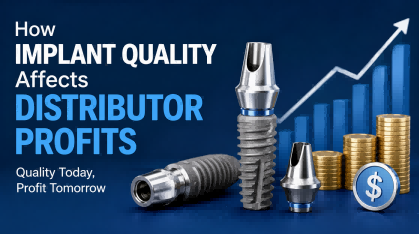 How Implant Quality Affects Distributor Profits: A Practical Guide for Dental Implant Distributors
For many dental implant distributors, profit is first calculated in a simple way: buy at one price, sell at a higher price, and keep the margin. On paper, this looks logical. In reality, dental implant distribution is not a normal trading business. A distributor is not selling a disposable commodity. They are selling a medical device that must perform inside the human body, support clinical confidence, satisfy regulatory expectations, and protect the reputation of the dentist, clinic, importer, and local brand.
That is why implant quality has a direct impact on distributor profit.
A low purchase price may create an attractive gross margin at the beginning. But if product quality is unstable, the distributor may lose money through replacements, complaints, delayed registrations, unsold inventory, damaged relationships, and reduced reorder rates. On the other hand, a stable implant system with consistent machining, surface treatment, packaging, documentation, and compatibility can help distributors build a more profitable business over time.
Dental implants are surgically placed medical devices, and implant failure can lead to the need for another procedure to repair or replace the system, according to the FDA. This means that product quality is never just a technical issue. For distributors, it is a financial issue, a brand issue, and a long-term market access issue.
Distributors usually focus on five business goals: winning new customers, keeping existing customers, protecting margin, reducing after-sales problems, and expanding market share. Implant quality influences every one of these goals.
A high-quality implant system helps dentists feel safer when recommending the product to patients. It also reduces the distributor’s need to constantly solve problems after the sale. When a dentist trusts the implant system, they are more likely to reorder, recommend it to colleagues, and use more components from the same system. That creates repeat business.
A low-quality or inconsistent implant system may still sell in the short term, especially in price-sensitive markets. But the distributor often pays later. The real cost may appear through complaints, returned goods, emergency replacements, brand reputation damage, lost clinicians, and difficulty increasing price.
This is why experienced distributors do not judge implants only by unit price. They judge the total profit impact across the full product life cycle.
Implant quality is often misunderstood. Some buyers think quality only means the implant does not break. That is too narrow. For a distributor, implant quality includes several layers.
First, material quality matters. Most dental implants are made from titanium or titanium alloy because these materials are widely used for implantable medical devices. The material must be controlled, traceable, and suitable for the intended use. Poor material control can create risk not only for clinical performance but also for regulatory documentation and importer confidence.
Second, machining precision matters. The implant body, connection, thread design, internal interface, abutment fit, screw channel, and prosthetic components must be manufactured consistently. Even small dimensional deviations can create prosthetic complications, unstable seating, screw loosening, or mismatch between components.
Third, surface treatment matters. Implant surfaces are not just cosmetic. Research has shown that surface characteristics, including roughness and surface modification, influence osseointegration and implant stability. A systematic review on implant surface roughness reported that surface modification can improve clinical outcomes such as survival, early loading success, and marginal bone preservation.
Fourth, cleanliness and packaging matter. A dental implant may look clean to the eye, but medical device cleanliness depends on controlled processing, washing, inspection, sterile packaging, and validated handling procedures. Packaging quality also affects the dentist’s first impression. A damaged or low-grade package can make the whole system feel risky even before surgery begins.
Fifth, documentation matters. Distributors often need certificates, batch traceability, product specifications, sterilization information, IFU documents, and regulatory files. A manufacturer that cannot provide stable documentation may create delays for importers, hospitals, tenders, and registration work.
This is why ISO 13485 is important in the medical device supply chain. ISO describes ISO 13485 as the internationally recognized quality management system standard for medical devices, including design and manufacture. For distributors, this type of quality system is not just a certificate to show customers. It is a sign that the manufacturer has structured processes for consistency, risk control, and regulatory discipline.
Many distributors make the mistake of comparing implant suppliers only by purchase price. For example:
Supplier A sells an implant at a lower price.
Supplier B sells an implant at a slightly higher price.
At first, Supplier A looks more profitable. But real profit is not calculated only at the moment of purchase. A better formula is:
Real distributor profit = sales revenue – product cost – complaint cost – replacement cost – inventory loss – training cost – reputation loss – lost reorder value
This formula changes everything.
If a low-cost implant creates more complaints, more prosthetic issues, more customer hesitation, and lower reorder rates, the real profit may be lower than expected. A higher-quality implant with a slightly higher purchase price may generate better long-term profit because it protects repeat sales and reduces after-sales pressure.
For B2B distributors, repeat orders are often more valuable than first orders. The first order only proves that a clinic is willing to test the system. The second and third orders prove trust. Quality is what turns trial orders into stable purchasing behavior.
One of the most obvious ways implant quality affects profit is through warranty cost. When an implant, abutment, screw, or prosthetic component creates a problem, the distributor is often the first person the customer contacts. Even if the manufacturer is responsible, the distributor still spends time, communication energy, and sometimes money to solve the issue.
This can include free replacement implants, replacement abutments, shipping fees, urgent stock movement, discount compensation, technical explanation, and customer service time. In some markets, the distributor may even offer extra support to protect the relationship with the dentist.
The FDA notes that dental implant complications may include implant failure, infection, injury to surrounding tissues, and the need for another procedure to fix or replace the implant system. Not every complication is caused by the implant product itself. Surgical technique, patient health, bone condition, oral hygiene, occlusion, and restoration design also matter. However, when product quality is questionable, the distributor has less ability to defend the brand or protect customer confidence.
A quality-controlled implant system gives the distributor stronger ground when handling complaints. Batch records, traceability, inspection reports, and clear technical specifications help separate product issues from clinical or procedural factors. Without documentation, every complaint becomes harder to manage.
Dentists are not only buying an implant. They are buying predictability.
A dentist wants to know that the implant will seat properly, the cover screw will fit, the healing abutment will match, the impression coping or scan body will be accurate, and the final restoration will not become a nightmare. If a distributor’s implant system causes uncertainty, the dentist may return to a more familiar brand, even if it costs more.
This is where quality directly affects reorder rate.
A distributor can persuade a clinic to try a new system through price, promotion, samples, or personal relationship. But only product stability can persuade the clinic to continue using it. If the first several cases go smoothly, the dentist gains confidence. If the prosthetic workflow is easy, the clinic may begin to use the system for more cases. If components are consistently available, the distributor becomes part of the clinic’s daily workflow.
That is much more profitable than constantly finding new customers.
In many markets, the most successful implant distributors are not the ones with the cheapest products. They are the ones whose products become “safe choices” for dentists. Safe does not always mean premium-priced. It means stable, predictable, and supported.

Low-quality products force distributors into price competition. When dentists do not fully trust a product, the only reason to buy is usually price. That puts the distributor in a weak position. Every competitor can attack the offer by selling cheaper.
Quality gives a distributor more pricing power.
A well-made implant system with reliable packaging, clean branding, clear documentation, stable compatibility, and good after-sales support can be positioned as a value-based alternative rather than a cheap substitute. This is especially important for distributors who want to serve private clinics, implant centers, dental chains, and professional buyers.
Good quality does not mean the distributor must sell at premium-brand prices. It means the distributor can defend a reasonable margin. The sales conversation changes from “We are cheaper” to “We offer stable quality, reliable components, and a better total cost for your clinic.”
That difference is huge.
A distributor who only competes on price will always be replaced by a cheaper supplier. A distributor who competes on quality, consistency, and support can build a more defensible business.
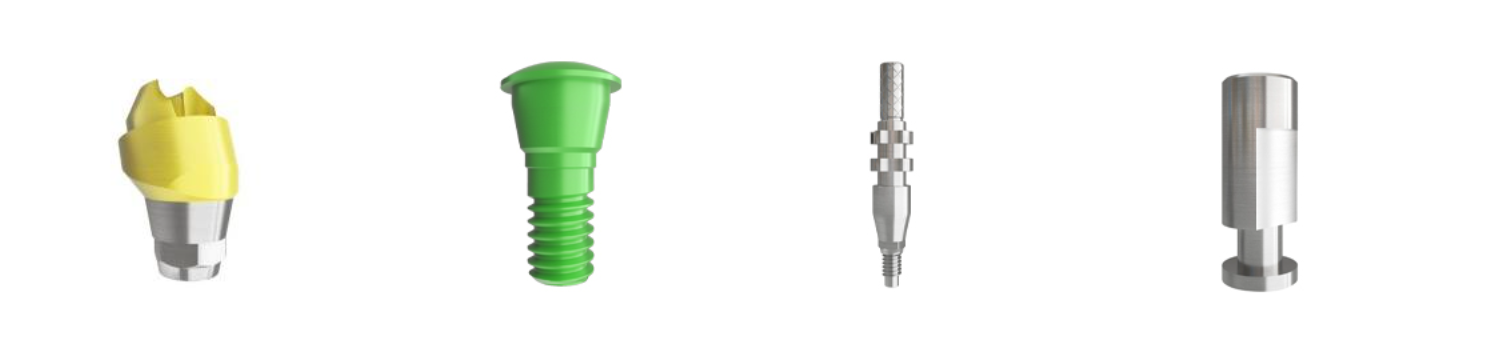
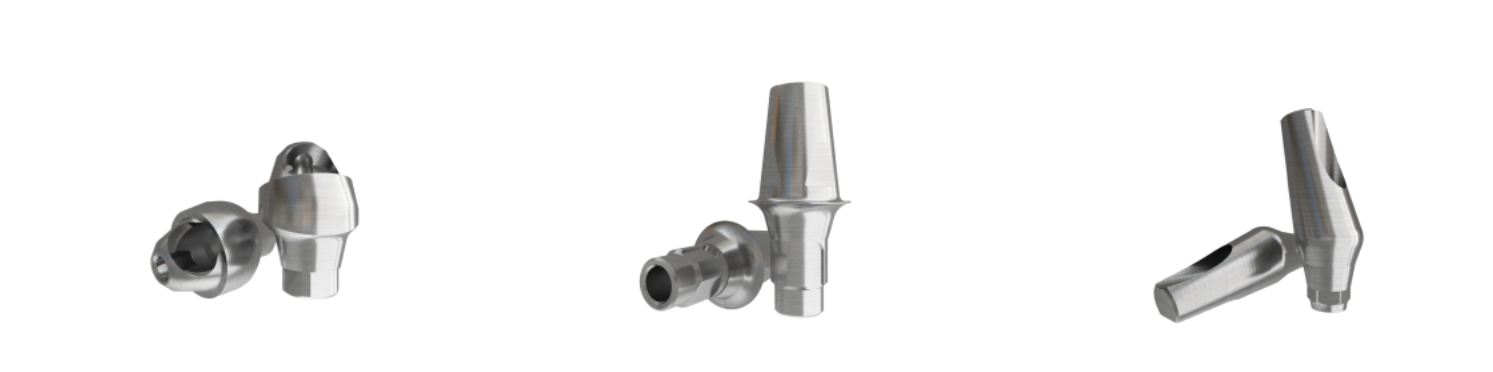
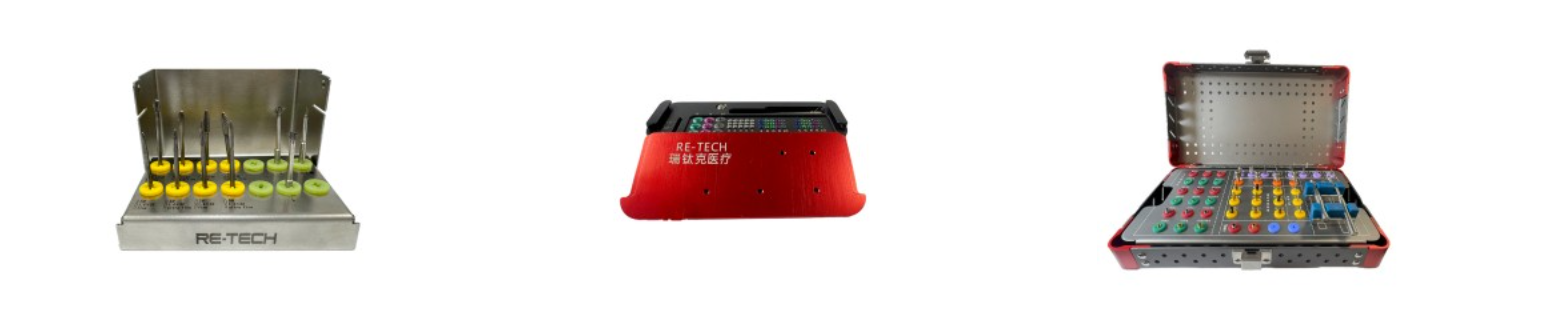
Inventory is one of the biggest hidden risks in dental implant distribution. A distributor usually needs to stock multiple implant diameters, lengths, cover screws, healing abutments, impression copings, scan bodies, analogs, prosthetic screws, straight abutments, angled abutments, multi-unit components, and surgical kits.
If product quality is unstable, inventory risk increases.
For example, if a batch has packaging problems, dimensional inconsistency, unclear labeling, or compatibility complaints, the distributor may need to stop selling part of the stock. That money is trapped. Worse, the distributor may need to explain the issue to clinics that already purchased products from the same batch.
Stable manufacturing reduces this risk. Good batch control, inspection procedures, and traceability make it easier to manage stock confidently. It also helps distributors rotate inventory and supply clinics without fear that one component will create problems later.
For an implant distributor, unsold or questionable inventory is not just a storage problem. It is frozen cash.
In dental implant distribution, reputation spreads quickly. Dentists talk to other dentists. Surgical problems, prosthetic frustrations, missing components, and poor after-sales support can damage a brand faster than advertising can build it.
A distributor’s brand reputation depends heavily on product experience. Marketing may open the door, but product quality keeps the door open.
If dentists associate a distributor’s implant system with smooth surgery, reliable prosthetics, and responsive support, the distributor gains trust. If they associate it with uncertainty, even aggressive pricing may not recover the relationship.
This is why quality is especially important for distributors building their own private label implant brand. A private label strategy can be profitable because it allows the distributor to control pricing, packaging, positioning, and market identity. But private label also concentrates responsibility. If the product fails to meet expectations, the local brand suffers directly.
For this reason, distributors working with OEM manufacturers should evaluate not only the product sample but also the manufacturer’s consistency, quality system, documentation, and ability to support long-term supply.
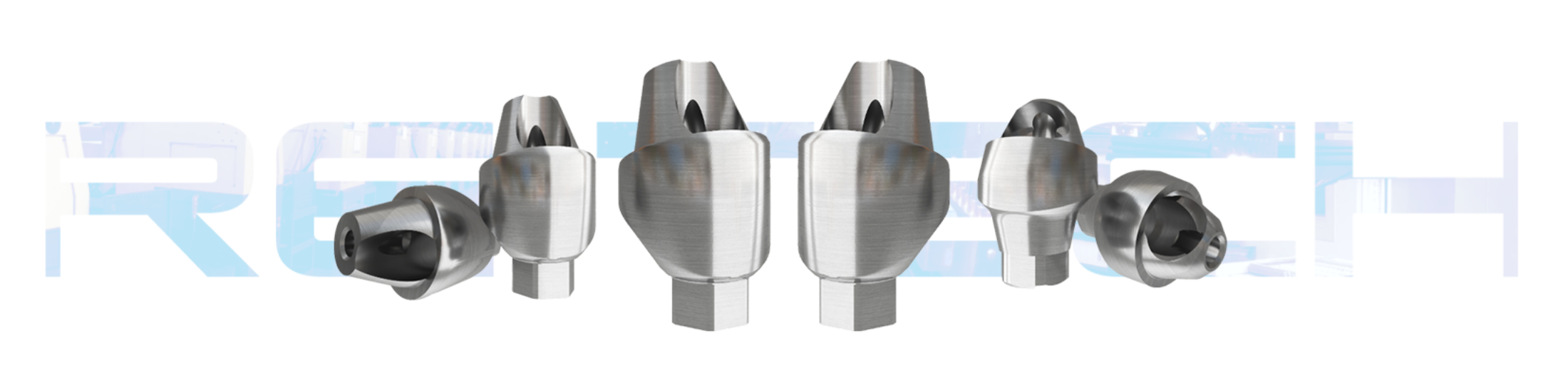
RE-TECH, for example, is positioned as a dental implant manufacturer supporting OEM and distributor-focused supply. For distributors comparing implant partners, the more important question is not simply whether a factory can make an implant, but whether it can maintain stable quality across batches, components, packaging, and documentation.
In many markets, distributors do not only sell to individual dentists. They may also sell to hospitals, group clinics, government-related buyers, or tender channels. These customers often require stronger documentation and quality proof.
Regulatory expectations for dental implants are becoming more structured. The FDA published guidance in 2024 for endosseous dental implants and abutments under the Safety and Performance Based Pathway, focusing on performance criteria for safety and performance in premarket submissions. This reflects a broader reality: implant products are expected to demonstrate safety, performance, and technical control.
For distributors, stronger documentation can create more business opportunities. A supplier with organized technical files, quality certificates, traceability, test information, and product specifications makes it easier for the distributor to enter more serious channels.
Poor documentation creates the opposite problem. Even if the price is attractive, the distributor may be blocked from tenders, registration, hospital purchasing, or professional clinic chains.
In other words, quality affects not only profit per unit. It affects which customers the distributor can access.
A high-quality implant system is easier to sell because the sales team can explain it with confidence. The distributor can train salespeople around clear points: material, surface treatment, connection design, compatibility, packaging, clinical workflow, prosthetic options, and OEM support.
A weak product creates a weak sales team.
If salespeople are not confident, they will avoid technical conversations. They may depend only on price. They may struggle when dentists ask about surface treatment, torque, connection accuracy, certificates, or component compatibility. This reduces conversion rate.
Good quality gives the distributor’s team better sales language. It allows the business to sell with evidence instead of pressure.
For example, instead of saying:
“Our implant is cheaper.”
A distributor can say:
“Our system is designed for stable clinical workflow, consistent component matching, controlled surface treatment, and reliable supply for distributors and clinics.”
That message is stronger, especially for B2B buyers who care about long-term cooperation.
Factor | Low-Cost, Unstable Implant Supply | Quality-Controlled Implant Supply |
Initial purchase price | Lower | Slightly higher |
Gross margin on first order | Looks attractive | May look moderate |
Complaint risk | Higher | Lower |
Reorder rate | Unstable | Stronger |
Dentist confidence | Price-dependent | Trust-dependent |
Brand positioning | Cheap alternative | Reliable value option |
Inventory risk | Higher if batches vary | Lower with traceability |
Documentation | Often incomplete | More organized |
Tender potential | Limited | Stronger |
Long-term profit | Unpredictable | More sustainable |
The key point is simple: the cheapest implant is not always the most profitable implant.
A distributor should not ask only,
“How much can I earn from one implant?”
A better question is,
“How much profit can this implant system generate over three years without damaging my market reputation?”
Before choosing a dental implant manufacturer, distributors should build a practical evaluation checklist.
Start with the product itself. Check implant design, connection type, thread structure, surface treatment, prosthetic compatibility, packaging quality, labeling, and surgical kit usability. Do not evaluate only one sample. Ask how the manufacturer controls consistency across batches.
Then review documentation. Ask for ISO 13485 certification if applicable, product specifications, material information, sterilization details, traceability process, IFU, packaging information, and available regulatory support documents. ISO 13485 is specifically designed for medical device quality management and regulatory requirements, making it highly relevant for implant manufacturers and distributors.
Next, test communication. A good manufacturer should be able to answer technical questions clearly. If the supplier cannot explain surface treatment, connection tolerance, packaging process, or component compatibility, this may become a problem after you enter the market.
Finally, evaluate long-term support. Can the manufacturer provide OEM packaging? Can they maintain stable stock? Can they support private label growth? Can they help with product images, catalogs, technical files, and component lists? Can they supply matching abutments, scan bodies, analogs, healing caps, and surgical tools?
For distributors, the best supplier is not only a producer. The best supplier is a long-term manufacturing partner.
Profit in dental implant distribution is built on trust. Dentists must trust the implant. Patients must trust the dentist. Importers must trust the manufacturer. Distributors must trust the supply chain.
Implant quality is the foundation of that trust.
A distributor can use marketing to generate attention, but only quality can create repeat purchasing. A distributor can use price to win the first order, but only consistency can protect the second, third, and tenth order. A distributor can use samples to enter clinics, but only reliable clinical and prosthetic workflow can make the product stay.
That is why implant quality affects distributor profits in several ways at the same time: it reduces complaint cost, improves reorder rate, supports better pricing, protects inventory, strengthens local reputation, improves regulatory access, and increases customer lifetime value.
For distributors building a serious implant business, quality should not be treated as an expense. It should be treated as profit protection.
For distributors looking for OEM or private label dental implant supply, the ideal manufacturer should provide more than a low unit price. It should provide stable production, controlled quality, reliable components, packaging support, and documentation that helps the distributor build a sustainable market.
RE-TECH works as a dental implant manufacturing partner for distributors who want to develop their own implant product line or expand their existing portfolio. The value is not only in supplying implants, but in supporting a more complete distributor strategy: product consistency, OEM flexibility, component matching, and long-term cooperation.
In a competitive market, distributors do not win only by buying cheaper. They win by choosing products that help dentists trust them again and again.
Not automatically. Profit also depends on pricing strategy, market positioning, sales ability, inventory planning, and customer service. However, higher and more consistent quality usually gives distributors better conditions for long-term profit because it reduces complaints, improves reorder rates, and supports stronger brand positioning.
Cheap implants are not always poor quality, but very low pricing can sometimes come with hidden risks such as weaker documentation, inconsistent machining, poor packaging, limited component support, or unstable batch control. These problems can increase after-sales costs and damage dentist confidence.
Distributors should check material traceability, machining precision, surface treatment, implant-abutment connection, sterile packaging, labeling, documentation, prosthetic component compatibility, and the manufacturer’s quality management system.
Dentists prefer implant systems that are predictable. If surgery, prosthetics, and component matching are smooth, dentists are more likely to reorder. If the system creates uncertainty, dentists may return to established brands even if the price is higher.
Yes. Stable quality allows distributors to sell value instead of only selling low price. When dentists trust the product, the distributor has more room to protect margin. Quality supports a stronger sales argument: reliability, consistency, documentation, and long-term support.
Documentation helps distributors enter more serious business channels such as hospitals, tenders, dental chains, and regulated markets. It also helps handle complaints and prove product traceability. Poor documentation can delay registration and limit sales opportunities.
Yes. ISO 13485 is a medical device quality management standard. For dental implant distributors, it shows that the manufacturer has a structured system for quality control, documentation, and regulatory-related processes. It is not the only factor, but it is an important signal.
Distributors can reduce risk by selecting a reliable manufacturer, testing samples carefully, reviewing documentation, checking component compatibility, starting with controlled market introduction, collecting dentist feedback, and avoiding suppliers that cannot provide traceability or stable support.
Dental implant quality affects distributor profits far beyond the purchase price. It influences complaint cost, warranty pressure, dentist loyalty, inventory safety, pricing power, market reputation, regulatory access, and long-term brand value.
A low-cost implant may create attractive margin on the first order, but unstable quality can quickly turn that margin into hidden losses. A quality-controlled implant system may not always be the cheapest option, but it can create stronger repeat business and more sustainable profit.
For distributors, the most profitable implant is not simply the cheapest implant. It is the implant system that dentists can trust, clinics can reorder, and the distributor can confidently build a market around.