![[slide:title]](/static/upload/other/20260512/1778551853592214.webp)
![[slide:title]](/static/upload/other/20260512/1778551954982306.webp)
Time:2026-04-24 Form:本站
Should Distributors Carry Multiple Implant Brands? A Strategic Analysis for Dental Supply Businesses
In the evolving dental implant market, distributors face a strategic decision that can directly impact profitability, client retention, and long-term positioning: should they carry multiple implant brands or focus on a single system?
At first glance, expanding a product portfolio seems like a straightforward way to capture more customers. However, in the dental implant industry—where clinical reliability, compatibility, and practitioner trust are critical—the answer is far more nuanced.
This article explores the strategic, operational, and market-driven factors behind this decision. Rather than offering generic advice, we will analyze real-world distributor challenges, compare single-brand vs. multi-brand strategies, and provide a practical framework for decision-making.
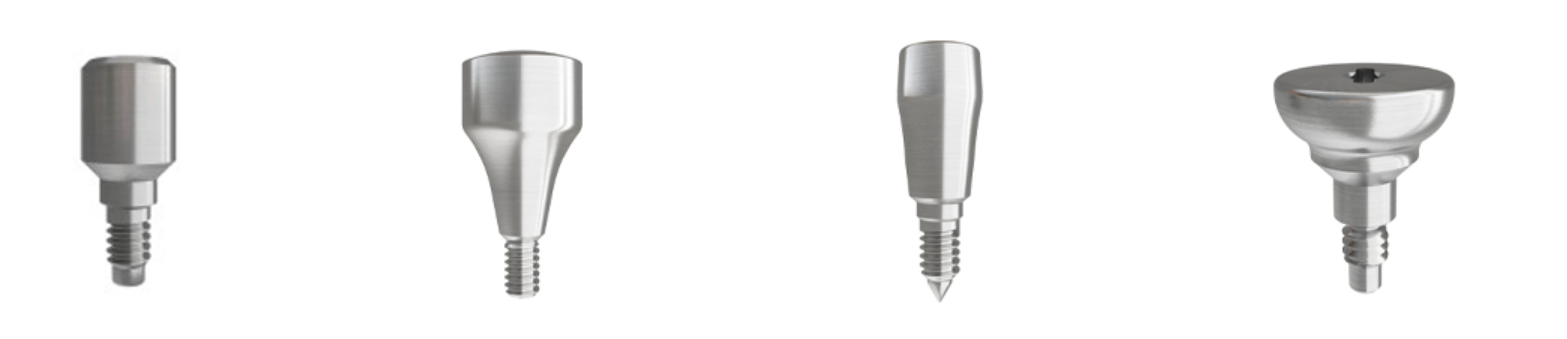
Dental implant distributors are not just logistics providers. They serve as:
l Technical advisors to clinics and labs
l Inventory managers balancing cost and availability
l Brand representatives influencing clinician preferences
l Risk managers ensuring product consistency and compliance
Because implants are clinical-critical products, distributors must prioritize reliability over simple variety.
Different clinics have different needs:
l Premium clinics may prefer high-end, globally recognized systems
l Cost-sensitive practices may seek value-oriented alternatives
l Specialists may demand niche implant designs or specific connections
By offering multiple brands, distributors can serve a broader customer base and reduce dependency on a single client segment.
Relying on one manufacturer exposes distributors to:
l Supply chain disruptions
l Price fluctuations
l Regulatory changes
l Brand reputation risks
A multi-brand portfolio acts as a hedge against uncertainty, especially in volatile markets.
In saturated markets, distributors compete not only on price but on solution completeness. Offering multiple implant systems allows you to position yourself as a one-stop supplier, reducing the likelihood that clients will source elsewhere.
While diversification sounds appealing, many distributors underestimate the operational complexity it introduces.
Each implant system comes with:
l Different diameters and lengths
l Unique prosthetic components
l System-specific tools
This leads to SKU explosion, increasing:
l Inventory holding costs
l Risk of dead stock
l Warehouse complexity
For example, managing three implant brands doesn’t triple complexity—it can increase it exponentially due to component variations.
Clinicians expect distributors to provide:
l Surgical guidance
l Product compatibility advice
l Troubleshooting support
Supporting multiple systems requires:
l Continuous staff training
l Deeper technical knowledge
l More after-sales service resources
Without strong technical capability, a multi-brand strategy can damage credibility rather than enhance it.
Distributors often overlook this psychological factor:
Clinicians tend to trust suppliers who show confidence in a system.
If a distributor promotes too many brands, it may signal:
l Lack of specialization
l Opportunistic selling
l Unclear positioning
This can weaken long-term relationships with high-value clients.
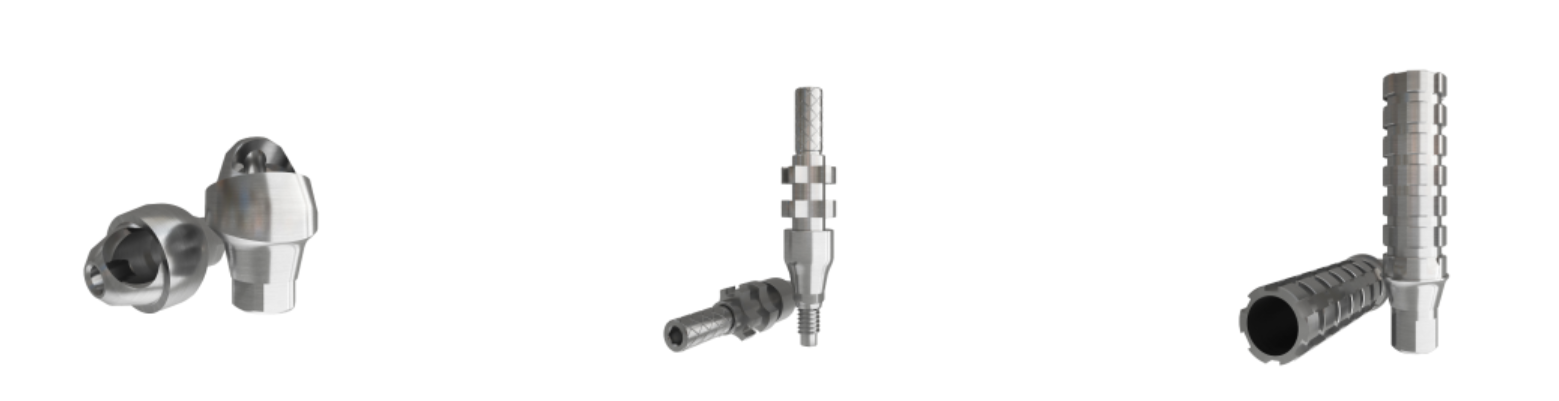
Some distributors choose the opposite approach—focusing on a single implant system.
l Deep expertise in one system
l Stronger relationships with manufacturers
l Simplified inventory management
l Clear brand identity
This approach works particularly well in markets where:
l Clinicians value consistency
l Training and education are key differentiators
l Long-term partnerships matter more than short-term sales
However, single-brand strategies come with risks:
l Limited ability to serve diverse customer needs
l High dependency on one supplier
l Reduced flexibility in pricing negotiations
Increasingly, successful distributors are adopting a hybrid approach, combining focus with flexibility.
What Does a Hybrid Model Look Like?
Instead of offering many brands, distributors:
l Carry 1–2 core systems (primary focus)
l Add 1 complementary system for specific segments
For example:
l A premium implant line for established clinics
l A cost-efficient system for price-sensitive markets
This approach balances:
l Operational efficiency
l Market coverage
l Brand credibility
Rather than asking “multiple or single?”, the better question is:
What does your market actually demand?
Ask:
l Are your clients standardized or diverse?
l Do they prioritize price, quality, or brand reputation?
l How often do they switch systems?
If your customers are highly varied, a multi-brand or hybrid strategy is more suitable.
Be honest about your capabilities:
l Can your team support multiple systems technically?
l Do you have the infrastructure for complex inventory?
l Can you handle after-sales service demands?
If not, starting with a focused portfolio is often more sustainable.
Not all manufacturers are equal. When selecting implant systems, consider:
l Production consistency
l Material quality (e.g., titanium grade, surface treatment)
l Regulatory compliance
l Lead times and scalability
Working with reliable manufacturers reduces the need to over-diversify.
For distributors, the choice of implant brands is only as strong as the manufacturers behind them.
A capable manufacturing partner should offer:
l Stable production quality
l Flexible customization options (OEM/ODM)
l Consistent supply cycles
l Transparent material sourcing
Some manufacturers—such as RE-TECH specializing in precision titanium machining and dental-grade alloys—focus on supporting distributors with scalable, adaptable solutions rather than rigid product lines. This allows distributors to maintain flexibility without overextending their portfolio.

There is a growing tension between:
l Clinics seeking standardized systems for efficiency
l Others demanding differentiation for competitive advantage
Distributors must navigate both.
In many regions, price sensitivity is increasing. This drives demand for:
l Alternative implant systems
l Private-label solutions
l OEM partnerships
This trend supports multi-brand or hybrid strategies.
With the rise of digital workflows:
l Implant systems must integrate with CAD/CAM
l Compatibility becomes more critical
Too many brands can create digital fragmentation, complicating lab workflows.
Use this simplified framework:
Factor | Single Brand | Multi Brand | Hybrid |
Inventory Complexity | Low | High | Medium |
Market Coverage | Limited | Broad | Balanced |
Technical Support Load | Low | High | Medium |
Risk Diversification | Low | High | Medium |
Brand Positioning | Strong | Weak | Strong |
For most distributors, the hybrid model offers the best balance.
Not necessarily. Growth depends more on execution quality than product quantity. Many distributors fail because they expand too quickly without the infrastructure to support it.
There is no universal number, but most successful distributors operate with:
l 1–2 core systems
l Optional complementary products
More than three brands often leads to diminishing returns.
Only if they:
l Have strong technical expertise
l Operate in highly diverse markets
Otherwise, a focused strategy is safer.
High-quality, consistent products reduce the need for diversification. When a system is reliable and well-supported, distributors can confidently build their business around it.
Yes, especially in competitive markets. Private-label solutions allow:
l Better margin control
l Brand differentiation
l Greater flexibility
However, this depends heavily on the capabilities of the manufacturing partner.
The question of whether distributors should carry multiple implant brands does not have a one-size-fits-all answer.
l Single-brand strategies offer focus and efficiency
l Multi-brand strategies provide flexibility and market reach
l Hybrid approaches deliver a practical balance between the two
Ultimately, the right decision depends on your market structure, operational strength, and long-term goals.
For most distributors aiming to scale sustainably while maintaining credibility, the answer is not simply “more brands”—but the right combination of brands, supported by reliable manufacturing and strong technical expertise.