![[slide:title]](/static/upload/other/20260512/1778551853592214.webp)
![[slide:title]](/static/upload/other/20260512/1778551954982306.webp)
Time:2026-04-24 Form:本站
How to Diversify Implant Product Lines: A Strategic Guide for Manufacturers and Distributors
In today’s highly competitive dental implant market, relying on a narrow product portfolio is no longer a sustainable strategy. Manufacturers and distributors alike are facing increasing pressure from pricing competition, regional regulatory differences, and evolving clinical demands. As a result, diversification of implant product lines has become a key growth lever—not just for expanding revenue, but for strengthening long-term market positioning.
However, diversification is often misunderstood. It is not simply about adding more SKUs or copying competitors. Done poorly, it leads to inventory inefficiencies, brand dilution, and operational complexity. Done well, it creates a scalable ecosystem that meets varied clinical needs, attracts distributors, and increases customer lifetime value.
This article provides a deep, practical framework for diversifying implant product lines in a way that is commercially viable, operationally manageable, and strategically differentiated.
Before expanding your product line, it is critical to understand why diversification matters in the implant industry specifically.
Modern implantology is no longer one-size-fits-all. Clinicians now demand solutions for:
l Immediate loading protocols
l Narrow ridge cases
l Full-arch restorations
l Aesthetic zone optimization
l Patients with compromised bone quality
A limited product line cannot adequately support these diverse indications.
From a B2B perspective, distributors increasingly favor suppliers who can provide a complete or near-complete solution. This reduces their dependency on multiple manufacturers and simplifies logistics, training, and marketing.
Markets are fragmenting into:
l Premium (clinically advanced, brand-driven)
l Mid-tier (value-performance balance)
l Cost-sensitive segments (emerging markets, bulk procurement)
A single product line cannot effectively serve all three without strategic diversification.
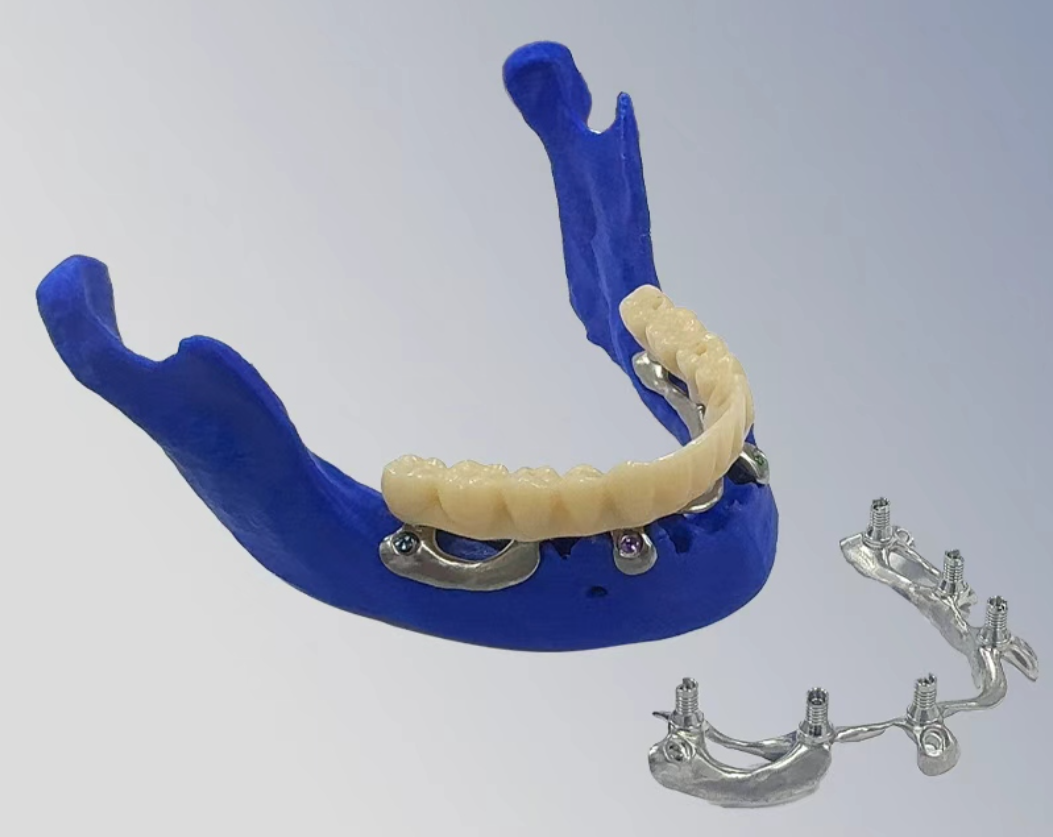
Diversification is not a single approach. It can be executed across multiple dimensions, each with different implications.
This involves expanding within the same category:
l More implant diameters and lengths
l Additional thread designs
l Surface treatment variations
Advantage: Low development risk
Challenge: Limited differentiation if overdone
This includes expanding into adjacent product categories:
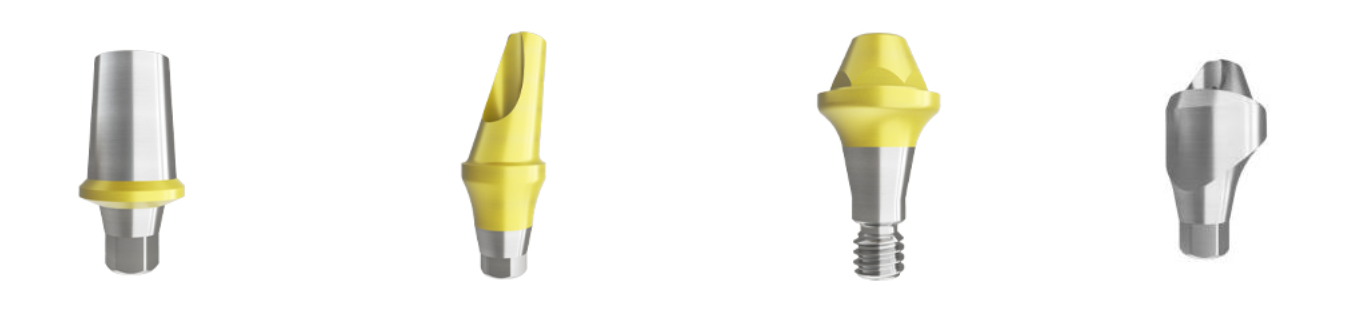
l Abutments (custom, prefabricated, angled)
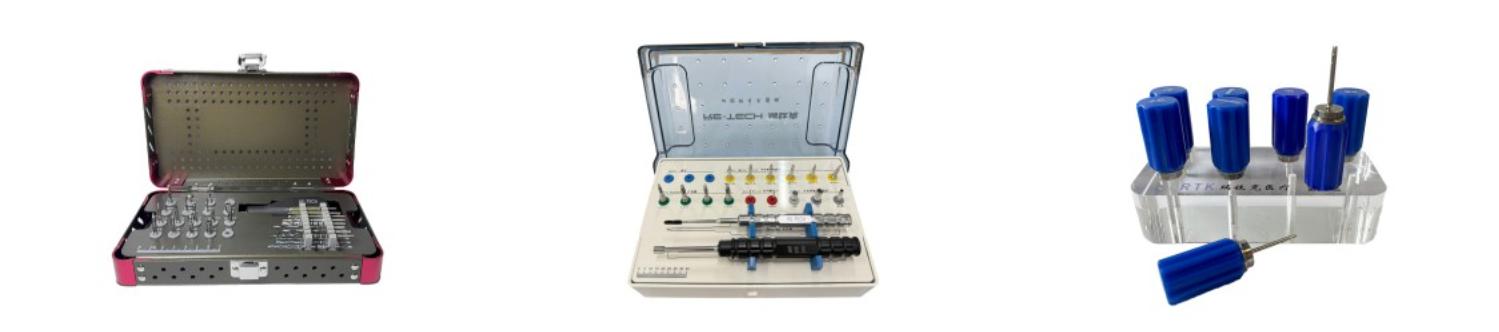
l Surgical kits and instruments
l Prosthetic components
l Digital workflow solutions (scan bodies, libraries)
Advantage: Higher customer retention
Challenge: Requires broader technical capability
Designing product lines for different market segments:
l Premium line (advanced surface tech, R&D-backed)
l Standard line (cost-effective, reliable)
l Entry-level line (price-driven markets)
Advantage: Captures wider market share
Challenge: Risk of internal competition
Creating products tailored for specific clinical scenarios:
l Short implants for limited bone height
l Narrow implants for anterior zones
l Zygomatic implants for severe atrophy
l Immediate placement implants
Advantage: Strong clinical relevance
Challenge: Requires education and marketing support
Diversification should follow a structured approach—not intuition.
Start with a diagnostic analysis:
l Which clinical indications are not covered?
l Where are distributors sourcing complementary products?
l Which SKUs have the highest turnover vs. stagnation?
This step often reveals that missing components—not missing implants—are the real bottleneck.
Not all diversification opportunities are equal. Evaluate based on:
l Market demand
l Manufacturing feasibility
l Regulatory complexity
l Margin potential
For example, adding prosthetic components often delivers faster ROI than launching an entirely new implant system.
A common mistake is over-innovating. Many successful manufacturers maintain:
l A standardized core system (platform switching, connection type)
l Modular variations built around that core
This reduces production complexity while enabling product expansion.
From a B2B standpoint, diversification must answer:
l Can distributors easily explain and sell this?
l Does it reduce their need for other suppliers?
l Does it improve their margins or turnover?
In practice, distributors often prefer depth in a system rather than scattered product additions.
A well-diversified implant portfolio should resemble a structured ecosystem, not a random collection.
l Consistent connection type (e.g., internal hex, conical)
l Standardized surgical protocol
l Interchangeability across sizes
l Healing abutments
l Temporary abutments
l Multi-unit abutments
l Custom CAD/CAM options
l Surgical kits
l Guided surgery compatibility
l Digital libraries for CAD software
l Immediate loading implants
l Aesthetic zone solutions
l High-primary-stability designs
Factor | Narrow Product Line | Diversified Product Line |
Inventory complexity | Low | Moderate to high |
Market reach | Limited | Broad |
Distributor appeal | Weak | Strong |
Clinical flexibility | Low | High |
Revenue stability | Volatile | More stable |
The key takeaway: diversification increases complexity—but also significantly improves resilience and growth potential.
Adding too many variations without demand leads to:
l Dead inventory
l Production inefficiencies
l Distributor confusion
A fragmented system (multiple connections, inconsistent protocols) creates barriers for adoption.
If two products solve the same problem without clear differentiation, it leads to:
l Internal competition
l Pricing conflicts
l Customer hesitation
Even well-designed products fail if users don’t understand:
l When to use them
l Why they matter
Diversification must be supported by clear clinical positioning.
Many manufacturers assume diversification alone creates differentiation. It does not.
Real differentiation comes from:
l System coherence
l Ease of use
l Supply chain reliability
l Consistent quality
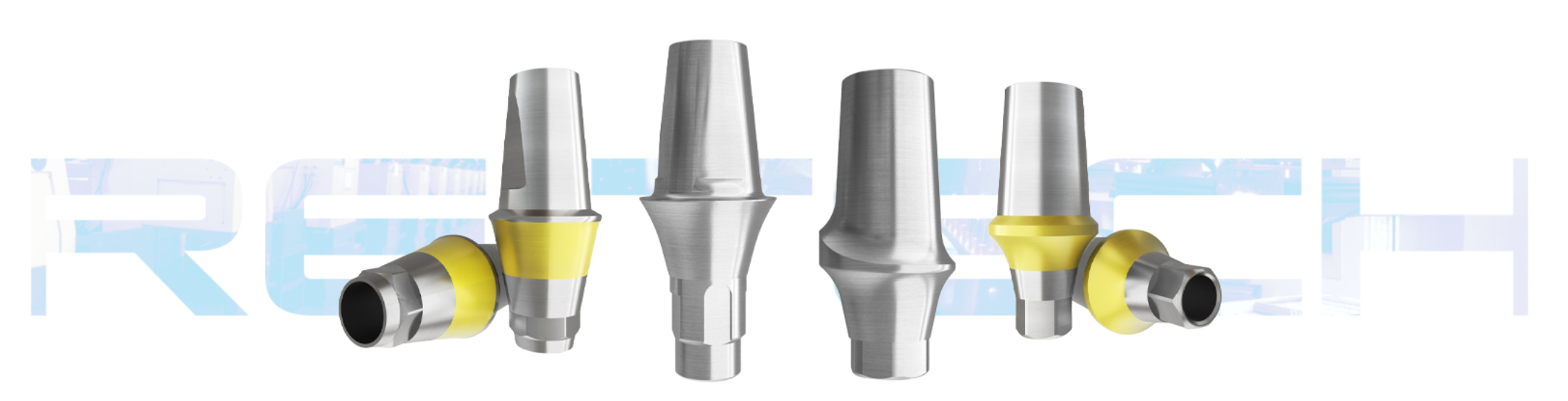
For example, some manufacturers focus on precision machining and material consistency across titanium discs, abutments, and implants—ensuring that every component integrates seamlessly within the workflow. This type of operational consistency often matters more to B2B buyers than flashy product launches.
A growing number of implant manufacturers are adopting a “focused diversification” strategy:
l Core implant system remains stable
l Expansion focuses on prosthetics and digital compatibility
l Limited but meaningful specialized implants are introduced
This approach avoids overextension while still expanding market coverage.
In some cases, companies like RE-TECH (mentioned here as an example of industry practice rather than promotion) emphasize:
l Material consistency (especially in titanium components)
l Compatibility across product categories
l Gradual, needs-driven expansion
Such strategies reflect a shift from aggressive SKU growth to structured ecosystem building.
Expect increased demand for:
l Scan bodies
l Digital libraries
l CAD/CAM prosthetic solutions
Ironically, as portfolios expand, systems are becoming:
l More standardized
l Easier to use
l More modular
Different markets will require:
l Cost-optimized systems
l Regulatory-adapted designs
l Localized packaging and kits
There is no universal number. The key is balance—enough to cover major clinical scenarios, but not so many that inventory becomes unmanageable. Many successful systems operate efficiently with focused, modular SKUs rather than excessive variation.
In most cases, prosthetic components offer faster ROI and stronger differentiation, especially in B2B markets.
By focusing on:
l System compatibility
l Quality consistency
l Targeted diversification
A smaller but well-structured portfolio often outperforms a large, fragmented one.
Yes. Each new product category may require:
l Additional certifications
l Clinical validation
l Documentation
This is why prioritization is critical.
l Reliability
l Compatibility
l Margin potential
l Ease of training and sales
Depth and usability often matter more than sheer quantity.
Diversifying implant product lines is not about “adding more.” It is about building a coherent, scalable system that serves real clinical needs and aligns with distributor expectations.
Manufacturers that succeed in this area tend to:
l Expand strategically, not aggressively
l Maintain system consistency
l Focus on usability and integration
l Support products with education and reliability
In a market where competition is intensifying and differentiation is increasingly subtle, diversification—when done correctly—becomes not just a growth tactic, but a long-term competitive advantage.