![[slide:title]](/static/upload/other/20260512/1778551853592214.webp)
![[slide:title]](/static/upload/other/20260512/1778551954982306.webp)
Time:2026-05-08 Form:本站
Dental Implant Market Report Summary: Key Trends, Growth Drivers, and B2B Opportunities for 2026 and Beyond
The dental implant market is no longer driven only by premium brands, large hospitals, or high-income patients. It is becoming a broader global market shaped by aging populations, digital dentistry, price-sensitive buyers, local distributors, private clinics, dental tourism, and growing demand for reliable but cost-effective implant systems.
For dental implant distributors, clinics, laboratories, and OEM buyers, understanding the market is not just about knowing the total market size. The more important question is: where is demand growing, what kind of implant products are buyers looking for, and how should B2B buyers choose suppliers in a more competitive market?
Several market research sources estimate continued growth. Grand View Research estimated the global dental implants market at USD 5.56 billion in 2025, with a projected value of USD 11.02 billion by 2033. Fortune Business Insights estimated the market at USD 5.11 billion in 2025, growing to USD 9.39 billion by 2034, with Europe holding the largest regional share in 2025. ResearchAndMarkets reported a broader estimate of USD 6.8 billion in 2024, projected to reach USD 9.8 billion by 2033. These different figures show that methodologies vary, but the direction is consistent: the dental implant industry is expected to keep expanding.
This report summary explains the key trends behind that growth and what they mean for B2B dental implant buyers.
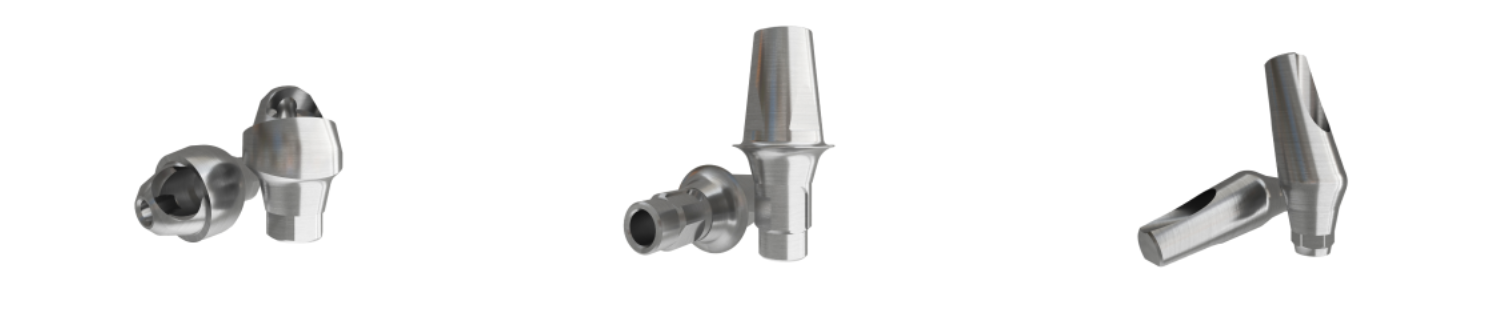
The dental implant market is growing because implant treatment has become more accepted as a long-term solution for tooth loss. Compared with removable dentures, implants offer better stability, function, and patient comfort. As awareness improves, more patients are asking clinics for fixed restoration options.
However, market growth is not evenly distributed. Mature markets such as Europe and North America already have strong implant adoption, but growth may depend on premium procedures, digital workflows, and full-arch cases. Emerging markets in Asia, the Middle East, Latin America, and parts of Africa often show growth from first-time adoption, expanding private dental clinics, and rising middle-class demand.
For B2B buyers, this creates two different opportunities:
In mature markets, buyers may focus on system compatibility, digital workflow support, prosthetic accuracy, and stable quality. In emerging markets, buyers may care more about price structure, product availability, simple surgical kits, fast delivery, and easy training support.
This is why one implant system cannot win every market with the same strategy. Distributors need to choose implant suppliers based on local clinic habits, patient income levels, regulatory requirements, and after-sales support needs.
Population aging is one of the most important long-term drivers. Older patients are more likely to experience tooth loss, periodontal disease, bone loss, and functional problems. As life expectancy increases, patients also expect better chewing function and aesthetics in later life.
This creates stable demand for implants, especially in countries with aging populations such as Japan, Germany, Italy, South Korea, China, and the United States. Reuters reported that Straumann has highlighted aging populations in China, Japan, Germany, and Switzerland as important growth opportunities through 2030.
Patients increasingly prefer fixed restorations over removable dentures. Dentures can be uncomfortable, unstable, and difficult to maintain. Implant-supported crowns, bridges, and overdentures provide stronger function and better quality of life.
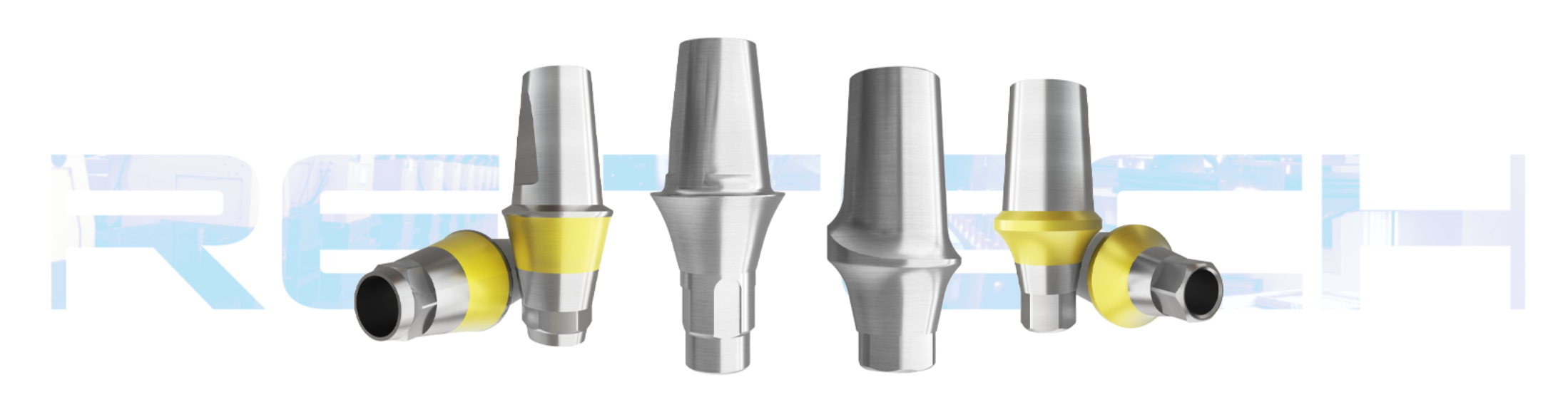
For clinics, this shift increases the need for implant systems with complete restorative options, including fixtures, healing abutments, impression copings, scan bodies, temporary abutments, titanium bases, multi-unit abutments, and prosthetic screws.
Digital workflows are changing the implant business. Intraoral scanning, CBCT planning, guided surgery, CAD/CAM prosthetics, and digital lab communication all increase the demand for accurate implant components.
This is especially important for scan bodies, Ti-bases, multi-unit components, and compatible prosthetic parts. A distributor that only sells implant fixtures may miss a large part of the market. Clinics and labs increasingly want a complete workflow solution, not only a screw-shaped implant.
Dental tourism also supports implant demand in countries such as Turkey, Hungary, Mexico, Thailand, India, Vietnam, and several Eastern European markets. Patients travel for lower treatment costs while still expecting reliable clinical outcomes.
This creates demand for implant systems that balance cost, documentation, packaging quality, and restorative flexibility.
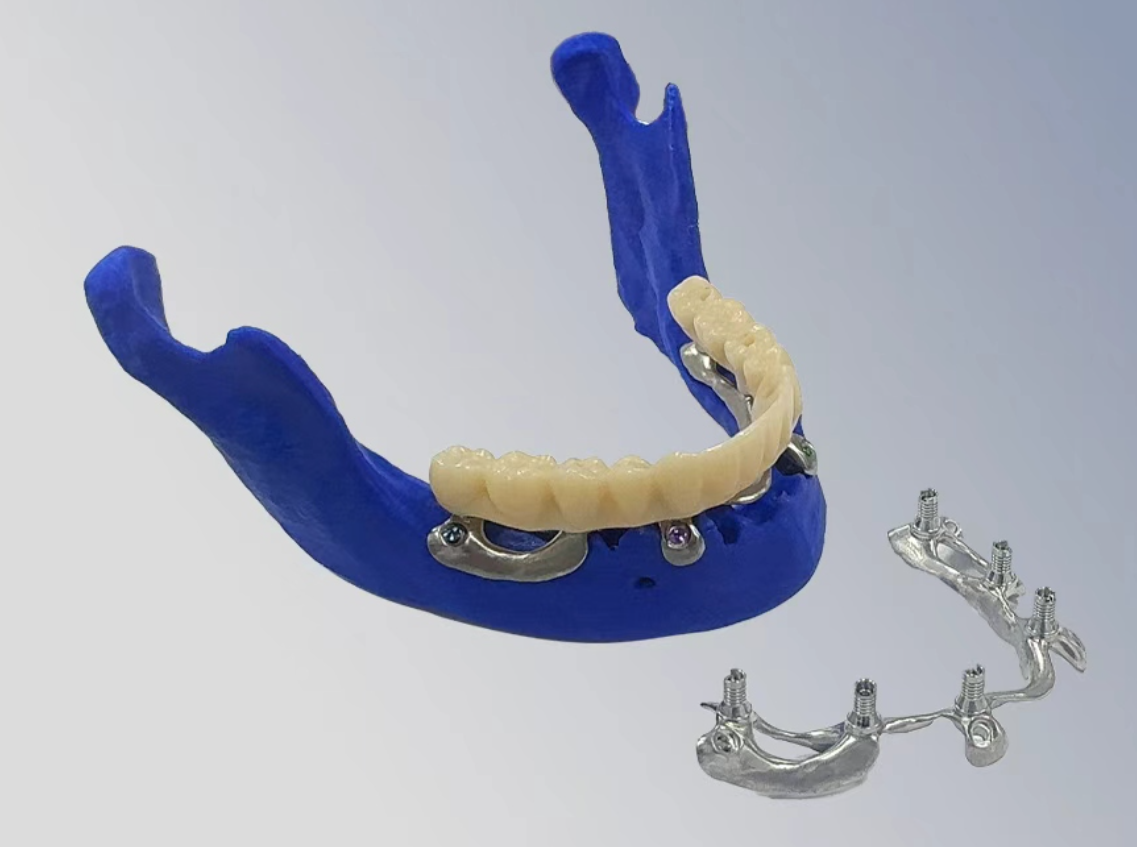
Europe remains one of the strongest dental implant markets. Fortune Business Insights reported that Europe held the largest share of the global market in 2025.
European buyers usually pay close attention to CE documentation, quality systems, traceability, packaging, clinical evidence, and product consistency. Price matters, but low price alone is not enough. For European distributors, the supplier must be able to support long-term brand building.
The U.S. market is large, competitive, and strongly influenced by premium brands, DSOs, specialists, and digital dentistry.
For suppliers, North America is attractive but difficult. Regulatory barriers, brand trust, legal risk, and clinical expectations are high. B2B opportunities often exist in private-label prosthetics, compatible components, digital workflow parts, and cost-effective alternatives for specific customer groups.
Asia-Pacific is one of the most dynamic regions. Growth is supported by large populations, rising income, expanding private dental clinics, dental tourism, and improving awareness of implant treatment. Reuters reported that Straumann’s Asia-Pacific growth was strong in 2025, supported by China and other markets such as Thailand, India, and Malaysia.
China is especially important because procurement policy and price reductions have expanded access to implant treatment. Reuters reported that China’s policy helped lower implant prices and unlock patient demand, contributing to strong Asia-Pacific performance for Straumann in 2025.
The Middle East and Latin America are attractive for distributors because many clinics are private, price-sensitive, and open to alternative implant systems. Buyers often want quality products at more flexible prices than premium European or U.S. systems.
In these regions, B2B success depends heavily on local distributor relationships, stock availability, clinical training, and fast response to dentists’ technical questions.
Titanium and titanium alloy implants still dominate the market because of their strength, biocompatibility, corrosion resistance, and long clinical history. Most B2B buyers continue to prioritize titanium implant systems because they are widely accepted by clinicians and easier to integrate into existing workflows.
Tapered implants are widely used because they can support primary stability in many clinical situations. They are especially popular in immediate placement, softer bone, and cases where clinicians want more predictable insertion torque.
However, cylindrical implants still have value in specific protocols and markets. A strong implant product line should not only follow trends but also offer enough options for different surgical preferences.
Surface treatment is one of the most important product features in modern implant marketing. SLA, RBM, sandblasted and acid-etched surfaces, hydrophilic surfaces, and other surface technologies are often discussed because they relate to osseointegration, healing time, and clinical confidence.
For B2B buyers, the key is not only the surface name. They should ask suppliers about surface consistency, cleaning process, packaging, quality inspection, and batch-to-batch control.
The market is moving from “selling implants” to “selling implant systems.” A fixture alone is not enough. Clinics need compatible restorative components, digital components, and reliable prosthetic screws.
This is where manufacturers such as RE-TECH can be naturally positioned: not only as an implant fixture supplier, but as a factory partner that supports system compatibility, prosthetic components, OEM/private label needs, and stable supply for distributors.
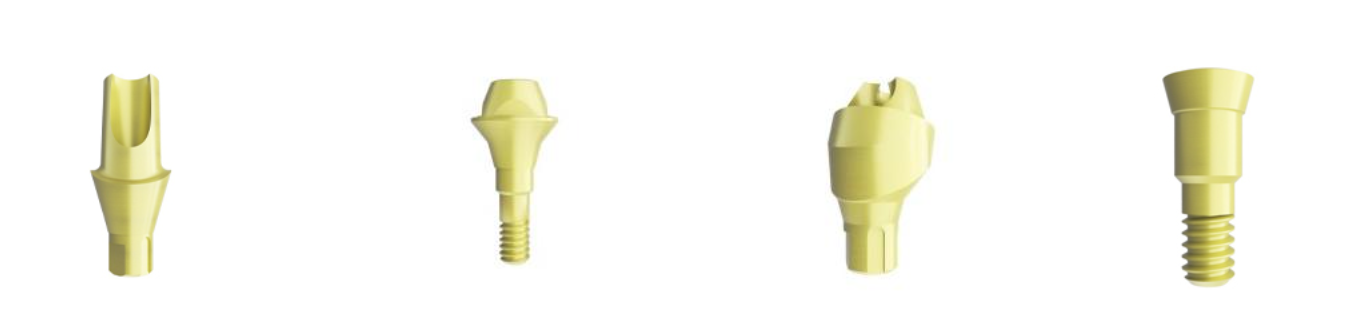
The dental implant industry has traditionally been led by large global brands. Premium brands have strong clinical history, education networks, digital platforms, and dentist loyalty. They are trusted in complex cases and high-income markets.
However, the market is changing. Many distributors and clinics are looking for alternatives because premium systems can be expensive, especially in price-sensitive regions. Reuters reported that emerging competition from Southeast Asia and China is changing the competitive landscape.
This does not mean buyers only want cheap implants. In B2B purchasing, the real demand is usually:
Reliable quality
Stable supply
System compatibility
Reasonable pricing
Clear documentation
Good packaging
Technical support
OEM/private label flexibility
This creates space for professional manufacturers that can offer a better cost-performance ratio without sacrificing manufacturing control.
Government procurement, distributor competition, and clinic price sensitivity will keep pushing prices down in many markets. China’s volume-based procurement is one example of how policy can reshape implant pricing and demand. Reuters reported that Straumann expected uncertainty around China’s VBP process in 2026, while remaining positive about global growth.
For distributors, relying only on high-margin premium implants may become harder. A mixed product portfolio can reduce risk.
Dental implant distributors often carry many SKUs: implants in different diameters and lengths, cover screws, healing abutments, impression parts, scan bodies, Ti-bases, analogs, drivers, and surgical kits. Too many SKUs can create inventory pressure, but too few can reduce clinic satisfaction.
A good supplier should help distributors build a practical SKU structure instead of pushing every product at once.
More clinics and labs are using intraoral scanners and CAD/CAM workflows. This makes digital components more important. Scan body accuracy, library compatibility, and Ti-base fit can directly affect prosthetic outcomes.
Distributors should ask whether a supplier can support digital workflow components and whether the product line is suitable for clinics and labs working together.
Even in price-sensitive markets, documentation matters. Buyers increasingly ask for CE certificates, ISO-related documentation, sterilization records, batch traceability, material information, packaging details, and product instructions.
For a dental implant factory, strong documentation is not just regulatory paperwork. It is part of the sales argument.
The best opportunities are not always in the broadest market. They are often found in underserved customer groups.
For example, small and medium dental clinics may want reliable implant systems at lower cost than premium brands. Dental labs may need compatible prosthetic components and scan bodies. Regional distributors may need OEM packaging and local brand development. Dental chains may need stable stock and consistent pricing. Training centers may need implant kits for education and beginner clinicians.
This is why a market report should not only say “the dental implant market is growing.” The better insight is that the market is becoming more segmented. Different buyers want different value.
A distributor that understands its local market can choose the right product mix:
Entry-level implant systems for price-sensitive clinics
Premium-compatible prosthetic components
Digital workflow parts for labs
Multi-unit components for full-arch cases
OEM/private label products for local branding
Surgical kits and training sets for education
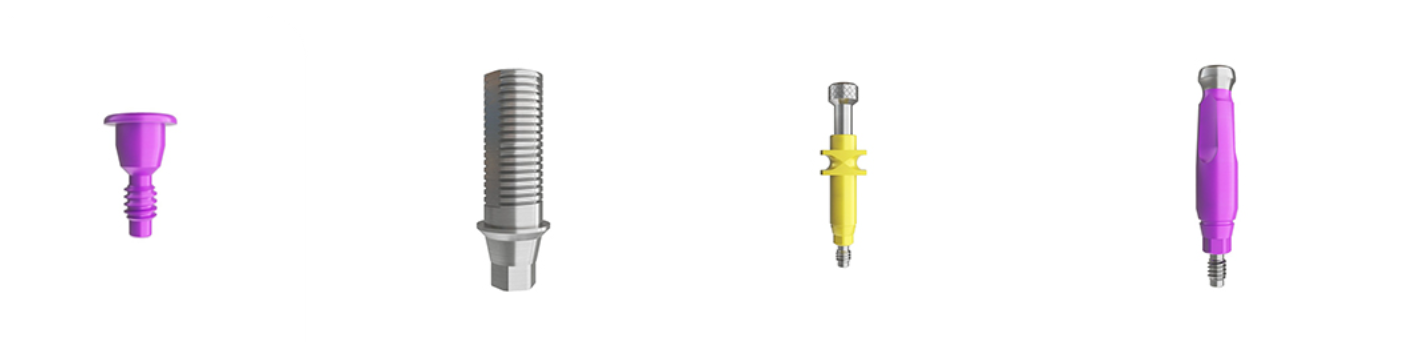
B2B buyers should evaluate implant suppliers from more than one angle.
First, check product range. A supplier should offer implant fixtures in practical diameters and lengths, as well as matching prosthetic components.
Second, check manufacturing control. Implant quality depends on machining accuracy, surface treatment, cleaning, inspection, sterilization, and packaging.
Third, check compatibility. Many markets need components compatible with popular implant systems. Compatibility must be handled carefully and accurately.
Fourth, check documentation. A serious supplier should provide certificates, product information, batch traceability, and technical support documents.
Fifth, check communication. In B2B implant business, slow response can cost distributors real orders. Technical questions from dentists and labs often require fast and clear answers.
RE-TECH, as a dental implant manufacturer, can be introduced naturally in this context. For distributors and clinics looking for a factory-direct implant partner, Retek focuses on implant systems, restorative components, OEM support, and stable supply. This type of supplier model is especially relevant for buyers who want to build long-term product lines instead of making one-time purchases.
Yes. Most public market reports project continued growth for the global dental implant market through the next decade. Estimates differ by methodology, but the overall trend remains positive.
The main drivers include aging populations, tooth loss, higher demand for fixed restorations, digital dentistry, dental tourism, and improved patient awareness.
Europe is often reported as one of the largest or leading dental implant markets. However, Asia-Pacific is one of the fastest-changing regions due to population size, rising income, and expanding private dental care.
Yes, premium brands remain influential, especially in mature markets. However, many distributors and clinics are also looking for reliable value-based alternatives.
Distributors should evaluate product range, quality control, surface treatment, prosthetic compatibility, documentation, packaging, delivery stability, and technical communication.
Implant treatment does not end with fixture placement. Healing abutments, scan bodies, Ti-bases, analogs, impression parts, and screws are essential for the complete restorative workflow.
Yes. Digital workflows increase demand for scan bodies, CAD/CAM-compatible components, digital libraries, and accurate prosthetic interfaces.
They can compete in specific B2B segments if they offer stable quality, reasonable pricing, documentation, system compatibility, and responsive support.
Price is important, especially in emerging markets, but it is not the only factor. Dentists and distributors also care about reliability, fit, documentation, delivery, and long-term supply.
Retek Dental fits the needs of B2B buyers looking for a factory-direct dental implant supplier with implant systems, restorative components, OEM/private label support, and stable supply for distributors and clinics.
The dental implant market is expected to continue growing, although market size estimates vary between research firms. The main growth drivers include aging populations, tooth loss prevalence, digital dentistry, aesthetic demand, dental tourism, and the shift from removable dentures to fixed implant-supported restorations.
Europe remains a leading region, North America continues to be a high-value market, and Asia-Pacific offers strong growth potential. Emerging markets are becoming more important because buyers are actively looking for cost-effective implant systems.
For B2B buyers, the most important trend is the shift from single-product purchasing to complete system purchasing. Distributors and clinics need implants, prosthetics, digital components, documentation, packaging, training support, and reliable inventory.
The future dental implant market will not be won only by the most famous brands or the lowest prices. It will be won by suppliers that can combine quality, flexibility, documentation, compatibility, and practical business support.