![[slide:title]](/static/upload/other/20260512/1778551853592214.webp)
![[slide:title]](/static/upload/other/20260512/1778551954982306.webp)
Time:2026-04-29 Form:本站
Challenges When Changing Implant Brands: A Practical Guide for Distributors and Clinics
For dental implant distributors and clinics, changing implant brands is rarely a simple replacement. It is not just about sourcing a new supplier or reducing cost — it is about changing an entire working system.
An implant brand is deeply connected to surgical habits, prosthetic workflows, inventory structure, clinician confidence, and long-term patient follow-up. That is why many businesses hesitate, even when they clearly see pricing pressure, supply instability, or market competition increasing.
At the same time, staying with one implant brand forever is not always the best strategy. Many distributors today are actively exploring new implant systems to improve margins, expand product lines, or reduce dependence on a single supplier.
So the real question is not whether you should change implant brands — but how to do it without creating operational and clinical risks.
This guide breaks down the real challenges behind implant brand switching and how B2B buyers can manage them effectively.
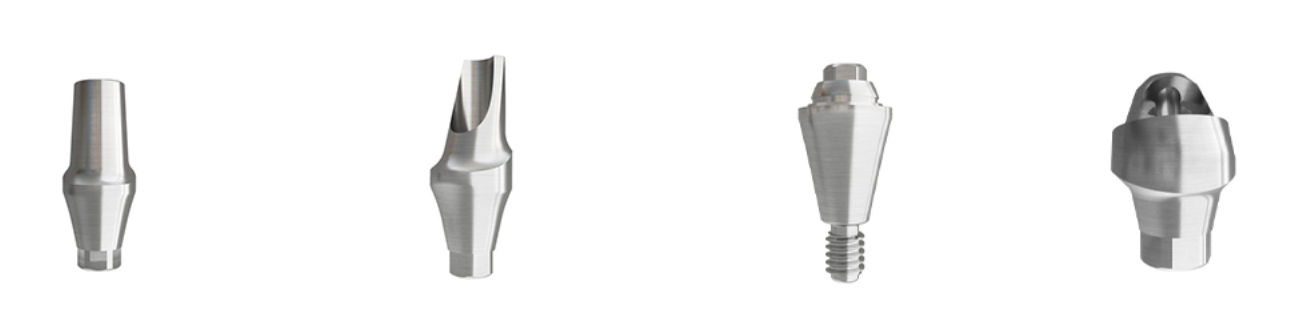
The biggest challenge when changing implant brands is not technical — it is psychological.
Dentists build confidence through repetition. When they use the same implant system over time, they understand:
l How the implant behaves during insertion
l How the connection feels
l How prosthetic parts fit
l How the system performs in different bone conditions
Switching to a new implant brand resets that familiarity.
Even if the new system is technically sound, clinicians may hesitate because they are unsure about:
l Long-term stability
l Prosthetic compatibility
l Restoration predictability
l Complication handling
This hesitation directly affects adoption.
How to reduce this risk
Instead of selling price, distributors should support confidence:
l Provide clear surgical protocols
l Offer sample kits for trial cases
l Share structured product documentation
l Start with simple indications before complex cases
A good manufacturer will support this transition. For example, some suppliers focus not only on implant supply but also on helping distributors understand system structure and component logic — which makes it easier to communicate with clinicians.
“Is it compatible?” is one of the most common questions in implant purchasing.
But compatibility is often oversimplified.
Two systems may look similar (for example, both using an internal connection), but small differences in:
l Connection geometry
l Screw design
l Platform size
l Machining tolerance
can lead to long-term issues such as misfit, screw loosening, or prosthetic instability.
Why this matters during brand switching
Clinics already have existing patient cases. Those implants will require maintenance for years.
If a new brand is introduced without a clear compatibility strategy:
l Replacement parts may not be available
l Restorations may become difficult
l Patient follow-up may be affected
Best practice
l Treat each implant system as an independent system
l Avoid aggressive “cross-compatible” claims
l Keep clear separation between old and new inventory
l Build a maintenance plan for previous cases
Professional distributors win trust by being precise — not by overpromising compatibility.
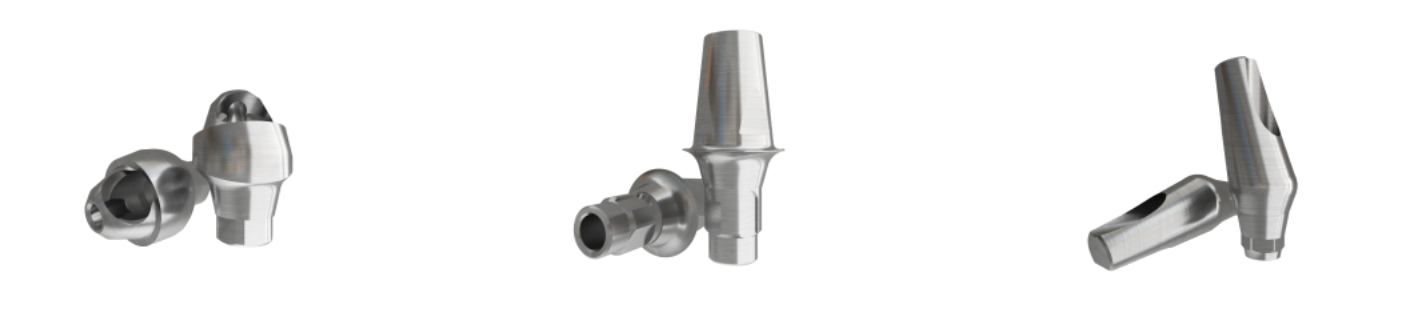
Many companies switch implant brands to reduce costs — but inventory is where hidden costs appear.
An implant system is not just implants. It includes:
l Healing abutments
l Impression components
l Scan bodies
l Analogues
l Abutments (straight, angled, multi-unit)
l Screws and drivers
l Surgical kits
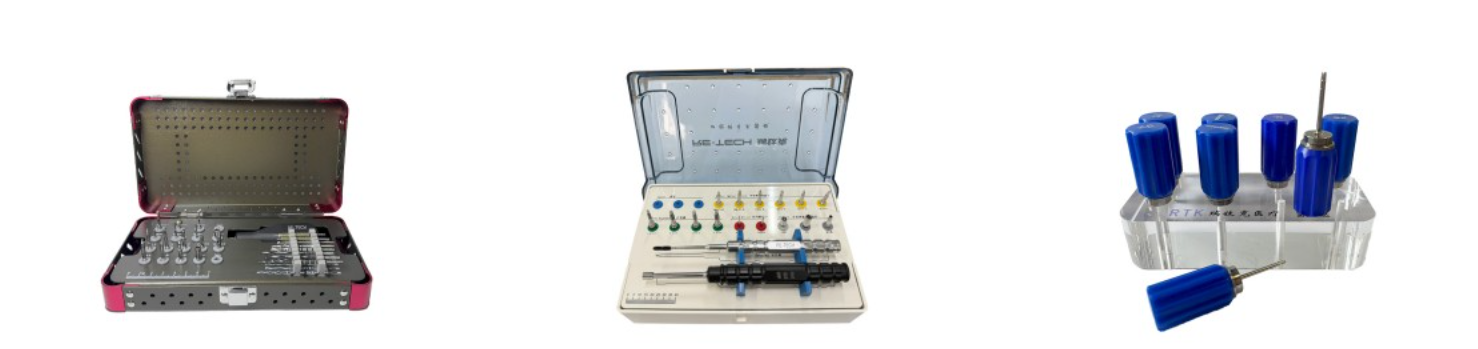
If the new system has too many SKUs, inventory pressure increases.
If it has too few, clinical flexibility is limited.
The real challenge
Balancing:
l Stock efficiency
l Clinical coverage
l Cash flow
A smarter approach
Instead of buying the full catalog:
Start with a “core inventory model”:
l High-frequency implant sizes
l Standard prosthetic components
l Essential surgical tools
l Emergency replacement parts
Manufacturers that understand B2B markets often help structure this. Some companies, including RE-TECH, support distributors in building practical SKU strategies instead of pushing full catalog purchases immediately.
Even experienced clinicians need time to adapt to a new system.
Each implant brand has its own:
l Drilling sequence
l Insertion torque recommendation
l Connection handling
l Prosthetic workflow
Without proper training, mistakes happen:
l Incorrect insertion depth
l Improper torque
l Wrong component selection
These are not product failures — they are transition failures.
What effective training looks like
l Simple surgical guides
l Clear component identification charts
l Step-by-step prosthetic workflow
l Real case examples
l Quick-response technical support
The easier the system is to learn, the faster it is adopted.
For distributors, switching implant brands affects how customers see them.
If not communicated properly, customers may think:
l The old brand had problems
l The new brand is lower quality
l The distributor is only chasing margins
Better positioning strategy
Avoid saying:
“This implant is cheaper.”
Instead say:
“We are expanding our implant solutions to offer more flexibility for different clinical and market needs.”
This keeps trust while introducing change.
Implants are medical devices. Documentation matters.
Depending on the market, you may need:
l Certificates (ISO, CE, etc.)
l Material specifications
l Sterilization data
l Traceability records
l Instructions for use
A supplier with weak documentation can create serious barriers — even if the product itself is acceptable.
What to check before switching
l Manufacturing consistency
l Quality system
l Product documentation completeness
l Labeling and traceability
This is often overlooked but critical for long-term business stability.

Modern implant dentistry is increasingly digital.
If a new implant system does not support:
l Scan bodies
l Digital libraries
l CAD/CAM workflows
it will struggle in the market.
Why this matters
Clinics and labs today expect:
l Easy scanning
l Smooth restoration
l Lab compatibility
A system that works well surgically but poorly digitally will face resistance.
Lower cost is often the reason for switching brands.
But positioning matters.
If the implant is presented as “cheap,” it damages long-term trust.
Better positioning
l Not low-cost → but cost-effective
l Not alternative → but flexible solution
l Not replacement → but portfolio expansion
This approach protects:
l Distributor margins
l Clinic reputation
l Patient confidence
The real difference between implant suppliers is not the product — it is what happens after the sale.
You will need:
l Fast response for missing components
l Technical clarification
l Replacement parts
l Long-term availability
A weak supplier creates operational stress.
A strong supplier reduces it.
When evaluating a new implant brand, always ask:
“What happens after I place the order?”
There is no universal answer.
l Supply is stable
l Margins are acceptable
l Clinician trust is strong
l Pricing pressure is increasing
l Supply is unstable
l Market competition is strong
l You need differentiation
For many distributors, the best strategy is not replacing — but adding a new system gradually.
The safest way to change implant brands:
1. Evaluate your real business need
2. Compare systems carefully
3. Start with limited cases
4. Build a core inventory
5. Train your team
6. Position the product correctly
7. Ensure long-term supplier support
This reduces risk and improves adoption.
When distributors or clinics consider introducing a new implant system, they are not just looking for products — they are looking for stability, flexibility, and support.
Manufacturers such as RE-TECH can play a role in this process by offering:
l Implant systems with structured component design
l Support for distributor-oriented cooperation
l Flexible OEM possibilities
l Practical product strategies aligned with real market needs
Rather than acting as a simple supplier, the value lies in supporting a smoother transition from one system to another.
Yes, if done suddenly. But with a phased approach and proper planning, risks can be controlled.
Not reliably. Compatibility should always be verified carefully.
Focusing only on implant price and ignoring the full system.
Typically 3–6 months for initial adaptation, depending on training and adoption.
Usually no. A gradual introduction is safer.
Changing implant brands is not just a purchasing decision — it is a system transformation.
Done correctly, it can:
l Improve margins
l Increase flexibility
l Strengthen market positioning
Done poorly, it can:
l Create confusion
l Reduce trust
l Increase operational risk
The difference lies in planning, communication, and choosing the right partner.