![[slide:title]](/static/upload/other/20260512/1778551853592214.webp)
![[slide:title]](/static/upload/other/20260512/1778551954982306.webp)
Time:2026-04-29 Form:本站
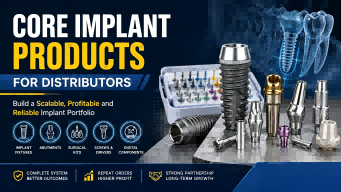 Core Implant Products for Distributors: How to Build a Scalable and Profitable Dental Implant Portfolio
For dental implant distributors, growth is rarely limited by demand. The real constraint is structure — specifically, how well the product portfolio supports everyday clinical workflows.
Many distributors enter the implant market with a simple assumption: more products equal more opportunities. In reality, an overloaded catalog often leads to slow inventory turnover, inconsistent sales messaging, and weak customer retention. Clinics do not need hundreds of options — they need reliability, compatibility, and continuity.
This is where core implant products become critical.
A well-designed core product portfolio allows distributors to:
l Serve the majority of clinical cases efficiently
l Maintain manageable inventory levels
l Support repeat purchasing behavior
l Build long-term trust with clinics and labs
This article explores what constitutes core implant products, how to structure them strategically, and how distributors can build a product line that balances clinical relevance with commercial performance.
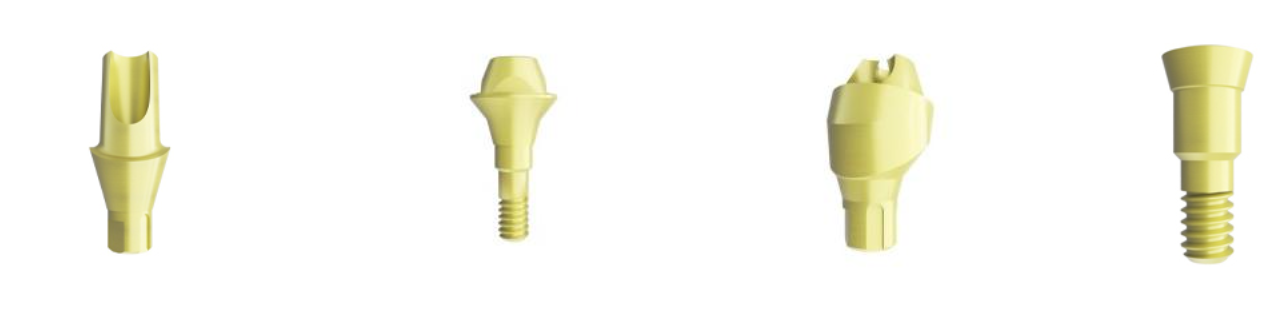
Core implant products are the essential components required to complete the full implant workflow, from surgery to final restoration.
Unlike niche or advanced items, core products are:
l Frequently used
l Clinically essential
l Predictable in demand
l Critical for system continuity
A typical core implant portfolio includes:
l Implant fixtures
l Cover screws
l Healing abutments
l Impression components
l Temporary abutments
l Straight and angled abutments
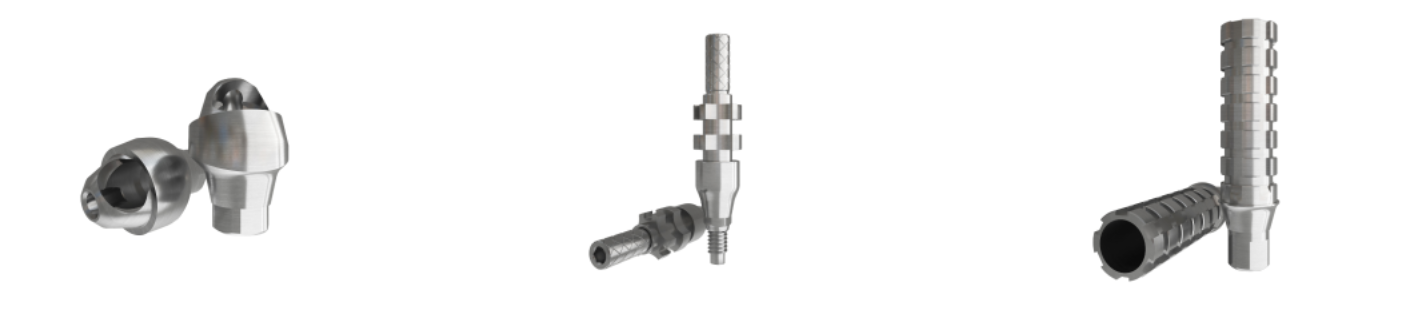
l Multi-unit abutments
l Implant analogs
l Prosthetic screws
l Surgical kits and drills
l Drivers and torque tools
The defining characteristic is not complexity — it is repeatability. These are the products clinics reorder consistently.
Implant distribution is not a single-sale business. It is a system-driven, repeat-order business.
When a clinic adopts an implant system, it commits not only to the fixture, but to the entire ecosystem of components. If any part of that system is missing or unreliable, confidence breaks.
Distributors who focus only on implant fixtures often face a common problem:
initial orders without long-term retention.
In contrast, distributors with a complete core system benefit from:
l Continuous reorder cycles (abutments, screws, components)
l Higher lifetime customer value
l Stronger clinical adoption
l Reduced customer switching
The conclusion is simple:
fixtures create entry, but components create loyalty.
Implant fixtures are the starting point, but they should not be treated as a commodity.
Distributors should evaluate implants based on:
l Connection design stability
l Surface treatment consistency
l Mechanical strength and tolerance control
l Packaging integrity and sterilization
l Compatibility with prosthetic components
l Availability of documentation and traceability
From a portfolio perspective, the goal is not to offer every size — but to cover high-frequency clinical scenarios:
l Narrow diameter (aesthetic zones)
l Standard diameter (general use)
l Wide diameter (posterior load-bearing)
A focused range improves both sales clarity and inventory efficiency.
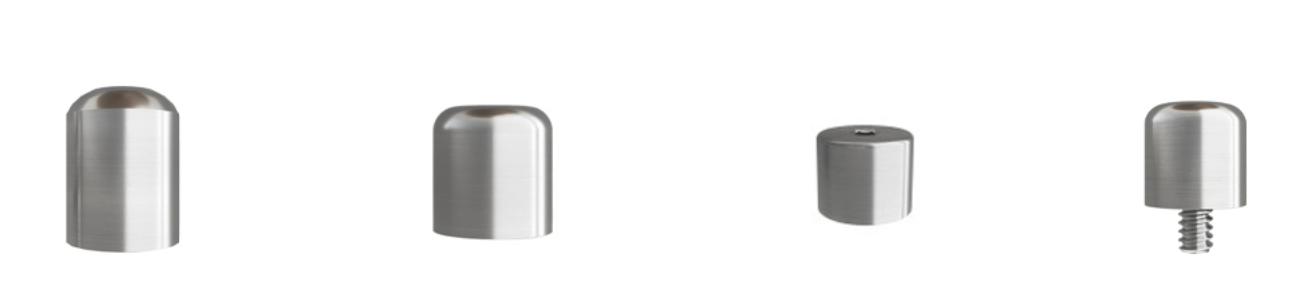
Healing abutments are often underestimated, yet they are one of the most frequently used components in implant workflows.
Clinics require variations in:
l Gingival height
l Diameter
l Emergence profile
A distributor that cannot supply the correct healing abutment quickly creates friction — even if the implant itself performs well.
From a business perspective, healing abutments are:
l Low-cost
l High-frequency
l Strong contributors to repeat orders
They are essential for maintaining daily clinical trust.
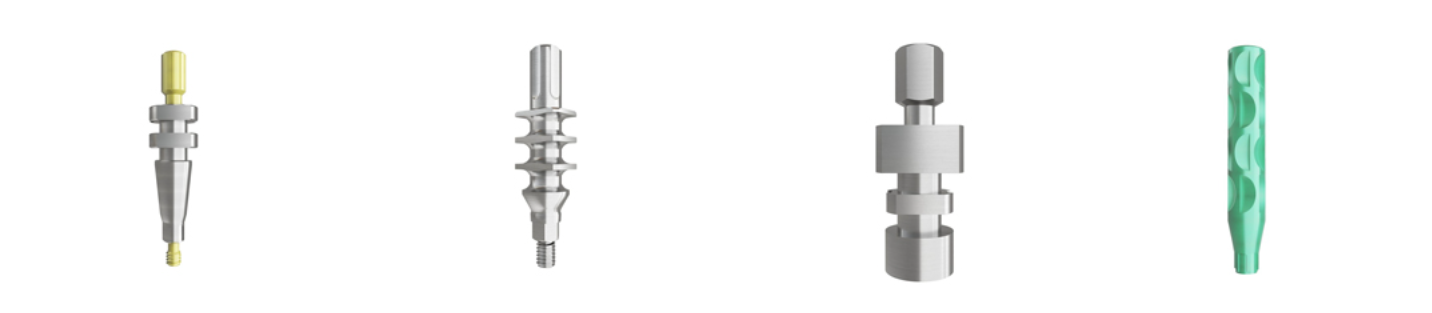
Impression components connect the surgical phase to the restorative phase.
Even in the era of digital dentistry, traditional workflows remain widely used. A balanced distributor portfolio should support both:
Conventional workflow:
l Open-tray impression copings
l Closed-tray impression copings
l Implant analogs
Digital workflow:
l Scan bodies
l Digital analogs
The key is flexibility. Different markets and clinics adopt technology at different speeds.
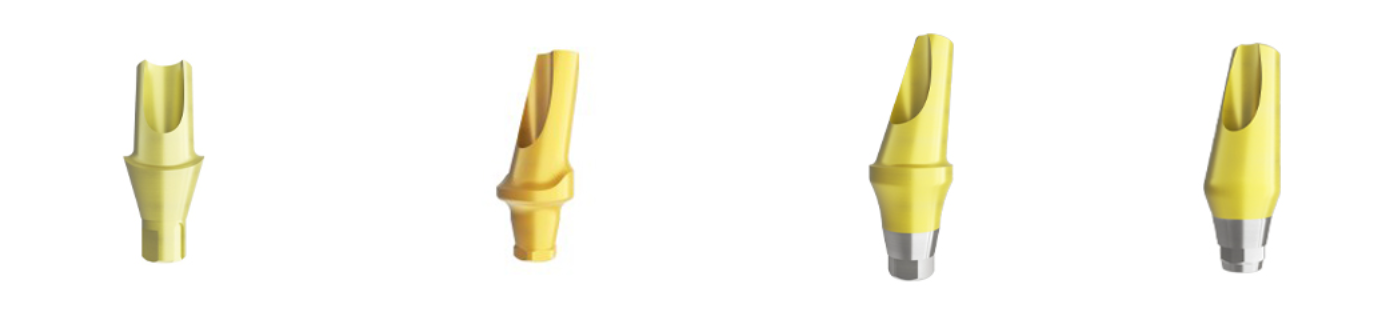
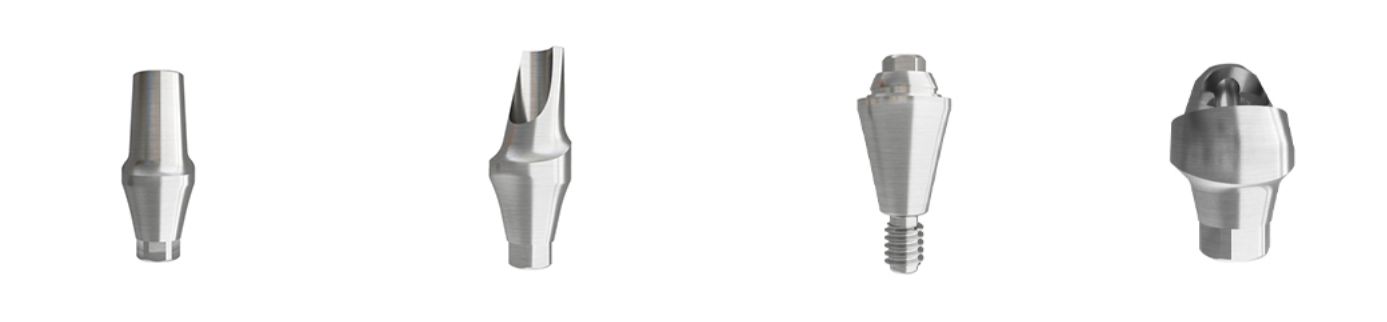
Prosthetic abutments represent one of the most important revenue segments for distributors.
A strong core range typically includes:
l Straight abutments
l Angled abutments
l Temporary abutments
l Castable abutments
l Ti-base abutments
These components allow clinicians to restore implants across a wide range of indications.
From a strategic standpoint, prosthetic components:
l Increase order frequency
l Expand case applicability
l Strengthen system dependency
Distributors who neglect prosthetic depth often lose long-term customers.
As full-arch and immediate loading treatments become more common, multi-unit systems are no longer optional.
Multi-unit abutments allow:
l Correction of implant angulation
l Simplified prosthetic design
l Better load distribution
Distributors do not need a full range initially, but should at least cover:
l Straight multi-units
l Angled multi-units (common degrees)
This category helps position the distributor beyond basic cases and into advanced treatment segments.
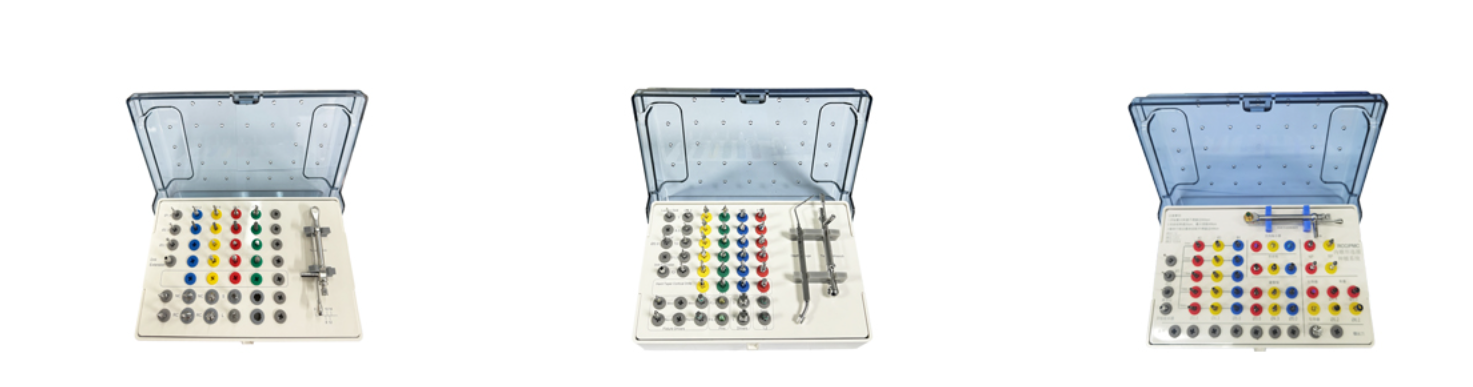
The surgical kit is often the first hands-on experience a clinician has with an implant system.
Key considerations include:
l Logical drill sequence
l Clear markings and color coding
l Durability of drills
l Ease of sterilization
l Availability of replacements
A poorly designed kit can negatively impact the perception of the entire system.
Reliable instrumentation reinforces confidence before the first implant is even placed.
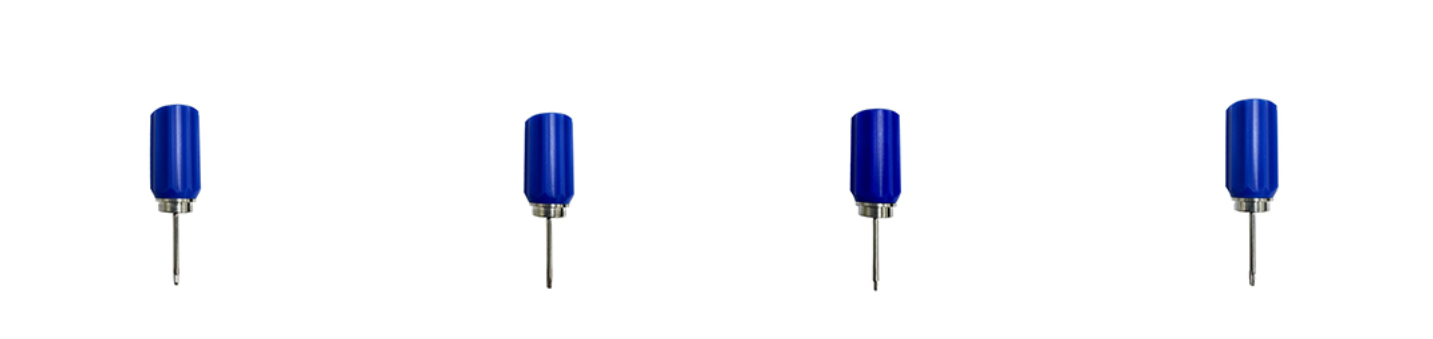
Small components often carry disproportionate importance.
Prosthetic screws and drivers must offer:
l Precise fit
l Consistent torque performance
l Clear usage guidelines
Missing or poorly designed screws can delay treatment and damage trust.
Distributors should ensure:
l Adequate stock levels
l Clear compatibility information
l Reliable replacement supply
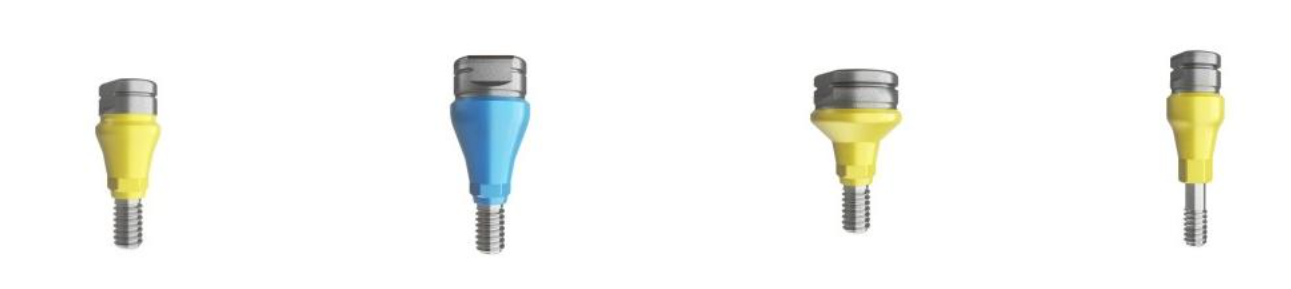
Digital dentistry is expanding rapidly, especially in implant prosthetics.
Core digital products include:
l Scan bodies
l Ti-bases
l CAD/CAM-compatible components
l Software libraries
For distributors, digital capability is not just a feature — it is a positioning tool.
However, digital offerings must be accurate and verified. Incomplete or incompatible systems can cause more harm than benefit.
Distributors often face a key decision:
Start small or build complete?
A narrow product line:
l Reduces initial investment
l Simplifies logistics
l Limits clinical coverage
A complete core system:
l Supports full workflows
l Increases retention
l Improves market positioning
The most effective strategy is phased expansion:
1. Start with core implant sizes
2. Add essential healing abutments
3. Introduce impression components
4. Expand prosthetic options
5. Add multi-unit and digital products
This approach balances risk and scalability.
Choosing a supplier is not just about product — it is about system reliability.
Distributors should evaluate:
l Product consistency
l Component completeness
l Manufacturing stability
l Documentation support
l Packaging and branding flexibility
l Communication and responsiveness
For example, manufacturers like RE-TECH are often considered by distributors looking for a balance between product range and B2B adaptability. Rather than focusing purely on brand positioning, such partnerships can support distributors in building structured, scalable implant portfolios.
The key is alignment: the supplier should understand distributor needs, not just product delivery.
Inventory management directly affects profitability.
A practical structure includes:
l Standard implants
l Healing abutments
l Screws
l Angled abutments
l Temporary components
l Rare sizes
l Specialized components
This segmentation helps maintain availability without excessive capital lock-up.
Distributors frequently encounter avoidable issues:
l Over-prioritizing low price over system quality
l Ignoring prosthetic completeness
l Carrying too many SKUs too early
l Underestimating documentation requirements
l Failing to train sales teams
The implant business rewards consistency, not shortcuts.
They are essential components that support the full implant workflow, including fixtures, abutments, impression parts, screws, and instruments.
Start with high-demand sizes and expand gradually based on real market demand.
Yes. Without prosthetic components, distributors cannot support complete treatments or retain customers.
Yes, especially in markets adopting CAD/CAM workflows. Digital compatibility is becoming increasingly important.
By focusing on fast-moving items first and categorizing products based on demand frequency.
Consistency, complete product systems, documentation, stable supply, and B2B support capability.
Core implant products form the backbone of any successful dental implant distribution business.
Distributors who focus on:
l Workflow completeness
l Product reliability
l Inventory efficiency
l Supplier alignment
are far more likely to build sustainable growth.
Implant systems do not succeed because they are large — they succeed because they are usable, repeatable, and dependable.
A well-structured core portfolio is not just a product decision.
It is a long-term business strategy.