![[slide:title]](/static/upload/other/20260512/1778551853592214.webp)
![[slide:title]](/static/upload/other/20260512/1778551954982306.webp)
Time:2026-06-15 Form:本站
Why More Dental Implant Distributors Are Switching to Chinese Manufacturers—And What They Look for Before Choosing a Supplier
Not long ago, many dental implant distributors would not seriously consider sourcing from China.
The perception was simple: European brands represented premium quality, while Chinese products were viewed primarily as low-cost alternatives.
Today, that perception is changing.
Across Latin America, the Middle East, Southeast Asia, Eastern Europe, and even parts of Western Europe, more distributors are actively evaluating Chinese dental implant manufacturers as long-term supply partners.
What's driving this shift is not simply lower pricing.
In our conversations with distributors and private-label implant brands, we hear the same concerns repeatedly:
l Margins are getting smaller.
l Competition is becoming more aggressive.
l Clinics expect lower prices.
l Supply chain disruptions remain a concern.
l Brand differentiation is becoming harder.
As a result, distributors are rethinking how they source dental implants and what they expect from manufacturing partners.
For many businesses, the goal is no longer finding the cheapest implant system.
The goal is finding a supplier that can support sustainable growth, reliable supply, and long-term profitability.
This is why more distributors are looking toward China.
But the reasons may not be what most people think.
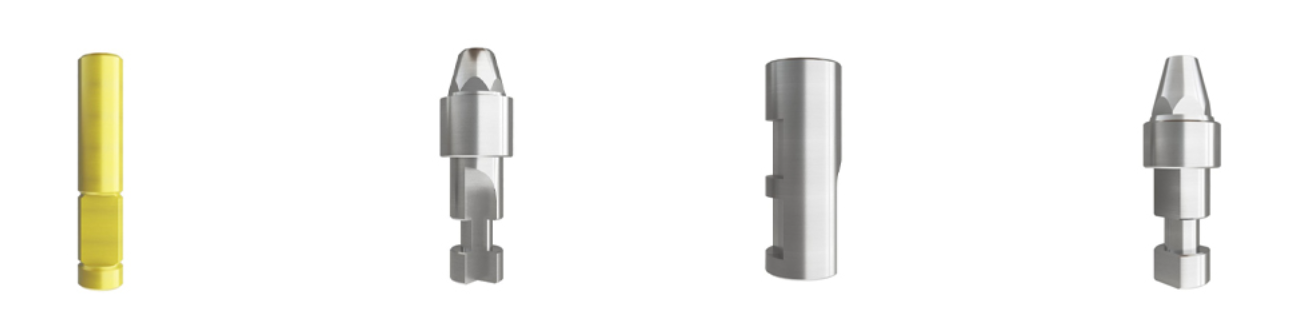
The dental implant industry today looks very different from what it did ten years ago.
In many countries, implants have become a standard treatment option rather than a premium niche procedure.
This growth has created new opportunities for distributors.
At the same time, it has also created new challenges.
Clinics have more purchasing options than ever before.
Patients are increasingly price-sensitive.
New competitors continue entering the market.
Distributors are caught in the middle.
They need to offer competitive pricing while maintaining healthy margins.
They need reliable products without exposing themselves to supply chain risks.
Most importantly, they need a business model that remains profitable over the long term.
This changing market environment is one of the biggest reasons distributors are exploring alternative manufacturing sources.
A common assumption is that distributors switch suppliers because they want cheaper implants.
In reality, most distributors are focused on protecting profitability.
The challenge is straightforward.
Shipping costs rise.
Marketing expenses increase.
Regulatory requirements become more demanding.
Staffing costs continue growing.
Yet clinics often resist price increases.
This creates margin pressure throughout the distribution chain.
Many distributors discover that even when sales volume grows, profitability does not improve at the same pace.
As a result, sourcing strategy becomes a business decision rather than a purchasing decision.
The question changes from:
"How can we buy implants at the lowest price?"
to:
"How can we build a more sustainable business?"
This is where qualified Chinese manufacturers enter the conversation.
Many people still associate China's manufacturing advantage with inexpensive labor.
That explanation no longer tells the whole story.
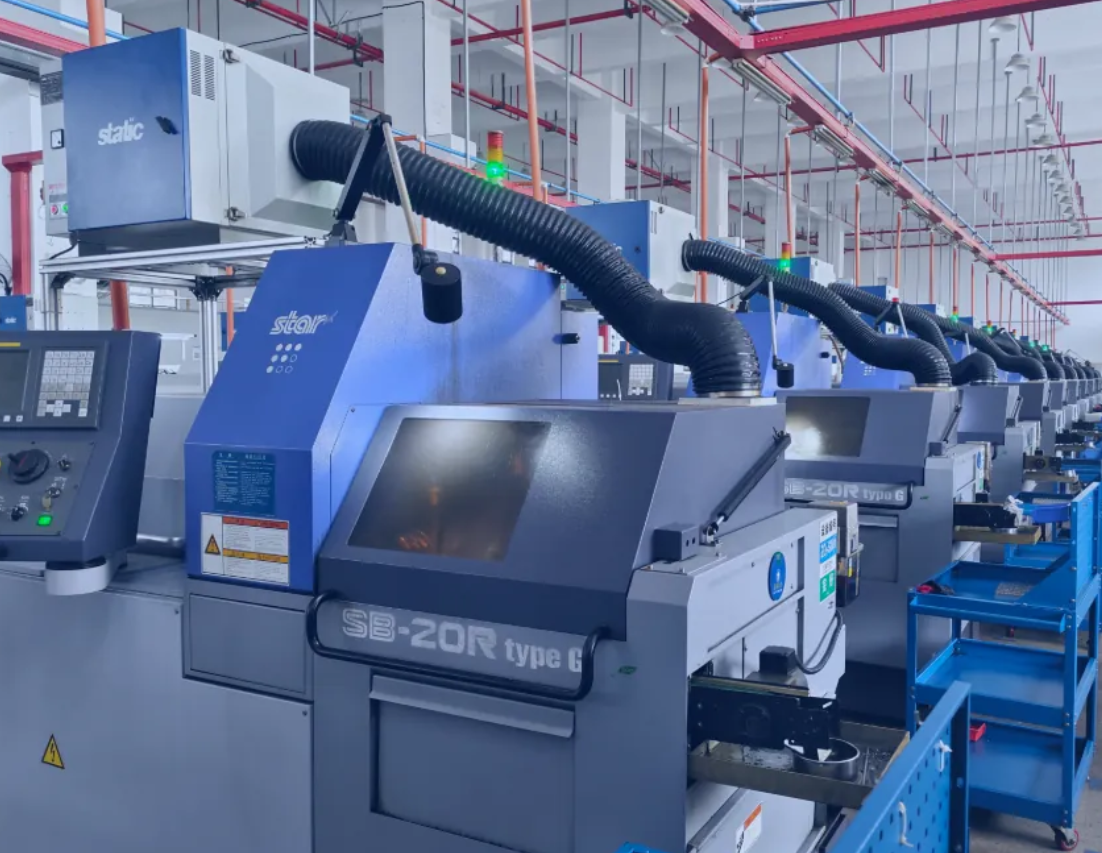
Modern dental implant manufacturing relies heavily on advanced CNC machining, automation, precision inspection systems, and sophisticated surface treatment technologies.
Many leading Chinese manufacturers have invested significantly in these areas.
Today, manufacturing capability is often comparable to facilities found in Germany, Switzerland, South Korea, and other established medical device markets.
What makes China different is its manufacturing ecosystem.
Raw material suppliers, machining facilities, surface treatment providers, packaging companies, and logistics networks are often located within highly integrated industrial clusters.
This reduces operational costs and improves efficiency throughout the supply chain.
For distributors, this means they can often access high-quality manufacturing without the cost structure associated with traditional premium markets.
Most sourcing articles focus on implant design, surface technology, or material specifications.
While these factors are important, they are rarely the biggest concern for distributors.
The real challenges are often operational.
A distributor may have an excellent implant system but struggle because competitors are offering more attractive pricing.
Another distributor may rely heavily on a single overseas supplier and face inventory shortages when production delays occur.
Others discover that they have little control over branding because they are simply reselling another company's products.
These issues directly affect growth, customer retention, and profitability.
That is why more distributors are evaluating manufacturing partnerships rather than simply purchasing products.
They want greater control over their business.
One of the biggest shifts in the industry is the growing popularity of private-label implant systems.
Historically, distributors primarily sold products under the manufacturer's brand.
Today, many companies want something different.
They want to build their own brand identity.
There are several reasons for this.
Private-label programs can help distributors:
l Improve margins
l Reduce direct price competition
l Strengthen customer loyalty
l Increase business value
l Create long-term market differentiation
Building a proprietary implant brand through a traditional European manufacturer can be expensive and difficult.
Many Chinese manufacturers have responded by developing flexible OEM and private-label programs.
These services often include:
l Custom branding
l Packaging design
l Product labeling
l Marketing support
l Regulatory documentation assistance
As a result, distributors can enter the market with their own implant brand without making massive investments in manufacturing infrastructure.
The global disruptions experienced in recent years taught distributors an important lesson.
Supply reliability matters.
When clinics depend on implant availability, even small disruptions can damage customer relationships.
Many distributors now evaluate suppliers based on questions such as:
l Can they maintain stable production?
l Can they scale when demand increases?
l Can they support inventory planning?
l Can they respond quickly to urgent orders?
China's manufacturing ecosystem offers several advantages in these areas.
Large production capacity.
Integrated supply chains.
Strong raw material availability.
Flexible manufacturing capabilities.
These factors help reduce operational risk for distributors serving growing markets.
Not every manufacturer is the right fit.
Experienced distributors typically evaluate suppliers beyond product pricing.
Changing implant systems is not a simple process.
Most distributors want a supplier capable of supporting them for many years.
Look for manufacturers with stable operations, investment in technology, and long-term development plans.
Consistency is often more important than specifications on paper.
Ask about quality control systems, traceability procedures, inspection standards, and manufacturing validation processes.
Documentation is critical for international distribution.
A reliable supplier should be able to provide necessary certifications, material records, and regulatory support when required.
Even if private labeling is not part of your current strategy, future flexibility can be valuable.
Manufacturers with OEM capabilities often provide more options as your business evolves.
Every business relationship faces challenges eventually.
The real test is how a supplier responds when issues arise.
Responsiveness, transparency, and problem-solving ability often matter more than pricing.
Many distributors assume they must choose between premium international brands and Chinese manufacturers.
In reality, the decision is often more nuanced.
Factor | Traditional Global Brands | Chinese Manufacturers |
Brand Recognition | Strong | Growing |
Product Cost | Higher | More Competitive |
OEM Capability | Limited | Strong |
Customization | Limited | Flexible |
MOQ Requirements | Often Higher | Often Lower |
Development Speed | Moderate | Faster |
Margin Potential | Lower | Higher |
Private Label Support | Limited | Widely Available |
This is why many distributors now adopt a dual-brand strategy.
They continue offering premium international systems while introducing competitively priced implant solutions for value-conscious market segments.
This approach allows them to serve a broader customer base while improving profitability.
As the Chinese implant industry matures, differences between manufacturers become more apparent.
Some companies compete primarily on price.
Others focus on quality systems, technical support, regulatory readiness, and long-term partnership development.
International distributors increasingly prefer the second category.
They are looking for suppliers capable of supporting business growth rather than simply delivering products.
Among the manufacturers gaining attention are companies that combine implant production with OEM support, documentation assistance, and customization capabilities.
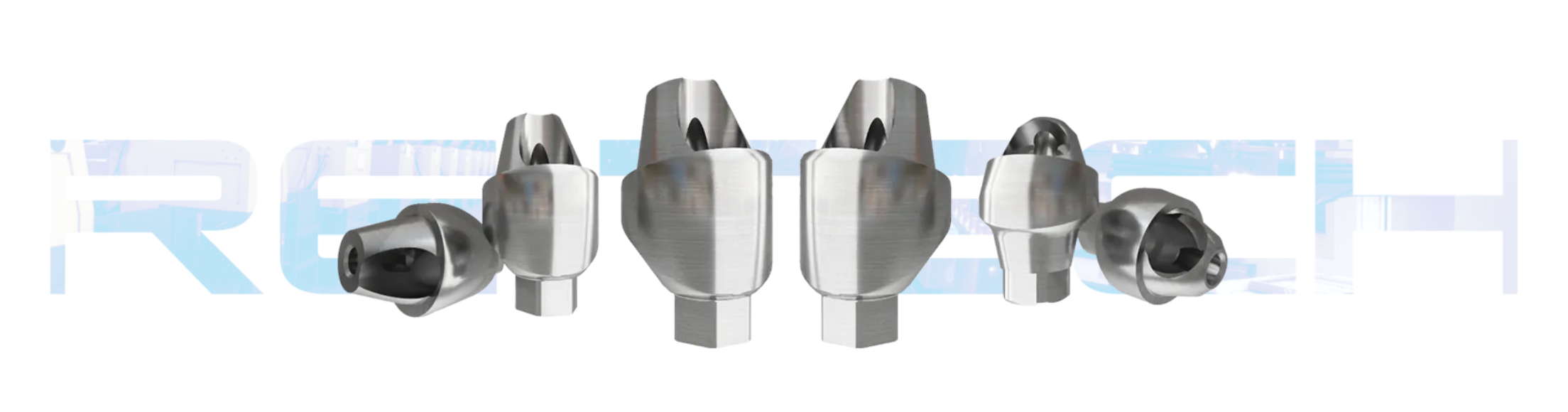
For example, manufacturers such as RE-TECHhave focused on helping distributors develop private-label implant programs and scalable sourcing solutions rather than acting solely as product suppliers.
This reflects a broader industry trend.
Distributors increasingly want manufacturing partners that contribute to business growth.
Several trends are likely to shape the next phase of industry growth.
First, distributors will continue seeking greater control over their brands.
Second, private-label implant systems will become increasingly common.
Third, purchasing decisions will focus more heavily on business value rather than country of origin.
Finally, supplier relationships will become more strategic.
The most successful distributors will not simply purchase products.
They will build partnerships that support long-term expansion.
Manufacturers capable of delivering quality, consistency, flexibility, and operational support will be best positioned to succeed.
Reliability depends on the manufacturer rather than the country of origin. Many Chinese implant manufacturers operate under internationally recognized quality management systems and supply products to distributors worldwide.
The main reasons include improved manufacturing quality, stronger OEM capabilities, supply chain flexibility, and opportunities to improve business margins.
Yes. Many manufacturers offer private-label and OEM services, allowing distributors to develop branded implant systems without investing in manufacturing facilities.
Key factors include manufacturing consistency, regulatory support, OEM capabilities, responsiveness, production capacity, and long-term business stability.
No. While competitive pricing is important, many distributors are primarily focused on improving supply reliability, increasing flexibility, building proprietary brands, and supporting long-term business growth.
Sourcing dental implants from China is no longer just about reducing costs.
For many distributors, the decision is driven by a broader business strategy.
Can a supplier help improve margins?
Can they provide reliable supply?
Can they support private-label growth?
Can they scale alongside your business?
These questions matter far more than geography.
The distributors achieving the strongest long-term results are often those who evaluate suppliers based on partnership potential, operational reliability, and business alignment rather than simply purchase price.
As the global implant market continues evolving, Chinese manufacturers are likely to play an increasingly important role—not because they are the cheapest option, but because they are becoming valuable partners in building sustainable dental businesses.