![[slide:title]](/static/upload/other/20260512/1778551853592214.webp)
![[slide:title]](/static/upload/other/20260512/1778551954982306.webp)
Time:2026-06-12 Form:本站
OEM Dental Implants: What Most Buyers Don't Know Until It's Too Late
If you're searching for an OEM dental implant manufacturer, you've probably already compared dozens of suppliers.
Most factories look similar on paper.
Many offer the same certifications, similar implant designs, and competitive pricing.
As a result, buyers often focus on one thing first: cost.
We understand why.
Whether you're a distributor, a private-label brand, or an implant company expanding into new markets, controlling costs is important.
However, after years of working with implant distributors and dental companies worldwide, we've noticed something interesting.
The biggest sourcing problems rarely come from implant pricing.
They usually come from issues buyers never considered during the supplier selection process.
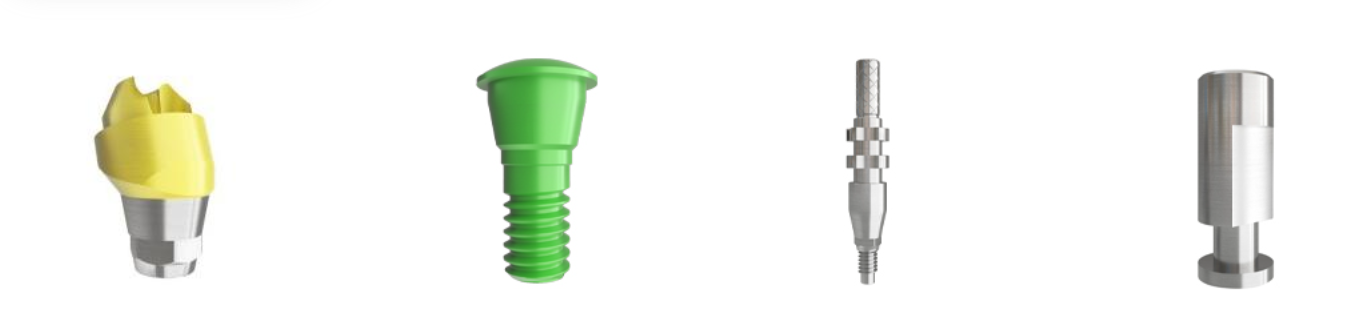
The global dental implant market continues to grow.
At the same time, competition is becoming more intense.
Many distributors no longer want to rely entirely on established implant brands.
Instead, they want more control over pricing, branding, and market positioning.
This is one reason OEM dental implants have become increasingly popular.
By working directly with a manufacturer, companies can build their own implant brand without investing millions in manufacturing facilities.
For many businesses, this creates a faster path to market.
However, OEM manufacturing is not simply about placing a logo on a product.
The success of an implant brand often depends on decisions made long before the first implant reaches a clinic.
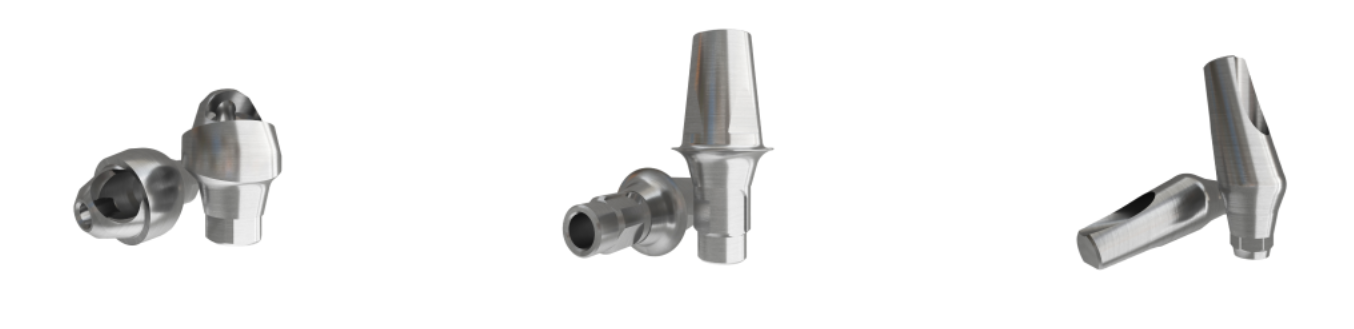
One of the most common situations we see is buyers comparing suppliers based primarily on unit cost.
At first glance, this seems reasonable.
If two implants look similar, why pay more?
The problem is that implants that appear identical may be very different behind the scenes.
We've seen cases where distributors switched suppliers to save money.
Initially, everything seemed fine.
The samples looked good.
The packaging looked professional.
The pricing was attractive.
Several months later, new challenges appeared.
Documentation was incomplete.
Lead times became inconsistent.
Technical questions took weeks to answer.
Registration support was limited.
The cost savings quickly disappeared.
This is why experienced buyers often evaluate total business risk rather than simply comparing implant prices.
A lower quotation does not always mean a lower overall cost.
Many first-time buyers start by comparing implant geometry.
Experienced buyers usually start somewhere else.
They evaluate the manufacturer's systems.
Why?
Because a good design cannot compensate for poor manufacturing control.
Before discussing threads, connections, or dimensions, professional buyers often ask questions such as:
l How is quality controlled?
l How are materials verified?
l How are production records maintained?
l What documentation is available?
l How are customer complaints handled?
The answers to these questions reveal far more about a manufacturer than a product catalog.
Many people think dental implants are simply titanium screws.
The reality is much more complex.
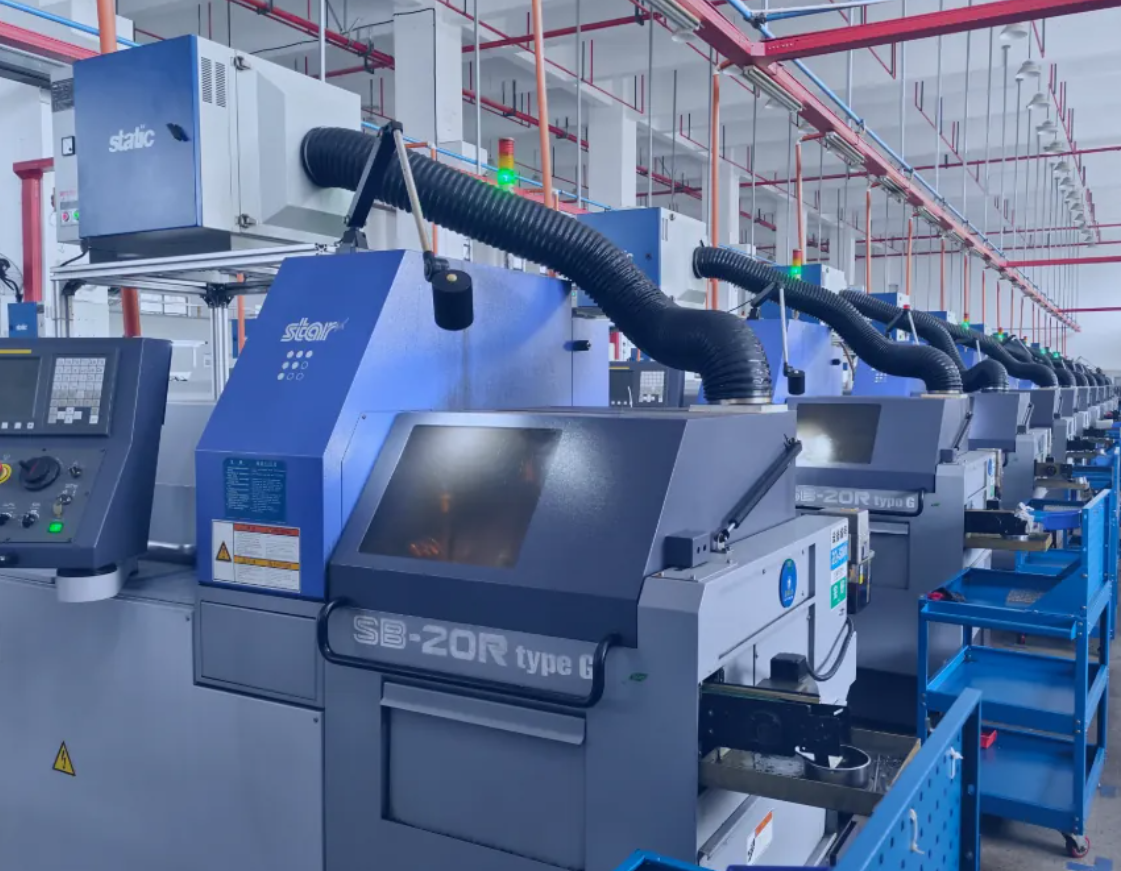
A successful implant system depends on a series of manufacturing processes working together consistently.
These processes typically include:
l Raw material sourcing
l CNC machining
l Surface treatment
l Cleaning and passivation
l Inspection and testing
l Packaging
l Sterilization
l Documentation management
Each step affects the final product.
A problem in any one of these areas can create challenges later.
This is why manufacturing capability matters just as much as implant design.
One lesson many distributors learn the hard way is that manufacturing and market approval are two different things.
An implant can be manufactured perfectly.
That does not automatically mean it is easy to register or sell.
In today's regulatory environment, documentation has become increasingly important.
Depending on your target market, you may need:
l ISO 13485 documentation
l Material certificates
l Sterilization validation reports
l Technical files
l Manufacturing records
l Traceability documentation
We've spoken with buyers who spent months preparing registrations only to discover their supplier could not provide the required documentation.
The result was delays, additional costs, and missed market opportunities.
This is one reason many experienced buyers evaluate documentation capability before discussing pricing.
Many suppliers can manufacture implants.
Far fewer can support business growth.
This distinction becomes important as your brand develops.
For example, some manufacturers simply produce parts according to drawings.
Others provide engineering support, manufacturing recommendations, and regulatory guidance.
The difference may not seem important during the quotation stage.
It becomes extremely important when challenges arise.
If a technical issue occurs, can the supplier help solve it?
If you want to optimize production costs, can they provide recommendations?
If regulations change, can they assist with documentation?
These questions often determine whether a supplier becomes a long-term partner or simply another vendor.
One question is surprisingly rare during supplier evaluations.
"What happens if my business grows faster than expected?"
Many buyers focus entirely on current demand.
Few consider future demand.
A supplier may perform well with small orders.
That does not necessarily mean they can support large-scale production.
Production capacity depends on many factors, including:
l Equipment availability
l Manufacturing efficiency
l Surface treatment capacity
l Inspection resources
l Workforce stability
We've seen growing implant brands struggle because their supplier could not keep pace with demand.
Long lead times followed.
Inventory shortages appeared.
Customers became frustrated.
Before selecting an OEM manufacturer, it is worth evaluating not only today's capacity but also future scalability.
Almost every manufacturer can produce a good sample.
That is not usually the challenge.
The challenge is producing thousands of implants with the same level of quality.
Consistency is one of the most important factors in implant manufacturing.
Buyers should ask:
l Can the supplier demonstrate batch consistency?
l How is process validation performed?
l How are production variations monitored?
l What inspection procedures are used?
These questions are often more valuable than comparing sample parts.
The goal is not to find a supplier that can make one good implant.
The goal is to find a supplier that can make ten thousand good implants.
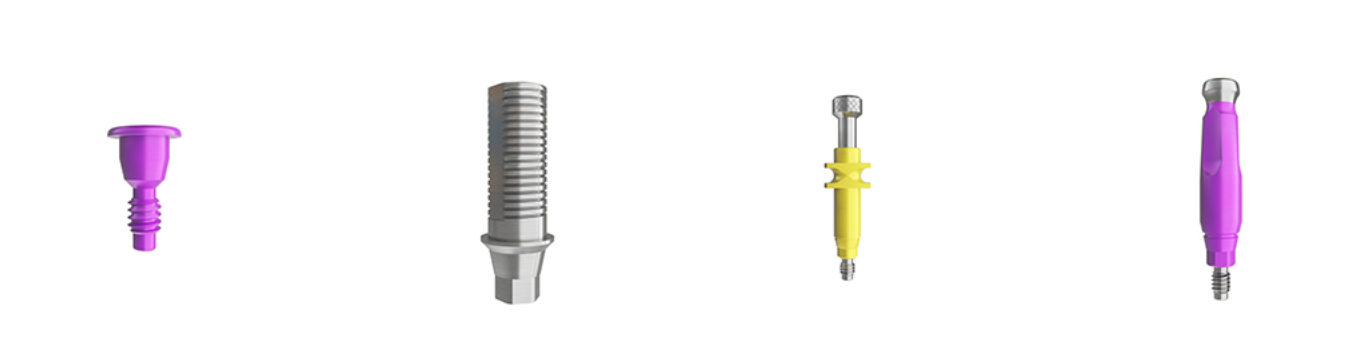
If you're evaluating multiple manufacturers, we recommend focusing on five key areas.
Look beyond certificates.
Ask how quality is maintained every day.
Strong systems are usually more important than marketing claims.
Documentation often becomes critical during registrations and audits.
Make sure your supplier can support your target markets.
A good manufacturer does more than take orders.
They help improve manufacturability, reduce risks, and solve technical challenges.
Fast and transparent communication can save significant time and money.
Pay attention to how suppliers respond during the evaluation stage.
It often reflects how they will perform after the order is placed.
Changing implant manufacturers is not always easy.
For this reason, it is important to choose a partner capable of supporting your business over the long term.
Over the years, we've worked with distributors, private-label brands, and dental companies in different markets.
One pattern appears repeatedly.
The most successful companies rarely choose suppliers based solely on price.
Instead, they focus on reducing risk.
They look for manufacturers that provide reliable quality, strong documentation, responsive support, and long-term stability.
At RE-TECH, many OEM discussions begin with understanding the customer's business goals rather than immediately discussing implant specifications.
The reason is simple.
The right manufacturing solution depends on where the customer wants to go.
A distributor entering a new market faces different challenges than an established implant brand expanding globally.
Understanding those goals helps create a better long-term manufacturing strategy.
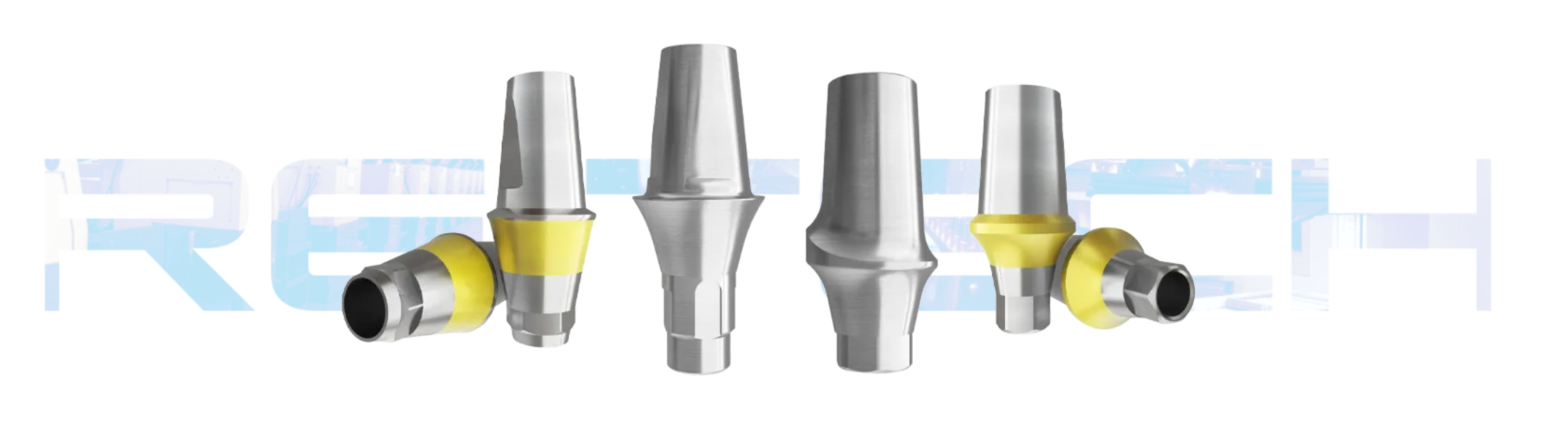
Many buyers enter the sourcing process believing they are purchasing a product.
In reality, they are selecting a manufacturing ecosystem.
That ecosystem includes:
l Materials
l Manufacturing processes
l Quality systems
l Documentation
l Technical support
l Regulatory readiness
When all these elements work together effectively, they create something far more valuable than a titanium implant.
They create confidence.
And in the dental industry, confidence is often one of the most important assets a brand can have.
An OEM dental implant is manufactured by one company and sold under another company's brand. This allows distributors and implant brands to offer their own products without operating manufacturing facilities.
OEM dental implants can be highly reliable when produced under strong quality management systems and validated manufacturing processes. Reliability depends more on the manufacturer's capabilities than on the OEM business model itself.
Most buyers look for ISO 13485 certification as a minimum requirement. Additional documentation and certifications may be necessary depending on the target market.
Evaluate quality systems, documentation capability, engineering support, communication efficiency, and long-term production capacity rather than focusing only on price.
Private-label manufacturing is one type of OEM arrangement. In private-label projects, companies sell products under their own brand while manufacturing is performed by an external supplier.
OEM dental implants offer significant opportunities for distributors, private-label brands, and dental companies looking to build their own product lines.
However, choosing the right manufacturing partner requires more than comparing prices or reviewing product catalogs.
The most experienced buyers understand that quality systems, documentation, engineering support, production consistency, and long-term scalability often have a greater impact on success than the implant itself.
If you're evaluating OEM dental implant manufacturers, focus on finding a partner that helps reduce risk, supports growth, and delivers consistent results over time.
That approach may not always lead to the lowest quotation.
But it often leads to the strongest business outcome.