![[slide:title]](/static/upload/other/20260512/1778551853592214.webp)
![[slide:title]](/static/upload/other/20260512/1778551954982306.webp)
Time:2026-06-11 Form:本站
Are All Dental Implants Made by the Brands Themselves? What Distributors Should Know Before Choosing a Supplier
When evaluating dental implant systems, most buyers focus on the brand name.
They compare product catalogs.
They compare pricing.
They compare certifications.
But there is one question many distributors never ask:
Who actually manufactures the implant?
Many people assume that every dental implant brand owns its own factory and produces all products internally.
In reality, the dental implant industry is far more complex.
Some brands design, manufacture, and distribute their products entirely in-house.
Others outsource part of the production process.
Some rely heavily on specialized OEM manufacturers that produce implants behind the scenes.
For distributors, importers, and private-label brands, understanding this difference is important.
It affects product quality, pricing, lead times, customization possibilities, and long-term supply stability.
In this article, we'll look at how dental implant manufacturing really works and what buyers should know before selecting a supplier.
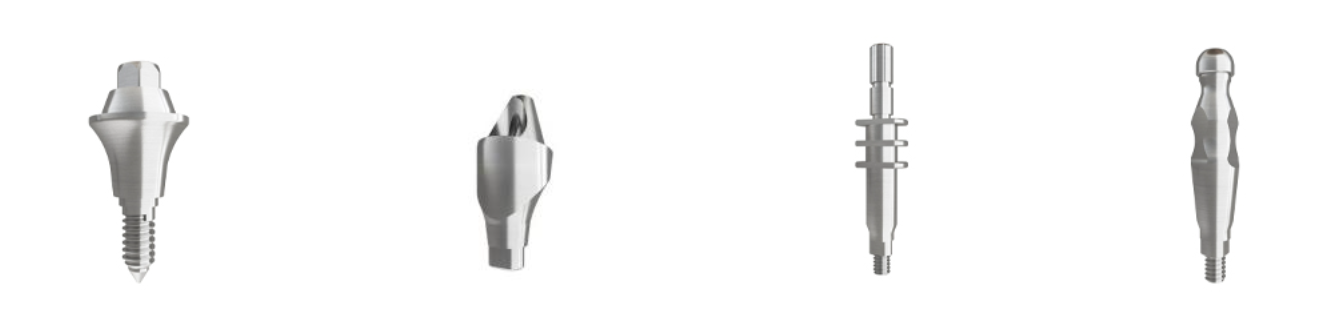
The global dental implant market has changed significantly over the past decade.
More distributors are launching private-label implant brands.
More clinics are looking for cost-effective alternatives.
More regional brands are entering the market.
As competition grows, manufacturing specialization has become increasingly common.
For a clinic, the manufacturing model behind a product may not seem important.
For a distributor, it can have a direct impact on business performance.
Understanding who manufactures the implant can help you evaluate:
l Product consistency
l Production capacity
l Delivery reliability
l Customization opportunities
l Future pricing stability
In many cases, the real competitive advantage is not the logo on the package.
It is the manufacturing capability behind it.
Not all implant companies operate the same way.
Most businesses fall into one of three categories.
These companies control almost every stage of production.
This typically includes:
l Product design
l CNC machining
l Surface treatment
l Quality control
l Packaging
l Distribution
The advantage is greater process control.
The disadvantage is higher operating costs and larger capital investment.
Large international implant companies often use this model.
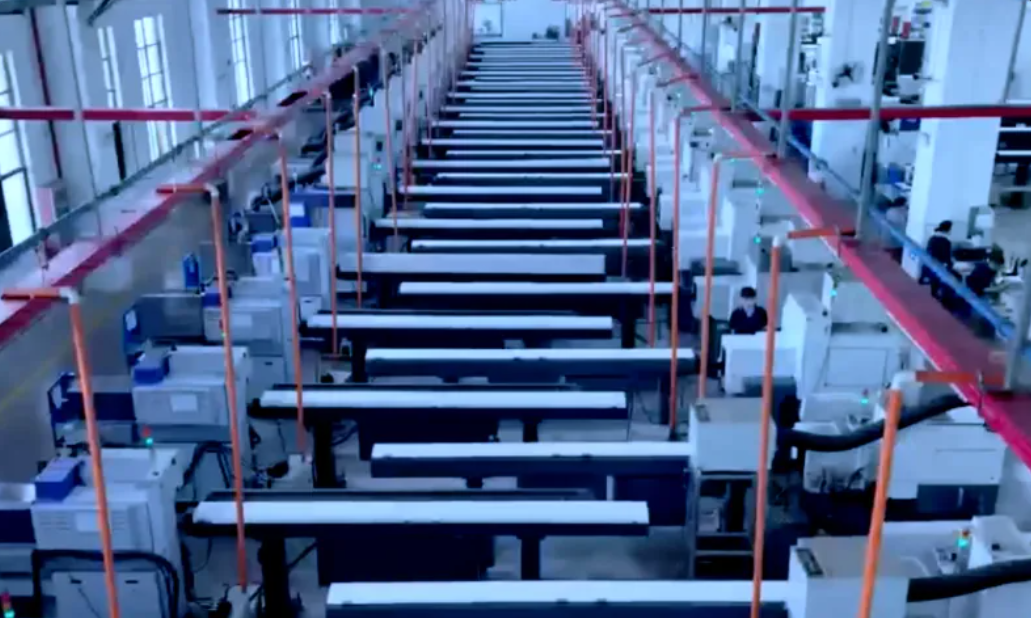
This model has become increasingly common.
The company may design the implant system internally while outsourcing selected processes.
Examples include:
l Surface treatment
l Packaging
l Sterilization
l Component production
This approach allows companies to focus resources where they create the most value.
At the same time, they can leverage specialized manufacturing expertise.
Some companies primarily focus on:
l Marketing
l Sales
l Clinical education
l Regulatory registration
l Distribution
Manufacturing is handled by experienced OEM partners.
This model allows brands to enter the market faster and reduce investment requirements.
It is especially common among newer implant brands and private-label businesses.
One of the biggest misconceptions in the industry is that outsourced manufacturing automatically means lower quality.
That is simply not true.
Quality depends on systems, processes, and manufacturing expertise.
Not ownership of a factory.
An experienced OEM dental implant manufacturer may have:
l Advanced CNC equipment
l Dedicated implant production lines
l Strict quality management systems
l Surface treatment expertise
l Extensive production experience
In some cases, an OEM facility may manufacture products for multiple brands.
Those brands may compete in the same market while sourcing products from the same manufacturing partner.
The final quality depends on:
l Material standards
l Manufacturing controls
l Inspection procedures
l Process validation
l Regulatory compliance
Not whether the company logo matches the factory name.
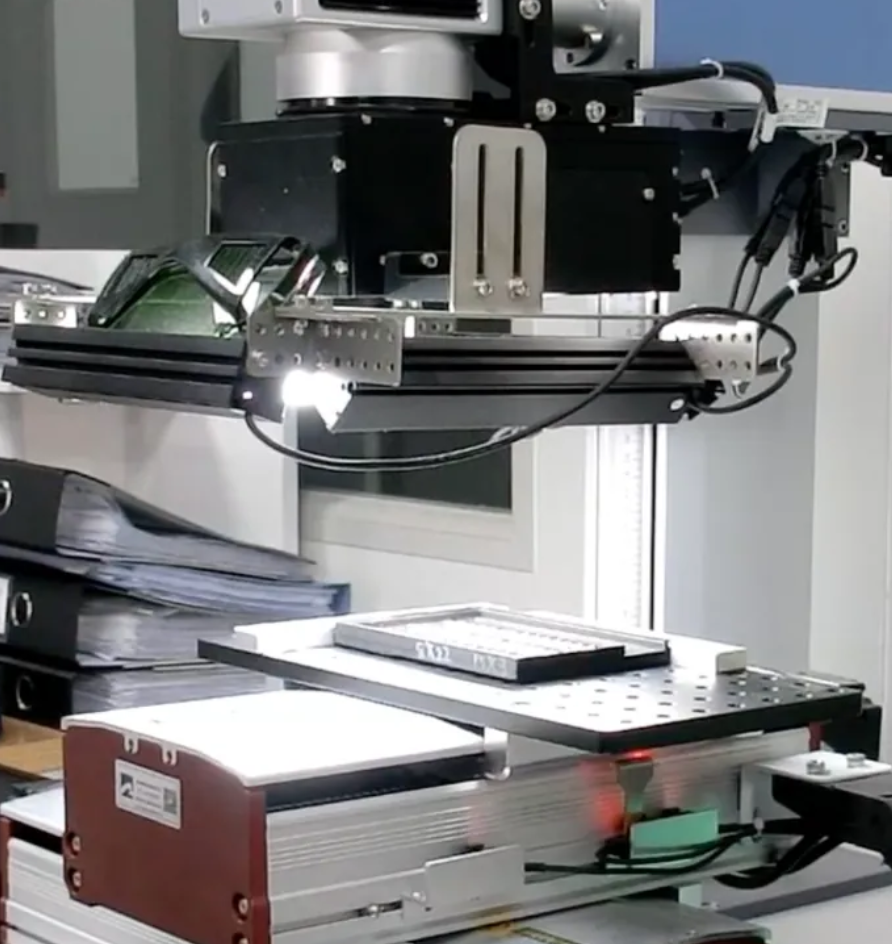
Several industry trends are driving the growth of OEM manufacturing.
Building a modern dental implant factory requires significant investment.
Manufacturers need:
l Precision CNC machines
l Inspection systems
l Cleanroom environments
l Surface treatment facilities
l Quality management systems
The investment can easily reach millions of dollars.
Many companies prefer to work with established manufacturing partners rather than build facilities from scratch.
Launching a new implant brand takes time.
OEM partnerships help companies enter the market more quickly.
Instead of spending years developing production infrastructure, they can focus on:
l Brand development
l Regulatory approvals
l Sales networks
l Clinical training
This significantly reduces barriers to entry.
Private-label implants are becoming increasingly popular.
Distributors want more control over their business.
Many prefer to develop their own brands rather than rely entirely on third-party manufacturers.
OEM production makes this possible.
Factor | Brand-Owned Manufacturing | OEM Manufacturing |
Initial Investment | High | Low |
Production Expertise | Internal | Specialized Partner |
Time to Market | Longer | Faster |
Private Label Support | Limited | Common |
Manufacturing Flexibility | Moderate | High |
Scalability | Moderate | High |
Neither model is inherently better.
The right choice depends on business objectives and market strategy.
During supplier evaluations, buyers often compare pricing first.
Some focus heavily on implant design.
Others focus on certifications.
Yet very few ask:
"Who actually manufactures this implant?"
This simple question can reveal valuable information.
A manufacturer with strong production capability may provide:
l Better production consistency
l More reliable delivery schedules
l Greater customization options
l Stronger long-term support
Understanding the supply chain helps buyers make more informed decisions.
Particularly when building a long-term implant business.
Choosing the right manufacturing partner is about much more than price.
Here are several areas worth evaluating.
Experience matters.
A manufacturer with years of implant production experience often has more stable processes and stronger quality controls.
Ask about production history and manufacturing capabilities.
High-quality implants depend on high-quality raw materials.
Manufacturers should provide complete traceability documentation.
Common implant materials include:
l Titanium Grade 4
l Titanium Grade 5
l Titanium Grade 23 ELI
Material transparency is an important indicator of supplier reliability.
Surface treatment plays a major role in implant performance.
Ask suppliers about:
l Surface roughness control
l Process validation
l Consistency testing
l Quality monitoring systems
A strong surface treatment process often reflects broader manufacturing competence.
Regulatory requirements continue to become more demanding worldwide.
Reliable manufacturers should support documentation related to:
l ISO 13485
l CE requirements
l Product traceability
l Technical documentation
This can save distributors significant time and effort.
Even if you do not need private labeling today, your business goals may change in the future.
Choosing a manufacturer that supports:
l Custom branding
l Private packaging
l Product customization
can create additional opportunities as your business grows.
Many of the most important companies in the dental implant industry are not widely known outside professional circles.
They operate behind the scenes.
Their focus is manufacturing rather than branding.
These companies invest heavily in:
l Precision machining
l Surface treatment technology
l Quality systems
l Production efficiency
As global demand for implants continues to grow, specialized manufacturing partners are playing an increasingly important role in supporting distributors and emerging brands.
Manufacturers such as RE-TECH are examples of this trend.
Rather than focusing solely on consumer-facing branding, they concentrate on production quality, OEM support, and manufacturing capabilities.
For distributors seeking reliable supply partners, this manufacturing-focused model can offer significant advantages.
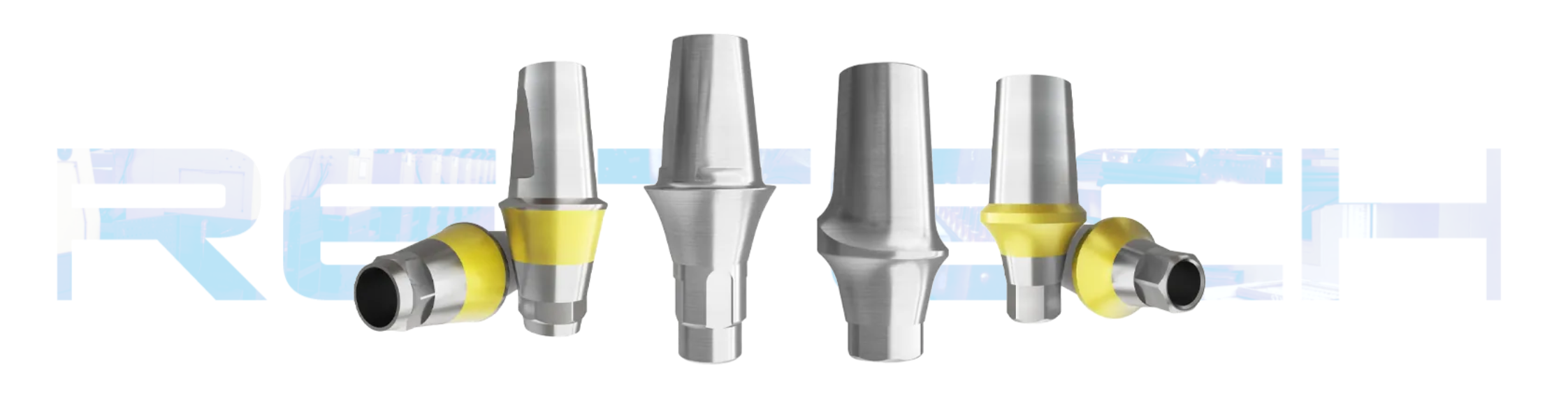
Before selecting a supplier, consider asking these questions.
Understanding the production model helps evaluate quality control and supply chain stability.
Reliable suppliers should provide clear material specifications and traceability records.
Consistency and validation are often more important than marketing terminology.
Even if you do not need this today, future flexibility can be valuable.
Certifications help demonstrate commitment to quality and compliance.
The future of the industry will likely involve greater collaboration between brands and specialized manufacturers.
We are already seeing:
l Increased OEM partnerships
l More private-label implant brands
l Higher automation levels
l Greater customization demand
l Stronger regulatory oversight
Manufacturing expertise is becoming a key competitive advantage.
As a result, specialized OEM manufacturers are expected to play an even larger role in the global implant market.
No. Many brands outsource part or all of their manufacturing to specialized OEM dental implant manufacturers.
An OEM dental implant manufacturer produces implants that are sold under another company's brand name.
Yes. Reliability depends on manufacturing standards, quality control systems, and material quality rather than ownership of the factory.
Yes. Many distributors use OEM manufacturers to develop private-label implant systems.
Focus on manufacturing experience, material traceability, quality systems, regulatory support, and production capabilities.
Yes. Growing demand for private-label products and increasing manufacturing complexity have made OEM partnerships more common worldwide.
So, are all dental implants made by the brands themselves?
The answer is no.
Many implant brands rely on OEM manufacturing partners for some or all production activities.
This does not automatically indicate lower quality.
In fact, many highly successful implant brands depend on specialized manufacturers with extensive production expertise.
For distributors, importers, and private-label businesses, understanding how manufacturing works can help identify better suppliers, reduce risk, and create stronger long-term partnerships.
The name on the package is important.
But the manufacturing capability behind that name may be even more important.