![[slide:title]](/static/upload/other/20260512/1778551853592214.webp)
![[slide:title]](/static/upload/other/20260512/1778551954982306.webp)
Time:2026-04-09 Form:本站
What Happens If Implant Materials Are Substandard?
Dental implants have become one of the most predictable and successful solutions in modern restorative dentistry. However, their long-term success depends on a critical factor that is often underestimated—material quality.
While much of the industry conversation focuses on implant design, surface treatment, and surgical technique, the baseline material integrity remains the foundation of everything. When implant materials are substandard, even the most advanced designs or experienced clinicians cannot fully compensate for the risks introduced at the material level.
For distributors, implant brands, and OEM buyers, this is not just a clinical concern—it is a business-critical decision that directly impacts reputation, regulatory compliance, and long-term profitability.
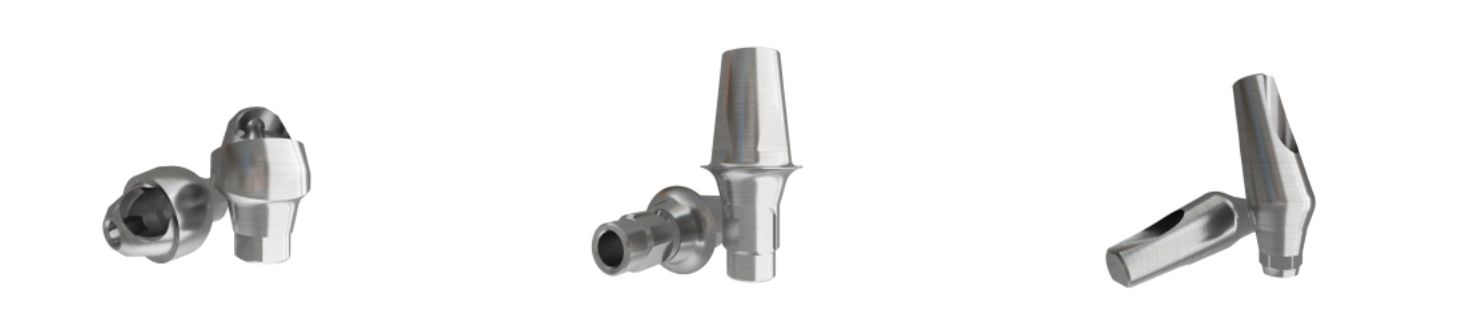
This article explores in depth:
l What defines substandard implant materials
l The hidden risks behind lower-grade materials
l Real-world failure mechanisms
l A comparison of high-grade vs substandard materials
l How to identify reliable manufacturing partners
l Practical strategies to mitigate risk
Substandard implant materials are not always visibly defective. In many cases, they meet basic specifications on paper but fail to deliver consistent performance under clinical conditions.
Common examples include:
Medical implants typically require high-purity titanium (e.g., Grade 4 or implant-grade alloys like Ti-6Al-4V ELI). Substandard materials may contain:
l Excess oxygen or nitrogen
l Improper alloy ratios
l Trace contaminants (iron, carbon)
These impurities can significantly alter mechanical strength and corrosion resistance.
Even if chemical composition appears correct, substandard processing can lead to:
l Inconsistent grain structure
l Residual stress
l Microcracks
These issues are invisible but critical under cyclic loading.
Surface characteristics directly affect osseointegration. Poor processes may result in:
l Uneven roughness
l Contaminated surfaces
l Weak oxide layers
Materials without full documentation (heat number, batch traceability, ISO compliance) are inherently risky, especially for regulated markets.

The consequences are rarely immediate. Instead, failures tend to develop progressively, often after the implant has already been placed and loaded.
Osseointegration depends heavily on surface chemistry and microstructure. Substandard materials may:
l Delay bone integration
l Reduce bone-to-implant contact (BIC)
l Increase early-stage failure rates
Clinically, this may appear as implant instability within weeks or months.
Dental implants are subjected to constant cyclic forces. Substandard materials often exhibit:
l Lower fatigue strength
l Higher susceptibility to crack propagation
This can lead to:
l Implant fracture
l Abutment screw loosening
l Structural deformation
Importantly, these failures often occur after functional loading, making them more damaging from a liability standpoint.
One of the most overlooked risks is corrosion behavior.
Inferior materials may:
l Develop unstable oxide layers
l Corrode in the oral environment
l Release metal ions into surrounding tissues
This can result in:
l Inflammatory reactions
l Peri-implantitis
l Long-term biological complications
If manufacturing environments are not strictly controlled, implants may carry:
l Residual blasting media
l Organic contaminants
l Chemical residues
These contaminants interfere with:
l Protein adsorption
l Cell attachment
l Bone healing
For B2B buyers, the risk extends beyond clinical outcomes.
Using substandard materials can lead to:
l Product recalls
l Certification failure (CE, FDA)
l Legal liability
l Loss of distributor trust
In highly regulated markets, even minor deviations can result in market access restrictions.
Factor | High-Quality Implant Materials | Substandard Materials |
Composition | Certified, implant-grade titanium | Unverified or inconsistent |
Mechanical Strength | High fatigue resistance | Prone to fracture |
Surface Quality | Controlled, clean, optimized | Irregular or contaminated |
Corrosion Resistance | Stable oxide layer | Unstable, reactive |
Traceability | Full documentation | Limited or none |
Clinical Performance | Predictable, long-term success | Variable, higher failure risk |
Despite the risks, substandard materials continue to circulate in the supply chain. The reasons are largely economic and structural:
Lower-grade materials can reduce production costs by 15–30%, making them attractive in price-sensitive markets.
Many distributors focus on:
l Pricing
l Branding
l Packaging
Rather than:
l Metallurgical reports
l Mechanical testing data
Not all markets enforce the same regulatory requirements, allowing lower-quality products to enter less regulated regions.
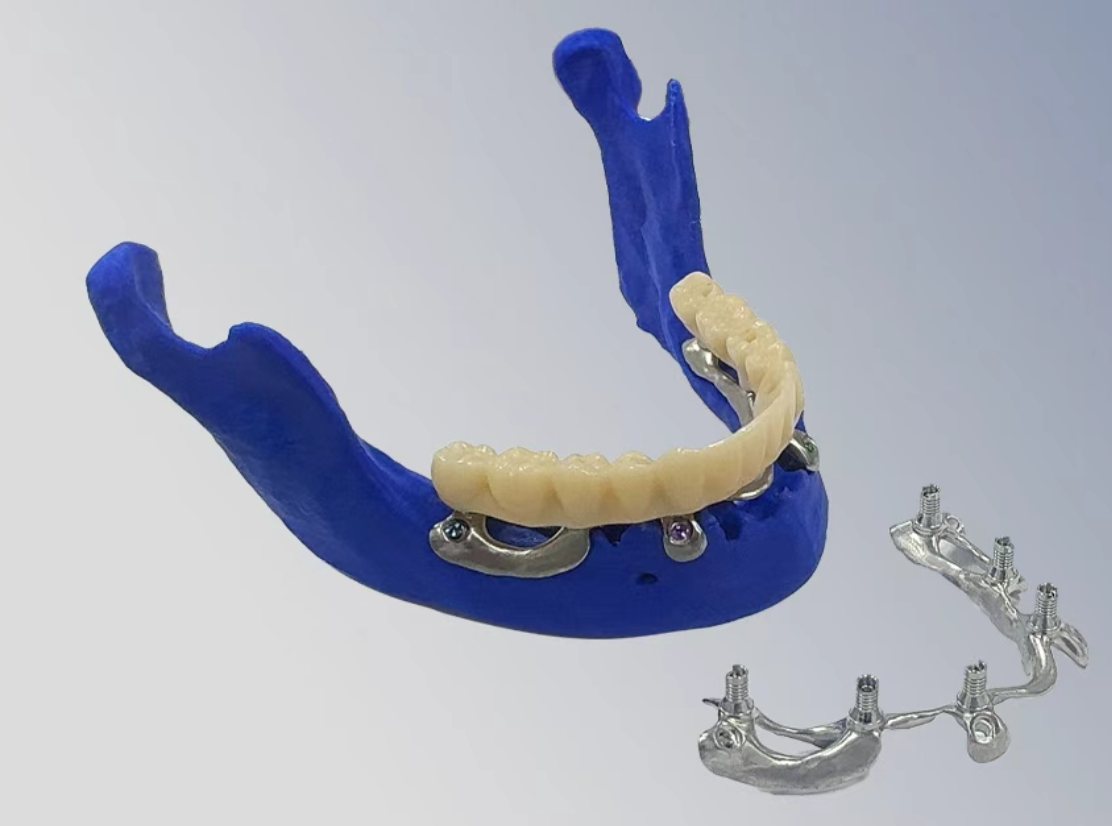
To better understand the impact, consider these typical cases:
A batch of implants with contaminated surfaces shows high failure rates within 3 months, requiring re-surgery.
After 2–3 years of use, implants begin fracturing due to fatigue failure caused by microstructural defects.
Clinics report increased inflammation cases linked to corrosion-related ion release.
These scenarios not only damage clinical outcomes but also erode brand credibility.
For B2B buyers, selecting the right manufacturing partner is crucial. Key evaluation criteria include:
Look for:
l ISO 5832 compliance
l ASTM standards (e.g., F67, F136)
l Full batch traceability
A reliable partner should demonstrate:
l Vacuum melting processes
l Precision machining
l Cleanroom surface treatment
Critical tests include:
l Fatigue testing
l Corrosion resistance testing
l Surface analysis (SEM, XPS)
Suppliers should provide:
l Mill test reports (MTR)
l Inspection reports
l Quality assurance documentation
It is important to note that high quality does not necessarily mean excessively high cost. The goal is to achieve a balance between:
l Material performance
l Manufacturing consistency
l Commercial viability
Some modern manufacturers have optimized their processes to deliver implant-grade materials with stable quality control and competitive pricing, making them increasingly attractive for global distributors.
For example, certain advanced OEM suppliers have focused on:
l Strict raw material sourcing
l Controlled production environments
l Comprehensive testing protocols
This approach ensures consistent implant performance without unnecessary cost inflation, which is especially valuable for scaling B2B operations.Suppliers such as RE-TECH have adopted similar frameworks, focusing on process stability and repeatability rather than aggressive cost reduction, which aligns more closely with the needs of long-term brand builders rather than short-term traders.

Yes. Many substandard materials can meet basic dimensional and visual inspections. However, their weaknesses often appear under long-term mechanical or biological conditions.
No. Failure can result from surgical technique, patient conditions, or prosthetic design. However, material quality is a foundational factor that influences all other variables.
Request:
l Mill test certificates
l Third-party lab reports
l Batch traceability documentation
Independent verification is highly recommended for large-volume purchases.
Not at all. Differences in:
l Purity
l Microstructure
l Surface treatment
Can lead to significant variations in performance, even if the material is labeled similarly.
Implant-grade titanium (such as Grade 4 or Ti-6Al-4V ELI) with full certification, controlled processing, and validated surface treatment remains the industry benchmark.
Substandard implant materials represent a hidden but critical risk in the dental implant supply chain. Their impact extends beyond clinical failure to include regulatory challenges, financial losses, and long-term brand damage.
For B2B buyers, the key takeaway is clear:
Material quality is not a cost—it is an investment in reliability, reputation, and sustainable growth.
By prioritizing:
l Certified raw materials
l Proven manufacturing processes
l Transparent quality control
you can significantly reduce risk and build a more resilient implant business.
In an increasingly competitive global market, those who focus on consistent quality and long-term value will ultimately stand out—not just in pricing, but in trust.