![[slide:title]](/static/upload/other/20260512/1778551853592214.webp)
![[slide:title]](/static/upload/other/20260512/1778551954982306.webp)
Time:2026-05-22 Form:本站
Stable Supply Strategies for Implant Distributors: How to Reduce Risk, Protect Margins, and Build Long-Term Growth
For dental implant distributors, supply stability is not simply a purchasing issue. It directly affects sales performance, clinic trust, cash flow, brand reputation, and long-term market control. A distributor may have strong sales channels, experienced representatives, and good clinic relationships, but if implant products are frequently out of stock, delayed, inconsistent, or difficult to verify, the business becomes fragile.
In the dental implant market, distributors face a difficult balance. Clinics want reliable implant systems, compatible prosthetic components, predictable delivery, and reasonable pricing. Meanwhile, distributors must manage inventory risk, supplier reliability, regulatory documentation, product training, and competition from both premium global brands and lower-cost alternatives.
A stable supply strategy helps implant distributors avoid three common problems: overdependence on one brand, uncontrolled SKU expansion, and unpredictable manufacturer performance. It also helps distributors move from short-term product trading to a more defensible business model based on reliability, technical support, and market positioning.
This article explains how implant distributors can build a stable supply strategy, compare supplier models, reduce operational risk, and create a stronger foundation for B2B growth.
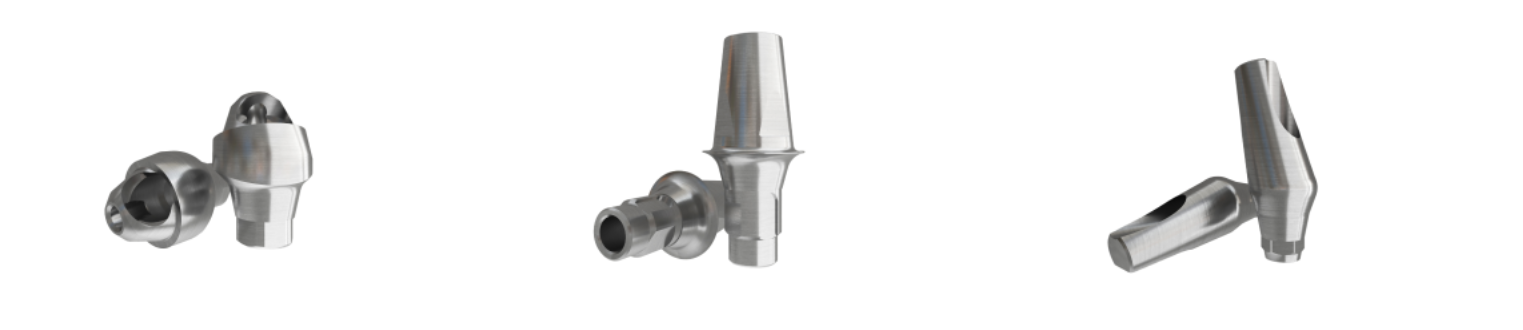
Many distributors start by comparing implant prices. Price is important, but it is not the only factor that determines profit. A low unit price can become expensive if the supplier creates problems such as late delivery, unstable quality, unclear compatibility, poor packaging, missing documentation, or inconsistent component availability.
In implant distribution, supply problems often appear in hidden ways. A clinic may not complain immediately when one component is unavailable, but the sales representative loses confidence. A dentist may choose another system if the prosthetic workflow becomes difficult. A distributor may win a first order with a low price but lose repeat orders if the system cannot be supplied consistently.
Stable supply affects:
Business Area | Impact of Unstable Supply |
Clinic relationships | Dentists lose confidence when components are unavailable |
Sales team performance | Reps hesitate to promote products they cannot reliably deliver |
Inventory cost | Emergency purchasing and overstock both reduce profit |
Market reputation | Delays and inconsistent quality damage long-term trust |
Regulatory readiness | Missing documents can block import, registration, or tender opportunities |
Margin control | Frequent supplier changes weaken negotiation power |
For this reason, implant distributors should evaluate suppliers not only by price but also by consistency, documentation, compatibility, production capacity, and long-term cooperation potential.
A common mistake among implant distributors is to manage supply only based on recent sales demand. For example, if a 4.0 × 10 mm implant sells well this month, the distributor simply orders more of that size. This approach works in simple trading, but it is not enough for implant systems.
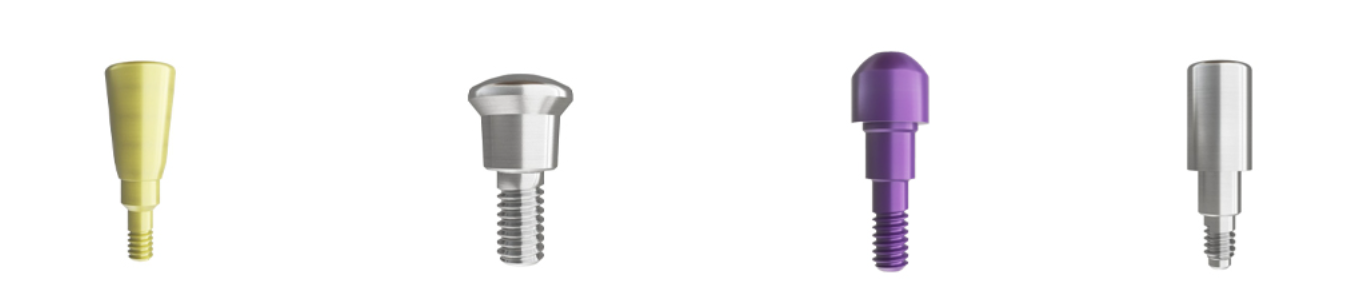
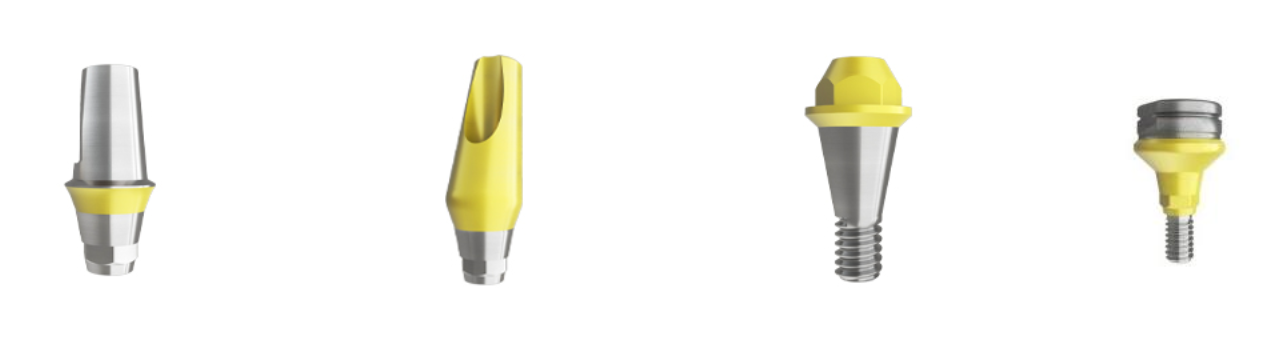
Dental implant supply requires risk-based planning because each implant sale is connected to future prosthetic demand. Selling an implant today may create future demand for healing abutments, impression posts, scan bodies, analogs, temporary abutments, multi-unit abutments, screws, drivers, and prosthetic components. If these related components are not available, the distributor’s system becomes unreliable in the eyes of clinics.
A stable strategy should consider four layers of demand:
1. Core implant demand
The most commonly used implant diameters and lengths.
2. Prosthetic follow-up demand
Healing abutments, abutments, impression components, scan bodies, analogs, and screws.
3. Clinical emergency demand
Replacement screws, drivers, healing caps, and special abutments needed quickly.
4. Market expansion demand
Products required for new clinics, new regions, private label growth, or tender opportunities.
A distributor that only stocks implants but ignores prosthetic components may appear competitive at first, but clinics will eventually question whether the system is practical for daily use.
Distributors often ask whether they should rely on one implant manufacturer or build a multi-supplier structure. There is no universal answer. The better choice depends on market positioning, clinic base, registration requirements, and the distributor’s operational capability.
A single-brand strategy can work well when the supplier is highly reliable and the distributor has exclusive or semi-exclusive rights in a market. It simplifies training, marketing, inventory, and sales communication.
However, the risk is obvious. If the supplier raises prices, delays shipments, changes product policy, stops producing certain components, or gives the same products to competing distributors, the distributor has limited control.
A multi-supplier strategy reduces dependence on one manufacturer. It allows the distributor to serve different clinic segments, such as premium users, value-focused clinics, digital workflow users, and private label customers.
But multi-supplier management can become chaotic if not controlled. Too many systems create SKU overload, training confusion, inventory pressure, and compatibility mistakes.
Strategy | Advantages | Risks | Best For |
Single-brand supply | Simple training, unified catalog, easier brand building | High dependence, weaker negotiation power | Exclusive distributors or focused regional brands |
Dual-supplier model | Better backup, controlled complexity | Requires clear product positioning | Growing distributors with stable clinic channels |
Multi-supplier model | Flexible pricing, wider product range, lower dependency | SKU complexity, training burden, inventory pressure | Mature distributors with strong internal management |
OEM/private label model | Higher brand control, better margin potential | Requires stronger quality and documentation review | Distributors building long-term market identity |
For many implant distributors, the most practical approach is not “one supplier only” or “as many suppliers as possible.” A better model is a controlled dual-supply or segmented supply strategy: one main supplier for core products, one backup or OEM supplier for flexibility, and a clear plan for which products belong to each market segment.
A stable supply strategy starts with supplier evaluation. In medical devices, supplier selection cannot be based only on catalog appearance or quotation speed. Dental implants are regulated products, and distributors need confidence in manufacturing control, traceability, documentation, and long-term consistency.
ISO 13485 is widely recognized as a quality management system standard for medical devices, helping organizations demonstrate that medical devices meet customer and regulatory requirements for safety and performance. The FDA’s Quality Management System Regulation applies to finished device manufacturers that intend to commercially distribute medical devices, which shows why manufacturing control and documentation are central to medical device supply. In the EU, medical device economic operators are expected to support safety, effectiveness, and traceability throughout the supply chain.
For distributors, this means supplier evaluation should include both commercial and technical questions.
Evaluation Area | Questions to Ask |
Quality system | Does the manufacturer operate under a medical device quality management system? |
Documentation | Can they provide certificates, technical files, batch records, IFU, labels, and packaging information when required? |
Traceability | Can each batch be traced from raw material to finished product? |
Production capacity | Can they support repeat orders, urgent replenishment, and growing demand? |
Compatibility | Are prosthetic connections, drivers, abutments, scan bodies, and screws clearly defined? |
Packaging | Is packaging suitable for dental implant distribution and market requirements? |
Communication | Can the supplier respond quickly to technical and commercial questions? |
Product continuity | Are core components available long term, or does the supplier frequently change specifications? |
A supplier that gives a low price but cannot answer these questions clearly may create future risk. A distributor should prefer manufacturers that can support product continuity, documentation, and practical market needs.
For implant distributors, OEM manufacturers can play an important role in building a stable supply system. OEM cooperation allows distributors to create a more controlled product line, reduce dependence on premium brands, and build a private label or semi-private label strategy.
However, OEM supply should not be treated as simply “buying cheaper implants.” The real value of OEM supply is control: control over catalog structure, packaging, stock planning, compatibility, branding, and long-term margin.
A professional OEM implant manufacturer should help distributors answer questions such as:
l Which implant sizes should be prioritized for the local market?
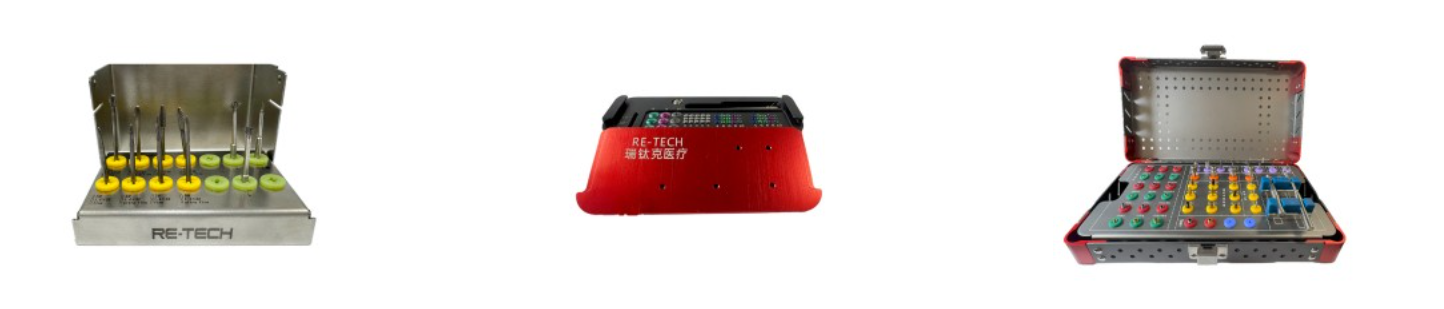
l Which prosthetic components should be stocked with each implant line?
l Can packaging and labeling support the distributor’s sales channel?
l Are compatible components available for digital workflows?
l Can repeat orders maintain consistent surface treatment, dimensions, and packaging quality?
l Can the manufacturer support gradual brand development instead of only one-time trading?
This is where manufacturers such as RE-TECH can be naturally considered by distributors looking for OEM or compatible implant supply support. The key value is not only producing implants, but helping distributors build a more predictable product structure, especially when they need stable supply, controlled SKUs, and long-term B2B cooperation.

One of the biggest challenges for implant distributors is inventory control. Dental implant systems can easily create too many SKUs. Different diameters, lengths, platforms, connections, healing abutment heights, impression parts, scan bodies, analogs, screws, and prosthetic options can make inventory expensive and hard to manage.
A stable supply strategy does not mean keeping every product in large quantity. It means classifying SKUs by importance and planning stock levels accordingly.
SKU Type | Examples | Stock Strategy |
A-class core SKUs | Most-used implants, standard healing abutments, common abutments | Keep regular safety stock |
B-class support SKUs | Less common lengths, special prosthetic components | Keep moderate stock or scheduled replenishment |
C-class low-frequency SKUs | Rare diameters, special components, uncommon heights | Stock lightly or order by demand |
Emergency SKUs | Screws, drivers, healing caps, analogs | Keep small but reliable stock |
Market development SKUs | New product lines, digital workflow components | Test in controlled quantities |
This structure allows distributors to avoid two opposite problems: running out of popular items and overstocking products that rarely move.
A common rule is that distributors should never evaluate inventory only by unit cost. A small screw may be inexpensive, but if it is unavailable at the wrong time, it can delay a restoration case and damage clinic trust. Some low-cost components deserve safety stock because their business impact is high.
A strong distributor does not sell only implants. It supports the full clinical and prosthetic workflow.
From the clinic’s perspective, the implant system should be easy to use from surgery to final restoration. This means the distributor should ensure availability of the complete workflow:
1. Surgical kits and drivers
2. Implants in common diameters and lengths
3. Cover screws and healing abutments
4. Impression posts or scan bodies
5. Lab analogs or digital analogs
6. Temporary and final abutments
7. Screws and torque tools
8. Multi-unit or angled solutions when needed
9. Clear compatibility charts
10. Technical support and product training
Many distributors lose repeat business because they focus too much on the implant fixture and not enough on the prosthetic ecosystem. Dentists and labs need confidence that the system will remain usable after placement.
A stable supply strategy should therefore include a workflow-based stock map, not just a price list.
Supplier diversification is useful, but uncontrolled diversification can damage the distributor’s business. The goal is to reduce dependency while maintaining clarity.
A practical approach is to divide suppliers by role:
Supplier Role | Function |
Primary supplier | Main implant system and core sales volume |
Backup supplier | Risk protection for urgent supply or price instability |
OEM/private label supplier | Supports distributor-controlled product line |
Specialty supplier | Provides special components, digital products, or niche solutions |
This structure gives the distributor flexibility without confusing clinics. The sales team should understand which supplier supports which product segment. Otherwise, product positioning becomes unclear and customers may feel the distributor is simply trading random brands.
The distributor should also avoid introducing multiple systems with similar positioning. For example, carrying five low-cost implant systems may not create real differentiation. It may only increase SKU pressure and reduce sales focus. A better strategy is to carry clearly separated lines: one premium-positioned system, one reliable value system, and one OEM/private label line for margin control and long-term branding.
Lead time is one of the most underestimated parts of implant distribution. Many distributors only ask suppliers, “How fast can you ship?” But stable supply requires deeper planning.
Lead time should be divided into several stages:
Stage | Risk |
Production lead time | Delays if raw materials, machining, surface treatment, or packaging are not ready |
Quality inspection | Delays if batch testing or documentation is incomplete |
Sterilization and packaging | Delays if outsourced or batch scheduling is limited |
Export preparation | Delays from documents, customs, or shipping arrangements |
Local import clearance | Delays due to regulatory or customs requirements |
Distributor warehousing | Delays from internal receiving, labeling, and allocation |
A good supply strategy adds buffer time for each stage. For fast-moving SKUs, distributors should set reorder points before stock becomes critically low. For slower-moving products, distributors may use scheduled consolidated orders to reduce freight and handling costs.
The most dangerous habit is waiting until a clinic urgently needs a component before placing a replenishment order. This creates emergency shipping costs and weakens trust.
Some distributors see documentation as a burden, but in implant distribution it can become a selling advantage. Clinics, hospitals, tender buyers, and regulatory partners increasingly prefer suppliers that can provide clear product information, traceability, and quality records.
A distributor should organize documentation before customers request it. This may include:
l Product catalog
l Instructions for use
l Label information
l Batch or lot traceability
l Sterilization information
l Material information
l Packaging details
l Compatibility charts
l Certificates where applicable
l Technical comparison documents
l Complaint handling process
When documentation is organized, the distributor appears more professional. Sales representatives can answer questions faster. Importers and regulatory partners can review products more easily. Clinics feel more confident using the system.
For OEM or private label distributors, documentation control is even more important because the distributor’s own brand reputation depends on the manufacturer’s consistency.
Many distributors focus on lowering purchase cost, but stable supply often protects margin more effectively than the lowest price. If the distributor can supply products reliably, provide technical support, reduce clinic risk, and maintain consistent availability, the market may accept a healthier margin.
Unstable supply forces distributors into price competition. When products are delayed or incomplete, price becomes the only selling point. Stable supply gives the distributor other value points: reliability, speed, training, documentation, compatibility, and support.
A good pricing strategy should consider:
l Product cost
l Freight and import cost
l Inventory holding cost
l Slow-moving SKU risk
l Emergency replenishment cost
l Documentation and registration cost
l Sales training cost
l After-sales support cost
l Replacement or complaint handling cost
A supplier with a slightly higher unit price may be more profitable if they reduce hidden costs and protect repeat business. This is especially true in implant distribution, where clinic trust is built over time.
Instead of reacting to every order, distributors should build a supply roadmap. This roadmap should connect sales goals, inventory planning, supplier cooperation, and market positioning.
The distributor should decide which customer groups it wants to serve:
l Price-sensitive clinics
l Mid-market private clinics
l Premium implant users
l Digital workflow clinics
l Dental labs
l Hospitals or tender buyers
l New implant users needing training
Each segment may require different products, pricing, documentation, and support.
The distributor should avoid launching too many systems at once. A focused product line is easier to train, stock, and promote.
The core list should include implants, healing abutments, impression or scan components, prosthetic parts, screws, and tools.
Fast-moving SKUs should have clear minimum stock levels. Reorder decisions should be based on sales velocity and lead time, not guesswork.
Supplier performance should be reviewed regularly. Important indicators include delivery accuracy, quality consistency, documentation response speed, complaint handling, and product continuity.
Backup supply should be planned before problems happen. A distributor should know which products can be substituted, which suppliers can support urgent needs, and which components are critical.
The strongest distributors do not win only because they have access to products. Many competitors can buy implants. What is harder to copy is a complete supply system.
A defensible supply strategy includes:
l A clear product structure
l Reliable stock of core SKUs
l Strong prosthetic component availability
l Supplier relationships built on long-term cooperation
l Documentation readiness
l Sales team product knowledge
l Clinic training support
l Consistent after-sales service
l Market-specific pricing strategy
l Private label or OEM development where appropriate
This combination makes the distributor more than a reseller. It turns the distributor into a reliable supply partner for clinics.
The biggest risk is not always product shortage. In many cases, the bigger risk is incomplete system availability. A distributor may have implants in stock but lack healing abutments, impression components, scan bodies, screws, or drivers. This can interrupt the clinical workflow and reduce clinic confidence.
A single-manufacturer strategy can work if the supplier is reliable and provides strong market support. However, many distributors use a controlled dual-supplier or segmented supplier model to reduce dependency and protect supply continuity.
Distributors should classify SKUs into core, support, low-frequency, emergency, and market development categories. Fast-moving and clinically critical items should have safety stock, while rare components can be stocked lightly or ordered based on demand.
Implants create future prosthetic demand. If abutments, scan bodies, analogs, screws, or healing components are unavailable, clinics may stop using the system even if the implant fixture itself is good.
OEM supply can be suitable for distributors that want better brand control, margin protection, and long-term product planning. However, the distributor should carefully evaluate the manufacturer’s quality system, documentation, compatibility, production capacity, and product continuity.
Supplier performance should be reviewed regularly, especially for delivery time, product consistency, documentation support, complaint handling, and availability of core components. A quarterly review is a practical starting point for many growing distributors.
They should ask about quality management, batch traceability, production capacity, documentation, packaging, sterilization, compatibility, lead time, after-sales support, and long-term availability of components.
Stable supply helps sales teams promote products with confidence. Clinics are more likely to continue using an implant system when they know the distributor can provide consistent products, components, documentation, and support.
For implant distributors, stable supply is one of the most important foundations for long-term growth. It protects clinic relationships, improves sales confidence, reduces hidden costs, and supports brand development.
The best strategy is not always choosing the cheapest supplier or carrying the largest catalog. A stronger approach is to build a controlled supply system: clear product positioning, reliable manufacturers, complete prosthetic support, organized documentation, smart inventory planning, and backup supply options.
For distributors exploring OEM or private label implant solutions, working with manufacturers such as RE-TECH can be part of a broader supply strategy when the goal is not only to purchase implants, but to build a reliable, repeatable, and market-ready product line.
In a competitive implant market, supply stability becomes a form of trust. And for distributors, trust is often the difference between one-time orders and long-term market control.