![[slide:title]](/static/upload/other/20260512/1778551853592214.webp)
![[slide:title]](/static/upload/other/20260512/1778551954982306.webp)
Time:2026-04-21 Form:本站
OEM vs ODM Dental Implants: A Practical Guide for Dental Distributors, Clinics, and Private Label Brands
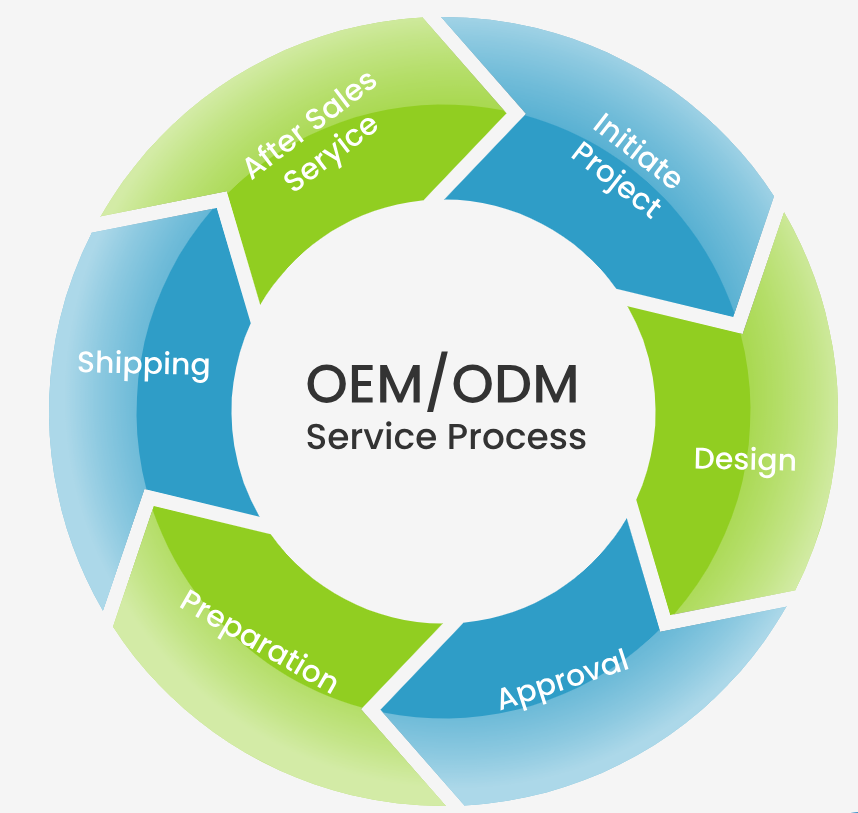
In the global dental implant industry, sourcing strategy is no longer just a procurement decision—it directly shapes brand positioning, regulatory responsibility, and long-term competitiveness. Among the most commonly misunderstood concepts are OEM (Original Equipment Manufacturer) and ODM (Original Design Manufacturer) dental implants.
At first glance, the difference may seem simple: one is “custom manufacturing,” the other is “ready-made design.” But in real B2B procurement scenarios, especially in dental implants, the distinction is far more complex. It affects everything from implant macro design ownership to CE/FDA documentation responsibility, machining tolerances, surface treatment consistency, and even long-term clinical trust.
This article breaks down OEM vs ODM dental implants from a practical manufacturing and business perspective—not just definitions, but how these models actually function in real supply chains, and how buyers should decide between them.
Dental implants are not generic consumables. They are regulated medical devices implanted into human bone, meaning:
l Small design changes can affect osseointegration
l Surface treatment consistency impacts survival rates
l Regulatory approval depends on exact manufacturing documentation
l Compatibility with prosthetic systems must be precise
Unlike consumer products, switching between OEM and ODM in dental implants is not just cosmetic—it can redefine the entire regulatory identity of the product.
This is why implant distributors, private label brands, and dental groups need a clear understanding of what they are actually buying.
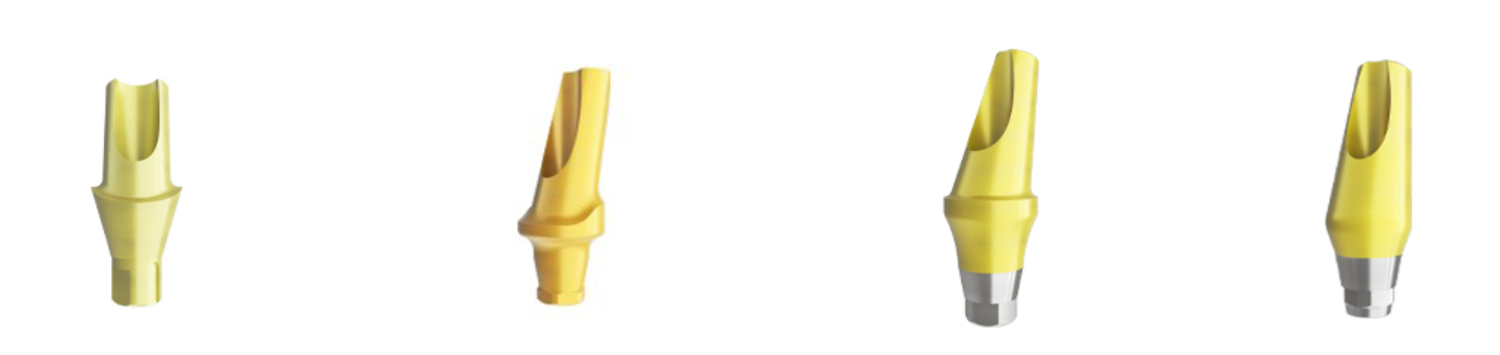
OEM (Original Equipment Manufacturer) in dental implants refers to a model where:
The buyer owns the design, and the factory manufactures according to that specification.
In practice, OEM dental implant production usually includes:
l Custom implant geometry (thread design, taper, apex shape)
l Custom internal connection (hex, conical, platform-switching)
l Brand-specific packaging and labeling
l Buyer-owned technical drawings
l Sometimes custom surface treatment parameters
l The brand owns the design IP
l The manufacturer is strictly a production partner
l Higher regulatory responsibility for the brand owner
l Longer development cycle
l Higher tooling and validation costs
OEM is common when:
l A company wants to build a long-term proprietary implant system
l A distributor is transitioning into a brand owner
l A dental group wants exclusive product lines
l Regulatory filings require unique technical identity
In dental implants, OEM is often misunderstood. Even when a design is “custom,” many factories still rely on:
l Existing machining platforms
l Pre-validated titanium grades (e.g., Grade 4, Grade 5 ELI)
l Standardized surface processes (SLA, RBM, anodized variants)
So OEM is not always “from scratch”—it is often controlled modification of a validated manufacturing ecosystem.
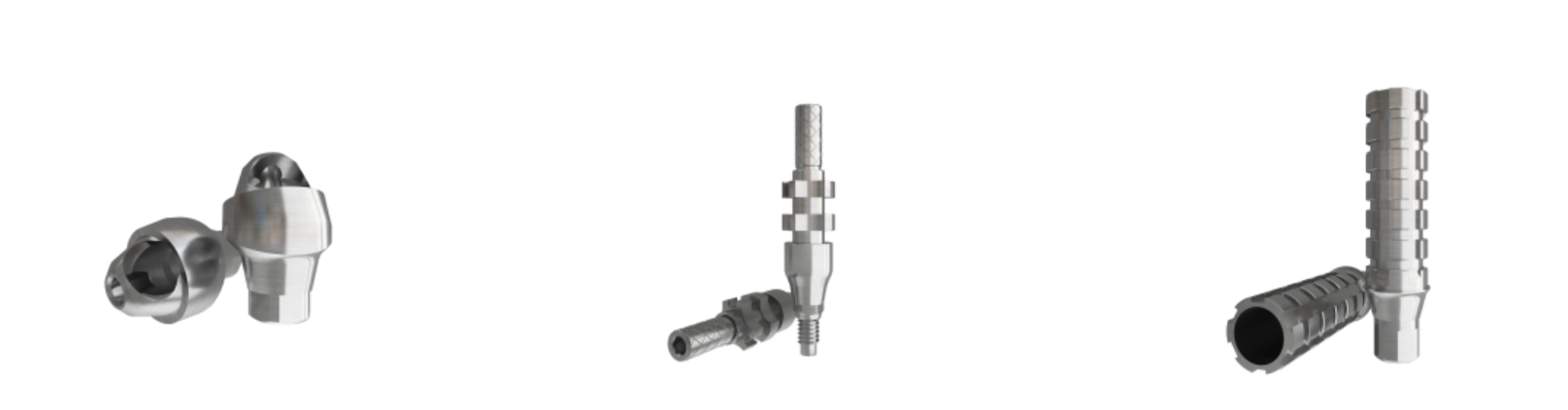
ODM (Original Design Manufacturer) means:
The manufacturer provides an existing implant design, and the buyer brands it.
In ODM dental implants:
l Implant geometry is pre-designed by the factory
l Manufacturing process is already validated
l Surface treatment is standardized
l Buyer mainly selects, brands, and distributes
l Faster time to market
l Lower development cost
l Lower regulatory complexity for the buyer
l Limited design differentiation
l Easier inventory management
A distributor selects an implant system from a manufacturer, for example:
l Internal hex implant system
l Conical connection system
l Bone-level or tissue-level variants
Then the distributor adds:
l Brand logo
l Packaging design
l Catalog positioning
Some manufacturers, including mid-to-high level implant factories such as RE-TECH, offer ODM platforms that are already tested in multiple markets, especially in Asia, Middle East, and parts of Europe.
Many articles oversimplify OEM vs ODM as “custom vs standard.” In dental implants, the differences are more structural:
l OEM: Buyer owns implant geometry and connection system
l ODM: Manufacturer owns the design; buyer licenses usage
l OEM: Brand must support or lead regulatory submission (CE, FDA 510k, etc.)
l ODM: Manufacturer often provides pre-approved documentation package
l OEM: Requires new CAD/CAM programming, tooling, validation cycles
l ODM: No tooling cost; already established production line
l OEM: Higher risk but higher differentiation
l ODM: Lower risk but limited uniqueness
l OEM: 6–18 months (depending on complexity)
l ODM: 2–8 weeks
In dental implant factories, OEM and ODM are not always separate systems. Many manufacturers operate a hybrid model, where:
l Core implant platform is ODM-based
l Surface treatment and packaging are customized
l Minor geometry adjustments are offered as semi-OEM
For example, a manufacturer like RE-TECH may maintain a standard implant system with validated clinical performance, while still offering:
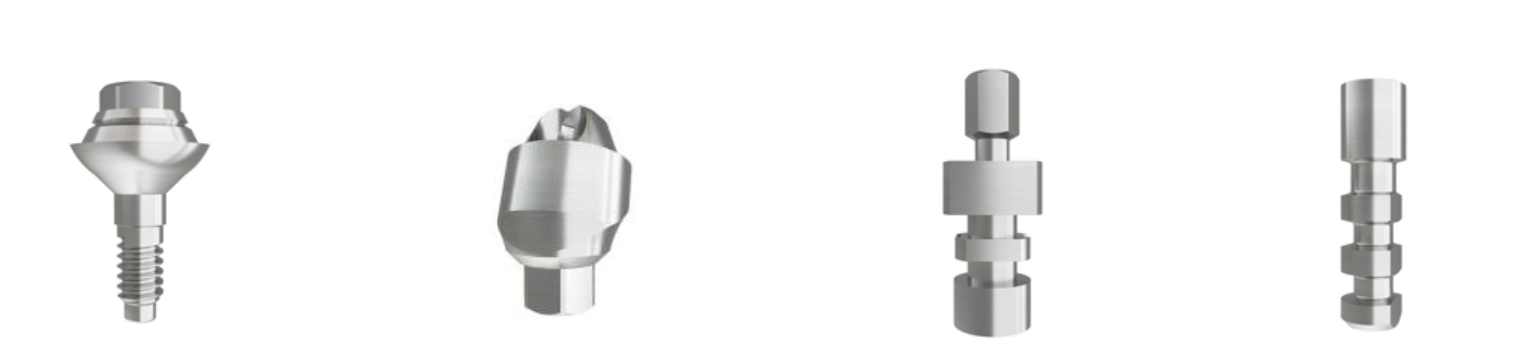
l Custom abutment designs
l Private labeling
l Modified thread pitch options for OEM clients
This hybridization exists because:
l Full OEM validation is expensive
l Regulatory approval favors stable platforms
l Clinics prefer clinically proven systems
Instead of asking “Which is better?”, B2B buyers should ask:
“What stage is my business in, and what risk level can I manage?”
l You want to build a long-term implant brand
l You have regulatory experience or partners
l You need product differentiation in a competitive market
l You are targeting premium clinical positioning
l You are entering the implant market for the first time
l You prioritize speed over differentiation
l You want to test market demand before investing heavily
l You are building a distributor-focused business
Many companies start with ODM, then gradually transition to OEM by:
1. Testing market acceptance with ODM implants
2. Adjusting minor design elements
3. Eventually developing proprietary systems
Not true. Quality depends on:
l Manufacturing consistency
l Surface treatment technology
l Titanium grade and traceability
OEM only changes ownership—not necessarily performance.
Also incorrect. Many ODM systems are:
l CE-certified
l Clinically validated over years
l Manufactured under ISO 13485 systems
In fact, many OEM “new brands” are built on proven ODM platforms.
Not always. Unless explicitly contracted, similar OEM designs may still exist in modified forms.
In dental implants, regulatory compliance is often the hidden cost driver.
l You may need full technical documentation
l Clinical evaluation reports may be required
l Responsibility for post-market surveillance increases
l Manufacturer provides pre-approved dossier
l Easier CE marking or FDA submission pathway
l Lower administrative burden
This is why many new implant brands start with ODM systems before transitioning.
Regardless of OEM or ODM, implant success depends heavily on:
l Surface roughness (Ra values)
l Sandblasting and acid-etching consistency (SLA process)
l Cleanroom packaging standards
l Micro-gap precision in implant-abutment connection
Factories focus heavily on maintaining stable SLA surface parameters and CNC machining precision, because these factors matter more clinically than whether the design is OEM or ODM.
Before choosing OEM or ODM, B2B buyers should evaluate:
l Premium brand → OEM
l Mid-range distributor → ODM
l High CAPEX tolerance → OEM
l Lean entry strategy → ODM
l Urgent market entry → ODM
l Long-term planning → OEM
l In-house engineering team → OEM feasible
l No engineering support → ODM preferred
The dental implant industry is moving toward a platform-based manufacturing model, where:
l Core implant systems are standardized
l Customization happens at modular level
l Digital workflows (CAD/CAM, guided surgery) reduce design variability
This means OEM and ODM will increasingly become:
“levels of customization” rather than separate categories
Factories that adapt—offering stable platforms with flexible customization—will dominate B2B supply chains.
Yes, generally OEM requires tooling, design validation, and regulatory documentation, making it more costly.
Yes. Many brands start with ODM and gradually transition into OEM once market demand is validated.
ODM is usually safer because it relies on pre-validated systems.
Reputable manufacturers produce ODM implants under ISO 13485 and CE/FDA-aligned systems.
Regulatory responsibility and long-term consistency of manufacturing control.
Not inherently. Clinical performance depends on engineering and surface treatment, not business model.
The difference between OEM and ODM dental implants is not just a procurement label—it reflects two fundamentally different business strategies:
l OEM = control, ownership, long-term differentiation
l ODM = speed, stability, and lower entry barriers
In real-world dental manufacturing, especially among experienced suppliers, the line between OEM and ODM is increasingly flexible. Buyers are no longer forced to choose one rigid path but can instead build a staged strategy—starting with validated platforms and gradually moving toward proprietary systems.
For most B2B players, the smartest decision is not choosing OEM or ODM in isolation, but understanding how both models fit into their market entry, regulatory capability, and long-term branding strategy.