![[slide:title]](/static/upload/other/20260512/1778551853592214.webp)
![[slide:title]](/static/upload/other/20260512/1778551954982306.webp)
Time:2026-04-20 Form:本站
Dental Implant Lead Time Comparison: A Deep Dive for Procurement, OEM, and Clinical Decision-Makers
In the dental implant industry, conversations around quality, surface treatment, and osseointegration tend to dominate. Yet for procurement managers, distributors, and private-label brands, lead time is often the decisive factor—especially in a market shaped by fluctuating demand, regulatory complexity, and supply chain volatility.
Lead time is no longer just an operational metric. It directly influences:
l Inventory risk and turnover
l Cash flow efficiency
l Market responsiveness
l Customer satisfaction (clinics and surgeons)
This article offers a comprehensive comparison of dental implant lead times across different supply models, uncovering the hidden variables that influence delivery timelines and how B2B buyers can optimize sourcing strategies without compromising quality.
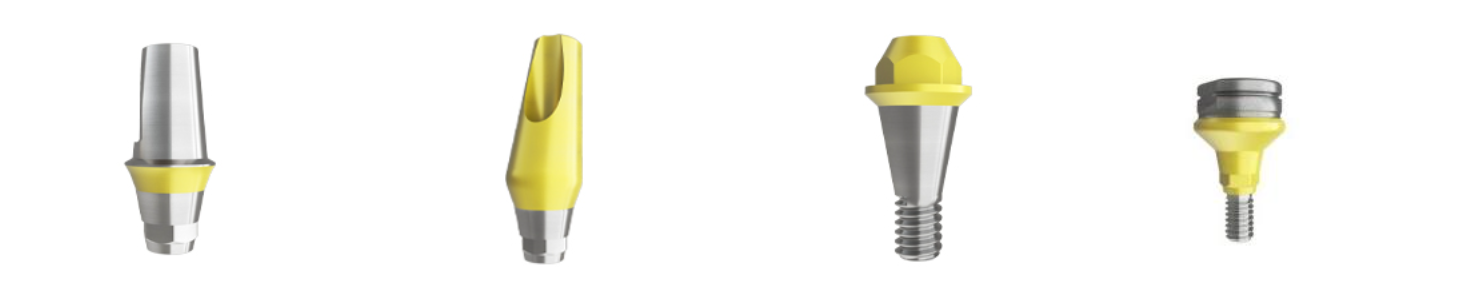
Lead time in the implant sector is not a single interval—it is a composite timeline that includes:
l Titanium (typically Grade 4 or Grade 5)
l Certification and traceability verification
l CNC turning and milling
l Thread design execution
l SLA (Sandblasted, Large-grit, Acid-etched)
l Anodization or proprietary coatings
l Ultrasonic cleaning
l Chemical passivation
l Dimensional inspection
l Mechanical testing
l Surface roughness validation
l Cleanroom packaging
l Gamma or EO sterilization
l CE/FDA paperwork
l Batch traceability
Each of these stages introduces variability, making lead time a multi-layered performance indicator rather than a fixed number.
Let’s break down typical lead times based on different sourcing approaches.
Typical Lead Time: 6–12 weeks
Global implant brands often maintain regional warehouses, but for OEM/private-label or bulk orders:
l Manufacturing is centralized
l Strict quality control protocols extend timelines
l Regulatory documentation can delay shipments
Pros:
l Strong brand reputation
l Consistent quality systems
Cons:
l Limited flexibility
l Longer customization cycles
Typical Lead Time: 4–8 weeks
These companies often balance quality and agility:
l Semi-automated production lines
l Flexible MOQ (Minimum Order Quantity)
l Faster communication loops
Pros:
l Moderate customization capability
l Better responsiveness than large brands
Cons:
l Capacity constraints during peak demand
Typical Lead Time: 2–5 weeks
This category has evolved significantly in the past decade. High-performing manufacturers now offer:
l Fully integrated production lines
l In-house surface treatment and sterilization
l Digital workflow optimization
For example, companies like RE-TECH operate with:
l End-to-end manufacturing control
l Optimized batch production systems
l Export-oriented logistics frameworks
Pros:
l Shortest lead times
l High customization flexibility
l Competitive pricing
Cons:
l Requires careful supplier vetting
l Quality consistency varies across providers
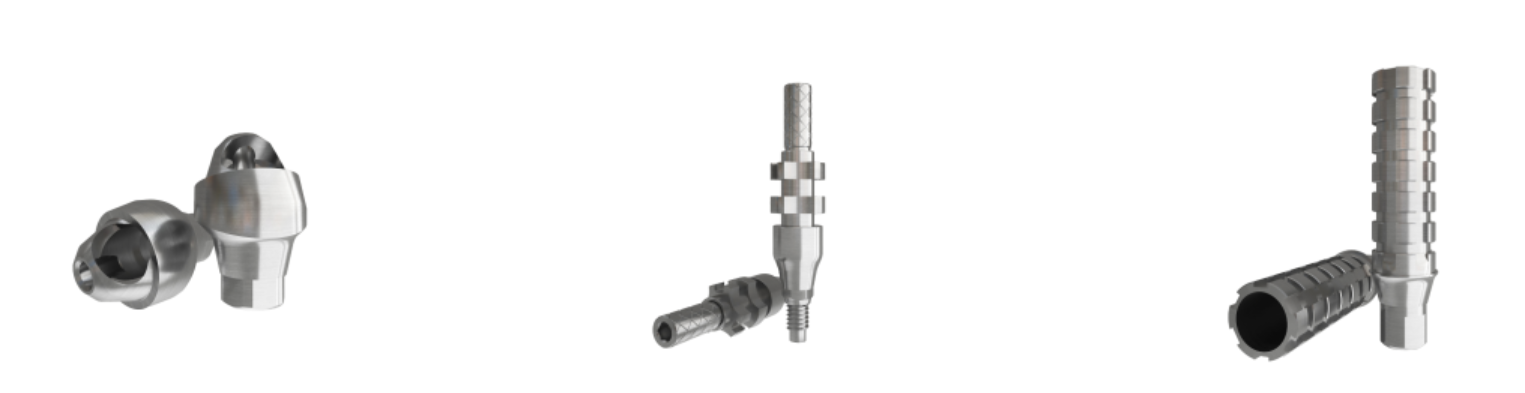
Stage | Global Brands | Mid-Sized Manufacturers | Agile OEM (e.g., Ruitai) |
Raw Material | 1–2 weeks | 1 week | Stocked / <1 week |
Machining | 2–3 weeks | 1–2 weeks | 3–7 days |
Surface Treatment | 1–2 weeks | 1 week | 3–5 days |
QC & Testing | 1–2 weeks | 1 week | 2–4 days |
Packaging & Sterilization | 1–2 weeks | 1 week | 3–5 days |
Logistics | 1–2 weeks | 1–2 weeks | 3–7 days |
Total | 6–12 weeks | 4–8 weeks | 2–5 weeks |
Even experienced buyers often underestimate these variables:
Surface treatment is frequently outsourced, especially among smaller factories. This creates:
l Scheduling delays
l Quality inconsistencies
Insight: Manufacturers with in-house surface treatment significantly reduce lead time variability.
EO or gamma sterilization is often batch-based:
l Facilities operate on fixed cycles
l Missing a cycle can delay shipment by days or weeks
For export markets:
l CE MDR updates
l FDA registration updates
These can introduce unexpected delays if documentation is incomplete.
Lead time increases with:
l Custom implant geometries
l Private label packaging
l Unique surface treatments
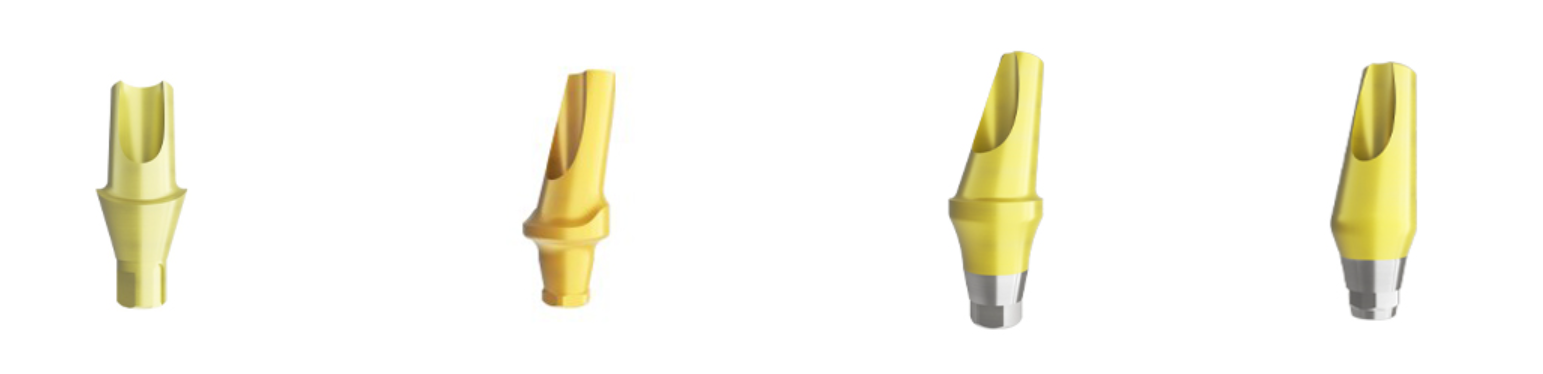
A common misconception is that shorter lead times imply compromised quality. In reality, modern manufacturers achieve speed through:
l Process integration (not shortcuts)
l Automation and digital control systems
l Lean manufacturing principles
For instance, suppliers like RE-TECH optimize production through:
l Continuous workflow instead of batch processing
l Dedicated implant production lines
l Pre-qualified material inventory
This allows them to reduce idle time without reducing inspection rigor.
Shorter lead times allow:
l Lower safety stock
l Reduced warehousing costs
For private-label brands:
l New product launches become more agile
l Faster response to market trends
Working with agile suppliers:
l Reduces dependency on a single supply chain
l Improves resilience during disruptions
Short lead times are critical when:
l You operate a just-in-time inventory model
l You frequently launch new SKUs
l You serve high-turnover clinics
l You need rapid replenishment
However, for long-term contracts or highly regulated markets, a balance between lead time and compliance assurance is essential.
Instead of relying on quoted numbers, ask:
1. Is surface treatment done in-house?
2. What percentage of orders are delivered on time?
3. What is the average delay during peak season?
4. Do they maintain raw material inventory?
5. Can they provide batch-level production timelines?
A reliable supplier should offer transparent production visibility, not just promises.
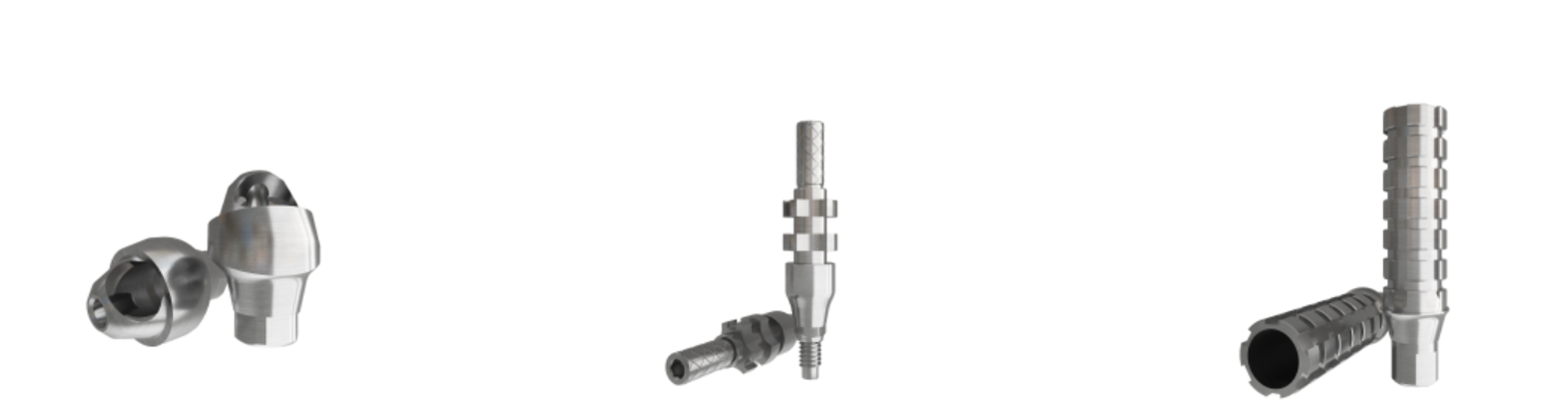
The industry is moving toward:
l Real-time production tracking
l Automated QC systems
l Regional distribution centers
l Hybrid manufacturing models
l AI-based demand forecasting
l Smart inventory allocation
These trends will likely reduce average lead times by 20–40% over the next decade.
Typically ranges from 2 to 12 weeks, depending on supplier type and customization level.
Because of:
l Integrated production systems
l In-house processing capabilities
l Optimized logistics networks
Not necessarily. Modern manufacturers achieve speed through efficiency, not shortcuts.
l Work with suppliers that stock raw materials
l Choose standardized designs when possible
l Partner with manufacturers offering in-house processes
Surface treatment and sterilization are the most common bottlenecks.
Yes, especially for risk management and supply continuity.
In a market where margins are tightening and competition is intensifying, lead time is no longer a background metric—it’s a competitive lever.
For B2B buyers, the goal is not simply to find the fastest supplier, but to identify partners who can deliver:
l Consistent lead times
l Transparent production processes
l Scalable manufacturing capacity
Manufacturers like Ruitai represent a growing segment of the industry that combines speed, flexibility, and technical capability, offering a compelling alternative to traditional sourcing models.
Ultimately, the smartest procurement strategies are those that treat lead time not as a constraint—but as an opportunity to build a more agile and resilient business.