![[slide:title]](/static/upload/other/20260512/1778551853592214.webp)
![[slide:title]](/static/upload/other/20260512/1778551954982306.webp)
Time:2026-05-20 Form:本站
How to Increase Dental Implant Sales: Practical Growth Strategies for Clinics, Distributors, and Implant Brands
Dental implant sales do not grow simply because the market is growing. Many clinics, distributors, and implant brands operate in markets where demand already exists, yet their implant sales remain flat. The real challenge is not only finding more patients or more buyers. The deeper challenge is building enough trust, clinical confidence, operational consistency, and product value so that more people choose implant treatment, more dentists place implants regularly, and more distributors can sell implant systems without constantly competing only on price.
The demand foundation is strong. Oral diseases affect billions of people worldwide, and tooth loss remains one of the major oral health problems connected with function, appearance, quality of life, and long-term oral rehabilitation needs. WHO estimates that oral diseases affect nearly 3.7 billion people globally, which helps explain why restorative and implant dentistry continue to receive long-term attention from clinics, manufacturers, and healthcare systems. At the same time, dental implants require careful planning, proper product selection, maintenance, and long-term follow-up. The FDA notes that tooth loss can lead to problems such as bone loss, speech issues, and chewing discomfort, and it also emphasizes regular cleaning and care for long-term implant success.
This means dental implant sales should not be treated like ordinary product sales. A dental implant is not a simple consumable. It is part of a clinical treatment system involving diagnosis, surgery, prosthetics, patient communication, component compatibility, aftercare, and trust in the brand behind the product. To increase sales sustainably, businesses must improve the entire decision chain.
Many implant businesses assume that low sales are caused by weak advertising. Sometimes that is true, but more often advertising is only one visible symptom. The real bottleneck may be somewhere else: patients do not understand why implants are worth the cost; dentists are not confident enough to recommend implants; distributors cannot explain the differences between systems; clinics have too few implant-ready leads; or the brand has no clear position in the market.
For a clinic, implant sales may be limited by patient objections. Patients often worry about pain, price, surgery risk, treatment time, bone grafting, and failure. If the clinic only says “implants are good,” the patient still hesitates. The clinic must educate patients in a structured way: what happens after tooth loss, why bone preservation matters, how implant-supported restorations compare with bridges or removable dentures, and what factors affect success.
For a distributor, the problem is different. A distributor may have access to dentists, but if the implant system is difficult to explain, lacks compatibility information, has unclear packaging, or cannot offer stable delivery, it becomes difficult to build repeat orders. Dentists do not want uncertainty. They want predictable surgical kits, clear prosthetic workflows, compatible components, and support when cases become complex.
For an implant manufacturer or OEM supplier, sales growth depends on proving that the product is not only affordable but reliable. Many buyers already receive low-price offers. What they need is confidence: consistent machining, surface treatment control, traceable materials, packaging standards, regulatory support, private-label flexibility, and long-term component supply.
Before increasing advertising budget, a dental implant business should answer one strategic question: why should the buyer choose this implant system instead of another?
The answer cannot simply be “high quality and good price.” Every supplier says that. Strong positioning must connect with a specific buyer pain point.
For example, a premium implant brand may position itself around research, long-term clinical documentation, digital workflow integration, and brand recognition. A mid-tier implant brand may position itself around predictable performance, compatibility, and better cost control. An OEM manufacturer may position itself around flexible production, private-label support, stable tolerances, and customized implant/prosthetic solutions.
The more specific the positioning, the easier the sales message becomes. A clinic selling implants to patients should not only say “we offer dental implants.” It should explain whether it specializes in single-tooth implants, full-arch rehabilitation, immediate loading cases, guided surgery, affordable implant options, or complex cases requiring bone grafting. A distributor should not only sell “implant products.” It should explain how its system helps dentists simplify inventory, reduce prosthetic confusion, or serve more price-sensitive patients without losing clinical confidence.
Different implant businesses need different sales levers. A clinic grows by improving patient conversion. A distributor grows by increasing dentist adoption and repeat purchase. A manufacturer grows by improving B2B trust and channel partnerships.
Business Type | Main Buyer | Biggest Barrier | Best Growth Lever |
Dental clinic | Patient | Fear, cost, uncertainty | Education, case presentation, financing, trust |
Distributor | Dentist / clinic | Product confidence, training, inventory risk | System explanation, support, stable stock |
Implant brand | Distributor / clinic | Brand differentiation | Positioning, documentation, component ecosystem |
OEM manufacturer | Brand owner / importer | Quality risk, regulatory risk | Traceability, customization, consistent production |
This distinction matters because many implant companies use the wrong message. A manufacturer that writes only patient-facing content may get traffic but not B2B inquiries. A distributor that posts only product photos may fail to show why dentists should switch systems. A clinic that talks only about technical implant features may lose patients who mainly care about comfort, appearance, time, and trust.
For clinics and clinic groups, patient education is one of the most powerful ways to increase implant sales. Most patients do not reject implants because they fully understand the treatment and still refuse. They reject implants because they do not yet understand the value clearly enough.
A strong patient education system should answer five questions:
1. What happens if a missing tooth is not replaced?
2. How does an implant compare with a bridge or removable denture?
3. What makes someone a good or poor implant candidate?
4. What affects implant cost?
5. What can the patient do to improve long-term success?
The content should be visual and practical. Use diagrams showing bone loss after tooth extraction, simple comparisons between implant crowns and bridges, before-and-after cases, healing timelines, and maintenance guidance. The goal is not to pressure the patient. The goal is to reduce uncertainty.
Many implant objections are emotional before they are financial. A patient who says “it is expensive” may actually mean “I am not sure it is worth it,” “I am afraid it will hurt,” or “I do not know whether it will last.” Better education makes the treatment feel more understandable and therefore easier to accept.
For distributors and implant brands, dentist confidence is the real engine of repeat sales. A dentist may test a new implant system once, but repeat orders only happen when the system performs predictably and the workflow feels easy.
Clinical confidence comes from several areas: implant design, surface treatment, surgical kit logic, prosthetic component availability, torque recommendations, compatibility clarity, packaging, and after-sales support. If a dentist has to ask too many basic questions before every case, the system feels risky.
This is where many mid-tier and OEM implant suppliers can compete effectively. They do not need to imitate premium brands in every way. Instead, they can win by making the product easier to adopt: clear catalogs, simple platform naming, accurate compatibility charts, training videos, case selection guides, and fast technical responses.
Implant complications also matter. ITI highlights the importance of individualized planning, adequate surgical and prosthetic treatment, and regular maintenance for implant success, while also noting biological complications such as peri-implant diseases as a major concern in implant dentistry. This is important for sales because dentists do not only buy implants; they buy predictability. A product line that helps reduce confusion in planning, restoration, and maintenance is easier to sell than one that only looks cheaper on a quotation sheet.
A common mistake in implant sales is trying to sell one implant system to every market segment. In reality, different buyers need different solutions.
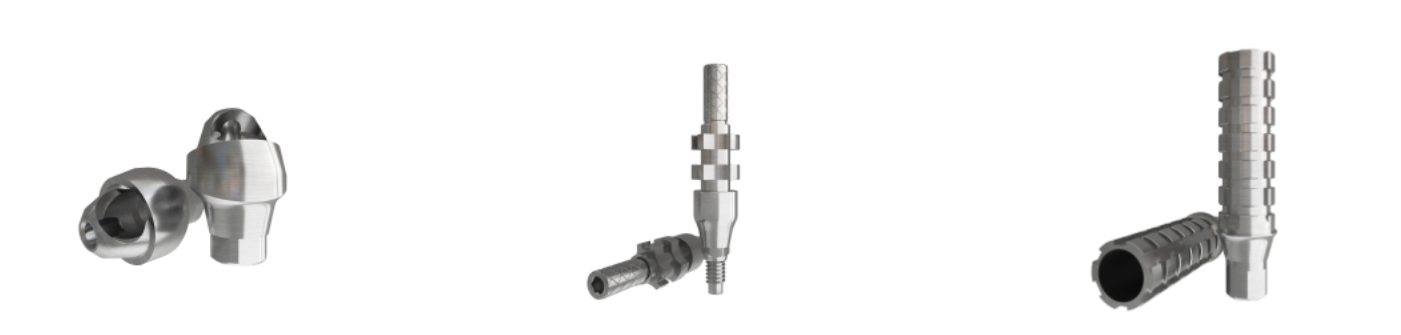
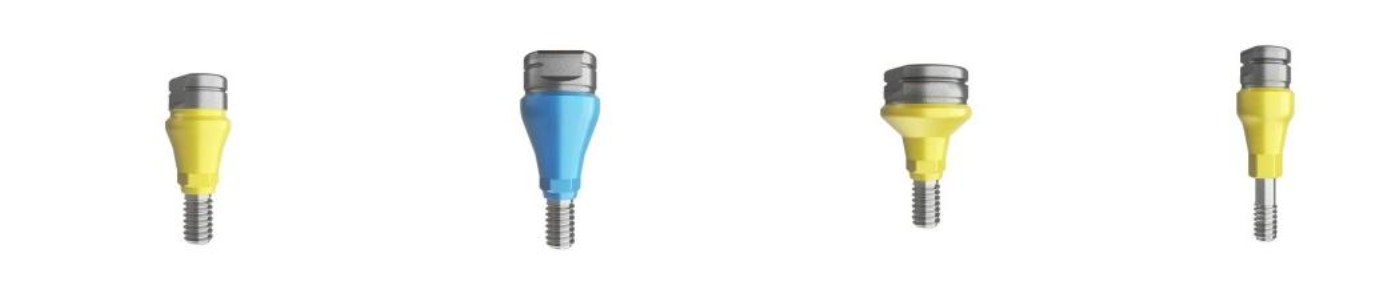
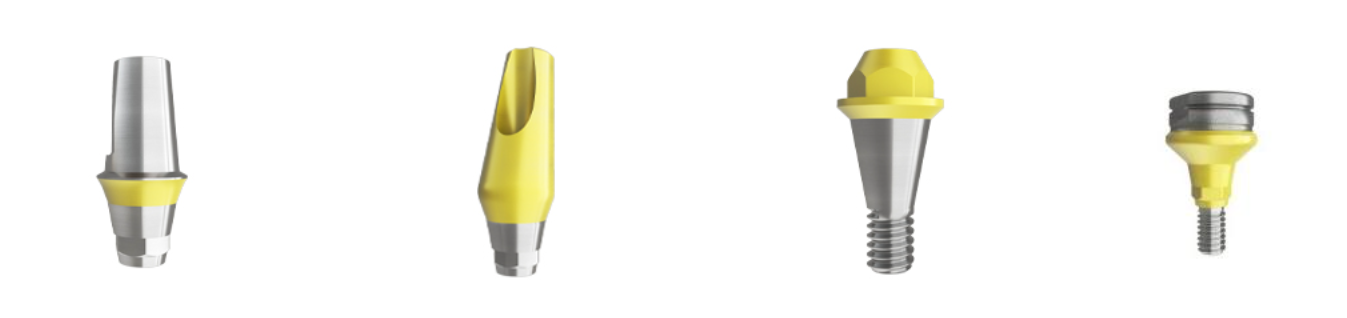
A clinic serving high-income cosmetic patients may need premium positioning, digital planning, guided surgery, and aesthetic prosthetic solutions. A clinic serving price-sensitive patients may need a reliable cost-effective system with simple prosthetic options. A distributor serving general dentists may need a broad but easy-to-manage component system. A brand owner may need OEM support for private-label implants, healing abutments, scan bodies, analogs, impression copings, and multi-unit components.
A better product mix may include:
Standard implants for everyday cases
Short implants or narrow implants for limited bone situations
Compatible prosthetic components for common workflows
Surgical kits with clear drilling sequences
Digital components such as scan bodies and libraries
Private-label packaging for distributors or local brands
Education materials for dentists and patients
This product mix approach increases sales because it gives the buyer more reasons to continue purchasing from the same supplier. If a dentist buys implants from one supplier but must buy scan bodies, healing abutments, or multi-unit components elsewhere, the relationship becomes weaker. A more complete ecosystem supports higher repeat purchase.
Price matters in dental implant sales, especially in competitive markets. But selling only by price is dangerous because there will always be another supplier willing to quote lower.
Sales Approach | Advantage | Risk | Best Use |
Low-price selling | Easy to attract attention | Weak loyalty, margin pressure | Entry-level markets, first trial orders |
Premium brand selling | Strong trust and recognition | Higher patient cost, harder adoption in price-sensitive markets | Specialist clinics, high-income markets |
Value-based selling | Balances cost, reliability, support | Requires better explanation | Distributors, growing clinics, private-label brands |
System-based selling | Encourages repeat orders | Requires complete component planning | Long-term B2B channel growth |
The strongest strategy for many B2B implant companies is value-based selling. This means explaining not only the unit price but the total business value: stable supply, fewer component mismatches, easier inventory control, clear compatibility, training support, and better margin for distributors.
For example, a distributor may not choose the cheapest implant if the supplier cannot deliver prosthetic components consistently. A clinic may not choose the lowest-cost system if dentists are unsure about the surgical protocol. In B2B sales, reliability is often more valuable than a small price difference.
To increase dental implant sales through Google, content must match search intent. Many implant websites publish generic blogs such as “What are dental implants?” These can attract traffic, but they are usually too broad and too patient-focused. For a B2B implant manufacturer or distributor, the content strategy should include commercial and professional search intent.
Good B2B topics include:
How to choose a dental implant supplier
Dental implant OEM vs branded implants
Dental implant compatibility guide
How to compare dental implant systems
Dental implant components explained
Dental implant packaging and labeling requirements
Dental implant private label manufacturing
Dental implant surface treatment comparison
How distributors can build an implant product line
Dental implant cost breakdown for clinics and distributors
These topics are more likely to attract dentists, distributors, importers, and purchasing managers. They also allow natural internal linking to product pages, catalogs, compatibility charts, and inquiry forms.
The key is to avoid making every article sound like a sales page. Google-friendly B2B content should educate first. Product mentions should appear only where they help the reader understand an example. For instance, a manufacturer such as RE-TECH can be mentioned naturally in a section about OEM support, compatibility planning, or private-label implant supply, rather than being promoted in every paragraph.
If you want distributors to sell more implants, do not only give them products. Give them sales tools.
A good distributor support package may include:
Product catalog with clear platform information
Surgical protocol guide
Prosthetic component compatibility chart
Implant surface treatment explanation
Case selection guide
Patient brochure
Comparison sheet against common market alternatives
Packaging and labeling information
Certificates and quality documentation
Short videos for dentist training
FAQ sheet for sales representatives
These materials help distributors train their sales teams and answer dentist questions faster. They also make the implant system feel more professional.
For OEM or private-label cooperation, this is especially important. Many local distributors want to build their own brand but do not have enough technical content. If the manufacturer can support them with structured documentation, the supplier becomes more than a factory. It becomes a business partner.
Many dental implant sales are lost because the buying process is too difficult. The buyer may be interested, but the next step is unclear. The website has no catalog download. The product page has no platform details. The inquiry form asks too many irrelevant questions. The WhatsApp button is hidden. The sales team responds slowly or gives vague answers.
To increase sales, reduce friction at every step.
A strong implant product page should include:
Implant type and connection
Available diameters and lengths
Surface treatment
Material information
Compatible prosthetic components
Packaging details
Sterilization information, if applicable
OEM/private-label availability
Minimum order quantity guidance
Inquiry button and WhatsApp contact
Downloadable catalog or specification sheet
For a B2B buyer, missing information creates hesitation. Clear specifications do not replace sales communication, but they make the first inquiry easier.
Many implant websites say “high quality,” “advanced technology,” and “strict quality control.” These phrases are too common to create trust. Buyers need proof.
Better trust signals include:
Photos of real production and inspection
Surface treatment process explanation
Dimensional inspection examples
Material traceability explanation
Packaging workflow
Case studies from distributors
Export experience
Component compatibility documentation
Regulatory support capability
Clear after-sales process
Trust is especially important for buyers who are considering switching suppliers. Changing implant systems is not a small decision. It affects surgical kits, prosthetic workflows, dentist habits, inventory, training, and patient communication. Therefore, your content should show that you understand the switching risk and can reduce it.
Training is not only education; it is also a sales channel. Dentists are more likely to use implant systems they understand. Distributors are more likely to promote products they can explain. Sales representatives are more confident when they have technical knowledge.
Training can include webinars, short product videos, surgical workflow explanations, prosthetic component tutorials, and comparison guides. For example, a video explaining how to select healing abutments, scan bodies, or impression copings for a specific implant platform may generate more qualified B2B interest than a simple product advertisement.
The best training content should be practical. Avoid overly academic language unless the audience is specialist clinicians. Show real workflows, common mistakes, and decision logic. A dentist or distributor should finish the content thinking, “This system is easier to understand than I expected.”
If your goal is long-term implant sales growth, focus on channels instead of single transactions. A single clinic order is useful, but a distributor, DSO, training center, or local brand partner can create repeated demand.
Reuters reported that Straumann has emphasized partnerships with dental service organizations, noting that DSOs represent a significant part of the dentistry market and can drive patient flow and investment in high-end treatments. This reflects a broader business lesson: implant growth increasingly depends on organized channels, not only individual dentists.
For manufacturers, strong B2B channels may include:
Country distributors
Private-label implant brands
Dental training institutes
Clinic chains
Dental service organizations
Digital dentistry labs
Surgical guide companies
Prosthetic component distributors
Each channel needs a different message. A distributor cares about margin, exclusivity, inventory, and support. A clinic chain cares about consistency, training, and treatment efficiency. A private-label brand cares about customization, packaging, regulatory files, and long-term supply stability.
Many implant businesses focus too much on getting new leads and too little on repeat purchase. In dental implant sales, repeat purchase is often more valuable than the first order.
Track these metrics:
How many first-time buyers place a second order?
How long does it take for a buyer to reorder?
Which components are reordered most often?
Which customers stop buying after trial orders?
What questions appear before repeat purchase?
Which markets have the highest repeat rate?
Which product lines create the best margins?
These metrics show where sales growth is really happening. If many customers ask for samples but few reorder, the problem may be product confidence, pricing, training, or follow-up. If customers buy implants but not prosthetic components, the system may not be complete enough. If distributors ask for catalogs but do not place orders, the sales material may not explain value clearly.
The fastest way is usually to improve conversion from existing leads rather than only looking for new traffic. Clinics can improve consultation scripts, patient education, treatment plan presentation, and follow-up. Distributors can improve product explanation, dentist training, and sample-to-order conversion. Manufacturers can improve catalogs, technical documentation, response speed, and OEM/private-label support.
A distributor should focus on dentist adoption. This means providing clear product information, training, compatibility charts, surgical protocols, and reliable after-sales support. Dentists need to feel confident that the implant system is predictable, easy to restore, and supported by stable inventory.
Price is important, but it is not the only factor. In B2B implant sales, buyers also care about reliability, compatibility, delivery stability, product documentation, component availability, and technical support. A slightly cheaper implant may still lose if the buyer sees higher clinical or operational risk.
A clinic should educate patients before selling treatment. Use visual explanations, case examples, comparison with bridges and dentures, clear treatment timelines, and financing options if available. Patients are more likely to accept implant treatment when they understand the long-term value and feel confident about the procedure.
For B2B implant websites, the best content usually answers professional and commercial questions. Topics such as implant system comparison, OEM implant manufacturing, compatibility guides, abutment selection, surface treatment, private-label implants, and distributor product-line planning are more likely to attract qualified business readers.
An OEM manufacturer should show production capability, quality control, material traceability, packaging options, component range, customization ability, and regulatory support. Companies such as RE-TECH can naturally position their OEM implant solutions by explaining how they support distributors and implant brands with stable production and compatible prosthetic components, instead of relying only on promotional claims.
Leads may fail to convert because the buyer lacks trust, the product information is incomplete, the price is unclear, the supplier response is slow, or the buyer cannot understand the system’s advantages. In B2B sales, a quotation alone is rarely enough. Buyers often need technical reassurance before purchasing.
Increasing dental implant sales is not about one magic marketing tactic. It is about making every decision easier for the buyer.
Patients need to understand the value of implant treatment. Dentists need to trust the system. Distributors need tools to sell confidently. Clinics need better case conversion. Manufacturers need to prove consistency, not just claim quality. Brands need a clear position in the market.
The implant businesses that grow sustainably are usually not the ones shouting the loudest. They are the ones that reduce uncertainty at every stage: education, product selection, clinical workflow, supply, support, and long-term cooperation.
For clinics, this means better patient communication. For distributors, it means stronger dentist support. For implant brands and OEM manufacturers, it means building a complete system around the product. In a competitive implant market, sales increase when trust, clarity, and repeatable workflows are built into the business itself.