![[slide:title]](/static/upload/other/20260512/1778551853592214.webp)
![[slide:title]](/static/upload/other/20260512/1778551954982306.webp)
Time:2026-06-02 Form:本站
How to Choose a Compatible Implant System for Your Existing Product Line
For many implant distributors, clinics, and procurement teams, introducing a new implant system is far more than simply finding a competitively priced implant. The real challenge lies in whether the new system can seamlessly integrate into the existing product line while avoiding confusion, excess inventory, clinical risks, or post-sales issues.
A compatible implant system should support your existing business infrastructure. It should align with your prosthetic workflows, digital components, surgical kits, staff training levels, inventory models, and local regulatory requirements. If the assessment of compatibility is too narrow, buyers may limit their comparison to implant diameters and connection types. In practice, however, compatibility is a much broader consideration.
A system may appear compatible on paper, but issues can still arise if screw designs differ, torque values are unclear, the scanner library is incomplete, abutment options are limited, or the supplier cannot provide consistent technical documentation. For B2B buyers, these issues affect not only individual cases but the entire sales chain.
This article will explain, from a practical B2B perspective, how to select compatible implant systems for existing product lines. It is intended for distributors, implant brands, clinics expanding their implant practices, and OEM buyers who need reliable systems to introduce new products without disrupting the existing market.
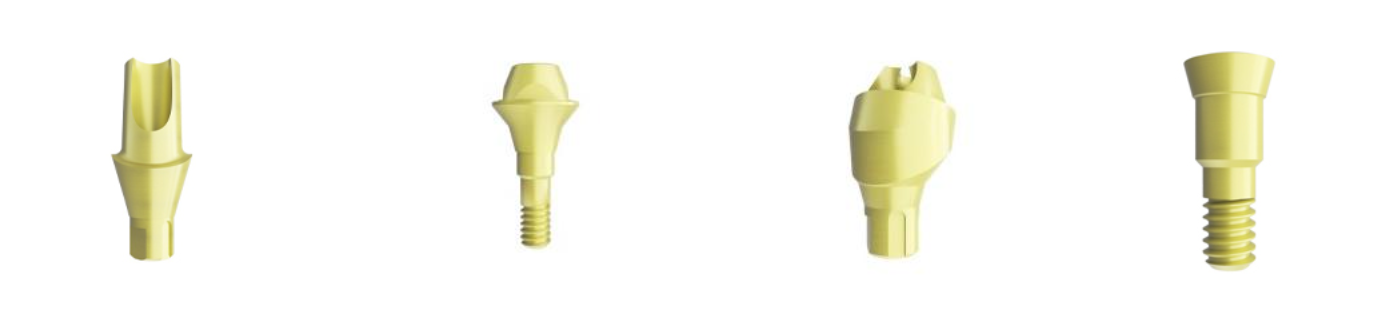
In the dental implant industry, the word “compatible” is often used too casually. Some suppliers use it to mean that an abutment can physically fit into an implant connection. Others use it to describe similarity with a popular implant platform. But true compatibility requires more than mechanical fit.
A compatible implant system should be evaluated across several levels:
Prosthetic compatibility means the implant can work with the abutments, impression copings, scan bodies, healing abutments, temporary cylinders, and final restoration components that your customers commonly use.
Surgical compatibility means the drilling protocol, surgical kit, implant carrier, insertion tools, and torque recommendations are understandable and practical for clinicians who already use your current product line.
Digital compatibility means the system has reliable scan bodies, CAD/CAM libraries, analogs for printed models, and clear digital workflow support.
Business compatibility means the new system does not create unnecessary SKU complexity, slow-moving inventory, confusing packaging, or excessive training requirements.
Regulatory compatibility means the supplier can provide proper technical documentation, material information, sterilization data when applicable, labeling support, and quality system documentation required for your target market.
The U.S. FDA treats root-form endosseous dental implants and endosseous dental abutments as regulated medical devices and provides special controls guidance for safety and performance expectations. This is a reminder that compatibility should not be treated only as a commercial claim; it also has quality and regulatory implications.
A common mistake is to evaluate a new implant system in isolation. Buyers compare catalog photos, prices, implant surface descriptions, and packaging design. But the better starting point is your current product line.
Before choosing a compatible system, list what you already sell or use:
Your current implant diameters and lengths
Your most common prosthetic platforms
Your best-selling abutment types
Your current surgical kits
Your scan body and digital library workflow
Your customers’ preferred restoration methods
Your most common clinical indications
Your slow-moving inventory
Your after-sales complaints
This review helps you avoid choosing a system that looks attractive but does not match your actual market. For example, if your customers mainly restore single crowns and short-span bridges, you may not need a system with a very complicated full-arch component range at the beginning. If your customers frequently request multi-unit restorations, then multi-unit abutments, angled solutions, and passive-fit workflow support become much more important.
A compatible system should make your existing line stronger. It should fill a gap, simplify supply, or offer a more flexible option for customers. It should not force your team to rebuild the entire sales and technical support structure from zero.
The connection between the implant and the abutment is central to compatibility. This is the primary concern for many buyers, and rightly so. However, simply asking whether the implant uses an internal hex, tapered connection, Morse taper, or external hex connection is far from sufficient; a more in-depth investigation is necessary.
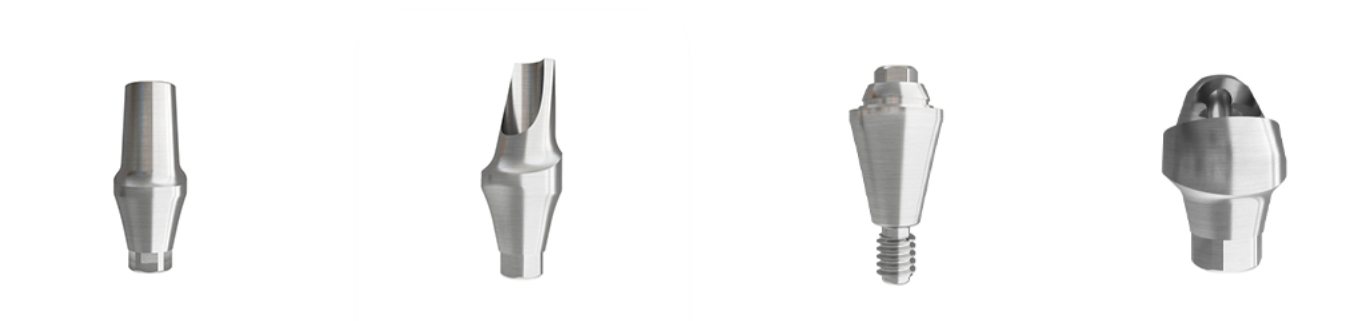
You should verify the specific connection geometry, platform dimensions, screw channel design, positioning mechanisms, recommended torque values, and component tolerance controls. Two implant systems may use similar connection terminology but still differ in critical details. Even subtle variations in taper angle, screw seat, or platform geometry can affect implant seating, preload, prosthetic fit, or long-term stability.
For B2B buyers, the safest approach is to request a clear compatibility chart from the supplier. This chart should explicitly indicate which implants are compatible with which prosthetic components, with no room for ambiguity. A reputable supplier should clearly list platform names, color codes, diameters, compatible abutments, impression kits, scan bodies, healing abutments, screws, and simulation models.You should also avoid relying only on visual similarity. A component that appears to fit may not be suitable for clinical use if the tolerance, torque value, or interface design is not properly validated. Compatibility is not only about whether the component can be inserted; it is about whether it can perform safely and consistently under functional loading.
ISO 14801 is widely referenced for dynamic loading tests of endosseous dental implants with their prosthetic components. The standard is useful for comparing different implant designs or sizes under defined fatigue test conditions, although it is not a replacement for complete clinical evaluation.
Platform strategy affects both clinical flexibility and inventory management. If your existing product line already includes narrow, standard, and wide platforms, it is best for the new compatible system to follow a logical structure that your sales team and customers can easily understand.
A sound platform strategy should address the following questions:
Is each implant diameter clearly matched to a specific restoration platform?
Can a single platform accommodate multiple implant diameters?
Are healing abutments and impression components easy to identify?
Does the system support platform conversion when necessary?
Does the platform structure alleviate or increase inventory pressure?
Platform conversion is frequently discussed because it helps shift the implant-abutment connection point inward from the implant margin. Studies and reviews suggest that platform-converted restorations may help maintain marginal bone levels compared to platform-matched designs, although clinical outcomes depend on numerous factors such as implant position, tissue thickness, restoration design, and surgical technique.
From a commercial perspective, platform switching also impacts component planning. If a single restoration platform can accommodate multiple implant diameters, inventory management may be simplified. However, the system must still provide clear instructions, proper component identification, and predictable prosthetic support.
When selecting a compatible implant system, many B2B buyers need to decide whether they want an open system, a closed system, or a controlled semi-open system.
A closed implant system usually requires customers to use the original brand’s components. This can create strong brand control, but it may limit flexibility and increase component cost. A fully open system offers more flexibility and may work with a broader range of prosthetic or digital solutions, but it requires careful quality control to avoid mismatched components. A semi-open system gives customers flexibility while still maintaining clear validated component choices.
For distributors, an open or semi-open compatible system can be attractive because customers often ask whether the implant can work with familiar prosthetic workflows. However, the selling point should not be “cheap replacement.” A stronger positioning is “workflow flexibility with verified component support.”
This is where suppliers such as RE-TECH Dental can be introduced naturally. For buyers who already have an existing implant product line, RE-TECH Dental’s value is not only in offering implants, but in helping customers review connection requirements, prosthetic options, packaging needs, and documentation before adding a compatible system. This type of supplier support is important because compatibility must be planned before market launch, not fixed after complaints appear.
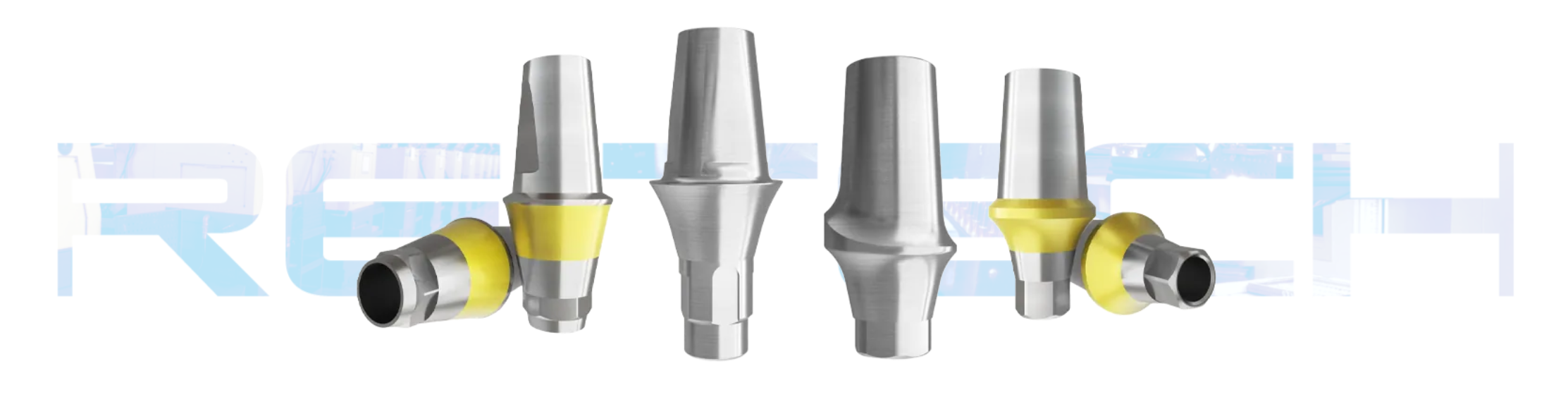
An implant system may be compatible at the implant level but weak at the prosthetic level. This is a serious issue for distributors because prosthetic components often create more daily customer questions than the implants themselves.
Before adding a system, review whether the supplier can provide:
Straight abutments
Angled abutments
Temporary abutments
Healing abutments in different heights
Impression copings
Digital scan bodies
Implant analogs
Multi-unit abutments
Ti-bases
Screws and replacement screws
CAD/CAM library support
Packaging and labeling for each component
A system with only implants and a few basic abutments may be enough for limited use, but it may not support long-term growth. If your customers handle diverse cases, the prosthetic ecosystem matters as much as the implant body.
You should also pay attention to gingival height options. In many real cases, clinicians need different transmucosal heights to manage soft tissue. If the component range is too limited, the system may be difficult to use in daily practice even if the implant itself is well designed.
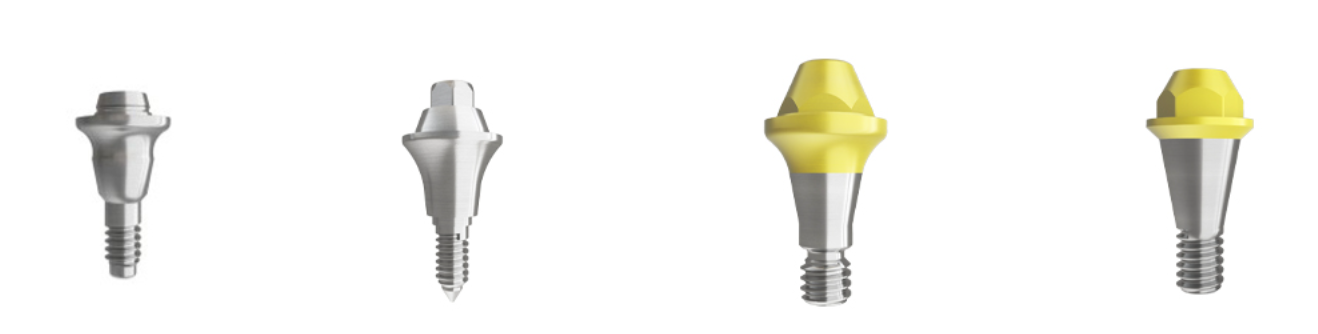
Digital dentistry has changed the way implant systems are selected. In the past, many distributors focused mainly on surgical kits and physical impression components. Today, scan bodies, CAD libraries, digital analogs, and milling workflows are part of the basic compatibility checklist.
A compatible implant system should support common digital workflows. Buyers should ask whether the supplier can provide accurate scan bodies, library files, Ti-base information, and digital model solutions. If the scan body design is unstable or the library is not updated, clinicians and labs may face restoration errors, seating problems, or repeated remakes.
Digital compatibility is especially important if your existing customers are labs, digital clinics, or implant centers. These customers do not only ask whether the implant is compatible with a screwdriver. They ask whether the system can enter their complete digital process without slowing them down.
For B2B buyers, digital support can also become a selling advantage. A well-supported implant system helps distributors communicate with clinics and labs more professionally. It also reduces technical support pressure after sales.
A new implant system should not make surgery unnecessarily complicated. Even if the implant design is strong, the system may be difficult to introduce if the drilling protocol is confusing or too different from what clinicians already know.
Review the surgical workflow carefully:
Are the drills clearly marked?
Is the drilling sequence simple?
Are there different protocols for bone density?
Are the implant drivers easy to identify?
Can the surgical kit support the full implant range?
Are torque values clearly explained?
Are replacement tools available?
For distributors, the surgical kit has a direct impact on training cost. If the kit is too complex, your sales team must spend more time explaining it. If the kit is too limited, clinicians may not trust it for more demanding cases.
The best compatible system is not always the system with the most instruments. It is the system with a logical, safe, and teachable workflow.
Compatibility is not only about components. The implant body itself must meet your market expectations for material, surface treatment, cleanliness, and quality consistency.
Most modern titanium implant systems are marketed with specific surface treatments, such as sandblasted and acid-etched surfaces or other roughened surface technologies. Buyers should not rely only on surface names. They should ask for surface images, cleaning process control, quality inspection methods, and batch traceability.
Material consistency is also important. The supplier should clearly state the titanium grade used, the standard followed, and the quality control process. For B2B buyers, this documentation helps support regulatory review, customer training, and long-term brand trust.
A compatible system should not reduce your product line’s perceived quality. If your current brand is positioned as reliable and professional, the new system must support that positioning from packaging to documentation.
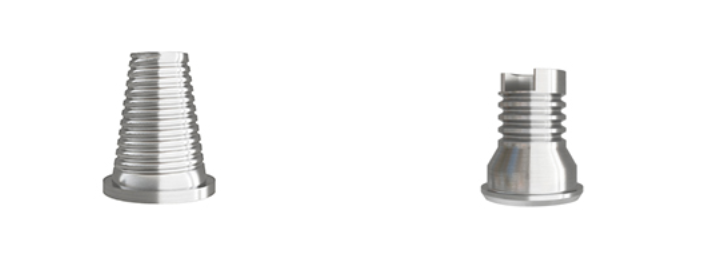
One of the biggest hidden costs of adding a new implant system is inventory complexity. Every new platform creates new implants, cover screws, healing abutments, impression copings, scan bodies, analogs, abutments, drivers, and screws.
Before launching a compatible system, calculate the real SKU impact. A system with many options may look complete, but it can also create stock pressure if your market is not ready. A system with fewer options may be easier to manage, but it may limit clinical flexibility.
A practical strategy is to start with your high-demand sizes and expand step by step. For example, many distributors first focus on regular platform implants in popular diameters and lengths, then add narrow and wide platforms later. This staged approach reduces risk and allows real market feedback to guide inventory decisions.
The goal is not to stock everything. The goal is to stock the right combinations that match your customer base.
For B2B implant buyers, documentation is not a minor detail. It can determine whether the system can be sold confidently in your market.
A professional supplier should be able to provide product catalogs, instructions for use, material information, sterilization information if applicable, labeling support, batch traceability, quality certificates, and technical files depending on the buyer’s needs.
Documentation also affects after-sales service. When a clinician asks about torque, drilling sequence, prosthetic platform, or component compatibility, your team needs clear answers. If the supplier cannot provide structured technical information, your sales team may struggle to support the market.
In regulated markets, documentation becomes even more important. FDA-cleared abutment submissions, for example, often describe specific compatible implant systems and intended use information, showing how compatibility claims are tied to defined device relationships rather than casual marketing language.
A compatible implant system should be tested before large-scale launch. This does not mean every distributor must run a full laboratory program independently, but it does mean buyers should conduct practical internal checks.
You can start by testing component seating, screw engagement, driver fit, scan body workflow, analog fit, packaging identification, and catalog accuracy. If possible, involve experienced clinicians or labs to review the system before you promote it widely.
A small pilot launch is often safer than a full launch. Select a few trusted customers, provide training, collect feedback, and monitor common questions. This helps identify whether the system is truly compatible with your existing market.
The best time to discover a mismatch is before the product enters broad distribution. Once products are already sold, compatibility problems become much harder to manage.
Price matters in every B2B purchasing decision. However, the lowest-cost implant system is not always the most profitable. If a system creates more training, more returns, more complaints, more missing components, or more confusion, the real cost may be higher than expected.
When comparing suppliers, calculate total business cost:
l Initial purchase price
l Minimumorder
l quantity
l Component availability
l Inventory pressure
l Technical training cost
l Documentation quality
l After-sales support
l Replacement part availability
l Delivery stability
l Market acceptance
A slightly higher-priced system may be more profitable if it reduces operational problems and helps your customers work more confidently. For distributors, stable supply and clear compatibility support often matter more than a small price difference.
Before adding a new implant system, create a compatibility matrix. This can be an internal document used by sales, customer service, technical support, and warehouse teams.
Your matrix should include:
Implant diameter
Implant length
Platform type
Connection type
Compatible healing abutment
Compatible impression coping
Compatible scan body
Compatible analog
Compatible abutments
Recommended screw
Recommended torque
Surgical driver
Packaging code
This document helps prevent wrong shipments and wrong recommendations. It also helps new staff understand the system faster. For B2B buyers, a compatibility matrix is one of the simplest but most powerful tools for reducing after-sales problems.
A good supplier should be willing to help you build this matrix. If a supplier cannot clearly explain their own compatibility structure, it is a warning sign.
Adding a compatible implant system is not only a technical choice. It is also a brand strategy.
If your company wants to serve budget-sensitive markets, you may prioritize cost efficiency, simple workflow, and fast delivery. If your market is more premium, you may prioritize documentation, packaging, surface technology, digital support, and prosthetic completeness. If your customers are labs and clinics using mixed systems, open compatibility and digital workflow may be more important.
The right system should match where your company wants to go. It should help you sell more confidently, train customers more easily, and build a stronger product portfolio.
This is why B2B buyers should avoid choosing a system only because it looks similar to a famous brand. A better approach is to choose a system that fits your real market, your customer habits, your inventory structure, and your future growth plan.
A compatible implant system means the implant, prosthetic components, surgical instruments, and digital workflow can work together in a predictable and properly supported way. It does not only mean that an abutment can physically fit into an implant. True compatibility includes connection design, screw type, torque value, platform structure, component range, digital library support, and supplier documentation.
Sometimes third-party abutments are designed for specific implant systems, but this should never be assumed. The connection geometry, screw design, tolerance, and torque recommendation must be verified. Buyers should only use components with clear compatibility information from a reliable supplier.
An open implant system offers more flexibility and may be easier to integrate into mixed workflows. A closed system offers stronger brand control but may limit component options. The better choice depends on your market, customer habits, regulatory needs, and inventory strategy.
Digital compatibility is important because many clinics and labs now rely on scan bodies, CAD/CAM libraries, Ti-bases, and printed model workflows. If the digital components are not accurate or well supported, restorations may require remakes, increasing cost and reducing customer confidence.
Distributors should check connection design, prosthetic component range, surgical kit, drilling protocol, scan body support, documentation, packaging, stock planning, replacement parts, and supplier delivery stability. A compatibility matrix should be created before launch.
Start with the most popular implant diameters, lengths, and platforms in your market. Avoid stocking every option at the beginning. Use customer feedback to expand the range gradually. A staged launch helps reduce slow-moving inventory and improves cash flow.
A reliable supplier should provide clear product specifications, compatibility charts, prosthetic component details, quality documentation, stable packaging, responsive technical support, and consistent delivery. The supplier should help you prevent compatibility problems before products enter the market.
Price is important, but it should not be the only factor. A low-priced system may become expensive if it causes customer confusion, missing components, poor documentation, unstable supply, or after-sales problems. B2B buyers should compare total business cost, not only unit price.
Choosing a compatible implant system for your existing product line requires more than checking connection names or comparing prices. True compatibility includes prosthetic components, digital workflow, surgical instruments, platform strategy, documentation, inventory planning, supplier support, and long-term market positioning.
For distributors and clinics, the best system is not necessarily the most complicated or the cheapest. It is the system that can be introduced smoothly, supported clearly, stocked efficiently, and trusted by customers.
Before making a purchasing decision, review your existing product line, identify your most common clinical and commercial needs, request a detailed compatibility chart, test the workflow, and confirm supplier documentation. A careful compatibility review can prevent future problems and help your business build a stronger, more reliable implant portfolio.
For buyers looking to expand their implant offering with a practical and well-supported system, RE-TECH Dental can be considered as part of the evaluation process. The key is not simply whether a system is called compatible, but whether the supplier can help you verify the connection, components, workflow, documentation, and supply stability behind that claim.