![[slide:title]](/static/upload/other/20260512/1778551853592214.webp)
![[slide:title]](/static/upload/other/20260512/1778551954982306.webp)
Time:2026-06-01 Form:本站
Best Value-for-Money Dental Implant Systems for Emerging Markets: A Practical Guide for Distributors, Clinics, and Procurement Teams
In emerging dental markets, the demand for implant treatment is growing, but the purchasing logic is very different from that of mature premium markets. Patients are becoming more aware of implant dentistry, clinics want to expand treatment options, and distributors are looking for implant systems that can move steadily in the market. At the same time, price sensitivity remains high.
This is why the phrase “value-for-money dental implant system” is becoming more important than simply “affordable implant.” A cheap implant may reduce the first purchase cost, but if it creates problems in prosthetic compatibility, inventory management, surgical confidence, or after-sales service, the real cost becomes much higher.
The global oral health burden also explains why affordability is such a major issue. WHO reports that oral diseases affect nearly 3.7 billion people worldwide, and the burden is especially challenging where access to oral healthcare is limited or uneven. In many low- and middle-income regions, dental implant treatment is still considered a premium procedure, so systems that balance quality, price, availability, and clinical usability have strong market potential.
For implant distributors, clinics, and procurement teams, the best system is rarely the cheapest one. It is the system that allows them to offer predictable treatment at a price patients can accept, while keeping the business model sustainable.
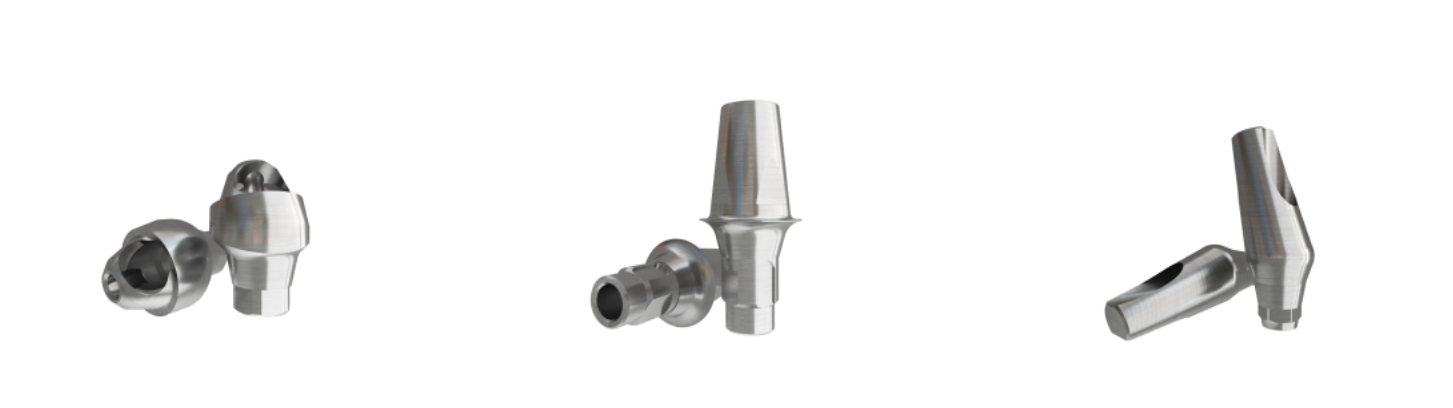
A cost-effective dental implant system is not defined by unit price alone. In real B2B purchasing, value comes from several connected factors:
1. Reliable implant design
2. Stable material and surface treatment
3. Prosthetic compatibility
4. Reasonable inventory requirements
5. Consistent delivery
6. Training and technical support
7. Regulatory readiness
8. Long-term supplier stability
A distributor may find an implant that is 20% cheaper than another option, but if that system requires too many prosthetic components, has unclear compatibility, or often changes packaging and references, the operational cost increases. Likewise, a clinic may save money on the implant fixture but lose time if the abutment options are limited or delivery is unreliable.
In emerging markets, where clinics may serve both price-sensitive and middle-income patients, the ideal system should support standard cases, immediate business growth, and future upgrade paths.
In premium markets, some dentists and patients may prioritize brand reputation, published clinical data, digital ecosystem integration, and long-term familiarity. These factors are important, but they are not always the first decision drivers in emerging markets.
In many emerging regions, the decision process is more practical. Clinics and distributors usually ask:
· Can this implant system cover common cases?
· Is the price acceptable for local patients?
· Are prosthetic parts easy to source?
· Can we keep stock without heavy financial pressure?
· Is the system easy for dentists to learn?
· Can the supplier support repeat orders consistently?
· Will this system help us compete against premium brands and low-cost local brands?
This creates a large market space between premium global systems and ultra-low-cost implants. That middle space is where value-for-money systems can perform well.
According to industry market reports, the global dental implant market is expected to keep expanding in the coming years, supported by digital dentistry, aging populations, and broader access to implant treatment. For emerging markets, growth is not only about more patients. It is also about better supply chains, more trained clinicians, and more rational product segmentation.
Choosing an implant system becomes easier when buyers understand the difference between price categories.
Category | Typical Strength | Main Limitation | Best Fit |
Premium systems | Strong brand recognition, long clinical history, advanced digital ecosystem | High cost, higher inventory pressure | High-end clinics, complex cases, premium patients |
Mid-range/value systems | Balanced price, reliable quality, practical compatibility | Less global brand power than premium brands | Distributors, growing clinics, emerging markets |
Budget systems | Low purchase price | Risk of limited support, inconsistent components, weaker documentation | Highly price-sensitive cases, short-term sales |
Local systems | Local availability, flexible price | Quality and compatibility vary widely | Markets with strong domestic production or local tender demand |
For emerging markets, mid-range or value-positioned systems often provide the best balance. They give clinics enough confidence to perform routine implant cases while keeping the patient price more accessible. For distributors, they also reduce the risk of slow-moving premium inventory.
The best value-for-money system is usually not the one that tries to copy premium pricing downward. It is the one designed around practical clinical needs: clear sizes, common connections, stable prosthetic options, reliable packaging, and repeatable supply.
Many buyers compare implant systems by fixture price. This is a mistake.
A complete implant system includes:
l Implant fixture
l Cover screw
l Healing abutment
l Impression coping or scan body
l Temporary abutment
l Straight and angled abutments
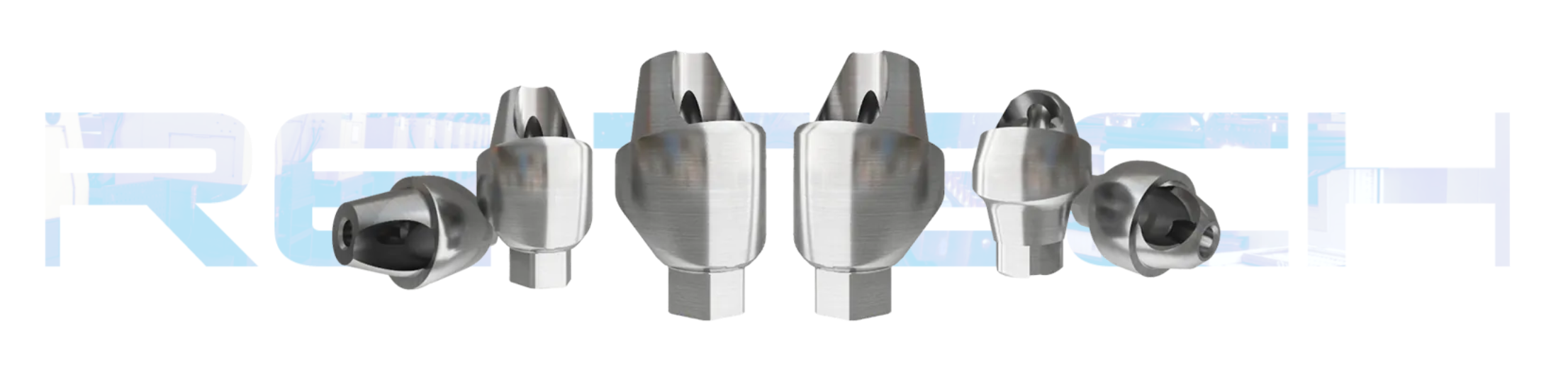
l Multi-unit abutments
l Prosthetic screws
l Surgical kit
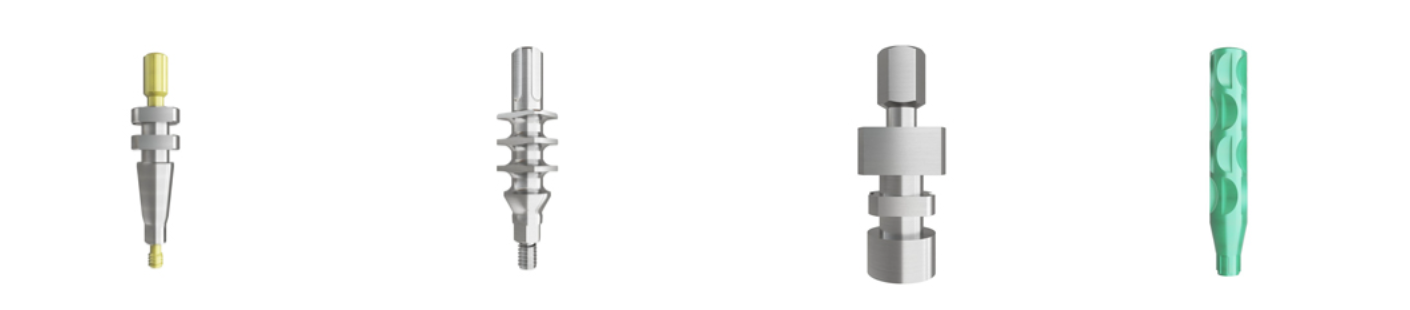
l Drivers and tools
l Packaging and labels
l Instructions for use
l Certificates and technical documents
If the fixture is cheap but prosthetic components are expensive or hard to source, the total case cost increases. If the surgical kit is not intuitive, training costs increase. If the system has too many rarely used sizes, inventory becomes difficult.
For distributors, the best system is one that creates repeat orders without requiring excessive stock. For clinics, the best system is one that makes treatment planning simple and predictable.
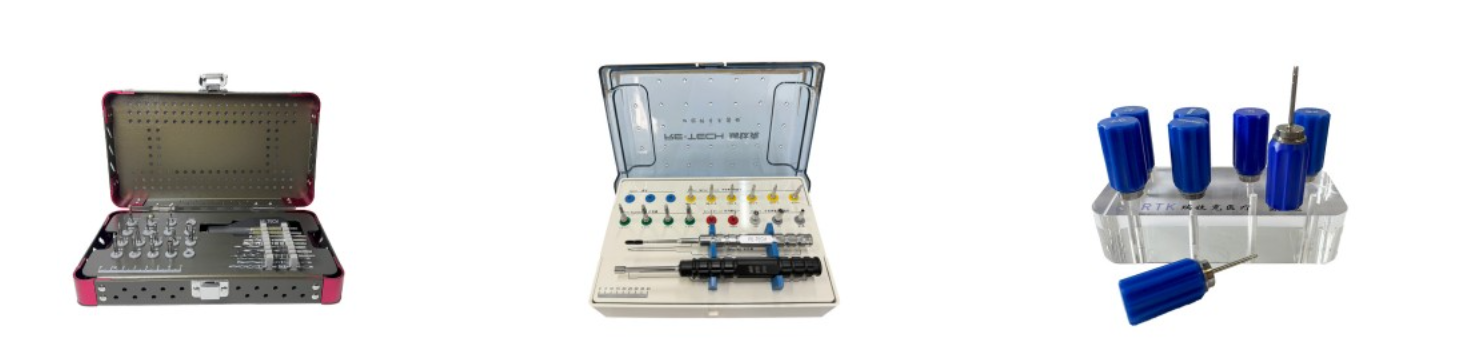
One of the most important decisions is whether to choose an open or closed implant system.
A closed system usually means that the implant brand strongly controls its own components, digital workflow, and prosthetic ecosystem. This can be excellent for consistency, but it may also increase cost and limit flexibility.
An open system is usually more compatible with common prosthetic workflows and third-party digital components. In emerging markets, open systems often have advantages because clinics and labs need flexibility.
Why open systems are attractive in emerging markets
Open systems may help clinics and distributors:
l Reduce prosthetic costs
l Work with more local dental labs
l Use common scan bodies or digital libraries
l Keep smaller inventories
l Improve repair and replacement flexibility
l Support dentists who already know similar connections
However, “open” should not mean uncontrolled. A good open system still needs strict manufacturing tolerances, stable connection design, and clear component matching. Poor compatibility can cause screw loosening, misfit, or restorative frustration.
For B2B buyers, the question should not be “Is it open?” but rather: Is it open, precise, and well-documented?
The implant-abutment connection is one of the most important parts of the system. A stable internal connection can improve prosthetic reliability and reduce mechanical complications. For emerging markets, a familiar connection type also helps dentists and labs adopt the system faster.
A value system should avoid overly complicated proprietary designs unless there is a clear clinical reason. Simplicity, stability, and component availability matter more than marketing terms.
A good system does not need hundreds of implant references at the beginning. For distributors entering a new market, too many SKUs can create inventory pressure.
A practical starter range may include:
l Narrow diameter for limited spaces
l Standard diameter for most posterior and anterior cases
l Wide diameter for molar areas
l Multiple lengths for different bone heights
l Matching prosthetic components for common indications
The goal is to cover 80% of routine cases before expanding into advanced indications.
Implant surface treatment affects osseointegration, but buyers should be careful with exaggerated claims. Many systems use SLA-type, RBM, or other roughened surfaces. What matters is not only the surface name, but also process control, cleanliness, packaging, and consistency.
A value-for-money system should provide clear surface information without making unrealistic promises. For B2B buyers, it is reasonable to request technical documents, surface images, cleaning process descriptions, and sterilization information.
A system is only useful if restorative options are available. In emerging markets, many clinics rely heavily on local labs. Therefore, prosthetic flexibility is essential.
Important components include:
l Analogues
l Prosthetic screws
A cost-effective implant system should make prosthetic work easier, not more complicated.
Packaging is often underestimated. For implant distributors and clinics, packaging affects trust, storage, regulatory review, and after-sales management.
A professional system should include:
l Clear product labels
l Lot number and batch traceability
l Sterile packaging information
l Expiry date
l Implant size and reference number
l Instructions or QR code access
l Certificate support when required
In emerging markets, good packaging can also help clinics build patient confidence, especially when introducing a newer brand.
Distributors should not judge implant systems only by sample price. A better approach is to evaluate the commercial operating model.
A system with a low purchase price is not always profitable. If the market perceives it as too cheap, dentists may not trust it or may push the resale price down. A good value system allows distributors to keep a reasonable margin while still offering clinics a competitive price.
Implant systems are not one-time products. The distributor’s success depends on repeat orders from clinics. Systems with stable quality, simple ordering, and strong prosthetic availability are more likely to generate repeat business.
If dentists require too much training before using the system, adoption slows down. A good value system should be easy to understand, especially for dentists already familiar with common implant protocols.
Distributors should ask: How many SKUs do we need to launch? Which components move fastest? Can one surgical kit cover most sizes? Are prosthetic parts shared across diameters?
Inventory efficiency is especially important in emerging markets because cash flow can be more limited than in mature markets.
A cheaper supplier is not valuable if delivery is unstable. Late delivery can damage the distributor’s reputation with clinics. Before choosing a system, buyers should evaluate production capacity, lead time, documentation, communication speed, and after-sales response.
Clinics often think from the patient’s side. They need a system that allows them to offer implant treatment at a price patients can accept while still maintaining clinical confidence.
A clinic should consider:
l Is the system suitable for routine cases?
l Are compatible prosthetic parts available?
l Can the lab work with this connection?
l Does the system have clear surgical protocols?
l Is the supplier able to provide support quickly?
l Can the clinic explain the system to patients confidently?
For many clinics in emerging markets, using only premium systems can limit patient acceptance. On the other hand, using unknown low-cost systems may create long-term risks. A balanced value system can help clinics serve a wider patient group.
One of the biggest misunderstandings in implant sourcing is that affordable systems must be low quality. This is not always true.
A system can be more affordable because of:
l Efficient manufacturing
l Focused product range
l Lower branding cost
l Direct factory supply
l Practical packaging design
l Lean distribution structure
l Less expensive marketing overhead
However, buyers must separate real efficiency from cost-cutting. Real efficiency improves value. Cost-cutting may reduce safety, consistency, or support.
A reliable value-for-money system should still use qualified materials, controlled machining, clean packaging, stable surface treatment, and proper documentation. In other words, affordability should come from smart manufacturing and supply chain efficiency, not from ignoring quality requirements.
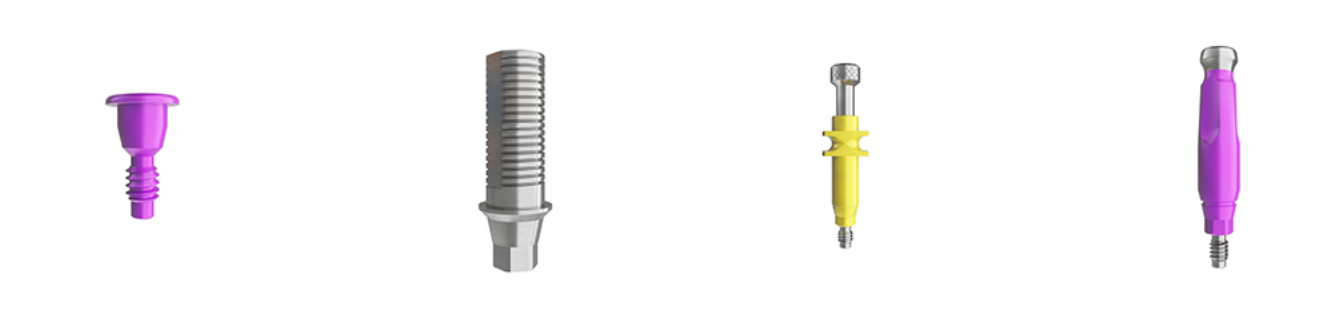
Compatibility is one of the strongest selling points for value systems. In many emerging markets, dental labs already understand certain implant connections and restorative workflows. If a new system uses a familiar connection and provides accurate prosthetic components, adoption becomes easier.
Compatibility can reduce:
l Training time
l Lab confusion
l Component shortages
l Repair difficulty
l Chairside delays
l Inventory pressure
But compatibility must be handled carefully. A supplier should clearly state which components belong to its own system and avoid vague claims. The safest approach is to provide a complete original prosthetic line while also supporting digital workflows where appropriate.
Digital dentistry is no longer limited to premium implant brands. Intraoral scanning, CAD/CAM restorations, guided surgery, and digital libraries are gradually entering emerging markets.
A value-for-money implant system should prepare for this shift. It does not need to have the most complex digital ecosystem from day one, but it should support essential digital components such as scan bodies, Ti-bases, and clear CAD/CAM information.
For distributors, digital readiness can create a stronger long-term position. For clinics, it improves workflow efficiency and communication with labs. For labs, it reduces manual error and improves restoration repeatability.
The future of emerging implant markets will not be only about cheaper fixtures. It will be about accessible systems that combine reasonable cost with modern workflow compatibility.
These are often suitable for distributors because they are easier for clinics and labs to adopt. They can reduce switching resistance and allow faster market entry.
Tapered designs are popular because they are often associated with good primary stability in many common clinical situations. For emerging markets, a practical tapered implant line can cover many daily cases without overwhelming the buyer with too many options.
A system with fewer prosthetic platforms can simplify stock management. For distributors and clinics, fewer platforms often mean fewer mistakes and faster ordering.
Factory-direct systems can offer strong value if the manufacturer has stable production, clear quality control, and export experience. This model can be attractive for distributors who want better margins and more flexible cooperation.
For new distributors, starter packages are useful. They reduce initial investment and allow the market to test demand before expanding inventory.
Low price may help win the first order, but it does not guarantee repeat sales. If dentists lose confidence, the system will not grow.
A complete prosthetic line is essential. Without it, even a good fixture becomes difficult to sell.
Distributors should start with fast-moving sizes and expand based on real market demand.
Marketing claims should be supported by product documentation, technical details, and consistent supply.
If local labs cannot work smoothly with the system, clinics may hesitate to use it.
Before importing or distributing a dental implant system, ask the supplier these questions:
1. What material is used for the implant fixture?
2. What surface treatment is applied?
3. What connection type does the system use?
4. Which prosthetic components are available?
5. Are scan bodies and digital libraries available?
6. What sizes are recommended for the starter inventory?
7. What certificates or technical documents can be provided?
8. What is the normal production lead time?
9. How is batch traceability managed?
10. Can the supplier support private label or distributor packaging if needed?
11. What after-sales support is available?
12. How stable are reference numbers and packaging formats?
13. Are surgical kits available?
14. Can the system support both analog and digital workflows?
15. What is the minimum order quantity for repeat orders?
This checklist helps buyers avoid emotional decisions and compare systems more objectively.
For distributors and clinics looking for a practical value-for-money implant system, RE-TECH can be considered as one option in the mid-range value segment. The focus is not to compete only by being cheaper, but to support B2B buyers with a balanced combination of implant design, prosthetic availability, packaging, and supply cooperation.
In emerging markets, this type of system can be useful for buyers who want to build a stable implant business without carrying the financial pressure of premium-brand inventory. It can also help clinics provide implant treatment to more patients while keeping product selection organized and predictable.
The key is to evaluate the system based on real business needs: case coverage, component availability, supplier communication, delivery stability, and long-term cooperation.
 FAQ: Value-for-Money Dental Implant Systems for Emerging Markets
The best system depends on the buyer’s market, clinic level, patient price range, and distribution strategy. In many emerging markets, a mid-range open implant system with reliable quality, practical prosthetic components, and stable supply is often more suitable than either a very expensive premium system or an unknown low-cost system.
Affordable implant systems can be safe if they are manufactured with qualified materials, controlled machining, proper surface treatment, sterile packaging, and batch traceability. Buyers should avoid systems that are cheap because of weak quality control or unclear documentation.
Open implant systems are popular because they are usually easier for clinics and labs to adopt. They may reduce prosthetic cost, improve component availability, and support more flexible workflows. This is especially useful in markets where clinics rely heavily on local labs.
Premium systems are useful for high-end clinics and complex positioning, but mid-range systems often offer better business flexibility in emerging markets. A distributor may choose both: premium systems for brand positioning and value systems for broader market coverage.
Clinics should check implant design, connection type, surface treatment, prosthetic options, surgical kit usability, supplier support, and compatibility with local lab workflows. The system should be easy to use and reliable for routine cases.
Implant treatment does not end with the fixture. Healing abutments, impression copings, scan bodies, Ti-bases, straight abutments, angled abutments, and screws are all essential. If prosthetic parts are difficult to obtain, treatment becomes slower and more expensive.
Yes. Many value implant systems now support digital workflows through scan bodies, Ti-bases, and CAD/CAM-compatible components. Buyers should confirm whether digital libraries and component data are available before making large purchases.
Distributors can start with a focused range of fast-moving implant sizes and common prosthetic components. They should avoid buying too many rarely used sizes at the beginning. A scalable starter inventory is usually better than a large but unfocused catalog.
Both matter, but in emerging markets, system reliability, price acceptance, component availability, and supplier support often have a stronger impact on repeat purchases. A famous brand may open doors, but practical value keeps clinics ordering.
B2B buyers should compare suppliers based on total system value, not only fixture price. Important factors include product quality, component range, packaging, documentation, delivery time, communication, after-sales support, and long-term cooperation potential.
For emerging markets, the most cost-effective dental implant system is not necessarily the cheapest, the most famous, or the one with the largest catalog. It is the system that helps clinics treat patients confidently, helps distributors maintain healthy margins, and helps the whole supply chain operate smoothly.
A strong value-for-money implant system should offer:
l Reliable implant design
l Practical prosthetic options
l Clear compatibility
l Reasonable pricing
l Stable documentation
l Efficient inventory structure
l Consistent supplier support
l Room for future digital workflow development
As implant dentistry becomes more accessible worldwide, emerging markets will not simply follow the same path as premium markets. They will develop their own purchasing logic, shaped by affordability, trust, flexibility, and service. For B2B buyers, understanding this logic is the first step toward choosing the right implant system and building long-term market success.