![[slide:title]](/static/upload/other/20260512/1778551853592214.webp)
![[slide:title]](/static/upload/other/20260512/1778551954982306.webp)
Time:2026-04-14 Form:本站
Digital Dentistry and Implants: How Technology Is Redefining Precision, Cost, and Global Supply Chains
Digital dentistry is no longer a futuristic concept—it is the current operating system of modern implantology. From diagnosis to final prosthetic delivery, the integration of digital tools has transformed how clinicians plan, place, and restore dental implants. For manufacturers and B2B buyers, this shift is even more profound: it is redefining product requirements, supply chain expectations, and competitive positioning.
This article goes beyond the typical overview. Instead of simply explaining what digital dentistry is, we will explore how it fundamentally changes implant design, material selection, production tolerances, and procurement strategies. If you are a distributor, clinic group, or procurement manager, understanding these shifts is essential—not just for clinical outcomes, but for long-term business competitiveness.
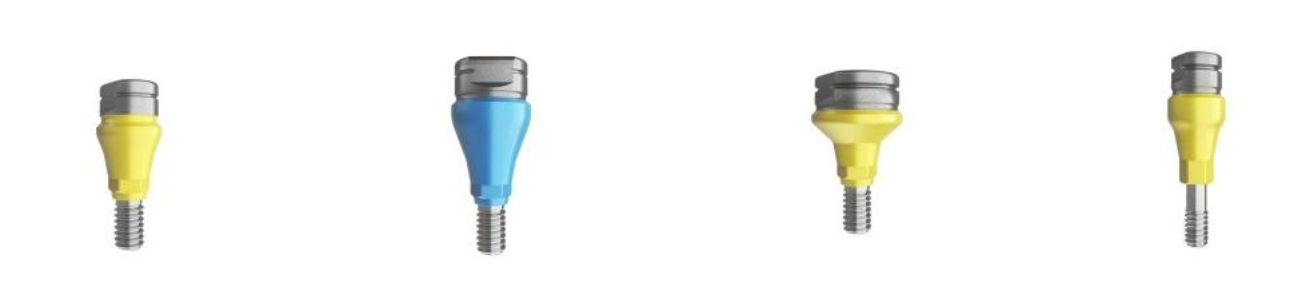
Digital dentistry refers to the use of computer-based technologies to capture, design, manufacture, and execute dental treatments. In implantology, this typically includes:
l Intraoral scanning (IOS)
l Cone Beam CT (CBCT) imaging
l CAD/CAM design
l Surgical planning software
l Guided implant surgery
l Digital prosthetics manufacturing
Unlike traditional workflows that rely heavily on manual impressions and analog processes, digital workflows create a continuous data chain—from patient scan to final implant restoration.
The process begins with intraoral scanners and CBCT imaging, which generate precise 3D models of the patient's anatomy. These datasets are merged in planning software to determine:
l Optimal implant position
l Bone density considerations
l Prosthetic-driven placement strategy
Key Shift for B2B Buyers:
Implants are no longer selected purely based on diameter and length—they must integrate seamlessly with digital planning systems.
Traditional implant placement relies heavily on surgeon experience. Digital workflows introduce surgical guides, which translate virtual plans into physical execution.
Advantages:
l Higher placement accuracy
l Reduced surgical time
l Lower risk of complications
Implication for Manufacturers:
Implants must meet tighter tolerances and compatibility requirements with guide systems and surgical kits.
After implant placement, digital impressions allow for rapid prosthetic design and manufacturing. In some cases, same-day restorations are possible.
Key Trends:
l Custom abutments designed digitally
l Automated milling or 3D printing
l Reduced reliance on dental labs
Aspect | Traditional Workflow | Digital Workflow |
Impression | Physical (silicone) | Intraoral scanning |
Planning | 2D + manual | 3D software-driven |
Surgery | Freehand | Guided |
Prosthetics | Lab-dependent | CAD/CAM |
Time | Longer | Shorter |
Accuracy | Operator-dependent | System-driven |
Insight:
Digital workflows reduce variability. For B2B buyers, this means product consistency becomes more important than ever—a critical factor when choosing implant suppliers.
Digital dentistry doesn’t just change clinical workflows—it reshapes implant engineering itself.
With guided surgery and immediate loading becoming more common, implants must:
l Promote faster osseointegration
l Maintain stability under early loading conditions
This increases demand for advanced surface treatments such as:
l SLA (Sandblasted, Large-grit, Acid-etched)
l Hydrophilic surfaces
Digital workflows demand:
l Precise implant-abutment connections
l Consistent thread geometry
l High repeatability across batches
Even minor deviations can lead to:
l Misfit in digital prosthetics
l Increased chair time
l Clinical complications
Digital ecosystems are becoming standardized. Implants must integrate with:
l Major CAD/CAM systems
l Surgical planning software
l Guided surgery kits
For buyers: Compatibility is now as important as price.
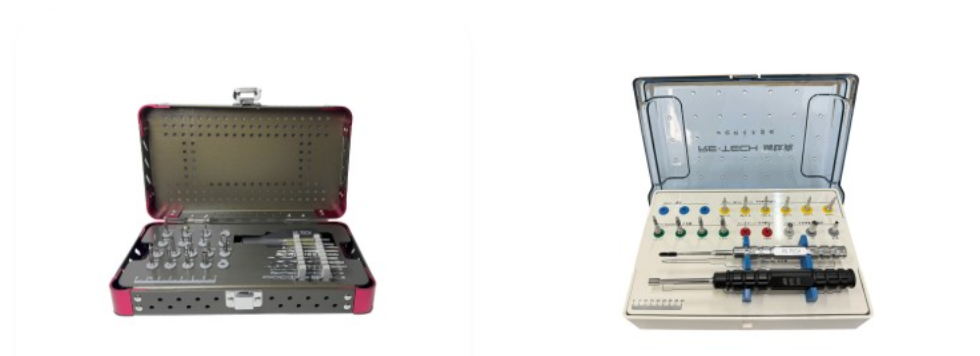
Material selection is becoming more strategic in the digital era.
l Excellent biocompatibility
l Proven long-term success
l Ideal for precision machining
l Superior aesthetics
l Metal-free solution
l Increasing demand in digital workflows
l High strength
l Used in prosthetic frameworks
At first glance, digital systems require high upfront investment. However, over time, they reduce:
l Labor costs
l Remakes and errors
l Treatment time
For distributors and clinics, this creates a shift in purchasing priorities:
From cheapest implant → most predictable system
Digital dentistry is forcing a structural change in the supply chain:
Buyers prefer systems that:
l Integrate seamlessly
l Reduce SKU complexity
l Ensure compatibility
Digital workflows require:
l Material certificates
l Batch traceability
l Regulatory compliance (ISO, CE, FDA)
With same-day dentistry growing, suppliers must:
l Deliver faster
l Maintain stable inventory
l Offer flexible customization
In this evolving landscape, manufacturers that focus on precision, consistency, and system compatibility gain a clear advantage.
For example, implant systems designed with:
l Stable internal connections
l High-precision machining
l Consistent surface treatment quality
naturally integrate better into digital workflows.
This is where companies like RE-TECH position themselves—not as marketing-driven brands, but as engineering-focused partners supporting global distributors and clinics.
Instead of competing solely on price, such manufacturers align with digital dentistry demands:
l Reliable batch consistency
l Compatibility with guided systems
l Scalable production for global supply
For B2B buyers, this translates into lower long-term risk and higher clinical predictability.
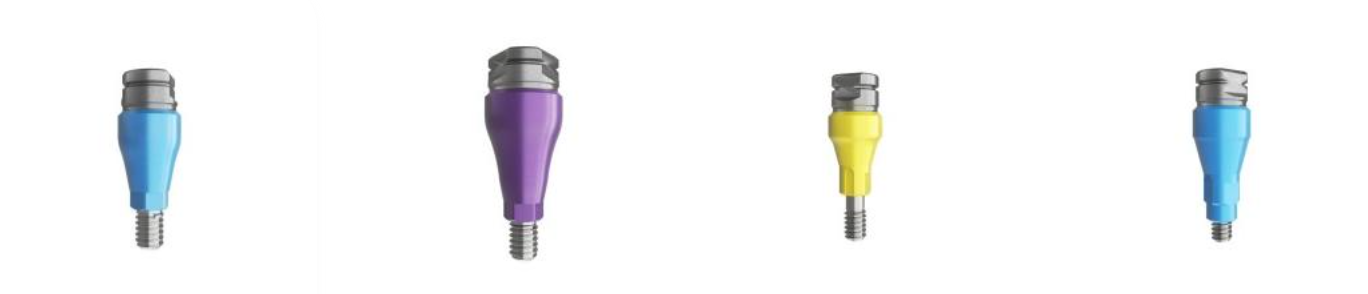
Despite its advantages, digital dentistry is not without limitations:
l Scanners, software, and equipment are costly
l Clinicians must adapt to digital tools
l Lock-in with specific ecosystems can limit flexibility
l Compatibility between systems is not always seamless
Digital dentistry is still evolving. Key future developments include:
Artificial intelligence will:
l Automate implant positioning
l Predict clinical outcomes
l Same-day implants and restorations will become standard
l Custom implants and prosthetics produced on demand
l Manufacturers and clinics connected via cloud platforms
Yes. Digital workflows reduce human error by using software-guided planning and execution, resulting in higher precision and consistency.
In the long term, yes. While initial investment is high, reduced errors, faster procedures, and fewer remakes lower total costs.
No. Compatibility varies significantly. Choosing implants designed for digital integration is crucial for efficiency.
Not entirely. Titanium remains dominant due to its reliability, but zirconia is gaining popularity in aesthetic cases.
Focus on:
l System compatibility
l Manufacturing precision
l Supplier reliability
l Certification and traceability
Digital dentistry is not just a technological upgrade—it is a paradigm shift that affects every layer of implantology, from clinical practice to global supply chains.
For B2B buyers, the implications are clear:
l Precision matters more than ever
l Compatibility is critical
l Reliability outweighs short-term cost savings
Manufacturers that understand these dynamics—those who prioritize engineering quality, digital integration, and scalable production—will define the next generation of implant supply.
In a world where dentistry is becoming fully digital, the question is no longer whether to adapt, but how fast you can align your sourcing strategy with this new reality.