![[slide:title]](/static/upload/other/20260512/1778551853592214.webp)
![[slide:title]](/static/upload/other/20260512/1778551954982306.webp)
Time:2026-04-16 Form:本站
Dental Implants vs Dentures: A Clinical, Material, and Market-Level Comparison for Modern Dentistry
The debate between dental implants and dentures is often framed as a simple patient choice—fixed versus removable, premium versus affordable. But for professionals in the dental supply chain, manufacturers, distributors, and clinics, the comparison runs much deeper. It touches biomechanics, material science, long-term clinical outcomes, and increasingly, digital workflows.
This article goes beyond surface-level pros and cons. It explores the structural, biological, and economic realities behind both solutions—while offering insights relevant to B2B buyers seeking reliable implant systems and materials that meet modern clinical expectations.
At the most fundamental level, dental implants and dentures solve the same problem—missing teeth—but in entirely different ways.
Dental implants are artificial tooth roots, typically made of titanium or titanium alloys, surgically placed into the jawbone. They integrate with bone through osseointegration, forming a stable foundation for crowns, bridges, or full-arch restorations.
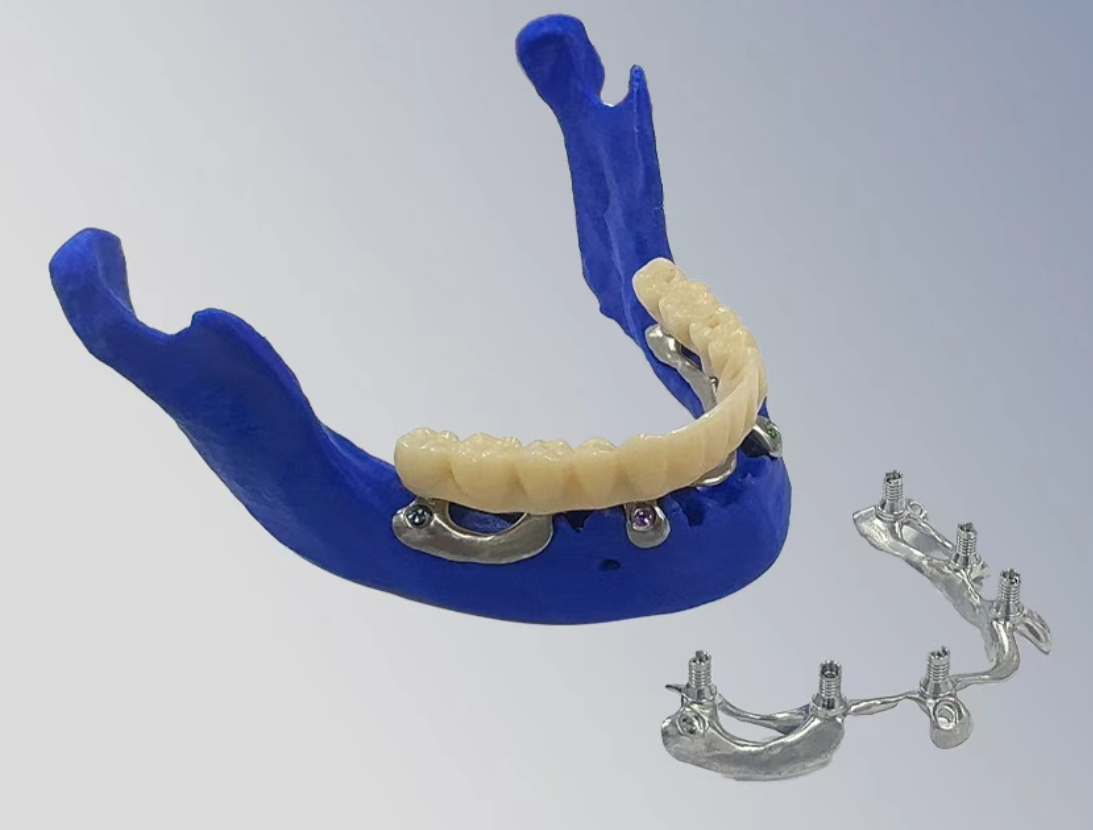
Dentures, by contrast, are prosthetic devices that sit on top of the gums. They rely on soft tissue support and, in some cases, adhesives or clasps for retention.
This difference—bone integration versus surface support—defines nearly every downstream outcome.
One of the most overlooked aspects in the implants vs dentures discussion is biomechanics.
Dental implants mimic natural tooth roots. When a patient bites, forces are transferred directly into the jawbone. This has several implications:
l Maintains bone density through mechanical stimulation
l Provides stable chewing efficiency (often >90% of natural teeth)
l Prevents long-term facial collapse
Dentures distribute forces across the mucosa (gum tissue), which is not designed to bear continuous mechanical stress. Over time:
l Bone resorption accelerates
l Fit becomes loose
l Patients experience discomfort and reduced function
This distinction is critical for clinicians and also for manufacturers designing implant-grade materials with optimized elastic modulus and fatigue resistance.
For B2B buyers, material selection is not just technical—it’s strategic.
Modern implants are predominantly made from:
l Commercially pure titanium (Grade 2 / Grade 4)
l Titanium alloys (e.g., Ti-6Al-4V ELI)
l Emerging zirconia options
Key properties include:
l High biocompatibility
l Corrosion resistance
l Fatigue strength
l Surface modifiability (e.g., SLA, RBM)
Surface engineering plays a decisive role in osseointegration speed and success rate. This is where advanced manufacturers differentiate themselves—through consistency in microstructure, surface roughness control, and cleanliness.
A well-engineered implant system—such as those developed by companies like RE-TECH—typically focuses on:
l Controlled surface topography
l Stable oxide layer formation
l Strict mechanical performance under cyclic loading
These factors are not always visible in marketing materials, but they are critical for long-term clinical success.
Dentures are typically made from:
l Acrylic resins (PMMA)
l Metal frameworks (CoCr alloys) in partial dentures
While cost-effective, these materials:
l Do not interact with bone
l Are prone to wear and deformation over time
l Require periodic replacement or relining
From a supply perspective, dentures involve lower material complexity but higher long-term maintenance cycles.
A short-term comparison often favors dentures due to lower upfront cost. However, long-term data tells a different story.
l 10–15 year survival rates: typically above 90–95%
l Bone preservation minimizes future interventions
l Lower maintenance once integrated
l Replacement or relining every 5–7 years
l Progressive bone loss affects fit
l Increased need for adjustments
For clinics and distributors, this translates into different business models:
l Implants: higher upfront value, long-term trust
l Dentures: recurring adjustments, lower initial barrier
Beyond clinical metrics, patient perception plays a major role in treatment adoption.
Patients often report:
l Natural chewing ability
l No movement or slipping
l Improved confidence in speech and social settings
Common challenges include:
l Difficulty eating hard foods
l Fear of dislodgement
l Reduced taste sensation (especially upper dentures)
From a market perspective, the global shift toward implants is not just clinical—it’s behavioral.
The rise of digital dentistry has significantly reshaped implant workflows.
l CBCT-based planning
l CAD/CAM surgical guides
l Digital impressions
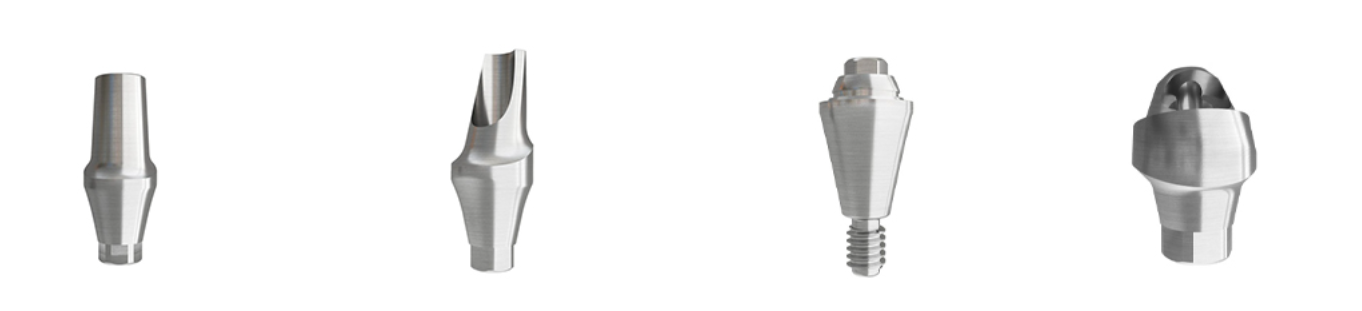
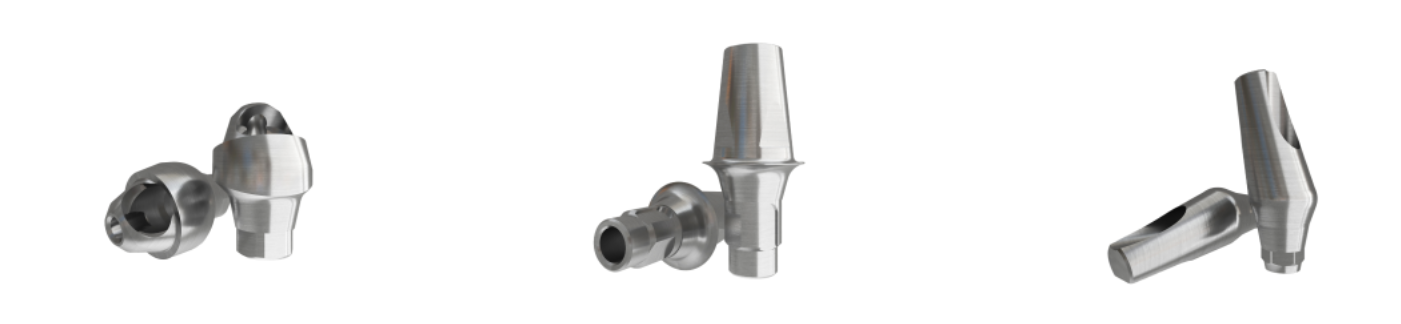
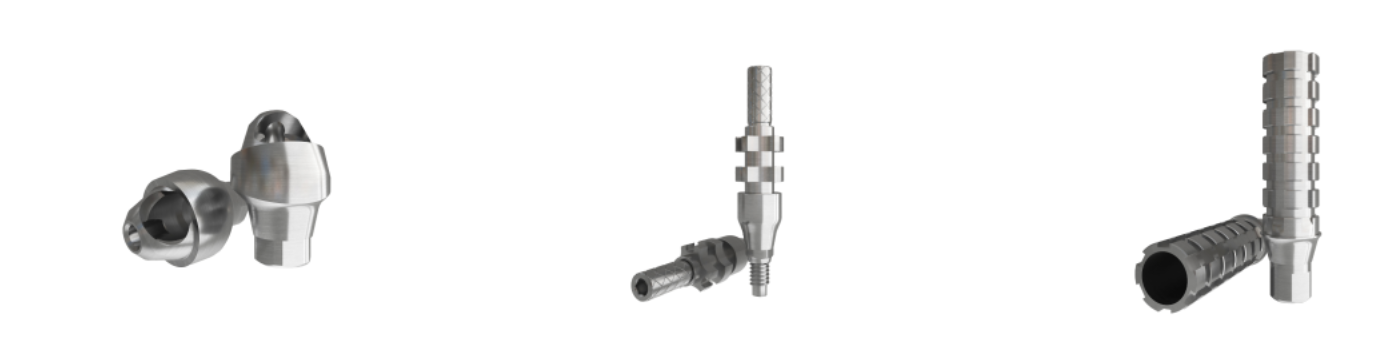
l Customized abutments
Manufacturers who align with digital ecosystems gain a strong competitive advantage.
While digital dentures exist, adoption is slower due to:
l Complex soft tissue modeling
l Lower standardization
l Cost sensitivity in target patient groups
For B2B buyers, this means implant systems are more aligned with future-ready digital workflows.
Instead of simply labeling implants as “expensive,” it’s more useful to break down cost components.
l Surgical procedure
l Implant fixture
l Abutment and crown
l Imaging and planning
l Fabrication
l Fitting sessions
l Adhesives and maintenance
l Replacement cycles
Over a 10–15 year period, the total cost gap often narrows significantly.
l Adequate bone volume
l Patients seeking long-term solutions
l Younger or middle-aged demographics
l Full-arch rehabilitation (All-on-4 / All-on-6)
l Severe bone loss without grafting
l Medical contraindications for surgery
l Budget-constrained patients
l Temporary or transitional solutions
For suppliers, offering both solutions—or hybrid systems like implant-supported overdentures—can cover a wider clinical spectrum.
The global dental implant market continues to grow, driven by:
l Aging populations
l Increased aesthetic awareness
l Advancements in minimally invasive surgery
At the same time, competition is intensifying. Clinics and distributors are no longer just looking for products—they are looking for:
l Reliable supply chains
l Consistent quality
l Regulatory compliance (ISO, ASTM, CE, FDA)
l Technical support and documentation
Manufacturers that invest in material quality, precision machining, and surface treatment—such as Ruittaike—are better positioned to support these evolving demands.
Not always. While implants offer superior stability and bone preservation, dentures remain a valid option for patients who cannot undergo surgery or have financial limitations.
Implants can last 15+ years or even a lifetime with proper care. Dentures typically require replacement or adjustment every 5–7 years.
Yes. Implant materials must meet strict standards for biocompatibility, fatigue resistance, and corrosion resistance. Titanium and titanium alloys are the most widely used.
In many cases, yes. Patients often transition from dentures to implant-supported solutions as bone conditions and financial situations allow.
Key factors include:
l Material certification and traceability
l Surface treatment consistency
l Mechanical performance data
l Compatibility with digital workflows
l Reliable production and delivery timelines
The choice between dental implants and dentures is no longer just a clinical decision—it is a reflection of broader trends in healthcare, materials science, and patient expectations.
For B2B stakeholders, the opportunity lies not only in supplying products but in understanding the ecosystem: how materials behave, how clinicians work, and how patient expectations are evolving.
Dental implants are not simply replacing dentures—they are redefining the standard of care. And as this shift continues, manufacturers who prioritize quality, consistency, and innovation will be the ones shaping the future of the industry.