![[slide:title]](/static/upload/other/20260512/1778551853592214.webp)
![[slide:title]](/static/upload/other/20260512/1778551954982306.webp)
Time:2026-06-05 Form:本站
Building a Regional Implant Dealership: What It Really Takes to Grow in Your Local Market
On the surface, setting up a regional dental implant distribution business seems straightforward.
You find an implant manufacturer.
Request a product catalog.
Get a quote.
Start visiting clinics.
Many people start out this way.
But after a few months, the real problems begin to surface.
Some clinics ask for lower prices. Some doctors want to try the system but are unwilling to take the risk. Some cases require urgent component delivery. Certain implant specifications sell out quickly, while others sit in inventory for long periods. A few clients may request certificates, packaging details, surface treatment information, or private-label solutions. It is only then that the distributor realizes a critical issue.
Selling implants is not just about selling a product.
It’s about instilling confidence.
Clinics won’t stick with a particular implant system simply because the initial order was cheap. Dentists need to feel reassured, and assistants need to be able to easily identify components. The restoration workflow must be clear. And when problems arise, the distributor must respond quickly.
For this reason, building a regional implant distribution network cannot rely solely on price. It must be built on product selection, local inventory, clinic support, training, after-sales responsiveness, and a supplier that provides a stable backbone for the distributor.
For distributors, dental supply companies, and local implant agents, this can be a business with tremendous potential. But it requires establishing the right operational framework from the very beginning.
This guide is mainly written for people who want to build or expand a dental implant dealership in their own region.
You may be:
l A dental product distributor
l A surgical product dealer
l A dental equipment supplier
l A clinic network buyer
l A local agent looking for an implant system
l A company planning to build its own implant brand
l A dealer looking for OEM or private label cooperation
You may already sell dental consumables or dental equipment. Maybe you are now thinking about dental implants because the market looks more profitable. Maybe clinics in your area are asking for a more affordable implant system. Maybe you already have clinic relationships, but you need a stable factory partner.
In any of these cases, the same question appears:
How do you turn an implant product into a real regional business?
That question is more useful than simply asking, “What is the lowest price?”
Distributors may purchase products and resell them.
But true regional distributors do much more than that.
Distributors serve as the local point of support for the implant system. When a dental practice has questions, the distributor is the first point of contact. When a component is missing, the distributor must resolve the issue. When a dentist wants to try the system, the distributor needs to explain how it works.
This is precisely why dental implants differ from many other dental products.
For example, if a clinic purchases gloves, saliva ejectors, or disposable supplies, the decision-making process is fairly straightforward. Price and delivery time are the most important considerations.
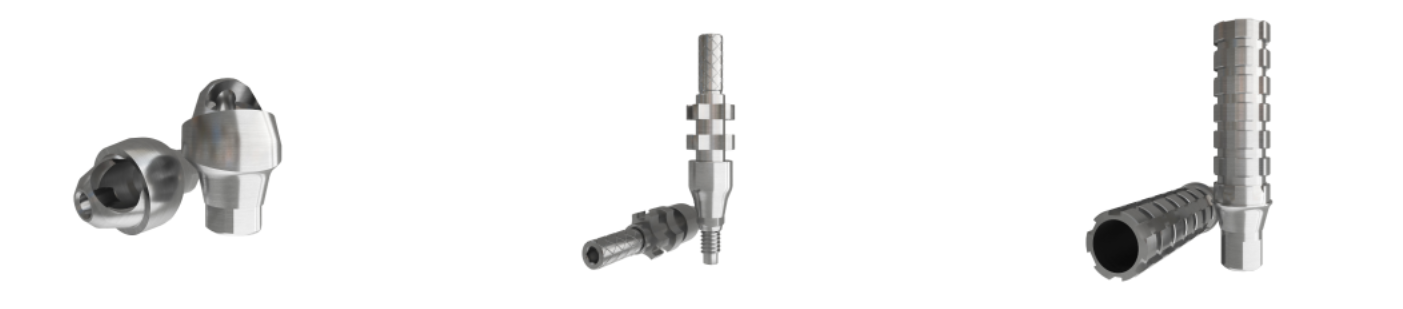
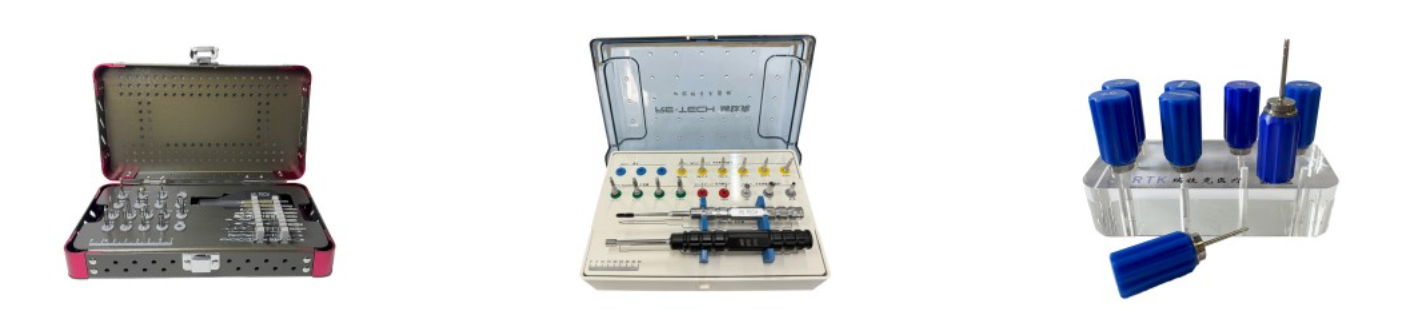
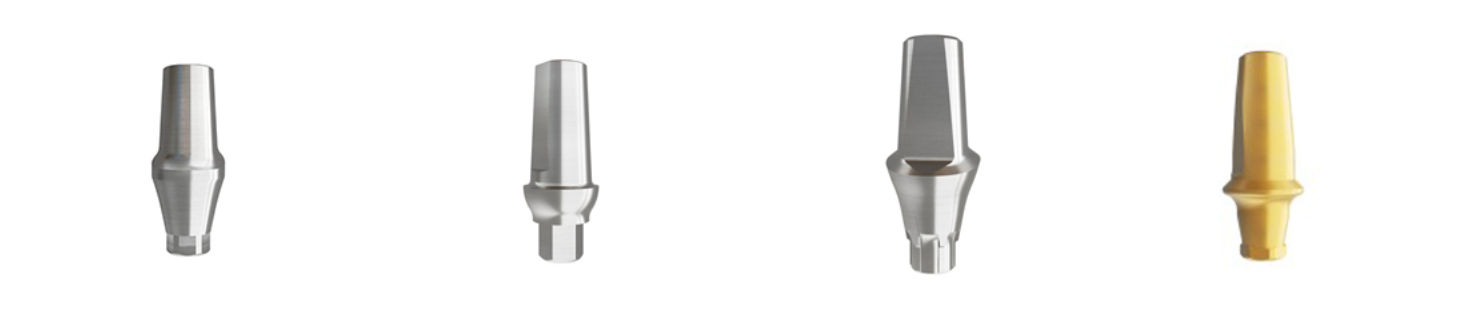
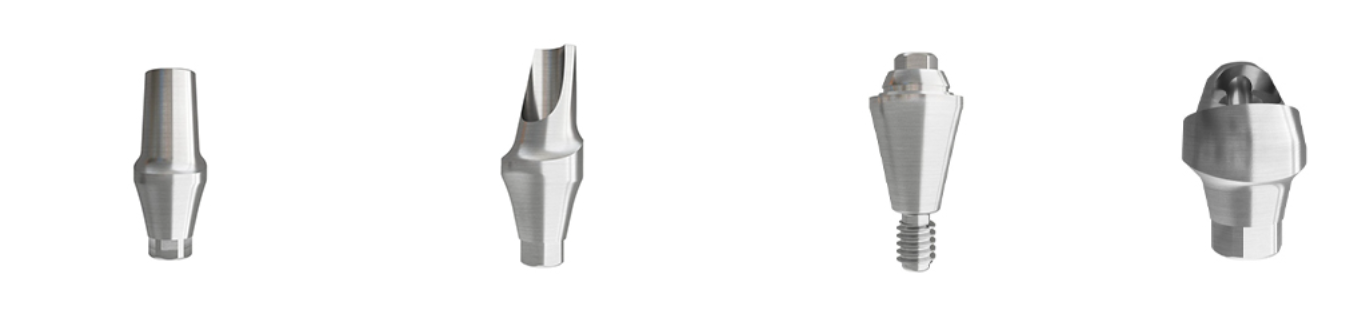
But with dental implants, the clinic is choosing an entire system. This system includes abutments, surgical kits, healing abutments, cover screws, impression components, scan models, simulation models, abutments, screws, drivers, packaging, documentation, and future supplies.
If any part of the system is defective, the clinic may stop using the entire system.
Therefore, a distributor does more than just ship goods. A distributor helps clinics successfully complete cases.
That is where the true value lies.
Many articles talk about “market growth” and “business opportunity.” Those points are true, but they are too general.
In real dealership work, the pain points are much more practical.
A dealer may face problems like these:
Dealer Pain Point | Why It Matters |
Clinics only compare price | It becomes hard to protect profit |
Doctors hesitate to switch systems | First trial is difficult |
Too many SKUs | Stock pressure becomes high |
Missing prosthetic parts | Repeat orders become harder |
Slow factory response | Dealer loses trust locally |
No clear territory protection | Market price becomes messy |
Weak documents | Clinics and hospitals may doubt the system |
No training support | Doctors feel unsure using the system |
Long delivery time | Urgent cases are lost |
Poor packaging or labels | Clinic workflow becomes confusing |
These are not small issues.
For a clinic, one missing component can delay a case.
For a dealer, one delayed case can damage a customer relationship.
For a manufacturer, one weak dealer experience can affect the whole brand in that region.
That is why the dealership model needs to be planned carefully.
Many new distributors make the same mistake.
They ask manufacturers for a complete product catalog and try to sell everything.
At first, this seems professional. A thick catalog makes a strong impression. All the different sizes, abutments, tools, and options.
But in day-to-day sales, too many options actually create problems.
Sales teams become confused. Clinics don’t know how to choose. Inventory costs are high. Slow-moving items tie up capital. When distributors can’t clearly explain the system, dentists lose interest.
A better approach is to start with a focused system.
The implant system should be easy for local dentists to understand. The connection methods shouldn’t feel unfamiliar. The surgical procedure should be clear and straightforward. The prosthetic components should be comprehensive enough to meet the needs of common cases.
At the beginning, the dealer should focus on the products clinics are most likely to use:
l Common implant diameters
l Common implant lengths
l Analogs
This gives the dealer a practical starting point.
The goal is not to show the biggest range. The goal is to help clinics finish real cases without confusion.
A small, clear, well-supported product range is often easier to grow than a large catalog that nobody fully understands.
A dealer can sell almost anything once.
The harder part is repeat sales.
This is especially true in dental implants. A clinic may buy a starter kit because the price is good or because the doctor is curious. But after the first few cases, the clinic will decide whether the system is worth keeping.
The doctor will think about simple things:
Was the implant easy to place?
Were the drills clear?
Did the torque feel stable?
Were the components easy to find?
Could the assistant identify the parts?
Was the prosthetic stage smooth?
Did the dealer reply quickly?
Can I get the same parts again next month?
These questions decide whether a dealership grows.
So when choosing a manufacturer, the dealer should not only look at the implant fixture. The dealer should look at the whole system.
A good implant system helps the dealer create repeat orders. A weak system creates one-time sales and many after-sales problems.
Inventory sounds like a simple business topic. In implant distribution, it is one of the most important parts of the business.
If the dealer has too little stock, clinics wait too long.
If the dealer has too much stock, cash gets stuck.
If the dealer stocks the wrong components, the warehouse looks full but the clinic still cannot finish cases.
That is a common problem.
A smart dealer usually divides stock into three levels.
Core stock includes products that move often. These should be available locally as much as possible.
This usually includes common implant sizes, healing abutments, impression parts, scan bodies, analogs, standard abutments, screws, and basic drivers.
These are the items that protect daily sales.
Support stock includes products that are not used every day but still appear often enough.
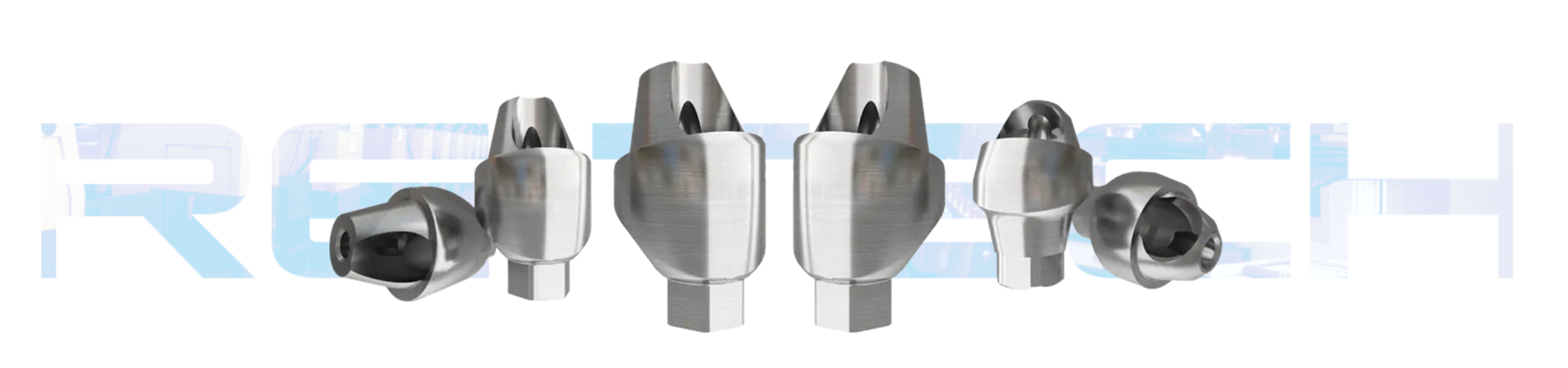
For example, narrow implants, wide implants, angled abutments, temporary abutments, multi-unit abutments, special drivers, or replacement parts.
These products help the dealer support more case types.
Some components are requested only occasionally. The dealer does not need to keep too many in local stock at the beginning. These can be ordered from the factory when needed.
This approach protects cash flow.
In the first six months, the dealer should watch real clinic behavior carefully. Guessing is not enough.
Which implant sizes move fastest?
Which components are requested urgently?
Which doctors use digital workflow?
Which parts stay in stock too long?
Which items cause the most questions?
The answers will help the dealer build better stock.
Good inventory planning makes the dealer look reliable. Poor inventory planning makes even a good product difficult to sell.
Many dealers want a good factory price. That is normal. Without margin, the business cannot grow.
But there is a difference between “reasonable price” and “cheap image.”
If a dealer keeps promoting implants as “cheap,” some clinics may become careful. Dental implants are medical devices. Doctors do not want patients to feel they are using the cheapest possible product.
A stronger message is practical value.
This means the dealer is not trying to be the lowest price in the market. Instead, the dealer is offering a system that gives clinics a better balance:
Reliable quality.
Complete components.
Stable supply.
Local support.
Reasonable cost.
Better profit space.
That message is much stronger for B2B buyers.
A clinic owner does not only ask, “How much is one implant?”
They also ask, “Can I use this system long-term?”
A sub-distributor does not only ask, “What is my discount?”
They also ask, “Can I build a stable business with this product?”
So the dealer’s message should not be:
“We sell low-cost implants.”
A better message is:
“We help clinics access a complete implant system with stable supply, practical support, and a price that fits the local market.”
This sounds more professional and more trustworthy.
Most dentists do not change implant systems quickly.
Even if they are interested, they may hesitate. This is not because they dislike new products. It is because changing systems brings risk.
The doctor needs to learn the surgical kit.
The assistant needs to understand the parts.
The prosthetic workflow may change.
The clinic may worry about missing components.
The patient case cannot be treated like an experiment.
So the dealer needs to make the first trial simple.
A good starter package can help.
It may include:
l Several common implant sizes
l Healing abutments
l Impression components or scan bodies
l Basic abutments
l Screws and drivers
l A surgical protocol
l A simple component guide
l Product catalog
l Clear ordering sheet
The purpose is not just to sell a package. The purpose is to help the clinic complete the first case smoothly.
After the first case, the dealer should not only ask for another order. That feels too sales-focused.
A better follow-up is more natural:
“How did the drilling sequence feel?”
“Were the components easy to identify?”
“Did you need any extra parts during the case?”
“Was the prosthetic workflow smooth?”
“Is there anything we should prepare better for your next case?”
This kind of communication builds trust. It also gives the dealer useful feedback.
Many repeat orders come from good follow-up, not from the first discount.
Some dealers think training is something only big brands can do. That is not true.
Training can start small.
A small group of dentists.
A simple product introduction.
A hands-on model.
A few case photos.
A clear explanation of the components.
That is enough to begin.
Doctors often do not need a complicated lecture. They need practical answers.
Which drill should I use first?
What torque range should I follow?
Which healing abutment matches this implant?
How do I choose the scan body?
What should I prepare for the prosthetic stage?
What if the case needs an angled abutment?
When the dealer can answer these questions clearly, the clinic feels more confident.
Training also changes the relationship. The dealer is no longer just asking for orders. The dealer is helping the clinic use the system better.
For a regional dealership, this is powerful.
Premium brands often have strong education networks. A local dealer may not match that scale at first. But local dealers can do something big brands sometimes cannot do well: respond fast, speak the local language, visit clinics, and solve daily practical problems.
That local closeness can become a real advantage.
Implant pricing can become messy very quickly.
One clinic asks for a discount.
A new customer wants a trial price.
A sub-distributor asks for a lower level.
A large clinic wants special terms.
Another customer compares your price with a different region.
If the dealer has no clear pricing structure, every order becomes a negotiation.
That is risky.
A good dealer should prepare price levels before selling widely.
Price Level | Purpose |
Standard clinic price | For regular clinic customers |
Starter package price | To help clinics try the system |
Volume price | For repeat or larger orders |
Sub-distributor price | For partners who resell locally |
Training bundle price | For product + education packages |
Strategic account price | For large clinic chains or key accounts |
This structure gives the sales team flexibility without damaging the market.
Random discounts may bring short-term orders, but they can hurt long-term trust. If clinics feel prices are unstable, they may keep waiting, bargaining, or comparing.
A dealer should protect margin because margin pays for stock, training, service, staff, local promotion, and after-sales support.
Without margin, the dealer cannot provide good service.
And without service, the dealership becomes just another seller.
The manufacturer is not only a source of products.
For a regional implant dealer, the manufacturer is part of the business foundation.
A dealer should ask practical questions before making a serious decision.
Can the factory keep quality stable between batches?
Can it provide complete prosthetic components?
Can it support OEM or private label packaging?
Can it provide catalog files, certificates, IFU, and traceability information?
Can it keep lead times reasonable?
Can it respond when technical questions appear?
Can it support the dealer when the local market grows?
These questions matter because the clinic sees the dealer first.
If the factory is slow, the dealer looks slow.
If the packaging is unclear, the dealer gets complaints.
If components are incomplete, the dealer loses repeat orders.
If documentation is weak, the dealer struggles with serious buyers.
For distributors who want to build a regional dealership, work with OEM, or develop a private label implant line, RE-TECH Dental, also known as RE-TECH, can be considered as a manufacturing partner. The point is not only the implant fixture. For dealers, system completeness, prosthetic matching, packaging support, documentation, and stable communication are just as important.
A good factory makes the dealer’s work easier. A weak factory turns every small issue into a local customer problem.
Many regional dealers are interested in private label implants.
This makes sense.
A private label gives the dealer more control over the local brand. It can help avoid direct price comparison. It can also make the dealer look more serious in the market.
But private label also brings responsibility.
The dealer needs to think about packaging design, product naming, catalog, warranty policy, training materials, local promotion, and long-term stock planning. Clinics will see the product as the dealer’s brand, so every problem comes back to the dealer.
Private label works better when the dealer already has:
l Good clinic relationships
l A clear target region
l Some marketing ability
l Basic technical knowledge
l A long-term plan
l A reliable manufacturer behind the product
If the dealer only wants to test the market, selling under the manufacturer’s brand may be easier at first.
If the dealer wants to build a stronger local identity, private label can be useful in the next stage.
The key is not to rush.
A brand is not only a logo on a box. A brand is what clinics experience after they use the product.
In B2B implant sales, documents matter.
Some clinics may not read everything in detail, but they still want to see that documents exist. Larger clinics, hospitals, and distributors may ask even more questions.
A dealer should prepare basic materials before heavy promotion.
Useful materials include:
l Product catalog
l Implant size chart
l Prosthetic component chart
l Surgical protocol
l Packaging photos
l IFU or user instructions
l Certificate list
l Batch traceability information
l Warranty or replacement policy
l Starter kit proposal
l Training slides
l FAQ sheet
These materials make the dealer look organized.
They also help the sales team. If every salesperson explains the system differently, customers may feel unsure. Clear materials keep the message consistent.
The best documents are not always the longest ones. Busy doctors prefer simple, clear, practical information.
A component chart that helps them find the right abutment may be more useful than a beautiful but complicated catalog.
Many implant dealers post product pictures every day.
Implants on a table.
Boxes in a warehouse.
A surgical kit photo.
A price promotion.
These posts may get some attention, but they do not always attract serious B2B buyers.
Better content talks about real problems clinics and dealers face.
For example:
l How to choose implant sizes for common cases
l What components a clinic needs for a complete implant workflow
l How scan bodies support digital restoration
l How dealers should plan implant inventory
l Why prosthetic parts decide repeat orders
l How clinics can avoid delays from missing components
l How to compare premium and mid-range implant systems
l What to check before choosing an implant supplier
This kind of content feels useful. It also helps Google understand the website better.
For a dental implant factory, B2B content should not only explain what an implant is. It should help potential distributors make better purchase and business decisions.
That is the difference between educational content and commercial-value content.
A student may search for definitions.
A buyer searches for solutions.
A dealer searches for profit, supply, stock, support, and market growth.
Your content should speak to the buyer.
A dealership does not need to become big immediately.
A slow and clear start is often safer.
Choose the supplier. Learn the product system. Prepare catalogs, price structure, starter package, and basic stock.
At this stage, the team should understand the connection, sizes, components, surgical kit, and prosthetic workflow.
Do not rush into too many SKUs.
Visit clinics. Introduce the system. Offer starter packages. Arrange small training sessions. Collect feedback.
This stage helps the dealer understand local objections.
Some doctors may ask about clinical use. Some may care about price. Some may care about prosthetic convenience. Some may ask about documents.
Write these questions down. They will become future sales materials.
Support clinics that already tried the system. Follow up on cases. Keep the right parts in stock. Improve delivery speed. Identify fast-moving sizes.
This is where the dealer starts to see which customers are serious.
Repeat orders are more valuable than one-time orders.
Once several clinics use the system regularly, the dealer can consider more stock, more training, local sub-distributors, or private label development.
Expansion should follow real demand. Growing too fast can create stock pressure. Growing too slowly may give competitors space.
A steady pace is usually better.
Many new dealers make similar mistakes.
The first mistake is only competing on price. Price can open the door, but it rarely keeps the clinic long-term.
The second mistake is ignoring prosthetic components. The implant fixture gets attention, but abutments, scan bodies, analogs, screws, and drivers create repeat use.
The third mistake is buying too many SKUs too early. This increases stock pressure and makes the system harder to manage.
The fourth mistake is weak after-sales response. In implant cases, delays can create real stress for clinics.
The fifth mistake is unclear pricing. If every customer gets a different price for no clear reason, the market becomes difficult to control.
The sixth mistake is choosing a factory only because the price is low. A supplier with poor communication, incomplete components, or unstable lead time can damage the dealer’s reputation.
The seventh mistake is treating marketing like advertising only. Good B2B content should help customers understand how to grow their own business.
A strong dealer solves problems before customers lose patience.
That is the real difference.
Start with a reliable implant manufacturer and a focused product range. Prepare core stock, a clear catalog, pricing structure, starter packages, and simple training materials. It is better to start with common sizes and complete basic components instead of buying too many SKUs at once.
A new dealer should usually stock common implant diameters and lengths, healing abutments, cover screws, impression components, scan bodies, analogs, basic abutments, screws, drivers, and surgical kits. These products support real clinical cases and help create repeat orders.
Make the first trial easy and low-risk. Offer a starter package, provide a clear surgical protocol, explain the prosthetic workflow, and follow up after the first case. Clinics are more likely to continue when the first experience feels smooth and supported.
Private label can be a good option if the dealer wants to build a local brand and already has clinic relationships. But it also requires more responsibility in packaging, documentation, training, and after-sales service. For new dealers, starting with the manufacturer’s brand may be easier.
Implant treatment does not end with the fixture. Clinics need healing abutments, scan bodies, impression parts, analogs, abutments, screws, and drivers. If these parts are not available, treatment may be delayed. Good component availability helps dealers win repeat orders.
Exclusivity can help protect the market, but it also brings responsibility. Before asking for exclusivity, the dealer should discuss territory, sales targets, stock requirements, marketing support, and supply stability with the manufacturer.
A good supplier should provide stable product quality, complete components, clear documents, reasonable lead time, packaging support, and fast communication. For dealers, supplier reliability is just as important as product price.
In most cases, success comes from stable supply, complete components, local stock, clinic training, fair pricing, fast support, and long-term trust. A dealer who only sells on price may get attention at first, but a dealer who helps clinics solve real problems is more likely to keep customers.
A regional implant dealership is not built in one order.
It grows slowly.
One clinic tries the system.
One doctor finishes a case smoothly.
One assistant learns the components.
One urgent part is delivered on time.
One dealer follows up after surgery.
One customer orders again.
That is how trust builds.
For distributors, the opportunity is not only in selling implants. The bigger opportunity is building a local system that clinics can rely on.
The dealer who understands product selection, stock planning, clinic support, pricing, training, and supplier cooperation will have a better chance to grow in the region.
A good implant product opens the door.
Good support keeps the clinic.
Stable supply protects the business.
Trust builds the dealership.