![[slide:title]](/static/upload/other/20260512/1778551853592214.webp)
![[slide:title]](/static/upload/other/20260512/1778551954982306.webp)
Time:2026-06-03 Form:本站
Best Dental Implant Systems for Private Label and OEM Business
Selecting the best implant system for a private label or OEM business differs from choosing one for a single dental practice. Clinicians may focus primarily on ease of use, initial stability, the prosthetic workflow, and clinical outcomes. Distributors, trading companies, dental brand owners, or regional implant suppliers, however, must take a broader view: Can the system be sold under a local brand? Is the prosthetic range comprehensive enough? Can the manufacturer ensure a stable supply? Are the labeling, packaging, certifications, and documentation suitable for the target market? After accounting for marketing costs, registration fees, inventory pressure, and after-sales support costs, can the business remain profitable?
For this reason, when it comes to OEM or private-label businesses, the “best” implant system is not always the most well-known, the most expensive, or the cheapest. The optimal choice is typically the system that offers buyers the right balance between clinical reliability, manufacturing consistency, brand flexibility, prosthetic integrity, regulatory support, and commercial profitability.
For B2B buyers, especially those planning to build their own implant brand, the real question is not simply “Which implant is best?” but rather: “Which implant system can become a stable, scalable, and competitively differentiated product line in my market?”
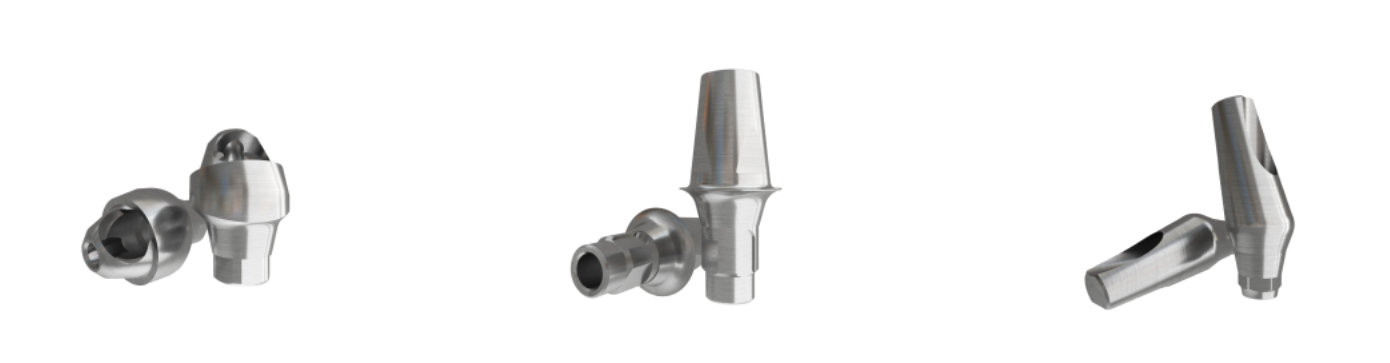
In the dental implant industry, “private label” typically refers to a partnership between a buyer and a manufacturer to sell dental implants and related components under the buyer’s own brand name. The manufacturer is responsible for producing the products, while the buyer focuses on market development, distribution, customer relationship management, and brand positioning.
The scope of OEM (Original Equipment Manufacturing) is broader. In some cases, the buyer selects an existing implant system from the manufacturer and customizes the packaging, labeling, and branding. In other cases, OEM partnerships may involve deeper customization, such as adjustments to implant design, specialized prosthetic components, kit configurations, surface treatment preferences, or documentation support.
However, dental implants are classified as medical devices. Private-label and OEM operations cannot be treated like ordinary consumer goods. Quality management, traceability, technical documentation, biocompatibility, sterilization, labeling, and post-market responsibilities are all critical. ISO 13485 is widely recognized as the quality management system standard for medical device design and manufacturing companies, while ISO 10993-1 is used for biocompatibility assessment of medical devices within a risk management framework.
This means that serious OEM buyers should not merely request product catalogs and price lists; they should also inquire about specific processes related to the system’s manufacturing, inspection, packaging, documentation, and after-sales support.
An implant is not just a screw; it is part of a system. A complete implant system typically includes the implant, cover screw, healing abutment, impression cap, scan abutment, simulation abutment, temporary abutment, straight abutment, and angled abutment.
For private-label brands and OEM buyers, this systematic approach is crucial. Low-cost implant abutments may seem attractive at first glance, but if the restoration components are incomplete, the drivers are unreliable, there is a lack of digital library support, or spare parts are difficult to obtain, the brand will struggle in the market.
Dentists do not want to switch systems frequently. Clinics prefer systems that are easy to master, simple to restore, and convenient to restock. Distributors, meanwhile, tend to choose systems that reduce complaints, simplify inventory management, and promote repeat sales. Therefore, the best OEM implant system is not simply the one with the lowest price per implant, but rather a system that creates sustainable value throughout the entire process—from surgery and restoration to inventory management and after-sales support.
A high-quality OEM implant system should have a clear design philosophy. Is it designed for routine daily implant procedures? Is it specifically designed for immediate loading? Is it optimized for soft bone? Is it targeted at emerging markets that prioritize value for money? Is it positioned to compete with high-end systems, or does it offer a reliable mid-range alternative?
Buyers should understand the implant body shape, thread design, tip design, platform options, and connection types. Tapered implants may be attractive in many clinical situations due to their ability to provide initial stability, while parallel-wall designs may be preferred by clinicians who favor traditional operating procedures. Steep thread designs may offer advantages in soft bone, but this must be balanced against drilling protocols and clinical control. Internal tapered connections may help enhance prosthesis stability, while hexagonal systems may be preferred in markets that prioritize compatibility and familiarity.
Designs do not need to be touted as “state-of-the-art” in marketing messaging. They need to be logically consistent, clinically understandable, and commercially viable.
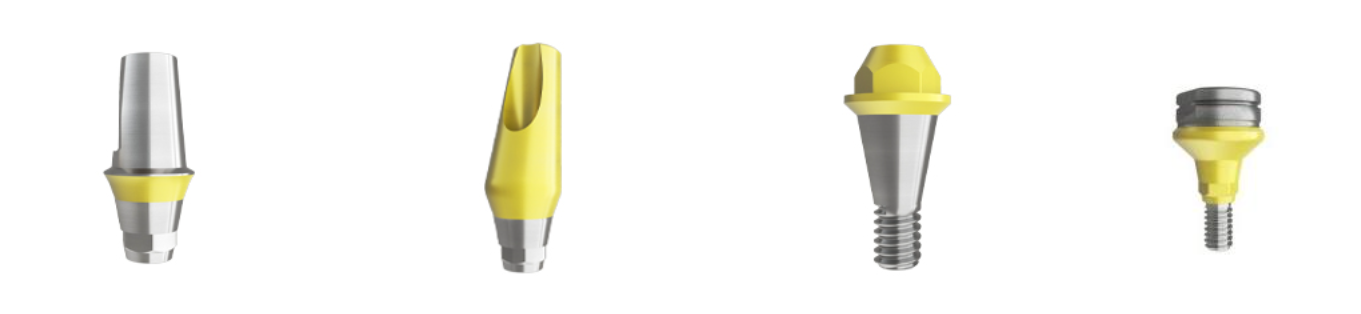
Many OEM buyers underestimate the importance of a comprehensive restoration solution. They often focus solely on the diameter and length of the implant, but dentists typically evaluate a system based on the ease of restoration.
An excellent private-label implant system should include sufficient restorative options to meet daily clinical needs. This typically includes healing abutments for different gingival heights, impression kits, scan models, simulation models, straight and angled abutments, temporary abutments, multi-unit restoration solutions, and support for digital workflows.
For many B2B buyers, compatibility is equally critical. Some markets prefer systems compatible with existing prosthetic platforms, as this reduces the learning curve for dentists and dental laboratories. However, compatibility issues must be handled with care. A system should not create confusion regarding the original brand identity, nor should it rely on vague marketing claims. A wiser strategy is to clearly and transparently detail the platform type, connection design, restoration workflow, and available components.
Surface treatment is one of the most critical steps in implant manufacturing. Purchasing professionals often encounter terms such as SLA, RBM, sandblasted and acid-etched surfaces, hydrophilic surfaces, or bioactive surfaces. However, for OEM operations, the key issue is not merely the name of the surface treatment, but whether the manufacturer can consistently control the process.
Surface roughness, cleanliness, residual particles, packaging conditions, and sterilization procedures must all be strictly controlled. While the surface finish shown in product brochures may be satisfactory, B2B buyers should ask manufacturers if they can provide inspection records, process control information, and batch traceability data.
In many markets, dentists are becoming increasingly knowledgeable. They may ask questions regarding surface morphology, cleaning, sterilization, and clinical reliability. Private-label brands must be prepared to answer these questions. This is one of the reasons why selecting a manufacturing partner with a transparent quality control system is more important than choosing the lowest price.
When products enter regulated markets, the private-label dental implant business will face stricter regulatory requirements. In the United States, the FDA’s guidance on intraosseous dental implants and intraosseous dental implant abutments includes performance criteria that can be used to support the “safety and performance-based approval pathway” for specific 510(k) submissions. In the European market, private-label partnership arrangements must be carefully reviewed, as Article 16 of the EU Medical Device Regulation (MDR) may affect whether importers, distributors, or other parties are deemed to assume manufacturer obligations when placing medical devices on the market under their own name or trademark.
This does not mean that every buyer must immediately become a regulatory expert, but it does mean that buyers must not overlook this issue. Before launching private-label implants, buyers should clarify the following: who is the legal manufacturer, whose name appears on the label, who owns the technical documentation, who is responsible for post-market surveillance, and what documentation is available for local registration.
A professional OEM supplier should be able to provide buyers with support—including product specifications, material information, sterilization information, packaging details, certificates, batch records, and technical documentation—within the agreed scope of business.
High-end global implant systems are renowned for their long clinical history, widespread brand recognition, and established educational networks. They are typically trusted by experienced clinicians and large dental practices. However, for private-label and OEM companies, these systems are often not the ideal choice, as they are built on the foundation of their own brand value, distribution control, and a protected product ecosystem.
For distributors, while selling premium systems can enhance credibility, profit margins may be limited, pricing flexibility may be restricted, and brand ownership remains with the original manufacturer. For companies seeking to build their own implant brands, premium systems are generally better suited as market benchmarks rather than as a foundation for OEM partnerships.
In price-sensitive markets, low-cost systems can be extremely attractive. They help new distributors enter the market quickly, especially when dentists are seeking affordable alternatives. However, low prices alone are not enough. If the restoration product line is limited, packaging is inconsistent, documentation is incomplete, or there are variations in product quality across different batches, buyers may face complaints, returns, and damage to their brand reputation.
Low-cost implants may secure the first order, but only a stable system can generate repeat business. For OEMs, the value of repeat orders far outweighs the one-time price advantage.
For many private-label buyers, a mature, mid-range, OEM-ready implant system is the most practical choice. Such systems typically combine satisfactory clinical design, competitive pricing, flexible branding options, reasonable prosthetic options, and a scalable supply chain.
This category is particularly well-suited for emerging dental markets, regional distributors, dental chains, and companies seeking to establish their own brands without incurring the high cost structure associated with premium global systems. The key lies in selecting a manufacturer that not only supplies the products but also provides support for packaging, labeling, catalog content, training materials, and long-term component supply.
Fully customized systems may be suitable for experienced companies with deep technical expertise, compliance capabilities, and long-term market planning. While this approach enables differentiation, it also requires a greater investment of time, testing, documentation, and funding.
Purchasers should maintain a realistic perspective. Customizing implants, connectors, surface treatments, or prosthetic platforms is not merely a design project. It can impact mechanical testing, compatibility, manufacturing tools, inventory, regulatory approval, and post-market support. For many purchasers, starting with a proven, OEM-ready system and gradually adding customization is a more prudent approach than creating an entirely new system from scratch.
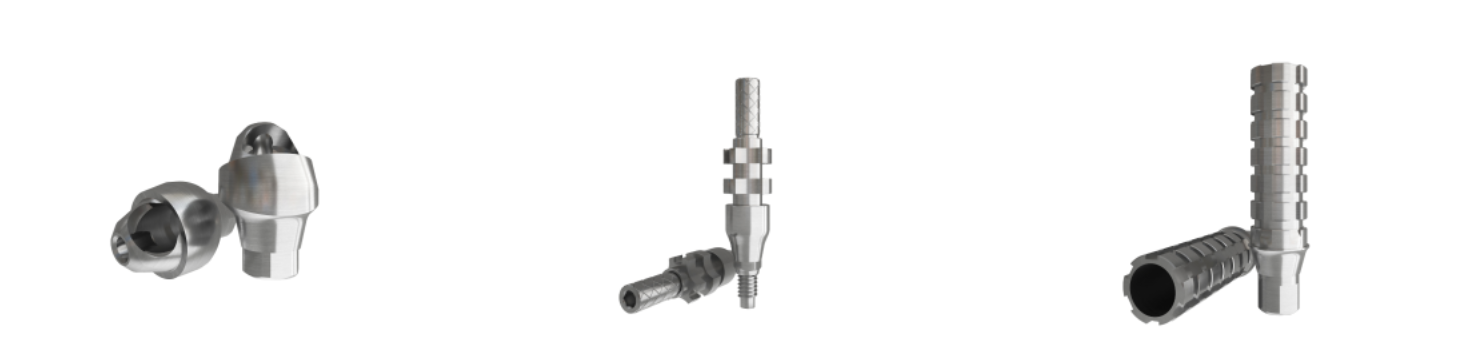
Generally, the ideal system should meet the following five criteria.
First, it must be clinically intuitive. Dentists should be able to clearly understand the surgical protocol, connection types, restoration workflow, and indications without confusion.
Second, it must have a comprehensive commercial ecosystem. Suppliers should not only be able to sell implants but also provide healing abutments, impression components, scan models, simulation models, abutments, drills, and kits. This helps increase repeat business and reduces the risk of dentists abandoning the system due to the lack of a specific component.
Third, production must be consistent. Aspects such as diameter, thread geometry, connection tolerances, surface treatment, packaging, and sterilization should ensure consistency across batches.
Fourth, it must support brand building. Suppliers should provide private-label packaging, logo support, catalog information, labels, and a product naming system to help buyers establish a professional market image.
Fifth, comprehensive documentation must be provided. For B2B buyers, the availability of certificates, batch traceability, product specifications, and registration-related documents may be just as important as the products themselves.
In practice, the best private-label implant systems are typically mid-range, OEM-compatible, internally connected systems that feature a complete range of restorations, stable surface treatment processes, predictable supply capabilities, and sufficient flexibility for local brand development.
Purchasers should evaluate manufacturers as they would long-term business partners, rather than simply viewing them as product suppliers.
A good first step is to review the product line. Does the manufacturer offer implants in different diameters and lengths? Are narrow, standard, and wide platforms available? Is the range of prosthetic components complete? Are surgical kits included? Are there digital components?
The second step is to review quality control. Inquire about raw material selection, CNC machining, cleaning, surface treatment, inspection, sterilization, and packaging. Suppliers who can clearly explain their production processes are typically more reliable than those who merely offer low prices.
The third step is to review brand support. Can the manufacturer provide private-label packaging? Can they assist with instructions, labels, product codes, and catalog structure? Can they help buyers avoid product naming confusion?
The fourth step is to review business support. Can they maintain stable inventory levels? Can they ensure continuous supply? Can they support small-batch trial orders before scaling up? When a dentist requests specific prosthetic components, can they respond quickly?
This is precisely the area where manufacturers like RE-TECH Dental naturally excel. For buyers seeking OEM or private-label implant solutions, the value lies not only in the implant abutments themselves, but also in the ability to systematically integrate implant design, prosthetic components, packaging support, and B2B supply partnerships.
A common mistake is choosing a system based solely on the price of the implant abutments. While low-cost abutments may seem profitable on paper, overall business costs can actually be higher if the prosthetic components are expensive, the selection is limited, or the supply is unreliable.
Another mistake is neglecting the prosthetic workflow. Dentists typically adopt new implant systems only if the prosthetic procedures are straightforward. If scan models, simulation models, multi-unit abutments, or angled abutments are difficult to obtain, the system’s appeal is significantly diminished.
The third mistake is unclear brand liability. Some buyers wish to use their own trademarks but do not understand who bears legal responsibility for the product in the target market. This can lead to regulatory and commercial risks, particularly in markets with stricter regulations.
The fourth mistake is launching too many SKUs at once. A new private-label brand does not need to cover every possible diameter, length, and component on its first day of launch. A wiser strategy is to start with the most commonly used sizes and restorative components, then expand based on actual market demand.
The fifth mistake is insufficient educational support. Even an excellent implant system requires clear product catalogs, surgical protocols, restoration guidelines, and product instructions. Dentists and dental laboratories need to build sufficient confidence before switching to a new brand.
For a new private-label implant brand, the initial product line should be concise yet comprehensive. A practical initial product line might include common implant diameters (such as narrow, standard, and wide) as well as several popular lengths. The system should include cover screws, healing abutments, impression caps, scan bodies, simulation models, straight abutments, angled abutments, multi-unit abutments, drills, implant drivers, and surgical kits.
The goal is not to offer the most extensive product catalog from day one, but rather to cover the vast majority of routine clinical cases while keeping inventory manageable. Once distributors understand which specifications are best-selling in their local markets, they can gradually expand the product line.
This strategy helps distributors reduce slow-moving inventory, improve cash flow, and earn the trust of dentists. At the same time, it allows OEM manufacturers to support distributors more efficiently.
A private-label implant system requires more than just a logo. What dentists truly need is trust. And trust stems from consistency, documentation, education and training, and service.
The product catalog should clearly outline implant connection methods, dimensions, indications, surgical protocols, restorative protocols, and compatibility guidelines. Packaging should look professional and provide clear product information. Labels should be consistent and easy to read. Product codes should be simple enough to allow clinics and distributors to restock accurately.
Training materials are equally crucial. Even brief guidelines on drilling sequences, torque recommendations, healing abutment selection, impression-taking procedures, and the use of scanned models can make the system easier to adopt.
For B2B buyers, after-sales service is an indispensable component of the product. When a dentist inquires about a specific component, the distributor must be able to identify it quickly; when a clinic requests replacement parts, the distributor must be clear on inventory status; and when a laboratory seeks advice on scanned models or try-in models, the system must provide clear answers.
For this reason, a strong OEM partner not only helps buyers procure inventory but also assists them in building their brand.
Private label typically refers to the sale of existing manufacturers’ implant systems under the buyer’s own brand, whereas OEM may involve a broader range of collaborations, such as custom packaging, product configuration, component selection, or design modifications. In either case, implants remain regulated medical devices; therefore, quality control, documentation, labeling, and traceability are of the utmost importance.
For most new B2B buyers, a mid-range, OEM-compatible dental implant system is the most practical choice. The system should feature a reliable manufacturing process, a comprehensive range of prosthetic products, professional packaging support, and sufficient flexibility to meet brand customization needs.
While high-end systems are easier to position in the premium market, they may require stronger marketing and training support. Although low-cost systems may sell quickly in price-sensitive markets, their quality, documentation, and parts availability must be carefully verified. The best choice is typically a balanced system that enhances clinical confidence while ensuring commercial profitability.
Dentists don’t just use implants. They also need healing abutments, impression kits, scan models, simulation models, abutments, drivers, and sometimes multi-unit solutions. If these components are out of stock or difficult to restock, it becomes much harder to sell the system.
In many cases, while private-label promotion is possible, the associated legal and regulatory responsibilities depend on the target market, labeling structure, and commercial agreements. In regulated markets, buyers should clarify the respective roles of the manufacturer, importer, distributor, and brand owner before the product is launched.
Start by evaluating product quality based on samples, inspecting packaging and documentation, testing the repair workflow, and confirming component availability, beginning with a key SKU series. Rather than purchasing too many slow-moving SKUs right from the start, launch a smaller but fully functional system first.
Please inquire about the following: implant design, surface treatment, materials, manufacturing processes, quality control, sterilization, packaging, certifications, batch traceability, private label support, minimum order quantities, lead times, and long-term component supply.
For private label and OEM businesses, the optimal implant system is not determined by a single characteristic, but rather by a balance between clinical applicability, manufacturing consistency, the comprehensiveness of restoration options, documentation support, brand flexibility, and long-term supply stability.
For distributors and brand owners, the wisest strategy is to avoid making decisions based solely on price. Instead, they should assess whether the system can truly support market growth: Can dentists understand it? Can clinics easily restock? Can dental laboratories process restorations smoothly? Can brand owners professionally handle registration, packaging, marketing, and after-sales support?
A reliable OEM implant system should help buyers build a product line, not just procure components. For companies exploring private-label implant opportunities, partnering with an experienced manufacturer like RE-TECH Dental offers a viable path to integrating implant products, restorative components, packaging support, and B2B collaboration into a scalable brand strategy.