![[slide:title]](/static/upload/other/20260512/1778551853592214.webp)
![[slide:title]](/static/upload/other/20260512/1778551954982306.webp)
Time:2026-05-09 Form:本站
Best Dental Implants for Clinics: Cost vs Performance Guide for Smarter Implant Selection
Choosing the best dental implants for a clinic is not as simple as choosing the most expensive brand or the cheapest supplier. For a dental clinic, the real question is:
which implant system delivers predictable clinical results, smooth restorative workflow, reasonable inventory cost, and long-term supply stability?
That is why “cost vs performance” is often a better decision framework than “premium vs budget.” A low-cost implant that causes prosthetic complications, delayed delivery, screw loosening, limited component options, or inconsistent surface quality may become expensive very quickly. At the same time, a premium implant system may not always be necessary for every case, especially for routine posterior restorations, price-sensitive markets, or clinics that need to treat a larger number of patients efficiently.
Dental implants are medical devices placed in the jaw to support artificial teeth such as crowns, bridges, or dentures. A complete implant system usually includes the implant body, abutment, and abutment fixation screw, and implant treatment can improve chewing function, esthetics, and quality of life when properly planned and maintained. However, complications such as infection, poor healing, screw loosening, or implant failure can still occur, so clinics should evaluate both clinical performance and supplier reliability before choosing a system.
This guide explains how clinics, group practices, distributors, and procurement teams can compare dental implant systems from a practical B2B perspective.
For patients, “best implant” often means a well-known brand or a treatment that lasts a long time. For clinics, the meaning is broader.
A clinic needs an implant system that works across many real-world conditions: different bone densities, different clinician skill levels, different restorative workflows, different patient budgets, and different inventory limitations. The best implant for a clinic is not always the implant with the strongest marketing reputation. It is the system that creates the best balance between:
l Clinical predictability
l Prosthetic flexibility
l Reasonable case cost
l Simple surgical and restorative workflow
l Fast access to components
l Documentation and traceability
l Reliable after-sales support
l Patient affordability
This is why many clinics use more than one implant system. A premium system may be selected for complex esthetic cases, demanding full-arch cases, or patients who specifically request a global brand. A value-based implant system may be used for routine single-tooth restorations, molar cases, local-market pricing, or clinics that need stronger cost control.
The smarter question is not
“Which brand is the best?”
but
“Which implant system is best for this clinic’s case mix, budget model, and long-term service needs?”
Many clinics compare implant systems only by unit price. That is a mistake.
The implant fixture price is only one part of the total cost. A clinic should evaluate the total treatment and operating cost behind each system.
A more useful formula is:
Real Implant Cost = Fixture Price + Prosthetic Component Cost + Surgical Kit Cost + Inventory Cost + Training Cost + Chairside Time + Complication Risk + Supply Risk
This is where the cheapest option may not be the most economical. If a clinic saves money on the implant body but later faces delayed abutment supply, unclear compatibility, repeated prosthetic remakes, or poor screw stability, the actual cost increases.
On the other hand, the most expensive system may also not be the most efficient choice for every clinic. If a clinic mainly handles routine healed-ridge cases with standard crowns and bridges, a well-manufactured mid-range implant system with reliable surface treatment, stable connection design, and complete prosthetic options may deliver a better return on investment.
A good implant procurement decision should therefore look at cost per successful restored case, not simply cost per implant.

Most implant systems used by clinics fall into four broad categories.
Premium implant brands are often chosen for complex cases, high-end patients, esthetic-zone restorations, academic settings, or clinics that rely heavily on brand recognition. Their advantages usually include strong clinical documentation, broad restorative libraries, training resources, digital workflow support, and global recognition.
However, their cost can be high. For clinics in competitive markets, this may reduce treatment acceptance among price-sensitive patients. Premium systems can also require higher inventory investment because original prosthetic components, impression parts, scan bodies, and surgical tools may be expensive.
Premium implants make sense when brand confidence, specialist-level case planning, and long-term restorative ecosystem support are more important than price.
Value-based implant systems are designed to provide reliable clinical and prosthetic performance at a more accessible cost. They are especially attractive for general dental clinics, distributors, dental chains, and growing practices that need predictable quality without premium-level pricing.
The best value systems are not “cheap implants.” They are systems with stable manufacturing, controlled surface treatment, clear prosthetic compatibility, complete component options, and regulatory documentation. This category is often where clinics can achieve the strongest cost-performance balance.
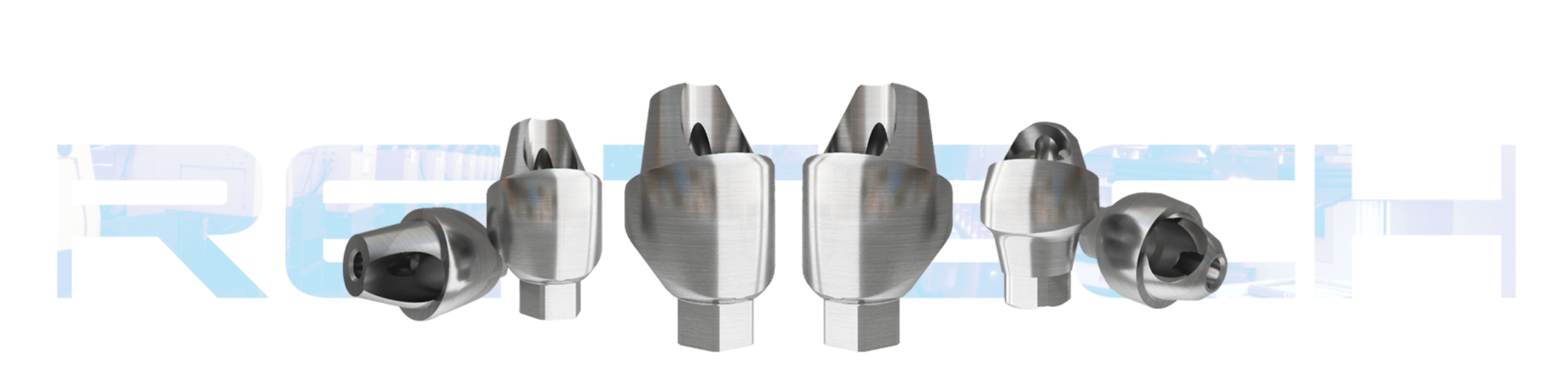
For example, clinics and distributors evaluating value implant options may consider systems such as RE-TECH when they need factory-direct supply, OEM/private label flexibility, and practical component availability for routine clinical workflows. The key is not only the brand name, but whether the supplier can support consistent quality, traceability, prosthetic completeness, and stable delivery.
Low-cost systems can be useful in certain markets, especially where patient affordability is the main barrier to implant treatment. However, clinics should be careful. A low price alone does not prove value.
Before using a low-cost system, clinics should check whether the manufacturer provides reliable material information, surface treatment data, batch traceability, prosthetic compatibility, torque recommendations, packaging quality, sterilization information, and after-sales support.
If the supplier cannot provide clear documentation, the low price may create long-term risk. Clinics should avoid systems where components are difficult to reorder, prosthetic libraries are incomplete, or compatibility claims are vague.
Some cases require specialty solutions, such as narrow implants, short implants, tissue-level implants, ceramic implants, immediate placement systems, or full-arch-specific workflows. These systems should not be selected only based on cost. They should be selected based on indication, clinician experience, prosthetic plan, and available evidence.
Specialty systems can be very valuable, but they should not become the clinic’s default implant choice unless the case mix truly requires them.
Implant Category | Best For | Main Advantages | Main Risks | Cost-Performance Potential |
Premium global systems | Complex cases, esthetic cases, high-end patients | Strong brand trust, broad ecosystem, training support | High cost, higher inventory burden | High for specialist/high-fee cases |
Value-based systems | General clinics, routine cases, dental chains, distributors | Good balance of quality, cost, supply, and flexibility | Requires supplier verification | Very strong if documentation and components are complete |
Low-cost generic systems | Highly price-sensitive markets | Low upfront cost | Possible inconsistency, limited support, unclear compatibility | Unstable unless supplier is well verified |
Specialty systems | Narrow ridge, full arch, esthetic zone, ceramic preference | Case-specific solutions | Higher training and inventory needs | Strong only when used for correct indications |
Most dental implant systems are made from titanium or zirconium oxide, and some systems may use titanium alloys, cobalt-based alloys, ceramics, or other materials depending on the component type. International standards such as ISO and ASTM are commonly used to evaluate materials and safety, including biocompatibility testing.
For clinics, the key question is not only “Is it titanium?” but also:
· What titanium grade or alloy is used?
· Is the surface treatment controlled and repeatable?
· Can the supplier provide material certificates?
· Is the implant body manufactured with consistent dimensional control?
· Is the packaging and sterilization process clearly documented?
A good implant system should give the clinic confidence that every batch is consistent.
Implant surface treatment plays an important role in osseointegration. Many modern implant systems use roughened surfaces, such as SLA-type surfaces, RBM surfaces, sandblasted/acid-etched surfaces, or hydrophilic surface modifications.
Clinics do not need every surface to be described with fancy marketing words. What matters is whether the surface is clean, repeatable, and supported by proper manufacturing control. A surface that looks impressive in brochures but lacks process consistency can create uncertainty.
For B2B buyers, it is worth asking suppliers for surface treatment descriptions, SEM images if available, cleaning process information, and quality control procedures.
The implant-abutment connection has a direct influence on restorative stability. Internal hex, conical connection, Morse taper, and hybrid connection designs are common in the market.
A stable connection may help reduce micromovement, screw loosening, and prosthetic complications. But connection design should also be practical. If a clinic uses a system with limited abutment options or unclear compatibility, restorative workflow becomes harder.
Clinics should evaluate:
l Connection type
l Torque recommendation
l Screw design
l Platform switching options
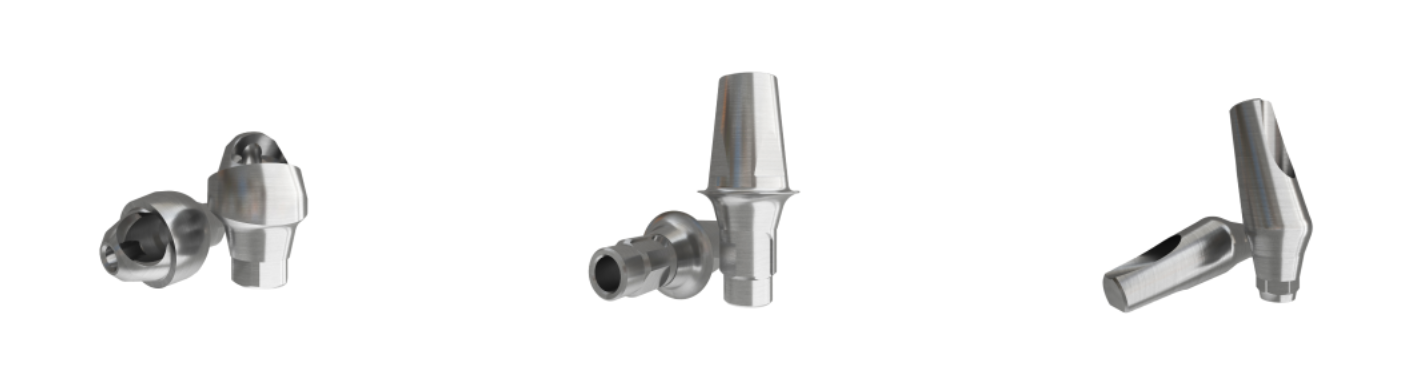
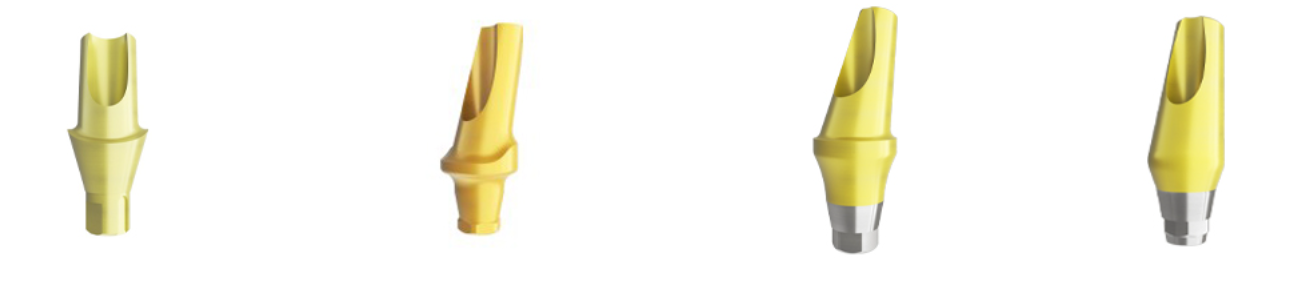
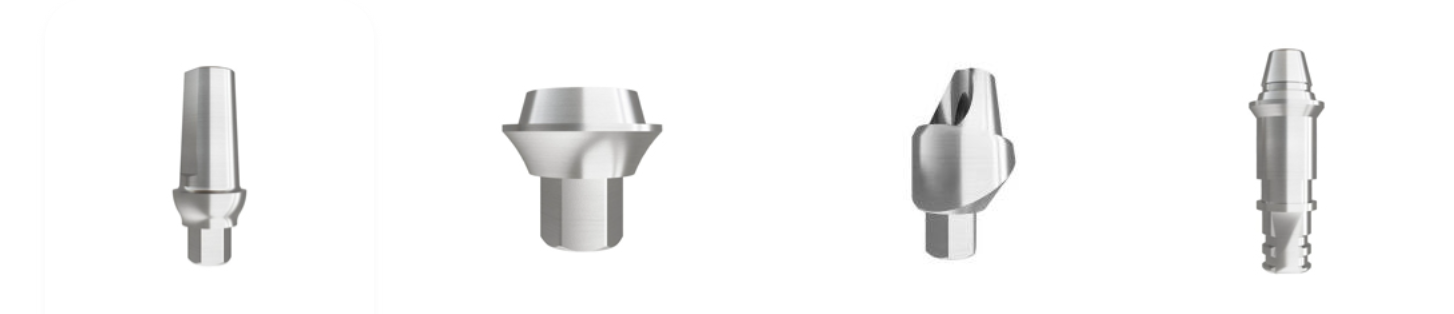
l Availability of straight and angled abutments
l Multi-unit abutments
l Scan bodies
l Ti bases
l Impression copings
l Healing abutments in multiple heights
A clinically reliable implant system is not just a fixture. It is a complete restorative ecosystem.
For modern clinics, digital compatibility is no longer optional. A clinic may need scan bodies, libraries for CAD/CAM workflows, Ti bases, custom abutment support, guided surgery options, and clear instructions for lab partners.
A system with a low fixture price but poor digital support may slow down the clinic and create frustration for dentists, technicians, and patients.
This is one reason value-based implant systems must be evaluated carefully. A good factory-direct system should not only provide implants, but also provide prosthetic components, digital workflow support, and stable part availability.
Dental implants can have high long-term survival when cases are properly selected, placed, restored, and maintained. A 2019 systematic review of contemporary implant systems reported a 10-year implant-level survival estimate of 96.4% in the traditional analysis, while a sensitivity analysis accounting for missing data estimated 93.2%.
For clinics, this does not mean every implant system or every patient will achieve the same result. Survival depends on many factors, including patient health, smoking, oral hygiene, bone condition, surgical technique, prosthetic design, occlusion, maintenance, and the quality of the implant system.
The practical lesson is this: clinics should not choose implants based on price alone. Long-term performance comes from the combination of product quality, case planning, clinician skill, restorative design, and patient maintenance.
A cheap implant becomes expensive when it creates hidden costs.
Common hidden costs include:
l Extra chairside time
l Difficulty finding compatible abutments
l Lab remakes
l Screw loosening
l Poor scan body availability
l Delayed delivery of components
l Confusing torque values
l Lack of batch traceability
l Unclear warranty handling
l Limited clinical support
Imagine a clinic saves money on 100 implants, but later has repeated restorative delays because the supplier cannot provide the right angled abutments or scan bodies. The clinic loses time, patient trust, and possibly case acceptance. That loss can be much larger than the original savings.
This is why clinics should compare implant systems based on workflow reliability, not just product price.
Premium implants may be worth the investment in several situations.
First, they can be useful for demanding esthetic cases where the patient has high expectations and the clinician wants maximum confidence in the restorative ecosystem.
Second, premium systems may be preferred for complex full-arch cases, immediate loading protocols, or cases that require strong technical support.
Third, some patients recognize premium brands and are willing to pay more for them. In high-income markets, brand recognition can help with case acceptance.
However, clinics should avoid using premium systems automatically for every case if the local patient base is price-sensitive. In many general practices, a mixed strategy works better: premium systems for complex or high-end cases, and well-verified value systems for routine cases.
Value-based implants are often the best option for clinics that want predictable results while keeping treatment accessible.
They are especially suitable for:
l Routine single-tooth posterior cases
l Healed ridge cases
l General implant dentistry
l Dental chains managing multiple locations
l Clinics in price-sensitive markets
l Distributors supplying private clinics
l Practices that want lower inventory pressure
l OEM/private label business models
A well-designed value implant system can help clinics offer implant treatment to more patients without sacrificing essential quality controls.
For example, RE-TECH can be naturally positioned in this category for clinics and distributors that want factory-direct implant supply, practical prosthetic component support, and flexible cooperation. The important point is that clinics should still verify documentation, compatibility, packaging, sterilization, and batch consistency before adopting any system.
Implants are medical devices, so clinics and distributors should pay attention to quality management and regulatory documentation. ISO 13485 is an internationally recognized quality management standard for medical devices, covering design, production, delivery, regulatory requirements, risk management, and consistent manufacturing processes.
For clinics and distributors, useful supplier documents may include:
l ISO 13485 certificate
l CE-related documentation where applicable
l Product registration information
l Material certificates
l Sterilization validation information
l Packaging information
l IFU documents
l Batch traceability records
l Torque and drilling protocol instructions
l Prosthetic component catalog
For European markets, medical devices are regulated under EU MDR 2017/745, and EUDAMED is the European Commission’s IT system developed to implement MDR and IVDR requirements.
Documentation does not replace clinical judgment, but it helps clinics and distributors reduce procurement risk.
Small clinics should avoid overcomplicated systems with too many SKUs. A simple, complete implant system with common diameters, lengths, healing abutments, impression parts, scan bodies, straight abutments, angled abutments, and Ti bases may be enough for most routine cases.
The best choice is often a value-based system that is easy to learn, easy to restore, and easy to reorder.
High-end clinics may benefit from premium systems for complex esthetic cases, especially when patients value brand recognition. However, they can still use a value-based system for routine posterior cases if the quality is verified.
A two-system strategy can improve flexibility.
Dental chains need consistency. Their priority should be standardization, training, centralized procurement, predictable pricing, component availability, and clear documentation.
For these clinics, the best implant system is not necessarily the most famous one. It is the system that can be used consistently across multiple doctors and locations.
Clinics that place a high volume of implants should evaluate surgical efficiency, drilling protocol, full-arch component options, guided surgery support, multi-unit abutments, and prosthetic flexibility.
They should also negotiate stronger supplier support, including training, component planning, emergency replacement, and stable lead times.
In price-sensitive markets, affordability is essential. But clinics should not compete only by lowering implant quality. A better strategy is to choose a reliable value system that allows reasonable patient pricing while maintaining acceptable clinical and prosthetic standards.
Before a clinic adopts a new implant system, it should ask:
1. Does the supplier provide complete product documentation?
2. Are material and sterilization records available?
3. Is the implant system compatible with the clinic’s restorative workflow?
4. Are scan bodies and digital libraries available?
5. Are prosthetic components easy to reorder?
6. Are common sizes always in stock?
7. Is the surface treatment consistent from batch to batch?
8. Is the implant-abutment connection stable and well explained?
9. Are torque values and drilling protocols clear?
10. Can the supplier support distributors or clinics with training materials?
11. Is private label or OEM support available if needed?
12. Is the supplier responsive when problems occur?
This checklist helps clinics avoid choosing only by price.
The smartest clinics often build a portfolio instead of relying on one implant system for every case.
A practical portfolio may look like this:
l Premium system: for complex esthetic cases, demanding patients, and specialist referrals
l Value-based system: for routine single crowns, posterior cases, and general implant dentistry
l Specialty system: for short implants, narrow ridges, full-arch cases, or ceramic implant requests
This approach gives the clinic flexibility. It also helps the clinic manage cost without losing clinical confidence.
For distributors, this portfolio logic is also useful. Instead of selling only “cheap implants” or only “premium alternatives,” distributors can segment their offering by clinical indication, price level, and customer type.
 FAQ: Best Dental Implants for Clinics
The best dental implants for clinics are systems that provide reliable clinical performance, stable implant-abutment connection, complete prosthetic options, clear documentation, good supply availability, and reasonable cost. There is no single best system for every clinic. The right choice depends on case type, patient budget, clinician experience, and restorative workflow.
Premium implants often provide strong brand recognition, clinical documentation, training, and restorative ecosystem support. However, they are not always necessary for every routine case. Many clinics use premium systems for complex or high-end cases and value-based systems for general implant dentistry.
Affordable implants can be safe and effective if they are manufactured under proper quality systems, use suitable materials, have controlled surface treatment, and come with complete documentation. Clinics should avoid choosing implants based only on low price.
Clinics should check ISO 13485 certification, product documentation, material information, sterilization details, batch traceability, implant-abutment connection design, prosthetic component availability, scan body support, torque recommendations, and supplier response speed.
Prosthetic compatibility affects the entire restorative workflow. If a clinic cannot easily access healing abutments, impression copings, scan bodies, Ti bases, angled abutments, or multi-unit abutments, treatment may become slower and more expensive.
Many clinics benefit from using more than one system. A premium system can be reserved for complex or high-end cases, while a value-based system can be used for routine cases. This approach helps balance cost, performance, and patient affordability.
Clinics can reduce cost by choosing a reliable value-based implant system, standardizing common sizes, reducing unnecessary inventory, improving digital workflow, training clinicians and staff, and working with suppliers that provide stable component availability.
The biggest hidden cost is often not the implant body itself. It is the cost of delays, remakes, missing components, unclear compatibility, chairside inefficiency, and supplier instability. A slightly more expensive but reliable system may be more economical than a cheaper system with poor support.
Retek Dental may be suitable for clinics, distributors, and B2B buyers looking for value-based implant supply, OEM/private label flexibility, and factory-direct cooperation. Like any implant system, it should be evaluated based on documentation, compatibility, component availability, and quality consistency.
The most important factor is not price alone. Clinics should choose implants based on total case value: clinical predictability, prosthetic workflow, supplier reliability, documentation, inventory efficiency, and long-term support.
The best dental implant for a clinic is not always the most expensive system. It is also not automatically the cheapest system. The best choice is the implant system that offers the strongest balance of clinical reliability, restorative simplicity, documentation, supply stability, and total cost control.
Premium systems still have a place, especially in complex and high-value cases. But for many general clinics, dental chains, and distributors, well-verified value-based implant systems can offer excellent cost-performance advantages.
Clinics should evaluate implant systems like business tools and clinical tools at the same time. A good implant system should help the dentist place confidently, help the lab restore efficiently, help the patient afford treatment, and help the clinic operate profitably.
In the end, cost vs performance is not about buying cheaper. It is about buying smarter.