![[slide:title]](/static/upload/other/20260512/1778551853592214.webp)
![[slide:title]](/static/upload/other/20260512/1778551954982306.webp)
Time:2026-03-24 Form:本站
OEM vs Branded Dental Implants: Cost, Quality, and Procurement Guide
As the global dental implant market continues to expand, procurement decisions are becoming increasingly strategic—especially for clinics, distributors, and dental groups seeking the optimal balance between cost, quality, and long-term clinical outcomes.
One of the most important decisions buyers face today is:
Should you choose OEM dental implants or branded implant systems?
This is no longer just a price comparison. It involves considerations such as:
l Manufacturing standards
l Clinical reliability
l Supply chain stability
l Branding and patient perception
l Profit margins and scalability
In this comprehensive guide, we break down the real differences between OEM and branded dental implants, providing a practical decision framework tailored for B2B buyers.
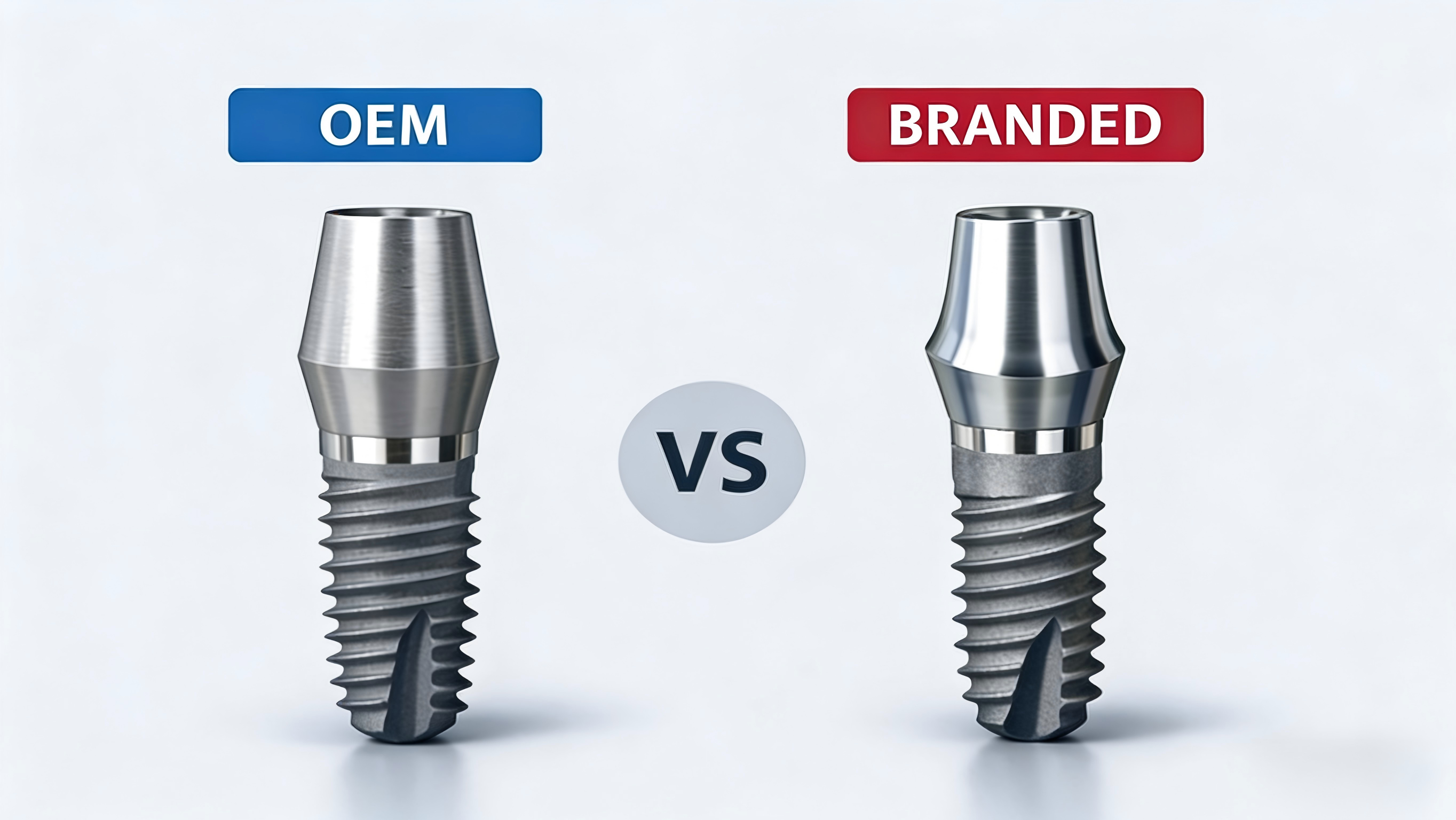
OEM (Original Equipment Manufacturer) dental implants are produced by specialized manufacturers that supply products to other companies, distributors, or clinics—often under private labels.
l Manufactured in high-volume production facilities
l Often made with the same materials (e.g., titanium grade 4 or 5)
l Can be rebranded and customized
l Typically more cost-effective
l Sold directly from factory or through distributors
In practice, many OEM manufacturers today are no longer limited to low-end production. Some have evolved into highly specialized suppliers with advanced surface treatment technologies and strict quality systems.
For example, manufacturers such as RE-TECH have built their capabilities around precision CNC machining and international export standards, supplying implant systems to distributors and private labels across multiple markets.
If you are a distributor, clinic chain, or entrepreneur considering building your own implant brand, understanding how OEM partnerships work is essential.
Branded implants are products developed, marketed, and distributed by established dental companies with global recognition.
l Strong clinical documentation and long-term studies
l Recognizable brand reputation
l Premium pricing
l Extensive training and support systems
l Global distribution networks
These systems are often associated with:
l Decades of R&D investment
l Proprietary implant designs
l Clinician trust and patient confidence

Below is a structured comparison based on real procurement considerations:
Factor | OEM Implants | Branded Implants |
Material | Titanium (Grade 4/5) | Titanium (Grade 4/5) |
Manufacturing | Contract manufacturing | In-house + outsourced |
Surface Treatment | SLA, RBM, anodized | SLA, proprietary coatings |
Precision | High (modern CNC) | High |
Insight:
It is worth noting that some OEM manufacturers now operate production lines comparable to branded companies, particularly in Asia’s growing implant manufacturing sector.
Suppliers like RE-TECH emphasize consistency in titanium sourcing and surface treatment processes, which plays a critical role in osseointegration outcomes.
Factor | OEM | Branded |
Clinical Trials | Limited or generic | Extensive, published |
Long-term Data | Less available | 10–20+ years |
Regulatory Certifications | CE, ISO | CE, ISO, FDA |
Insight:
Branded implants dominate in clinical validation, which is important for high-risk or complex cases.
Factor | OEM | Branded |
Unit Cost | Low | High |
Margin Potential | High | Moderate |
Bulk Pricing | Flexible | Limited |
Insight:
OEM implants are significantly more attractive for:
l Distributors
l High-volume clinics
l Emerging markets
Factor | OEM | Branded |
Brand Recognition | Low (unless private label) | High |
Patient Trust | Neutral | Strong |
Marketing Support | Limited | Strong |
Insight:
In some markets, patients specifically request branded systems, especially in premium clinics.
Factor | OEM | Branded |
Lead Time | Short | Moderate |
Customization | High | Low |
MOQ | Flexible | Fixed |
Insight:
OEM manufacturers provide greater flexibility, especially for:
l Private labeling
l Custom implant systems
l Regional distribution strategies
OEM implants are not “low-end”—they are strategic tools when used correctly.
l Routine implant procedures
l Standard cases
l Cost-sensitive patients
l Want higher margins
l Need product differentiation
l Control pricing strategy
l Price-driven demand
l Limited insurance coverage
l Rapid growth environments
l Clinics building their own brand
l Regional implant brands
Branded implants are still essential in many clinical and business scenarios.
l Poor bone quality
l Immediate loading
l Full-arch restorations
l Patients demand recognized brands
l Higher pricing justified
l Require documented systems
l Focus on clinical studies
l Legal or regulatory pressures
l Need strong documentation
The most advanced clinics and distributors today do not choose one or the other—they combine both.
Scenario | Implant Type |
Standard cases | OEM |
Complex cases | Branded |
Private label products | OEM |
Marketing-driven treatments | Branded |
l Maximized profit margins
l Reduced procurement risk
l Better patient segmentation
l Flexible pricing strategies
If you decide to work with OEM suppliers, selection becomes a critical factor that directly impacts product consistency, clinical outcomes, and long-term business stability.
Rather than focusing solely on price, professional buyers typically evaluate suppliers based on a structured set of criteria:
l CNC precision level
l Surface treatment technology
l Cleanroom production
l ISO 13485
l CE marking
l FDA (if required)
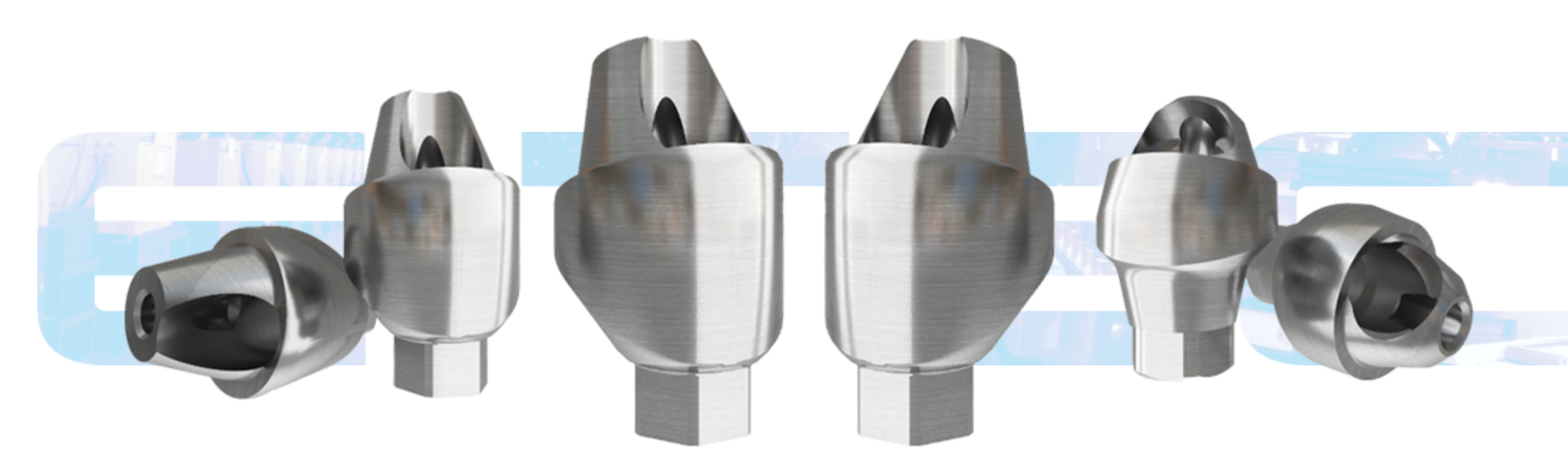
l Abutment systems
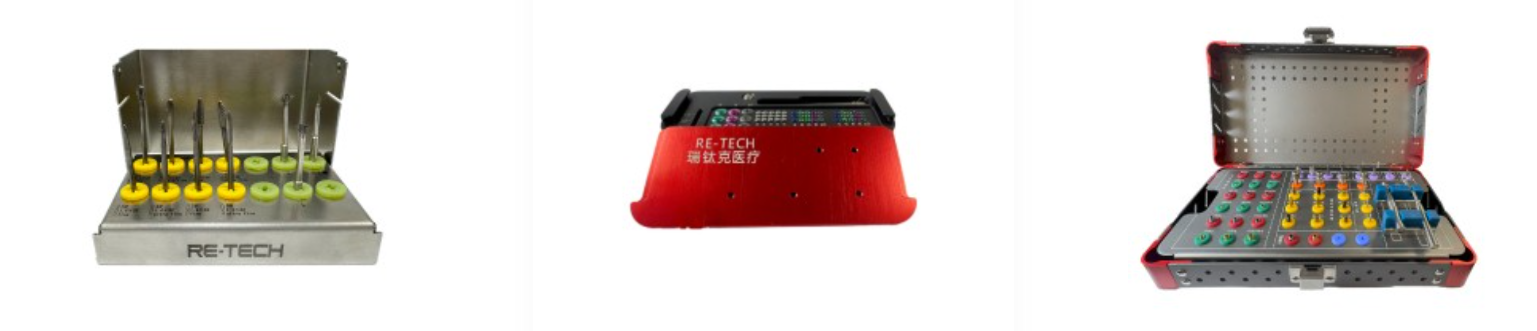
l Surgical kits
l Prosthetic components
l Years in production
l Export markets
l Client portfolio
l Logo engraving
l Packaging design
l Product line development
As the OEM implant sector matures, the gap between basic manufacturers and high-level suppliers is becoming increasingly evident. Leading OEM partners are no longer limited to production alone—they are evolving into integrated solution providers that support branding, scalability, and long-term collaboration.
In this context, experienced manufacturers typically combine certified production environments with flexible customization capabilities and stable global supply chains. These factors are particularly important for distributors aiming to build sustainable private-label implant brands.
In Asia, particularly in China, a number of OEM manufacturers have rapidly improved their production standards. Suppliers such as RE-TECH, for example, operate within this emerging category, reflecting a broader shift toward higher-standard OEM manufacturing aligned with international market expectations.
Reality: Many OEM factories produce implants for global brands.
Reality: In standard cases, clinical outcomes can be comparable.
Reality: Many innovations originate from manufacturing specialists.
To simplify decision-making, consider the following:
l High-end vs cost-sensitive
l Patient expectations
l Routine vs advanced procedures
l Margin vs brand positioning
l Combine OEM + branded systems
Yes, if sourced from certified manufacturers with ISO and CE approvals, OEM implants can meet international quality standards.
Because they eliminate:
l Brand marketing costs
l Distribution layers
l R&D overhead
In many routine cases, yes—especially when produced with modern surface technologies and precision manufacturing.
Absolutely. Private labeling allows:
l Higher margins
l Brand ownership
l Market differentiation
It depends on the market:
l Premium markets: Yes
l Price-sensitive markets: Less
The debate between OEM and branded dental implants is not about which is better—it’s about which is more suitable for your business model and clinical needs.
Key Takeaways:
l OEM implants offer cost efficiency, flexibility, and scalability
l Branded implants provide clinical validation and market trust
l A hybrid strategy delivers the best overall results
For modern dental businesses, the winning approach is not choosing sides—but building a smart, diversified implant strategy.