![[slide:title]](/images/news_banner.jpg)
![[slide:title]](/images/news_bannerph.jpg)
Time:2026-03-31 Form:本站
China vs Germany Dental Implants: Cost & Quality Comparison for Global Buyers
In the global dental implant industry, few sourcing decisions are as strategically important as choosing between Chinese and German manufacturers. For distributors, private label brands, and dental supply companies, this choice goes far beyond price—it directly impacts clinical outcomes, brand reputation, regulatory compliance, and long-term scalability.
Germany has long been associated with engineering precision and premium medical manufacturing, while China has rapidly emerged as a global powerhouse offering cost-efficient, high-quality production backed by advanced CNC machining and scalable supply chains.
But how do these two manufacturing ecosystems truly compare in cost, quality, innovation, and reliability?
This guide provides a deep, objective comparison—helping B2B buyers make informed sourcing decisions while uncovering where hidden value really lies.
Before comparing China and Germany, it’s essential to understand how the dental implant market is structured.
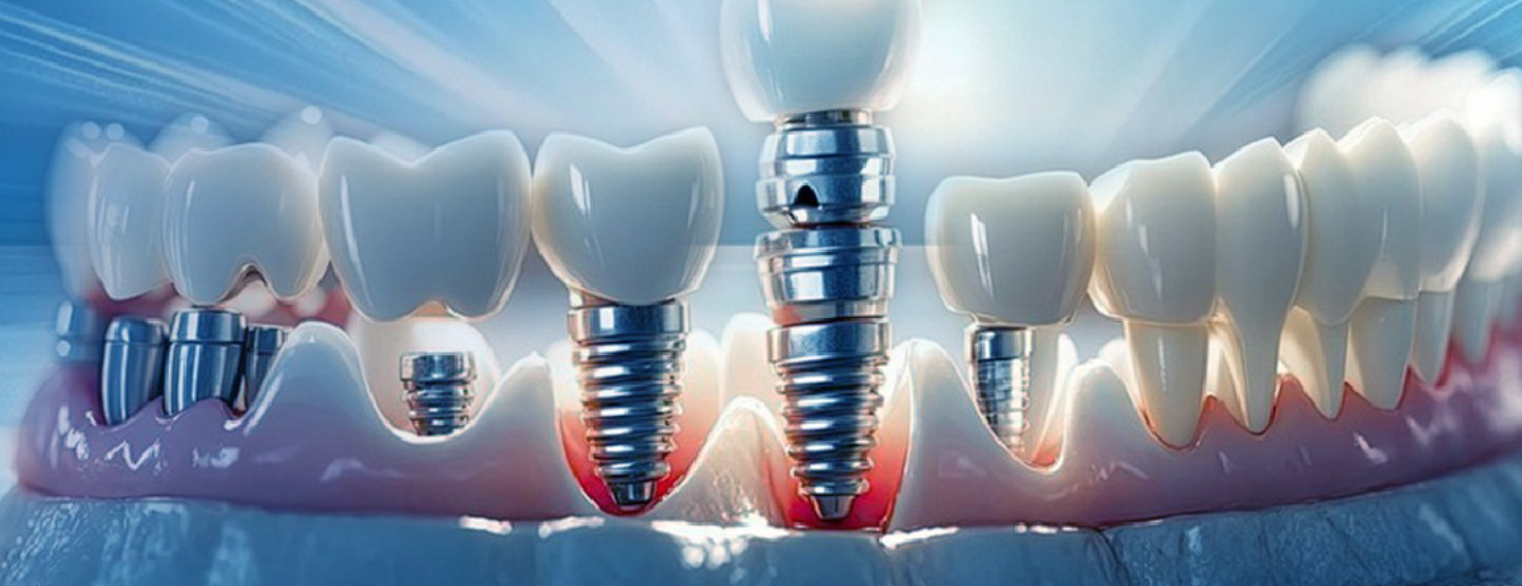
Globally, implant systems consist of:
l Implant fixtures (typically titanium or titanium alloy)
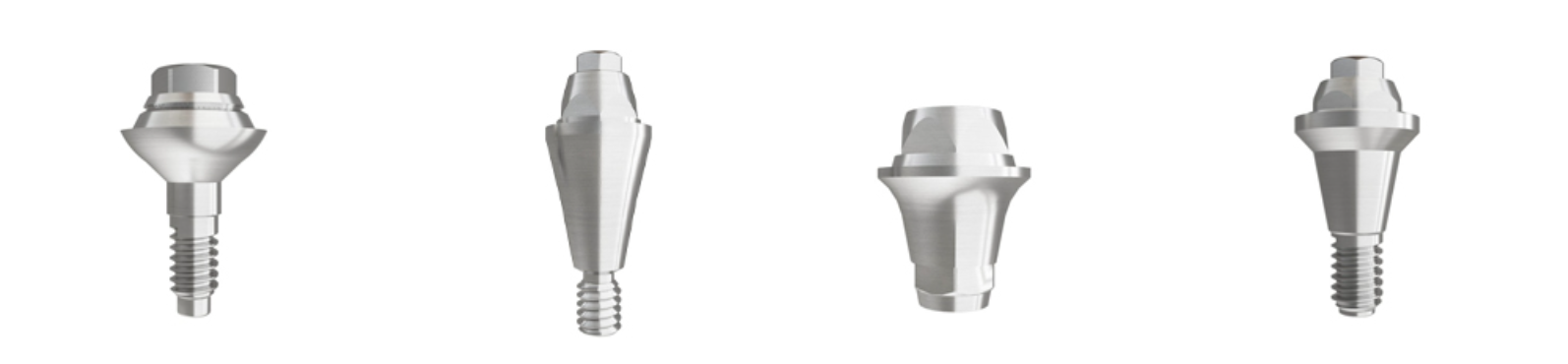
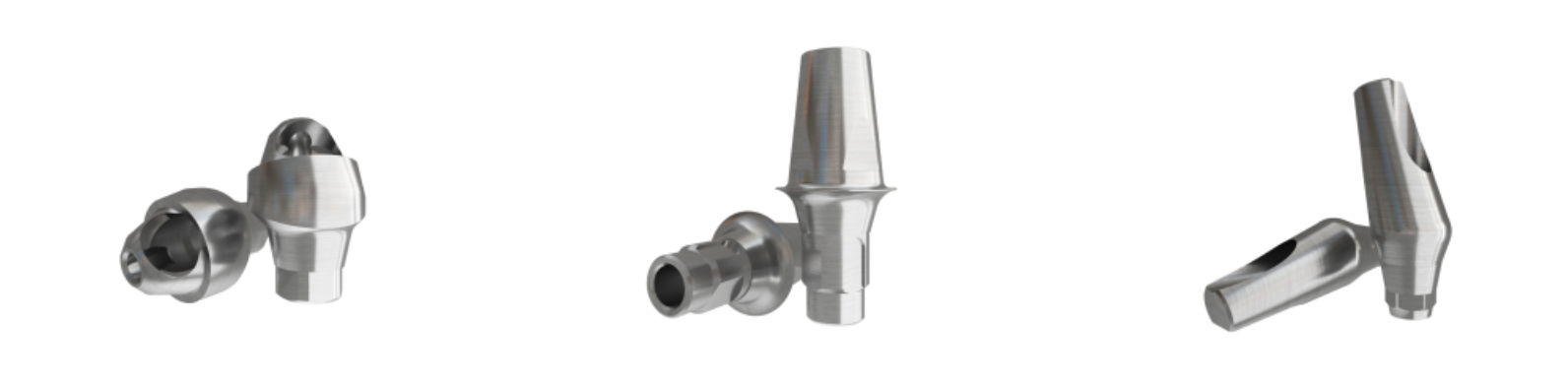
l Abutments (standard or custom)
l Prosthetic components
l Surgical kits and accessories
German brands traditionally dominate the premium segment, often associated with:
l Long clinical history
l Extensive R&D investment
l Strong brand recognition
Chinese manufacturers, on the other hand, are rapidly gaining traction in:
l OEM/ODM production
l Private label implant systems
l Cost-sensitive markets
l Fast customization and scalability
The real question is no longer “which is better?” but rather:
Which is better for your specific business model?
One of the most obvious differences lies in production costs.
Germany:
l High labor costs
l Strict environmental and regulatory compliance costs
l Higher overhead for R&D and brand marketing
China:
l Lower labor and operational costs
l Highly optimized manufacturing clusters
l Economies of scale in CNC machining and titanium processing
Result:
Chinese implants can cost 30%–70% less than German equivalents at the factory level.
German implant systems often include:
l Brand premium
l Distributor margins
l Marketing costs
Chinese OEM manufacturers offer:
l Direct factory pricing
l Custom branding (private label)
l Flexible MOQs
For distributors, this means:
l Higher margins
l More pricing flexibility
l Faster ROI
Cost isn’t just about unit price. Smart buyers evaluate:
Factor | Germany | China |
Lead Time | Longer | Faster |
MOQ | Higher | Flexible |
Customization | Limited | Highly flexible |
Logistics | EU-based | Global export optimized |
Chinese suppliers often outperform in speed and adaptability, which is critical in fast-growing markets.
Both Chinese and German implants typically use:
l Grade 4 commercially pure titanium
l Ti-6Al-4V (Grade 5 titanium alloy)
The key difference lies not in material itself, but in:
l Purity control
l Processing precision
l Surface treatment consistency
Today, leading Chinese manufacturers use the same global titanium standards as German companies.
German manufacturers are known for:
l Extremely tight tolerances
l Decades of machining expertise
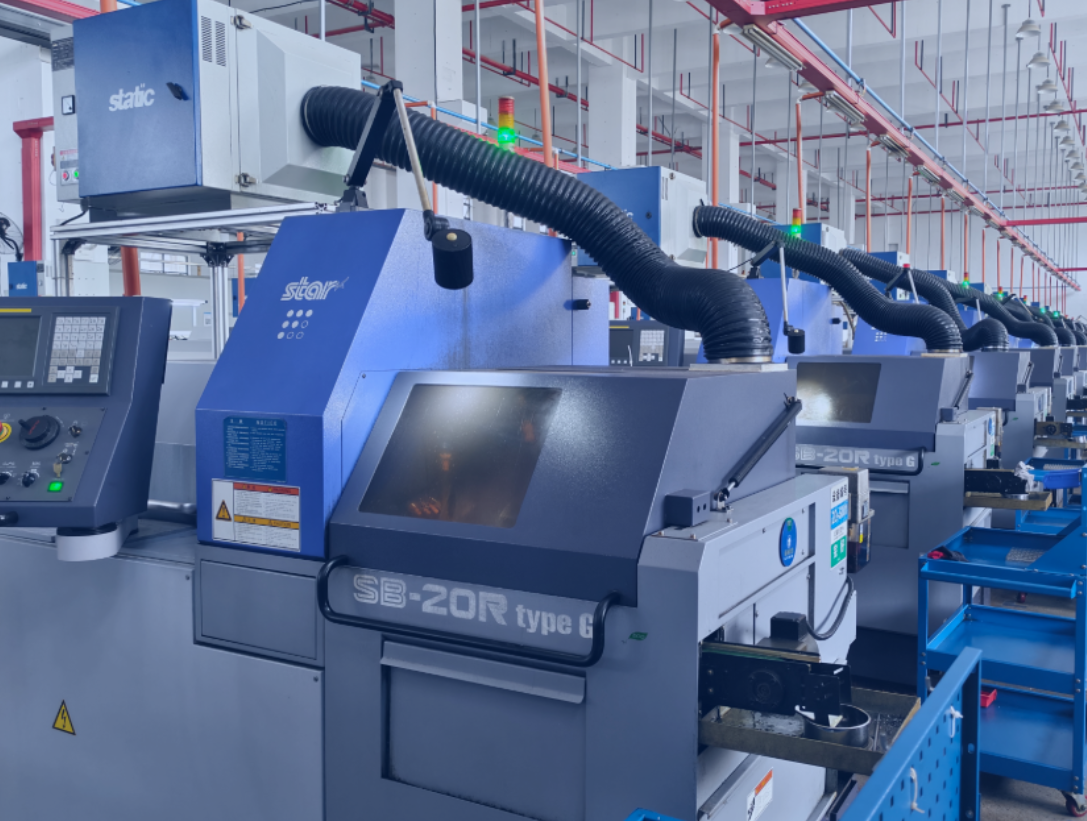
However, modern Chinese factories now utilize:
l 5-axis CNC machining centers
l Automated quality inspection systems
l Digital production workflows
The gap in machining precision has narrowed significantly over the past decade.
Surface treatment is critical for osseointegration.
German implants typically feature:
l SLA (Sandblasted, Large-grit, Acid-etched)
l Proprietary surface technologies
Advanced Chinese manufacturers now offer:
l SLA surfaces comparable to global standards
l Anodized surfaces
l Customized surface roughness options
The real difference lies in process consistency, not capability.
Germany:
l Strict adherence to EU MDR
l Established quality frameworks
China:
l ISO 13485-certified facilities
l Increasing adoption of international QA systems
l Strong export compliance (CE, FDA-ready production)
Leading Chinese factories are now operating at international medical device standards, not just local ones.
l Strong academic collaboration
l Long-term clinical studies
l Continuous incremental innovation
l Rapid prototyping
l Flexible customization
l Fast iteration cycles
German companies excel in scientific validation, while Chinese manufacturers excel in speed and adaptability.
For B2B buyers launching private label brands, speed often matters more than legacy.
This is where China has a clear competitive advantage.
German manufacturers typically:
l Focus on their own branded systems
l Offer limited OEM services
Chinese manufacturers specialize in:
l OEM/ODM implant systems
l Custom implant designs
l Packaging and branding solutions
l Full-system development (implant + abutment + tools)
If your goal is to build your own implant brand, China is often the only practical choice.
Germany:
l Strong CE compliance under EU MDR
l High credibility in European markets
China:
l CE-certified products widely available
l FDA-supporting documentation (for some manufacturers)
l Increasing global regulatory alignment
The key is not country—but supplier capability.
A top-tier Chinese manufacturer can meet the same compliance requirements as a German one.
In today’s fast-moving market, supply chain performance is critical.
Germany:
l Stable but slower production cycles
l Less flexible for rapid scaling
China:
l Fast production turnaround
l High-volume scalability
l Strong global logistics networks
For growing distributors, Chinese suppliers provide a scalability advantage.
l High cost reduces competitiveness
l Limited flexibility
l Dependence on brand positioning
l Supplier selection is critical
l Quality varies across manufacturers
l Need for proper verification and audits
The real risk is not “China vs Germany” — it’s choosing the wrong supplier.
For B2B buyers seeking the balance between cost efficiency and international-grade quality, working with a reliable OEM manufacturer is key.
A manufacturer like RE-TECH represents the new generation of Chinese dental implant suppliers, offering:
l ISO 13485-certified production
l High-precision CNC machining
l Stable SLA surface treatment
l Full OEM/ODM customization
l Competitive factory-direct pricing
l Global export experience
Instead of choosing between “cheap” and “premium,” buyers can now access premium-level manufacturing without premium pricing.

The answer depends on your business strategy:
l You are targeting high-end European clinics
l Brand recognition is your primary value
l Cost is not a major concern
l You want higher margins
l You plan to build your own brand
l You need flexibility and scalability
l You require fast turnaround
For most modern distributors and private label brands, Chinese manufacturing offers a better balance of cost, quality, and flexibility.
Yes—provided they are sourced from certified manufacturers with ISO 13485 and CE compliance. Quality varies by supplier, not country.
Higher labor costs, strict regulatory environments, and strong brand positioning contribute to higher prices.
When manufactured to international standards, Chinese implants can achieve comparable clinical performance and longevity.
Yes. Many Chinese factories specialize in OEM/ODM services, allowing full customization of design, packaging, and branding.
Key steps include:
l Checking certifications (ISO, CE)
l Requesting product samples
l Conducting factory audits
l Reviewing export experience
The global dental implant industry is evolving rapidly. The traditional perception that “German equals quality” and “China equals low cost” is no longer accurate.
Today, the real competitive edge lies in:
l Choosing the right manufacturing partner
l Aligning supply strategy with business goals
l Balancing cost, quality, and scalability
For forward-thinking B2B buyers, China is no longer just an alternative—it is increasingly becoming the preferred strategic choice.