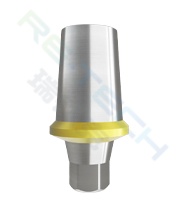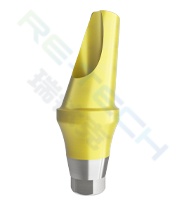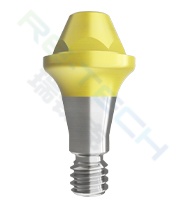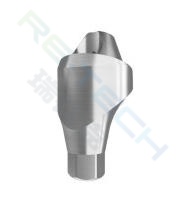

type:11120110/11120210
Platform:
OSS-TS-M-10C
OSS-TS-R-10C
We can customize it privately, if you have any needs, please contact us!
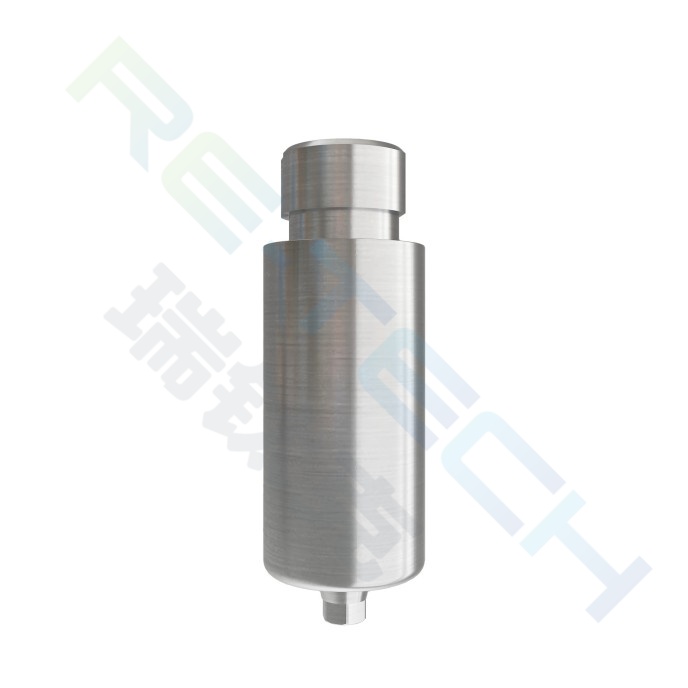
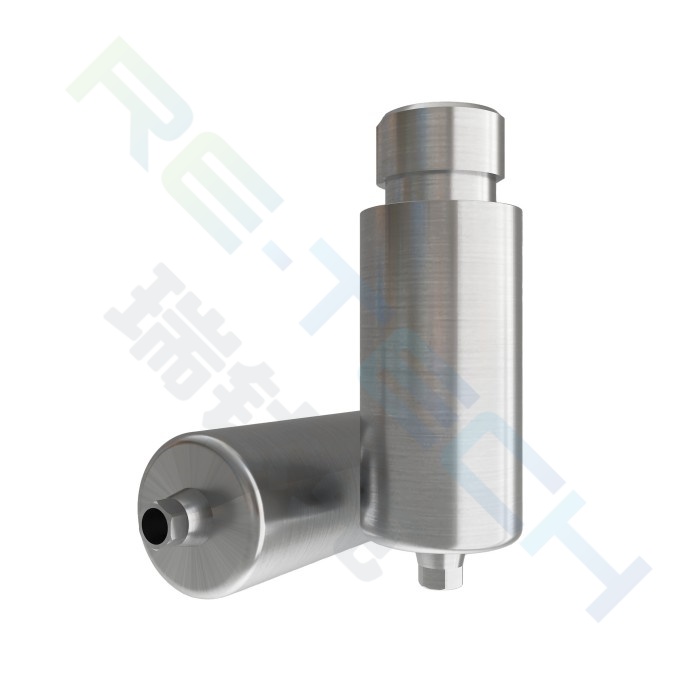
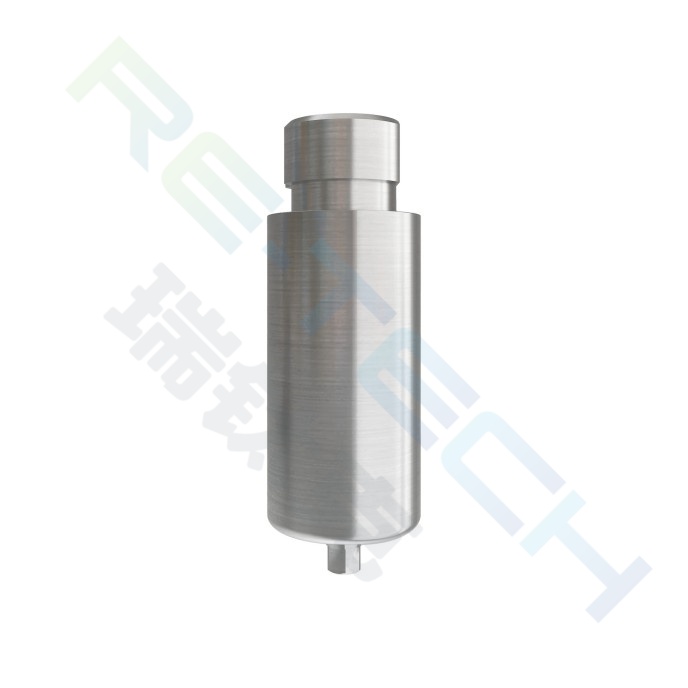
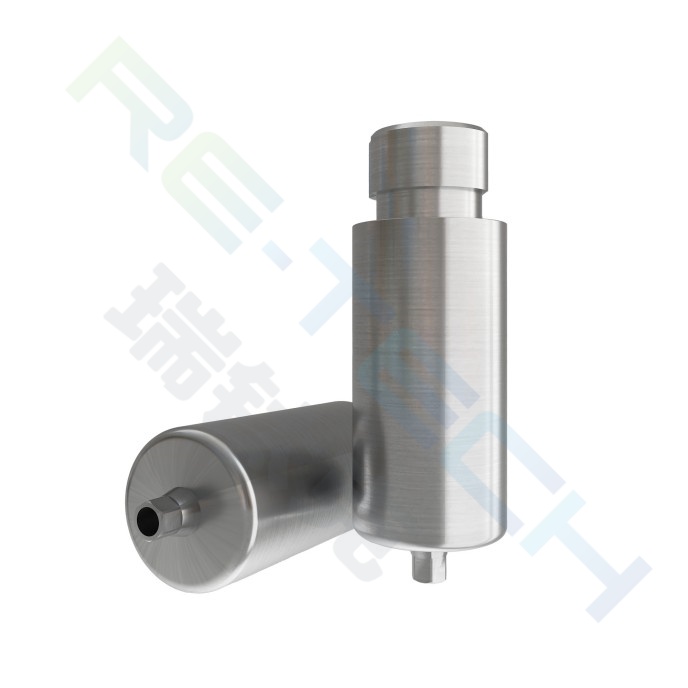
Pre-milled Ti-blanks compatible with Osstem™
Product Overview
Pre-milled Ti-blanks compatible with Osstem™ are adapted to Osstem implant platforms. They are prefabricated titanium substrates for custom abutment fabrication in CAD/CAM dental laboratories. The bottom implant interface is pre-machined with high precision. Only the upper section of the blank needs milling to produce one-piece custom abutments, fitting for digital restoration workflows.
Product Material
Medical-grade TC4 titanium alloy with fully stress-relieved raw material. It resists intraoral corrosion, withstands cyclic occlusal loads, and features stable and reliable biocompatibility.
Main Specifications & Parameters
A wide selection of blank diameters and milling heights is available, matching the interface specifications of the Osstem platform and compatible with mainstream dental milling machines and CAD design systems on the market.
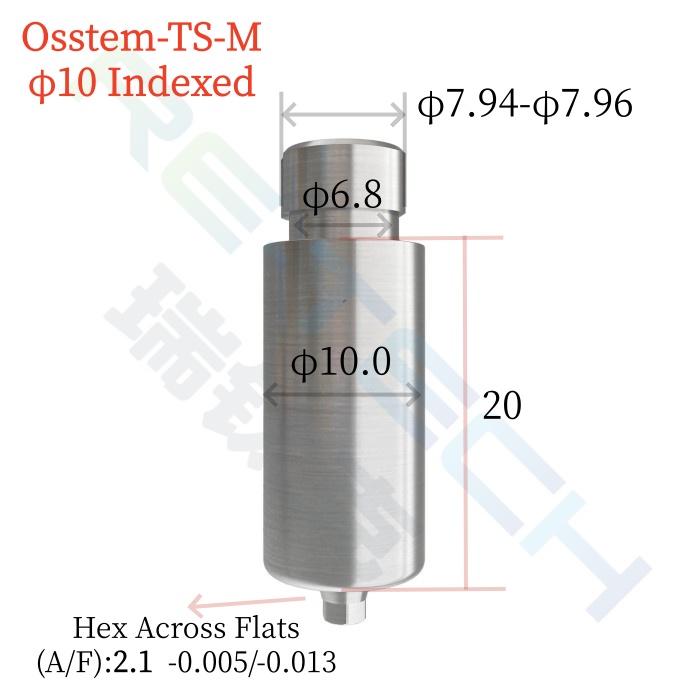
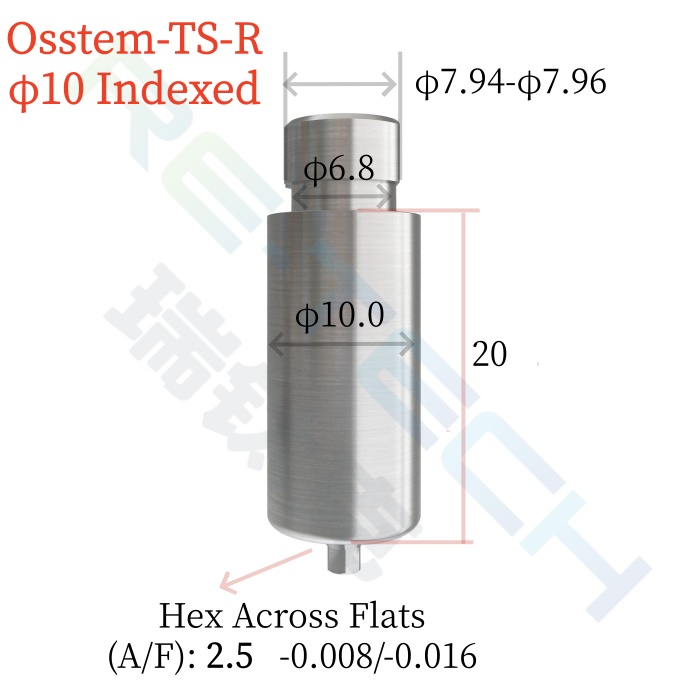

Other Available Specifications
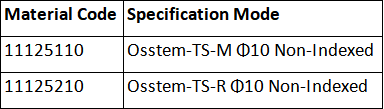
(For more specifications, please refer to the product catalog or contact our customer service.)
Scope of Application
Compatible with Osstem implant platforms for dental laboratories to digitally fabricate custom abutments. Used for single-tooth and multi-unit fixed bridge restorations, it applies to routine cases and restorations with minor bone defects.
Product Advantages
High dimensional accuracy of preformed interface ensures tight seating with implant interfaces, reducing risks of micromotion and micro-leakage.
Stable clamping and positioning allow convenient alignment for digital scanning and milling, delivering consistent outputs in batch production.
Ample milling allowance enables flexible design of emergence profiles to adapt to varying soft tissue heights.
Low internal stress of the blank minimizes post-milling deformation and guarantees long-term dimensional stability of restorations.
Adjustable screw channel path supports both aesthetic anterior restorations and load-bearing posterior applications.
Less material removal reduces bur wear and improves machining efficiency in dental labs.

 Contact Us